
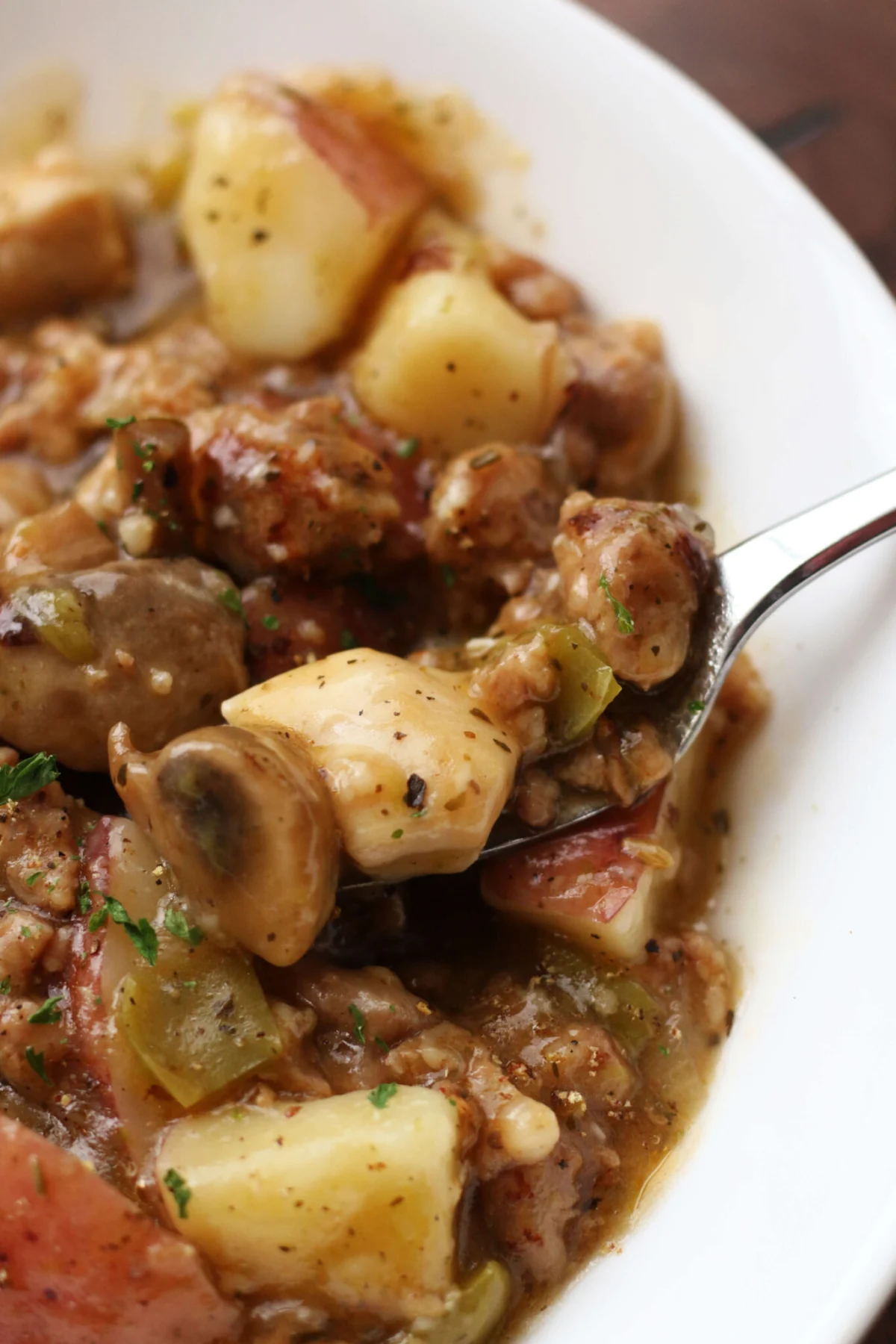
The Architecture of a Modern Slow Cooker Meal
The composition of Diana’s Chicken Casserole relies on a strategic selection of ingredients that maximize flavor extraction over a multi-hour heating cycle. Unlike many traditional recipes that require preliminary browning (the Maillard reaction) in a separate skillet, this specific preparation relies on the chemical interaction of pantry staples to create depth. The use of chicken thighs is a critical technical choice; the higher fat and connective tissue content in thighs compared to breasts allows the meat to remain succulent and resistant to drying out during the prolonged low-heat environment of the Crockpot.
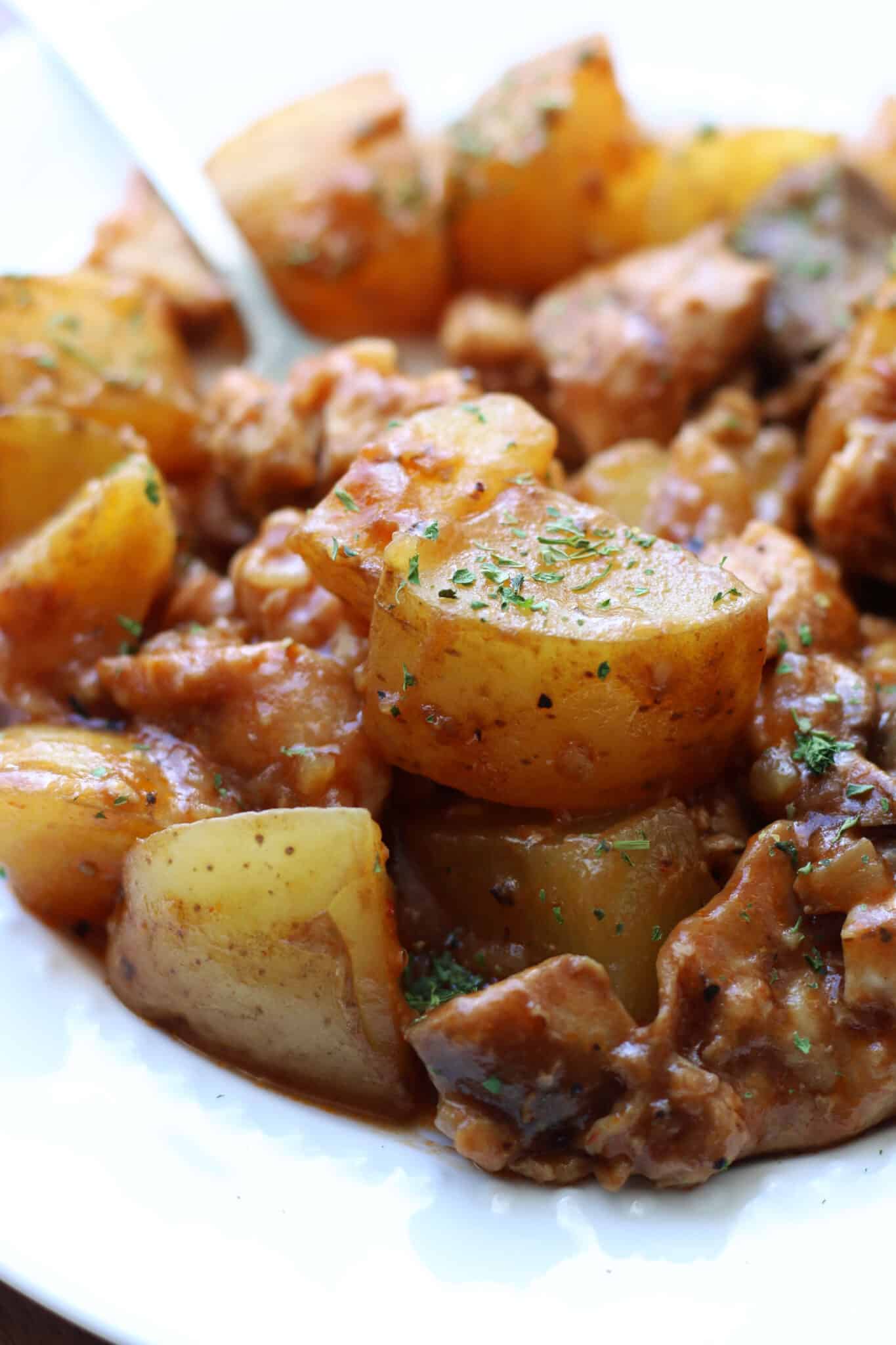
The structural foundation of the dish is provided by Yukon Gold potatoes. In the hierarchy of tuber selection, Yukon Golds are preferred for slow cooking due to their medium-starch profile. They maintain their physical integrity better than starchy Russets, which tend to disintegrate into the sauce, yet they offer a creamier mouthfeel than waxy red potatoes. This balance ensures that the final product retains a distinct "bite" while contributing to the overall thickness of the savory sauce.
Chronology of Preparation and Methodological Efficiency
The preparation of Diana’s Chicken Casserole follows a strict "one-pot" protocol, designed to minimize post-cooking sanitation requirements. The process begins with the integration of the primary proteins and aromatics. Mushrooms, potatoes, and chicken are introduced into the slow cooker vessel simultaneously, followed by a dry-and-wet mixture of salt, pepper, onion, garlic, and cornstarch.

The flavor profile is then built through the addition of liquid components: olive oil, tomato paste, Worcestershire sauce, balsamic vinegar, water, and "Better Than Bouillon" (a concentrated base). The timeline for the cooking process is as follows:
- Assembly Phase: Total preparation time is approximately 10 to 15 minutes, depending on the proficiency of the cook in chopping the potatoes and mushrooms.
- Thermal Cycle: The slow cooker is set to "low" for a duration of three hours. This relatively short window for a slow cooker recipe is dictated by the cut of the vegetables; potatoes and mushrooms cook faster than large roasts, and chicken thighs reach peak tenderness within this timeframe.
- Finishing Phase: Following the three-hour cycle, the sauce is enriched with a final addition of cream. This late-stage introduction of dairy is a standard culinary technique in slow cooking to prevent curdling or separation, which can occur if high-fat liquids are exposed to heat for extended periods.
Supporting Data: The Economic and Nutritional Value of Home Cooking
The rise of recipes like Diana’s Chicken Casserole is supported by broader economic trends. According to market research, the global slow cooker market was valued at approximately $4.5 billion in 2022 and is projected to continue growing. This growth is attributed to the "set-it-and-forget-it" convenience that appeals to the dual-income household demographic.

Economically, this dish represents a cost-effective alternative to processed convenience foods. Chicken thighs are historically priced 20-30% lower per pound than chicken breasts in the United States. Furthermore, the reliance on "pantry staples" such as balsamic vinegar and tomato paste reduces the "per-meal" cost by utilizing ingredients that have a long shelf life and can be used across multiple recipes.
From a nutritional standpoint, the inclusion of mushrooms and potatoes provides essential vitamins and minerals, including potassium and B vitamins. The addition of optional green peas at the conclusion of the cooking process—a common recommendation for this dish—increases the fiber content and adds a necessary visual contrast, which nutritionists suggest can improve meal satisfaction and satiety.

The Chemistry of Flavor: Balsamic and Umami Integration
The sophistication of the flavor profile in Diana’s Chicken Casserole is the result of what food scientists call "flavor layering." The combination of Worcestershire sauce and tomato paste provides a concentrated source of glutamate, the compound responsible for the savory "umami" taste. This is further enhanced by the mushrooms, which are naturally high in umami.
The inclusion of balsamic vinegar is the recipe’s most significant technical innovation. In slow cooking, long exposure to heat can often result in "flat" flavors where the various ingredients become indistinguishable. The acidity of the balsamic vinegar acts as a brightener, cutting through the richness of the chicken fat and the cream added at the end. This ensures that the savory notes are balanced by a subtle tang, elevating the dish from a standard stew to a professional-grade casserole.

Inferred Market Reaction and Community Impact
While specific "official" responses to a home recipe are rare, the success of the "365 Days of Crockpot" platform, where this recipe originated, indicates a high level of consumer engagement. Home cooks frequently cite "fewer dishes to wash" as a primary motivator for adopting such recipes. In an era where "domestic labor" is increasingly scrutinized for its time-cost, the elimination of the browning step is a significant incentive.
Culinary analysts suggest that recipes like Diana’s Chicken Casserole serve as a bridge between traditional home cooking and the modern need for efficiency. By providing a meal that "tastes way fancier than you’d expect," it addresses the psychological need for high-quality food without the barrier of complex techniques. The ability to store and reheat leftovers—which often see an improvement in flavor as the ingredients continue to marinate—further increases the utility of the dish for modern professionals.

Broader Implications for the Future of Domestic Gastronomy
The popularity of Diana’s Chicken Casserole reflects a shift in the American culinary landscape toward "functional cooking." As the boundaries between work and home life continue to blur, the demand for recipes that require minimal active supervision is expected to rise. This has implications for the food supply chain, as retailers see increased demand for "stew meat" cuts and hearty vegetables that are compatible with slow-cooking methods.
Furthermore, the "dump-and-go" movement contributes to food waste reduction. Because the recipe is forgiving and allows for various "Substitution Ideas" (such as different potato varieties or the addition of frozen vegetables), it encourages home cooks to use what they have on hand rather than purchasing single-use ingredients. This adaptability is a key component of sustainable home kitchen management.

In conclusion, Diana’s Chicken Casserole is more than a simple weeknight dinner; it is a meticulously designed culinary solution that leverages the strengths of the slow cooker to deliver a complex, savory meal with minimal effort. Through its strategic use of umami-rich ingredients, acid-based flavor balancing, and cost-effective proteins, it exemplifies the highest standards of modern home cooking. As households continue to navigate the challenges of time management and inflation, the reliance on such efficient, high-yield recipes is likely to remain a permanent fixture of the domestic environment. For those seeking to explore the breadth of this cooking style, the availability of filtered recipe databases—allowing users to search by meat type, dietary restriction, or appliance—ensures that the "one-pot" revolution remains accessible to all.
