
The allure of discovering a hidden gem, whether unearthed at a local thrift store or inherited from a grandparent’s cherished kitchen, has captivated many. Social media feeds are frequently abuzz with tales of vintage treasures and valuable antiques resurfacing, prompting a closer look at our own kitchen cupboards. The terms "vintage" and "antique" are often used interchangeably when describing older items, particularly cookware, leading to widespread confusion. However, experts in the field maintain that these terms possess distinct definitions, grounded in age rather than a specific aesthetic or decade. Understanding these classifications is crucial for collectors, sellers, and even casual enthusiasts looking to appraise their culinary heirlooms.
Defining the Terms: Age as the Primary Differentiator
At its core, the distinction between antique and vintage items hinges on their age. An object is officially classified as an antique if it is more than 100 years old. Conversely, an item falls into the vintage category if it is between 20 and 99 years old. This age-based definition means that an item’s classification can evolve over time. For instance, an item manufactured in 1975 would have been considered vintage in 2005. However, as of 2025, that same item would now be 50 years old and still firmly within the vintage bracket. If it were produced in 1915, it would have been vintage in 1975, but by 2015, it would have crossed the 100-year threshold and become an antique.
While these precise definitions are adhered to by serious antique dealers and collectors, in broader popular usage, the terms "vintage" and "antique" are often employed more loosely to describe anything old and desirable. This can lead to marketing discrepancies and misinterpretations for consumers. For those looking to buy or sell, or simply to understand the provenance of their kitchenware, it is beneficial to familiarize oneself with the historical context and evolution of cookware styles.
The Evolving Landscape of Cookware Value: Beyond Age
The intrinsic value of old cookware is not solely determined by its age-based classification. Numerous factors contribute to a piece’s desirability and market worth, making the simple label of "antique" or "vintage" a starting point rather than a definitive valuation.
Antique Cookware: Rarity, Quality, and Enduring Appeal
True antiques, by virtue of their age, are inherently rarer. However, this rarity does not automatically translate to higher monetary value. Some antique kitchen items, while historically significant, may have fallen out of favor with modern collectors due to changes in cooking habits, material availability, or aesthetic preferences. For example, certain ornate but impractical antique serving dishes might hold little appeal to contemporary consumers.
Conversely, certain categories of antique cookware are exceptionally sought after. Cast iron pans are a prime example. Renowned for their durability, even heat distribution, and non-stick properties when properly seasoned, vintage and antique cast iron pieces are often considered superior in quality to many modern alternatives. Their practical utility, combined with a timeless appeal, ensures a consistent demand among both professional chefs and home cooks. Brands like Griswold, Wagner Ware, and Lodge, particularly from their early production periods, are highly prized. For instance, a well-preserved Griswold cast iron skillet from the early 20th century can command prices ranging from $50 to several hundred dollars, depending on its size, condition, and any unique features.
Antique copper cookware can also be extremely valuable, especially pieces crafted by renowned French and English manufacturers. The excellent thermal conductivity of copper makes it ideal for precise temperature control, a feature highly valued in professional kitchens. However, the value and usability of antique copper cookware are often contingent on its lining. Copper cookware typically features a lining of tin or stainless steel. Tin-lined copper pieces, while beautiful, require more careful maintenance and are less durable than their stainless steel counterparts. Moreover, older tin linings can sometimes contain lead, posing a health risk. Therefore, while aesthetically pleasing and potentially valuable, tin-lined antique copper might be better suited for display purposes rather than active cooking. Pieces with intact stainless steel linings or those that can be professionally re-tinned offer both beauty and functionality, commanding higher prices. A rare, hand-hammered copper saucepan by a renowned maker like Baillard or de Buyer, in excellent condition, could easily fetch upwards of $500 to over $1,000 at auction.
Vintage Cookware: Brand, Design, and Shifting Trends
The value of vintage cookware often leans more heavily on the reputation of its brand and its distinctive design than on the material alone. The popularity of specific vintage brands and styles can fluctuate with changing interior design trends and the resurgence of particular culinary aesthetics.
Several brands have consistently held their value and continue to be highly desirable among collectors. Cathrineholm enamelware, with its iconic lotus pattern and vibrant colors, is a prime example. These Norwegian pieces, particularly from the mid-20th century, are highly collectible and can fetch significant sums, especially for rare colors or larger sets. A complete Cathrineholm casserole set in good condition can range from $300 to $800 or more.
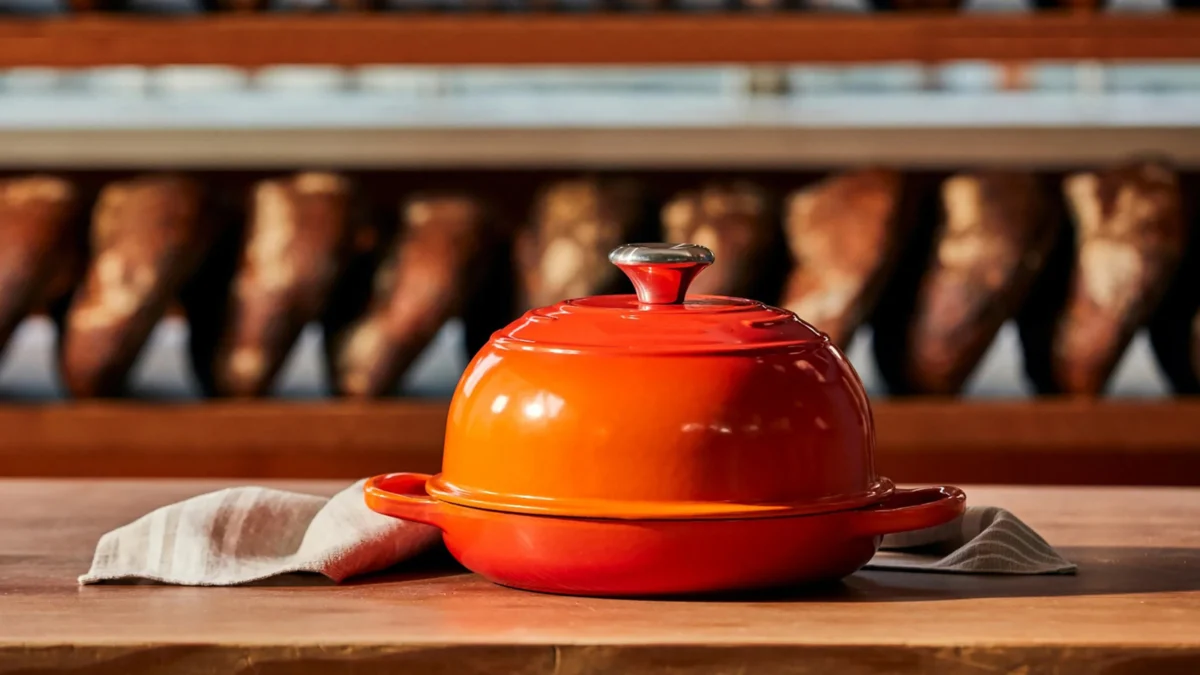
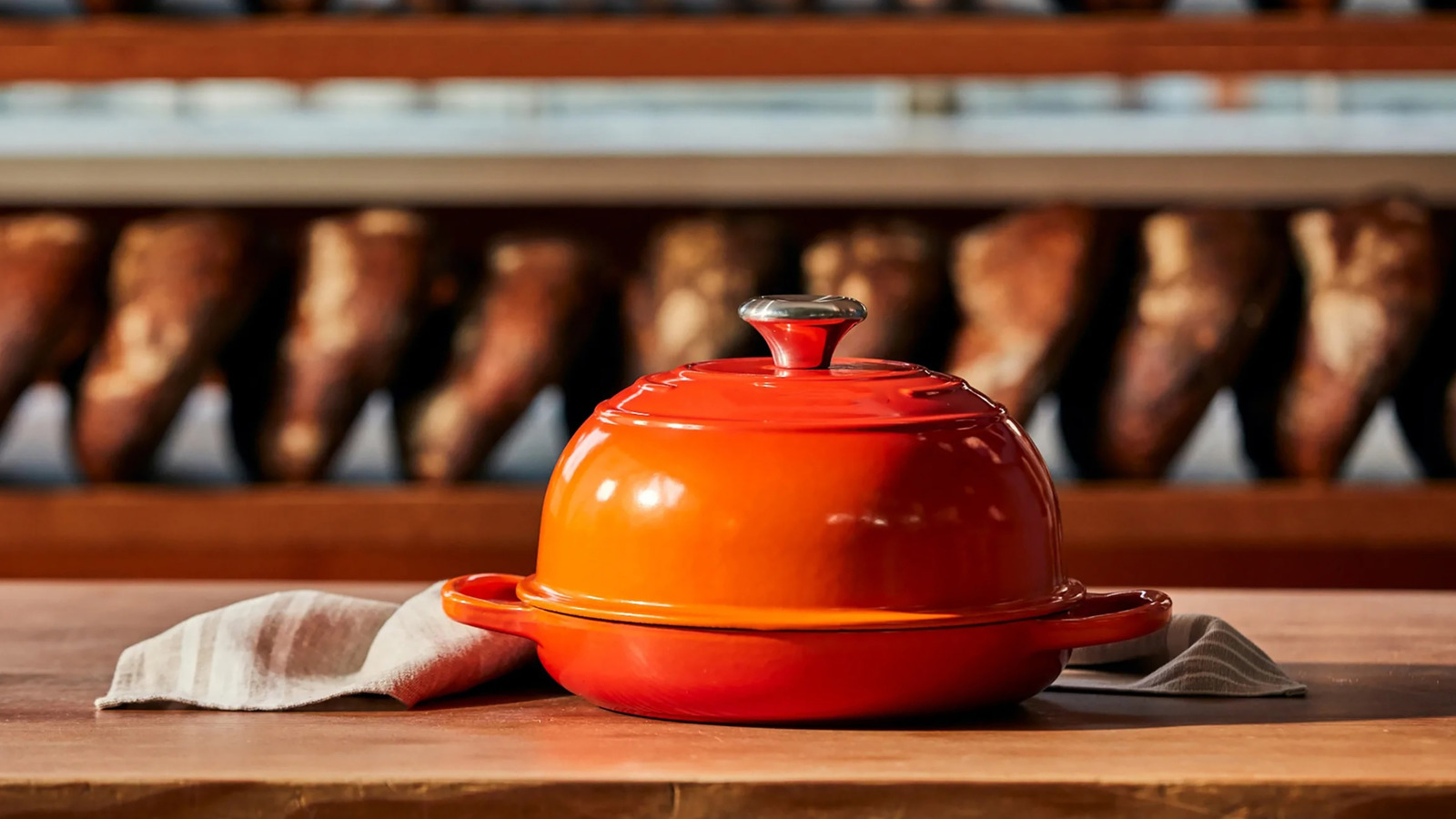
Le Creuset cast iron enameled cookware, while still in production, has a strong vintage market. Early pieces, often in more muted or unique colorways not currently offered, are particularly sought after. The durability and performance of Le Creuset are well-established, and vintage pieces often represent excellent value for money. A vintage Le Creuset Dutch oven in a classic color like Flame or Marseille, in excellent condition, can still command prices of $200 to $500, comparable to or even exceeding some new pieces.
CorningWare, particularly its iconic "French White" and various patterned lines like "Blue Cornflower" and "Wildflower," remains a staple in many vintage collections. Known for its oven-safe Pyroceram material, CorningWare is both durable and aesthetically pleasing. While not as stratospherically priced as some other vintage items, complete sets or rare patterns in pristine condition can be quite valuable, often ranging from $100 to $400 for a substantial set.
However, it is important to note that not all vintage finds are created equal. Just as with antiques, some vintage cookware pieces may have limited appeal. Factors such as excessive wear, damage, or designs that have fallen out of fashion can significantly diminish a piece’s value. It is always prudent for buyers to thoroughly inspect vintage items for chips, cracks, significant scratches, or signs of heavy use that could affect their functionality or longevity.
A Brief Timeline of Cookware Evolution
To fully appreciate the context of antique and vintage cookware, a brief look at its historical progression can be illuminating:
- Pre-1900s (Antiques): This era saw the dominance of materials like cast iron, copper, and early forms of enamelware. Cookware was often heavy, durable, and designed for open-hearth cooking or early wood-burning stoves. Innovations were gradual, focusing on practicality and longevity.
- Early 20th Century (Antiques transitioning to Vintage): The advent of gas and electric stoves led to changes in cookware design, with flatter bases and more standardized shapes becoming prevalent. Brands like Griswold and Wagner Ware established themselves in the cast iron market. Early plastics and bakelite began to appear in handles and knobs.
- Mid-20th Century (Vintage): This period, roughly from the 1940s to the 1970s, witnessed a boom in colorful and stylish cookware. Enamelware from brands like Cathrineholm and Copco became fashionable. The introduction of materials like Pyroceram by CorningWare offered lighter, more versatile options. The rise of mid-century modern design heavily influenced kitchenware aesthetics.
- Late 20th Century (Vintage): The latter part of the 20th century saw continued innovation with non-stick coatings becoming widespread, and brands like Le Creuset solidifying their premium status. Stainless steel cookware also gained significant traction due to its durability and ease of maintenance.
Implications for Collectors and Consumers
The distinction between vintage and antique cookware, while defined by age, ultimately underscores the diverse factors that contribute to an item’s value. For collectors, understanding these definitions and the historical context of different materials and brands is essential for making informed purchases and building a meaningful collection. The thrill of the hunt, whether for a rare antique cast iron skillet or a sought-after vintage Cathrineholm bowl, lies not just in the potential monetary gain but also in the connection to culinary history and craftsmanship.
For the average consumer, this knowledge can help in appraising items already in their possession or when browsing second-hand markets. It encourages a more critical evaluation beyond mere labels, focusing on condition, quality, brand reputation, and aesthetic appeal. Ultimately, the most valuable cookware, whether vintage or antique, is often that which brings joy and functionality to the kitchen, serving as a tangible link to the past and a testament to enduring design.
