
The Historical Context of Johnny Marzetti
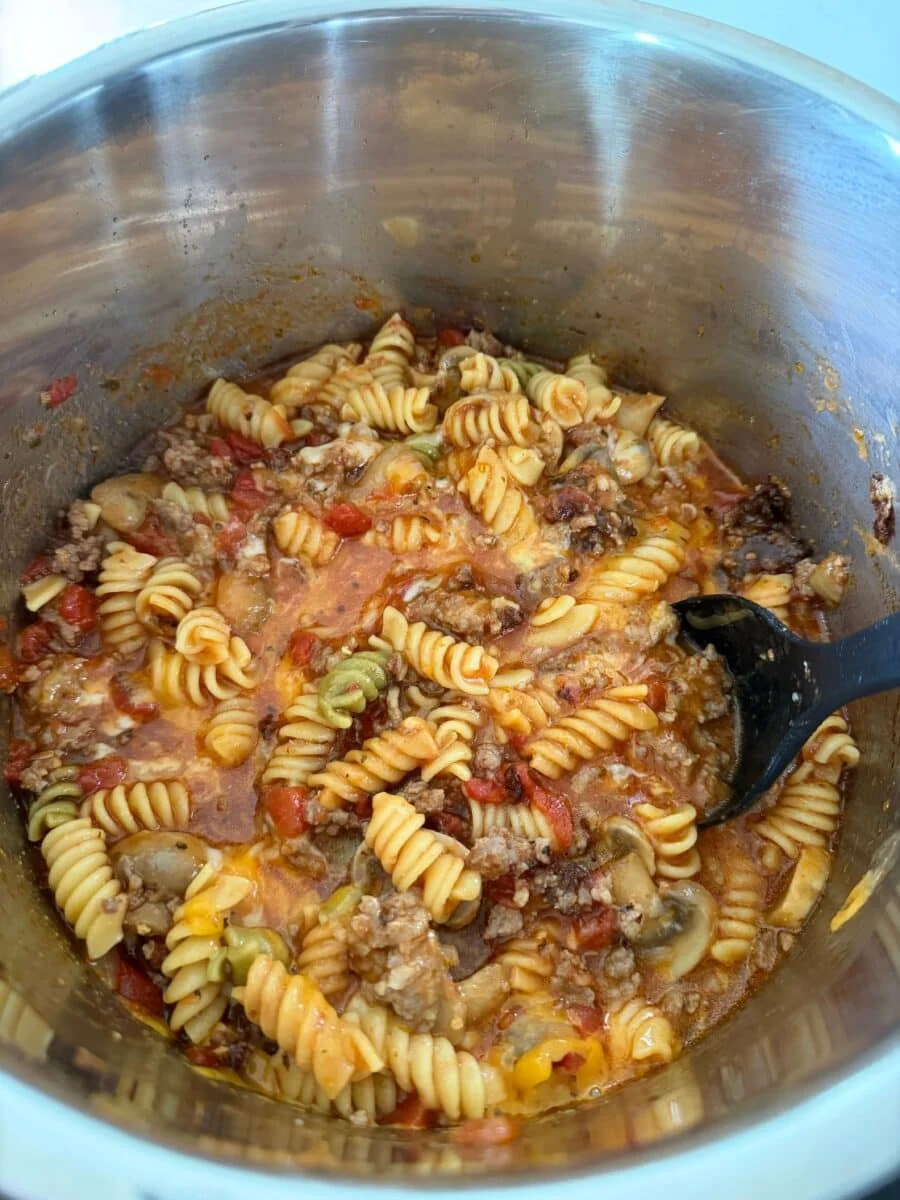
The origins of the Johnny Marzetti casserole trace back to the early 20th century in Columbus, Ohio. The dish was named by Teresa Marzetti, an Italian immigrant who opened a restaurant near the Ohio State University campus in 1896. Marzetti reportedly named the concoction after her brother-in-law. Originally consisting of ground beef, cheese, tomato sauce, and elbow macaroni, the dish quickly transcended its restaurant beginnings to become a staple of Ohioan domestic life and school cafeteria menus across the United States.
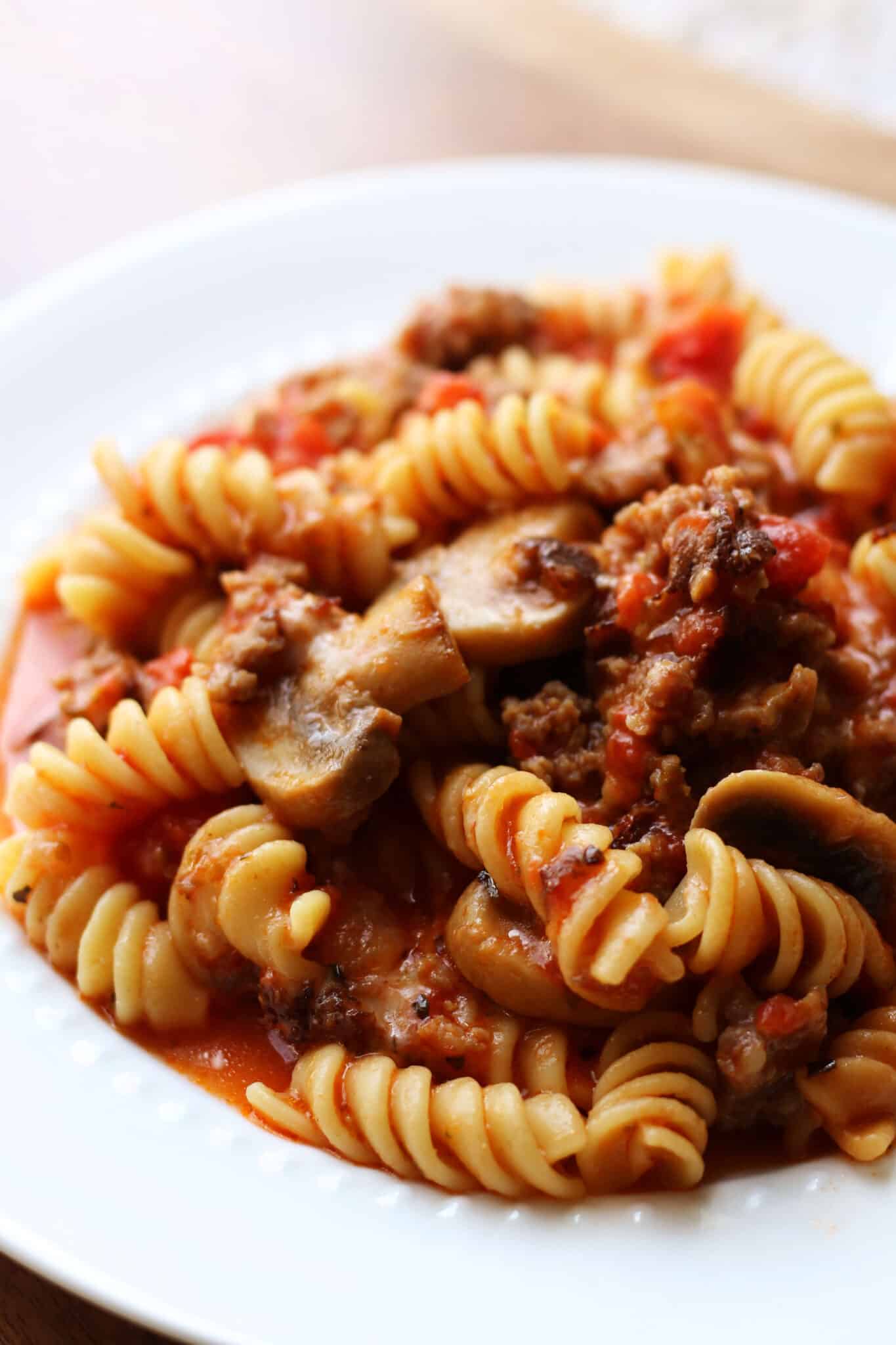
By the mid-20th century, Johnny Marzetti had become synonymous with "American-Italian" fusion, a genre of cooking that adapted traditional Italian pasta techniques to the availability and preferences of the American Heartland. The dish’s transition into the "Ultimate" version described here reflects a broader trend in American home cooking: the "upgrading" of nostalgic recipes through the use of more complex proteins and advanced kitchen appliances.
Technical Specifications and Ingredient Analysis
The "Ultimate" version of this casserole deviates from the 1920s original by prioritizing flavor complexity and textural integrity. The core components include:
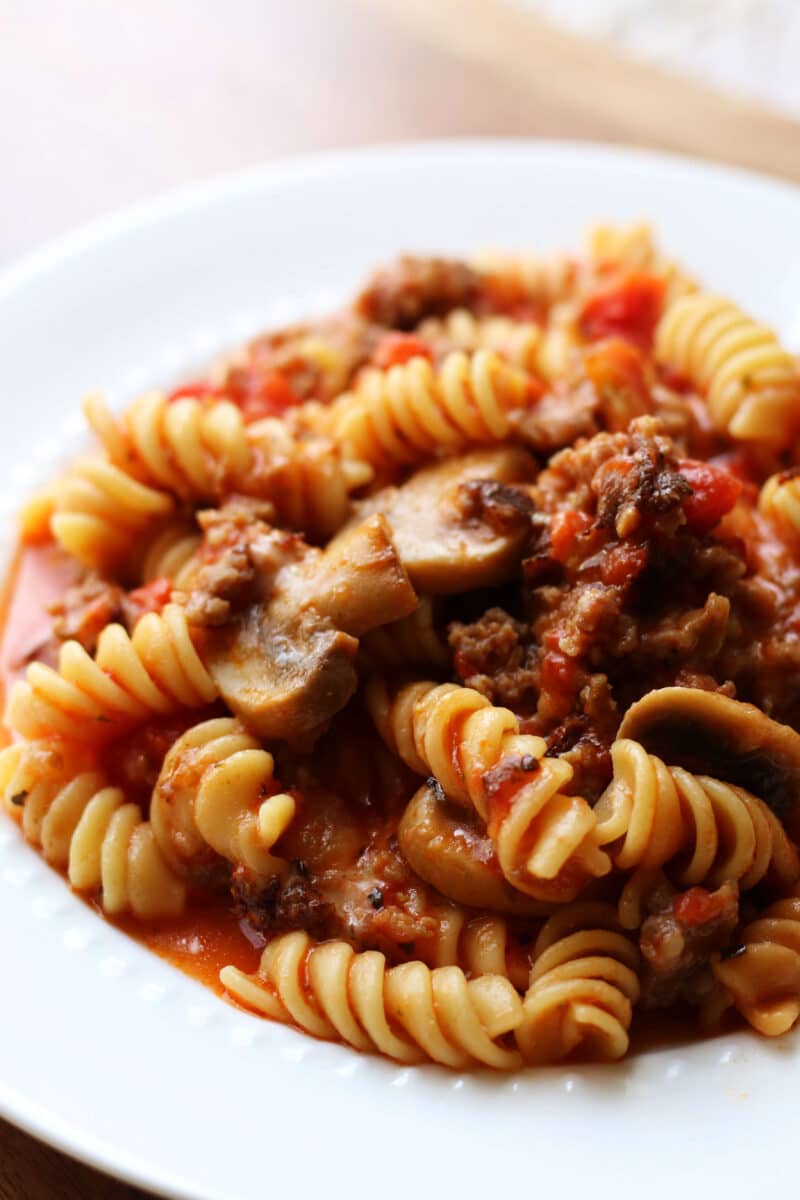
- Protein: 1 pound of Italian sausage. Unlike ground beef, Italian sausage contains a curated blend of seasonings—typically fennel, garlic, and red pepper flakes—which provides a built-in flavor base for the sauce.
- Aromatics and Vegetables: The inclusion of onions and mushrooms serves a dual purpose. Mushrooms contribute umami, which compensates for the shorter simmering time in a pressure cooker, while onions provide the necessary sulfurous sweetness.
- Starch: 16 ounces of rotini pasta. The spiral shape of rotini is scientifically preferred in pressure cooking for this dish because its surface area allows for maximum sauce adhesion, and its structural integrity holds up better under high pressure than traditional macaroni.
- Liquid Base: A combination of beef broth, diced tomatoes, and tomato sauce. The broth is essential for providing the thin liquid necessary for the Instant Pot to reach pressure without triggering "burn" sensors.
- Dairy: A blend of shredded cheeses, typically added after the pressure-cooking cycle to ensure a creamy, emulsified finish rather than a broken, oily sauce.
Chronology of the Cooking Process
The preparation of the Ultimate Johnny Marzetti Casserole follows a strict technical sequence designed to optimize the Maillard reaction while preventing the scorching of starches.
Phase I: The Sauté and Deglaze
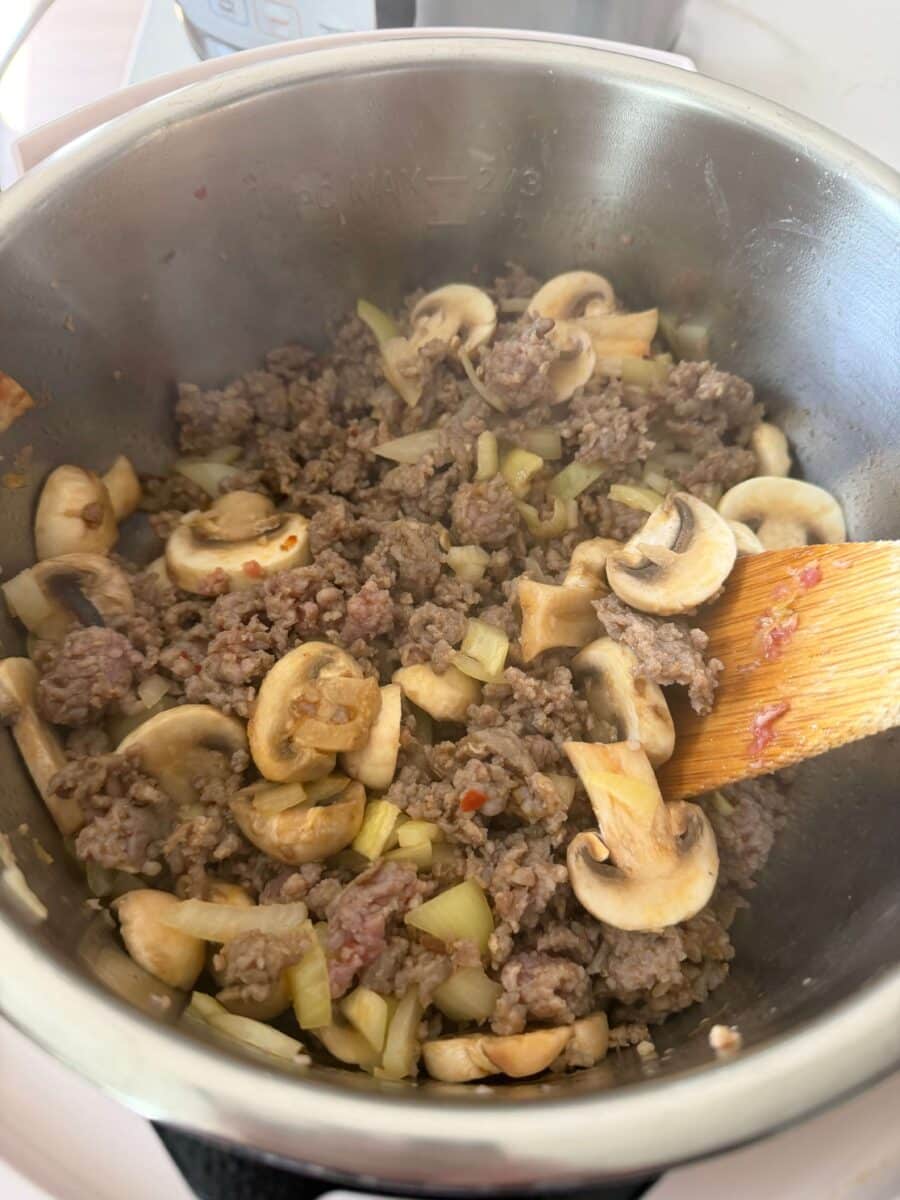
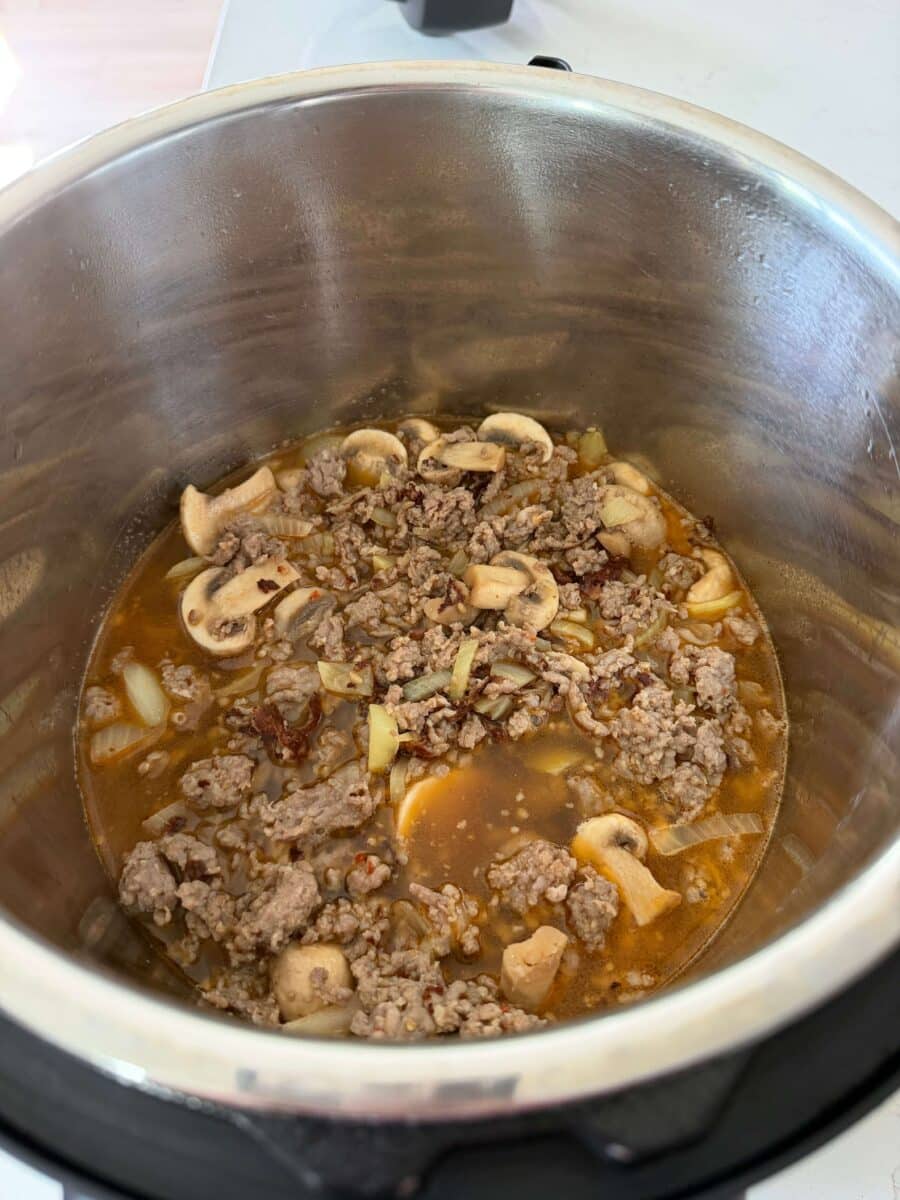
The process begins with the "Sauté" function of the Instant Pot. The Italian sausage is browned for approximately five minutes alongside diced onions and mushrooms. This step is critical for fat rendering and developing the foundational flavors. Following the browning, the removal of excess grease is recommended to prevent the final dish from becoming overly oily. The introduction of beef broth marks the deglazing phase, where browned bits (fond) are scraped from the bottom of the pot. This is a vital preventative measure against the "Burn" notice frequently encountered in high-starch pressure cooking.
Phase II: Layering and Pressurization
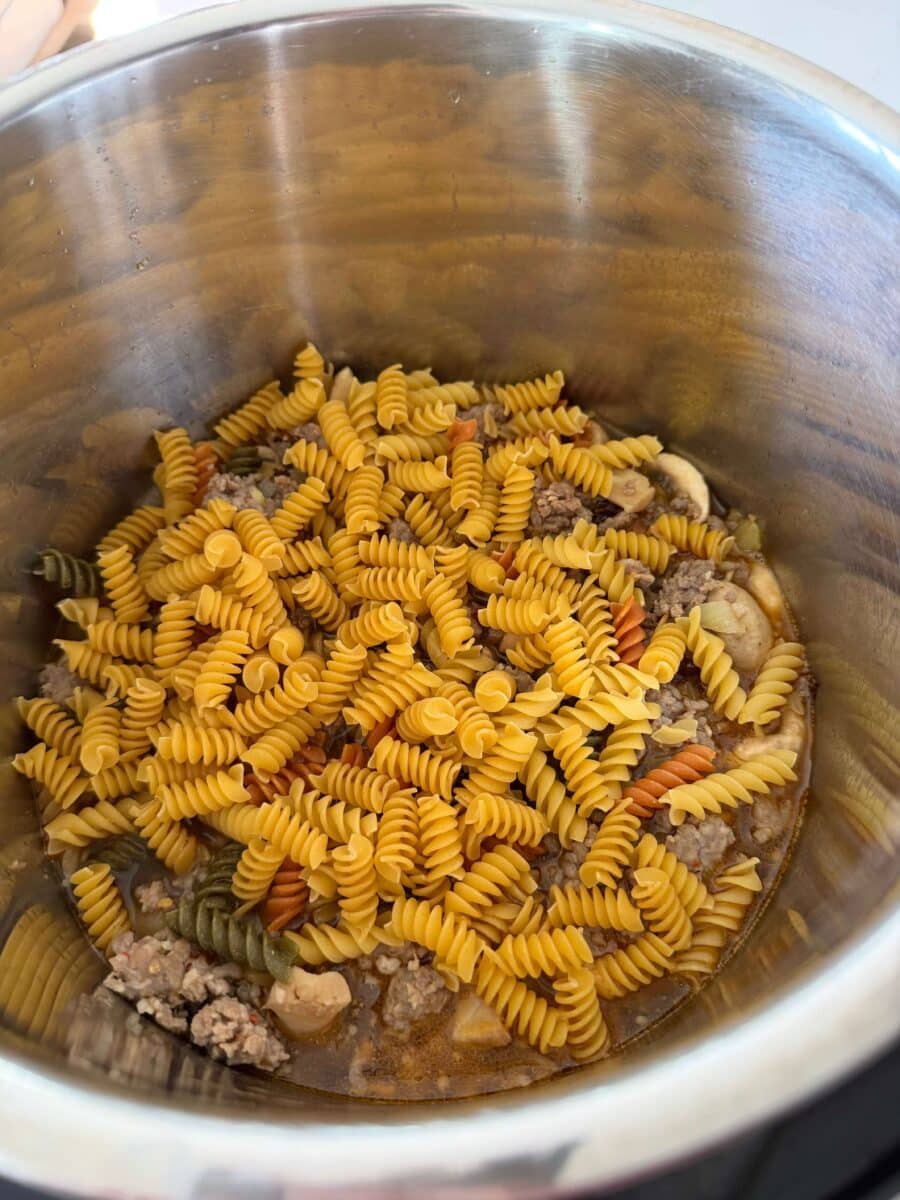
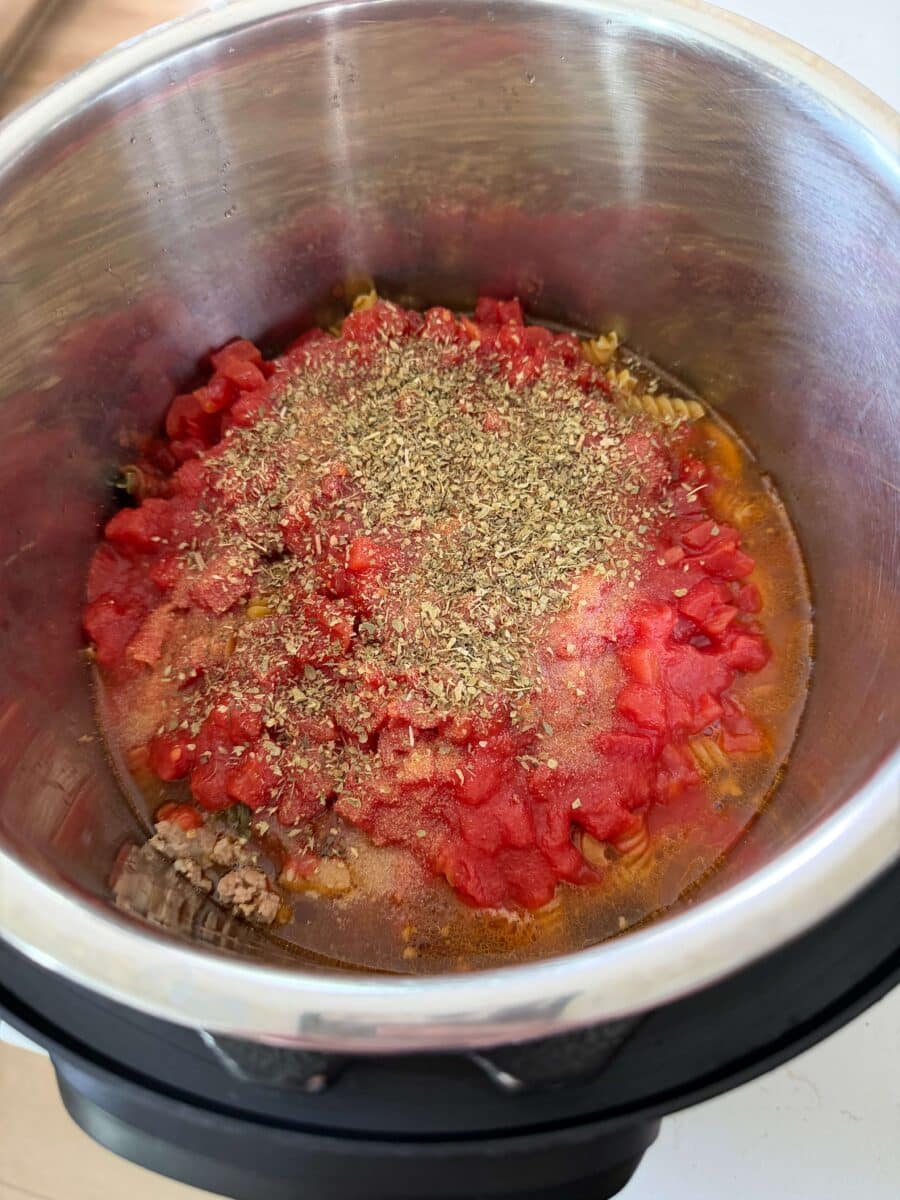
A specific layering technique is employed to manage the starch content of the rotini. The pasta is sprinkled over the broth, followed by the diced tomatoes, tomato sauce, and dry seasonings (sugar, garlic powder, and Italian seasoning). A key instruction in this phase is the "no-stir" rule. By keeping the tomato products—which are thick and contain sugars—on top of the pasta and broth, the cook ensures that the thinnest liquid remains at the bottom, in contact with the heating element. The device is then sealed and set to high pressure for a duration of three minutes.
Phase III: Natural and Manual Release
Upon completion of the pressurized cycle, a "natural release" period of five to ten minutes is observed. This allows the internal temperature to drop gradually, ensuring the pasta finishes cooking in the residual steam without becoming mushy. The remaining pressure is then manually vented.
Phase IV: Emulsification
The final stage involves the incorporation of cheese. Because the Instant Pot retains significant heat, the cheese melts rapidly into the sauce upon stirring, creating a cohesive, velvety texture that defines the modern casserole.
Culinary Science: Pressure vs. Conventional Baking
The transition of Johnny Marzetti from an oven-baked casserole to a pressure-cooked meal involves significant changes in food chemistry. In a traditional oven, moisture evaporates, concentrating flavors but often resulting in dry edges. In a pressure cooker, the boiling point of water is raised to approximately 242°F (117°C). This accelerated environment forces moisture into the center of the pasta noodles more rapidly than boiling water at sea level.
Furthermore, the "one-pot" nature of the Instant Pot method means that the starch released from the pasta during cooking remains in the sauce. In traditional cooking, pasta water is often discarded. In this version, that starch acts as a natural thickening agent, creating a "glaze" effect that binds the Italian sausage and tomato sauce to the rotini.
Economic and Societal Implications
The resurgence of dishes like Johnny Marzetti reflects current economic pressures on the average American household. According to data from the Bureau of Labor Statistics, grocery prices have seen significant fluctuations over the last 24 months. Casseroles have historically served as "stretch meals," designed to provide multiple servings from relatively inexpensive ingredients.
The use of Italian sausage in this "Ultimate" version is a calculated culinary move. While slightly more expensive than bulk ground beef, the pre-seasoned nature of the sausage reduces the need for an extensive spice cabinet, potentially lowering the overall cost per meal for the consumer. Additionally, the efficiency of the Instant Pot—which uses significantly less electricity than a conventional oven and reduces cleanup time—appeals to the "time-poverty" experienced by modern working families.
Nutritional and Dietary Flexibility
While the base recipe is calorie-dense, reflecting its origins as a hearty Midwestern meal, contemporary adaptations allow for significant nutritional modification. Dietary analysts note that the dish can be adjusted for various health requirements:

- Vegetable Enrichment: The addition of spinach, peas, zucchini, or corn can increase the micronutrient profile and fiber content.
- Low-Carb Alternatives: While the rotini is central to the traditional texture, some home cooks have experimented with lentil-based or chickpea pastas, though these require adjusted pressure-cooking times to avoid disintegration.
- Fat Reduction: Utilizing turkey sausage or lean chicken sausage can reduce the saturated fat content while maintaining the spice profile characteristic of the "Ultimate" version.
Market Trends in Multi-Cooker Adoption
The popularity of recipes such as the Ultimate Johnny Marzetti Casserole is linked to the massive market penetration of multi-cookers. Industry reports suggest that the global pressure cooker market is expected to grow at a compound annual growth rate (CAGR) of over 7% through 2030. This growth is driven by a consumer shift toward "smart" kitchen appliances that offer programmable features. The Instant Pot, specifically, has fostered a massive online ecosystem where recipes are shared and refined, leading to the "Ultimate" iterations of 20th-century classics.
Conclusion: A Staple Reimagined
The Ultimate Johnny Marzetti Casserole stands as a testament to the enduring nature of American comfort food. By integrating the historical legacy of Teresa Marzetti’s Columbus restaurant with the technical precision of modern pressure cooking, the dish remains relevant in the 21st-century kitchen. It fulfills the dual demand for high-quality flavor and logistical simplicity, proving that even the most traditional recipes can be successfully adapted for the fast-paced environment of contemporary life. As domestic cooking continues to evolve, the principles of the one-pot, high-flavor casserole are likely to remain a cornerstone of the American culinary landscape.
