
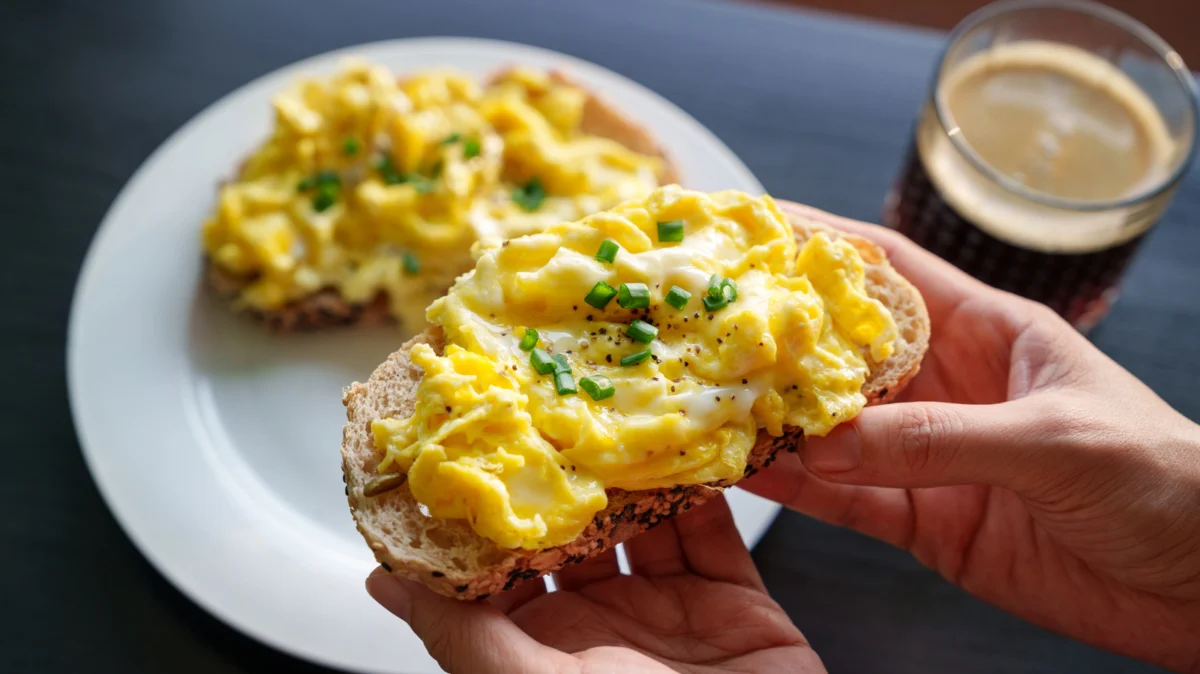
The culinary world is a vast landscape of techniques and ingredients, each capable of transforming a simple dish into an extraordinary experience. Among the most universally beloved breakfast staples, scrambled eggs, often perceived as a canvas for creativity, can be elevated with a surprisingly simple yet profoundly effective addition: vinegar. This acidic component, readily available in most kitchens, offers a dual benefit, enhancing both the texture and flavor profile of scrambled eggs, moving them beyond the ordinary into the realm of the sublime. The practice, while seemingly unconventional to some, taps into fundamental principles of culinary science, demonstrating how a judicious application of acidity can unlock new dimensions in familiar foods.
The scientific underpinnings of this technique are rooted in the protein structure of eggs. When eggs are cooked, the proteins within them coagulate and form a solid network. Introducing an acid, such as vinegar, lemon juice, or even certain fermented ingredients, can alter this process. The acidity works to tenderize the egg proteins. This means that as the eggs cook, they are less likely to become tough or rubbery. Instead, the proteins break down slightly, resulting in a more delicate and creamy texture. This phenomenon is analogous to how marinades use acid to tenderize tougher cuts of meat. In the case of scrambled eggs, this effect is more subtle but equally impactful, contributing to a luxurious mouthfeel that is often the hallmark of perfectly cooked eggs.
Beyond texture, the role of acidity in flavor enhancement is a cornerstone of gastronomic wisdom. Acids possess the ability to cut through richness, balance sweetness, and amplify other savory notes within a dish. When added to scrambled eggs, vinegar introduces a bright, zesty counterpoint that prevents the dish from becoming overly heavy or one-dimensional. This is particularly important for scrambled eggs, which can sometimes lack a distinct flavor profile on their own. The subtle tartness of the vinegar awakens the palate, making each bite more engaging and memorable. It’s a principle often employed in fine dining, where a squeeze of lemon or a drizzle of vinaigrette can lift an entire plate.
The incorporation of vinegar into scrambled eggs is not a monolithic practice; rather, it encompasses a spectrum of approaches, catering to different preferences and culinary styles. The most straightforward method involves preparing scrambled eggs according to one’s usual routine and then finishing the dish with a delicate drizzle of high-quality vinegar. This allows the vinegar’s flavor to be a distinct, bright accent rather than being fully integrated. The choice of vinegar here can be significant; a mild white wine vinegar or apple cider vinegar might offer a gentle tang, while a more robust balsamic or sherry vinegar could introduce deeper, more complex notes.
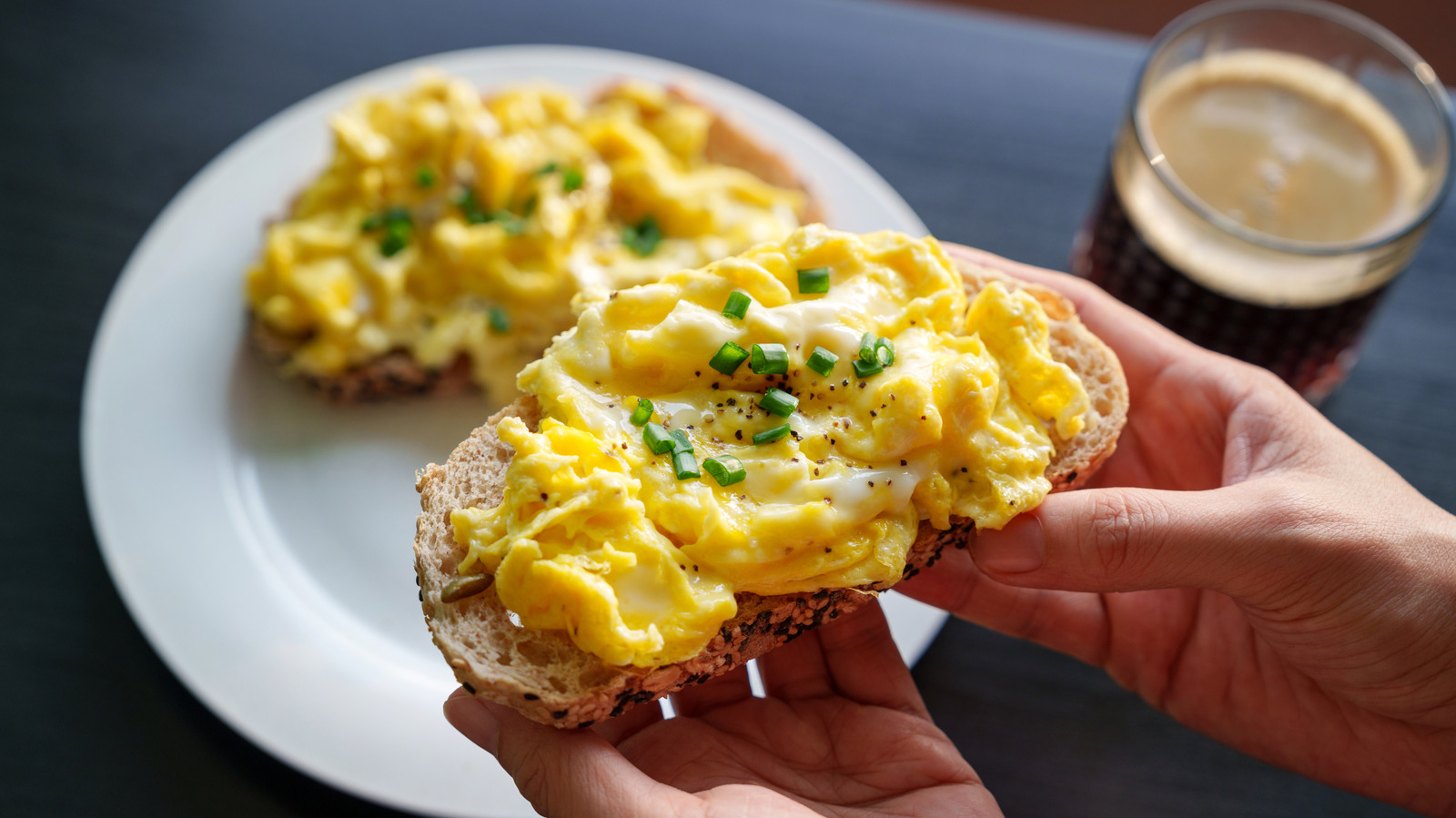
Alternatively, some recipes advocate for the integration of vinegar during the cooking process. This approach allows the acidity to work its magic on the egg proteins more thoroughly, contributing to a more uniform tenderness throughout the scramble. The quantity of vinegar is crucial; an overabundance can lead to an unpleasantly sour outcome, while a judicious amount – often just a teaspoon or two per couple of eggs – is sufficient to achieve the desired effect without overwhelming the inherent flavor of the eggs.
The culinary landscape is rich with examples where acidity plays a pivotal role in transforming simple ingredients. The exploration of different applications of acid in scrambled eggs reveals a fascinating interplay between global culinary traditions and individual chef innovations. Nigella Lawson, a celebrated culinary figure, exemplifies this by incorporating acidic elements into her Mexican-inspired scrambled eggs. Her approach often involves the use of tomatoes and fresh pico de gallo, both of which contribute a natural acidity that brightens the dish and adds layers of flavor complexity. This method highlights how naturally occurring acids in produce can achieve similar textural and flavor benefits to added vinegars.
Expanding on this, some recipes propose a more elaborate integration of vinegar, creating a flavorful sauce to be stir-fried with the scrambled eggs. Such a sauce might feature a combination of chopped chili, minced garlic, vinegar, light soy sauce, pepper, and sesame oil. When the eggs are scrambled and then briefly cooked with this vibrant mixture, the resulting dish achieves a remarkable depth of flavor. The umami-rich soy sauce, coupled with the sharp brightness of the vinegar and the aromatic notes of garlic and chili, creates a symphony of tastes that elevates scrambled eggs from a humble breakfast to a more sophisticated culinary creation. This fusion of techniques draws inspiration from Asian culinary traditions, where the balance of sweet, sour, salty, and spicy is paramount.
The celebrated Italian chef Massimo Bottura offers another perspective on utilizing acidity for elevated scrambled eggs, specifically championing balsamic vinegar. Bottura’s innovative approach goes beyond a simple finishing drizzle. He suggests not only adding a splash of aged balsamic vinegar but also incorporating onions that have been slow-cooked in a younger balsamic vinegar. This dual application of balsamic vinegar intensifies the tangy notes and adds a caramelized sweetness from the cooked onions, creating a dish that is both complex and harmonious. This technique demonstrates a sophisticated understanding of how different types of vinegars, with their varying aging processes and flavor profiles, can be strategically employed to achieve distinct culinary outcomes.
The concept of introducing acidity to scrambled eggs can also extend beyond traditional vinegars and citrus. For those with an adventurous palate, ingredients like kimchi offer a unique avenue for flavor exploration. Kimchi, a staple of Korean cuisine, is a fermented dish, typically made from cabbage and a variety of seasonings. Its characteristic tangy, spicy, and slightly sour profile can provide an extraordinary flavor upgrade to both omelets and, by extension, scrambled eggs. The fermented nature of kimchi introduces a depth of flavor and a complex acidity that can transform a simple egg dish into something truly remarkable. This demonstrates the versatility of acidic ingredients, showcasing how fermentation can unlock a potent and desirable tanginess that complements the richness of eggs.
The global prevalence of dishes that benefit from acidity underscores its fundamental importance in cooking. From the ceviche of South America, where lime juice "cooks" fish, to the vinaigrettes that dress countless salads, the application of acid is a near-universal culinary practice. In the context of scrambled eggs, this principle translates into a simple yet powerful way to enhance a familiar dish. The trend towards incorporating more nuanced flavors and textures into everyday meals has led home cooks and professional chefs alike to re-examine classic preparations. The addition of vinegar to scrambled eggs can be seen as part of this broader culinary evolution, where attention to detail and the thoughtful application of ingredients yield superior results.
The widespread availability of diverse vinegars and acidic ingredients further democratizes this culinary enhancement. Whether one prefers the mild fruitiness of apple cider vinegar, the sharp tang of red wine vinegar, the subtle sweetness of balsamic, or the fermented complexity of kimchi brine, there is an acidic component to suit nearly every preference. This accessibility means that the pursuit of perfectly textured and exceptionally flavorful scrambled eggs is within reach for almost anyone. The key lies in understanding the fundamental principles at play and being willing to experiment with different applications and ingredients.
In conclusion, the simple act of adding a splash of vinegar to scrambled eggs is far more than a culinary fad; it is a scientifically supported technique that leverages the power of acidity to improve both texture and taste. By tenderizing proteins and balancing richness, vinegar transforms a humble breakfast into a dish of remarkable creaminess and vibrant flavor. The diverse approaches to incorporating this acidic element, from a finishing drizzle to a complex stir-fry sauce, offer a testament to its versatility. As culinary enthusiasts continue to seek ways to elevate their everyday meals, the humble vinegar stands as a potent, accessible, and remarkably effective tool for unlocking the full potential of scrambled eggs. The implications for home cooks are significant: a readily available ingredient can dramatically improve a common dish, offering a gateway to more sophisticated flavor profiles and textures without requiring extensive culinary training or specialized equipment. This technique serves as a powerful reminder that sometimes, the most profound culinary improvements come from the most unexpected and simple additions.
