
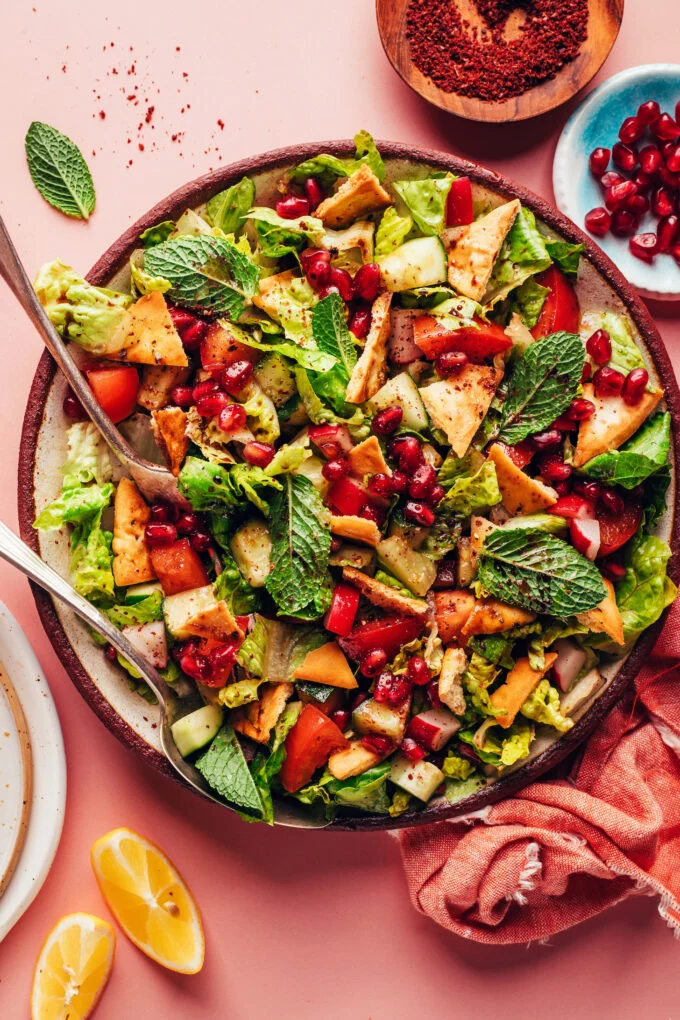
The culinary landscape continues to evolve, adapting traditional dishes to suit contemporary lifestyles, and the recent introduction of a "weeknight-friendly" Fattoush salad recipe exemplifies this trend. This streamlined version, designed for preparation in a single bowl within approximately 20 minutes, offers a modern take on the classic Levantine staple, promising both convenience and authentic flavor. The recipe highlights fresh, crunchy vegetables, a vibrant pomegranate dressing, aromatic mint leaves, crispy pita chips, and a garnish of pomegranate arils, positioning it as a versatile addition to modern meal planning.
Understanding Fattoush: A Culinary Legacy from the Levant
To fully appreciate this contemporary adaptation, it is essential to delve into the rich history and cultural significance of Fattoush. Originating from the Levant region – an area encompassing countries like Lebanon, Syria, Jordan, Palestine, and parts of Turkey – Fattoush is more than just a salad; it is a testament to the region’s resourceful culinary traditions. Historically, Fattoush emerged as a peasant dish, born from the necessity to utilize stale flatbread, particularly pita, by toasting or frying it and incorporating it into a refreshing salad of seasonal vegetables. This practice not only prevented food waste but also added a unique textural element that defines the salad.
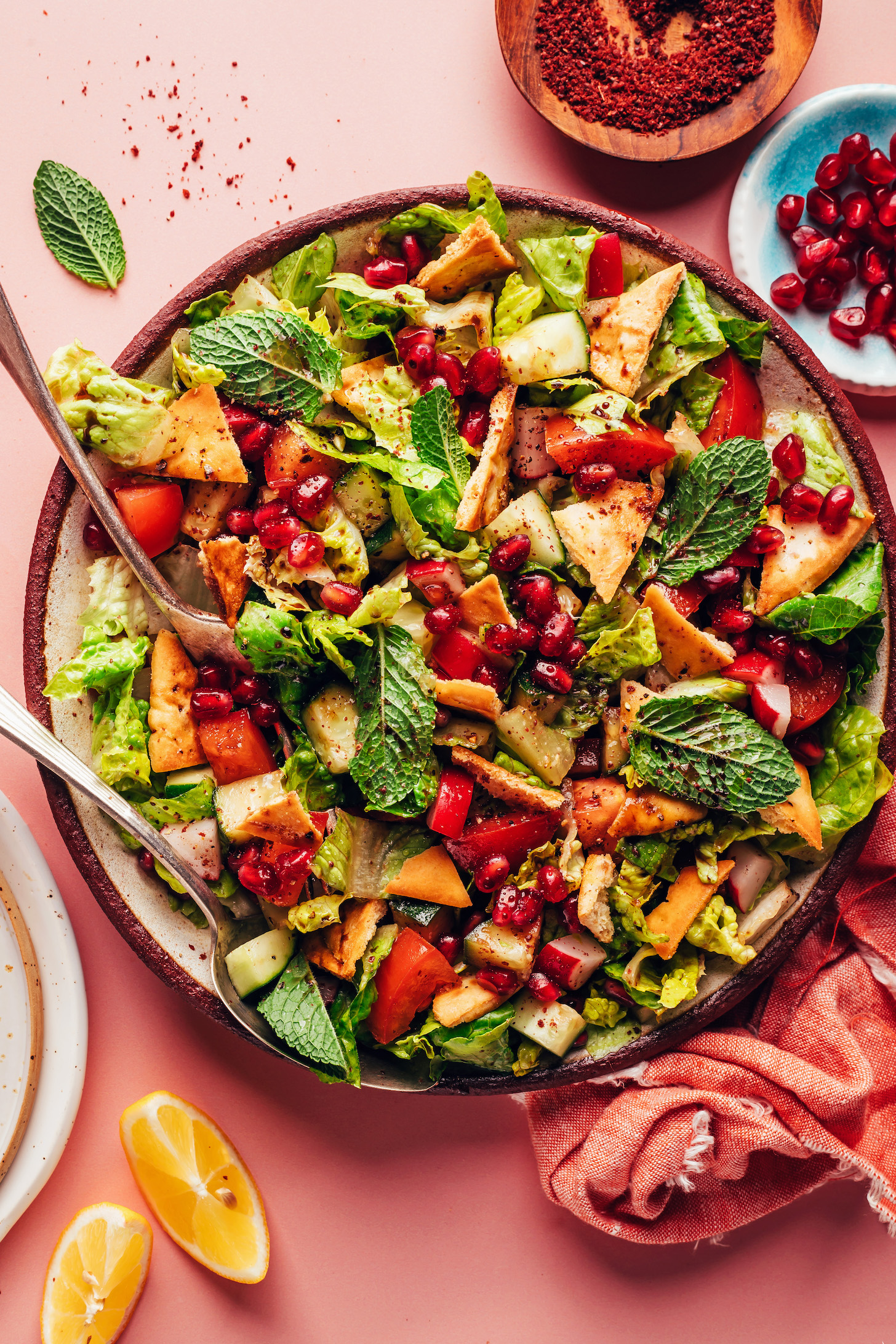
The core components of traditional Fattoush typically include a medley of chopped fresh vegetables such as romaine lettuce, tomatoes, cucumbers, radishes, and bell peppers. Fresh herbs like parsley and mint are indispensable, contributing to its vibrant aroma and taste. The distinctive dressing is often a blend of olive oil, lemon juice, and a crucial spice called sumac. Sumac, derived from the dried and ground berries of the sumac plant, imparts a tart, slightly fruity flavor that is characteristic of Middle Eastern cuisine. Another common ingredient, pomegranate molasses, adds a sweet-tart depth, enriching the dressing and complementing the freshness of the vegetables. The toasted or fried pita bread, known as khubz, is traditionally torn into pieces and mixed into the salad just before serving, ensuring its crunchiness.
The Modern Adaptation: Convenience Meets Tradition
The newly introduced recipe aims to capture the essence of traditional Fattoush while significantly reducing preparation time and complexity. Its designation as a "1-bowl, 20-minute" dish directly addresses the demands of busy individuals seeking healthy, flavorful meals without extensive culinary effort. This particular adaptation focuses on a base of fresh chopped romaine lettuce, valued for its crisp texture and neutral flavor, which serves as an ideal canvas for the other ingredients.
Accompanying the romaine are an array of fresh, crunchy vegetables: cucumber, tomato, and radish. The emphasis on seasonal, high-quality produce is highlighted, suggesting that the flavor profile is significantly enhanced by the freshness of these components. While specific varieties like Persian or Lebanese cucumbers are recommended for their superior flavor, the recipe acknowledges the adaptability of other cucumber types, even suggesting peeling and deseeding for optimal texture. This flexibility underscores the recipe’s weeknight-friendly ethos.
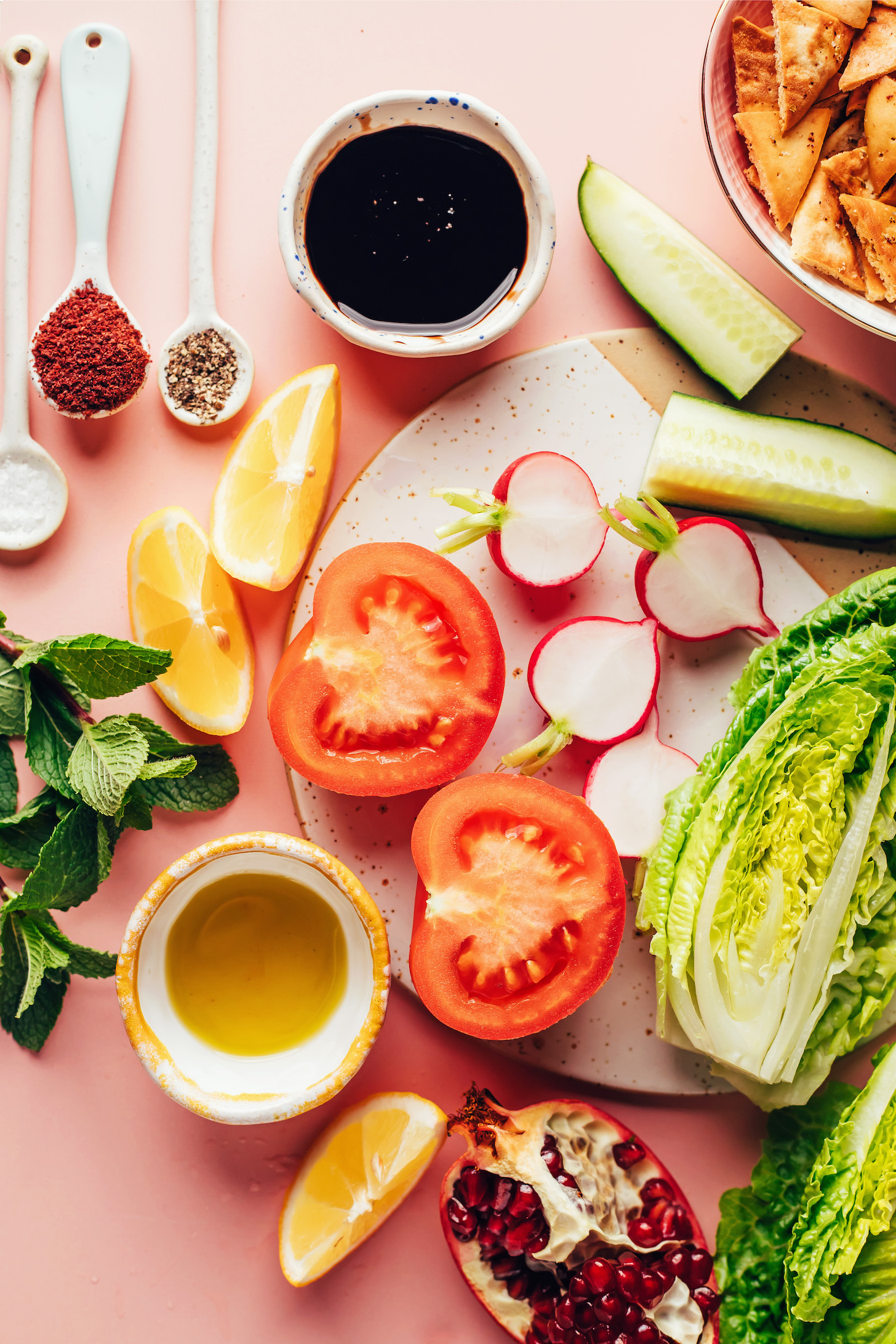
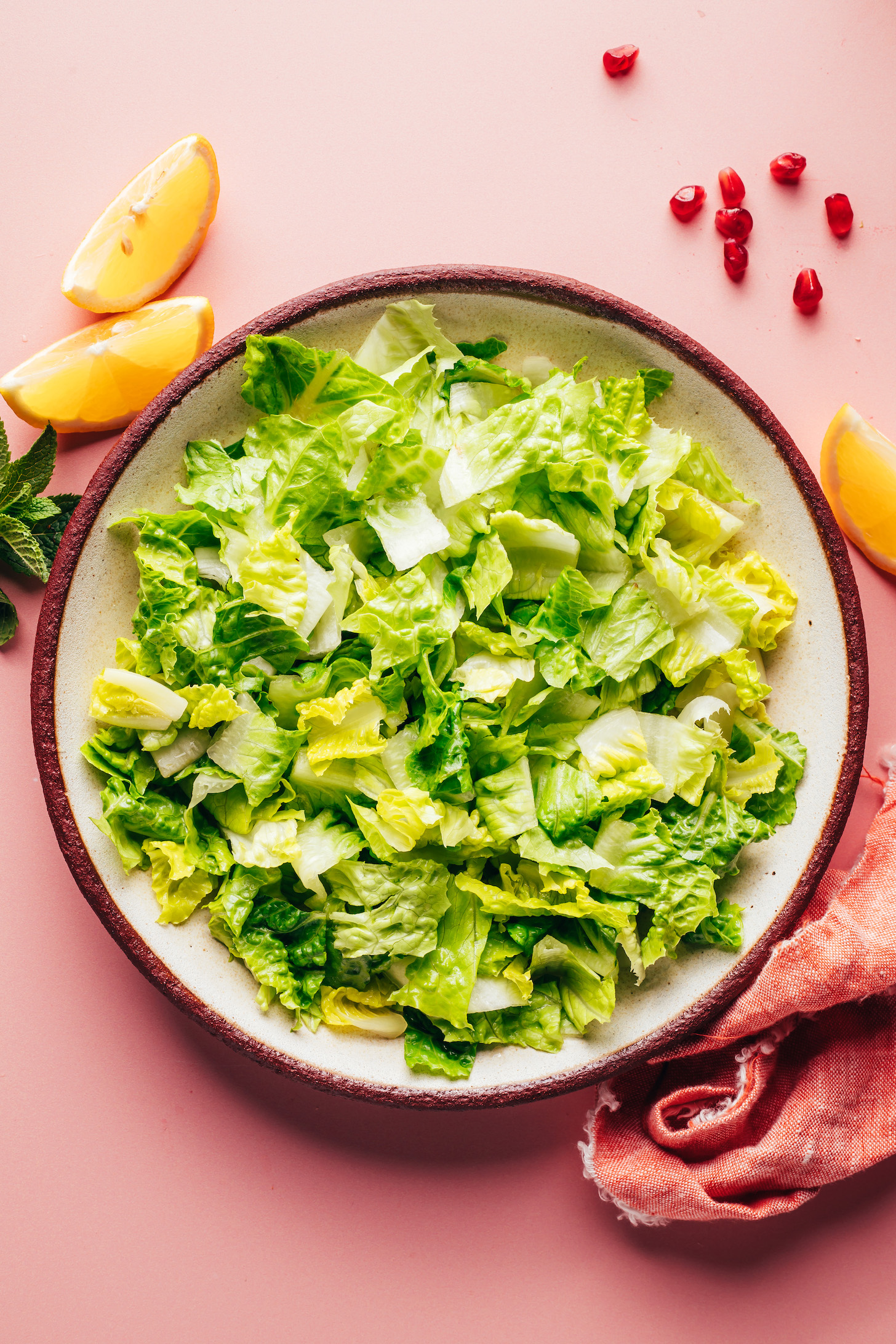
A key innovation in this simplified version lies in its "no-mix dressing." Instead of preparing a separate dressing, the ingredients – lemon juice, pomegranate molasses, sumac, salt, and pepper – are tossed directly with the lettuce and vegetables. This method streamlines the process, infusing the salad with the classic bright, bold, and pleasantly sour flavors of Fattoush. The inclusion of optional maple syrup and olive oil further allows for customization, balancing the tartness of the pomegranate molasses according to individual preference. This direct-toss technique eliminates an extra step, aligning perfectly with the recipe’s quick-prep promise.
The final touches, fresh mint leaves, pita chips, and pomegranate arils, are crucial for both aesthetic appeal and flavor complexity. Keeping the mint leaves whole not only enhances visual presentation but also ensures bursts of concentrated herby freshness with each bite. While the recipe suggests using store-bought pita chips for ultimate convenience, it also provides instructions for making homemade chips from day-old flatbread or pita bread, reflecting a nod to the traditional practice of utilizing leftover bread. This optional step, involving olive oil, dried oregano, ground sumac, and sea salt, allows for a more rustic and customized crunch.
Nutritional Profile and Health Implications
Fattoush, in its traditional and modern forms, aligns closely with the principles of the Mediterranean diet, widely recognized for its numerous health benefits. The presented recipe, with a serving size of one side portion, offers a compelling nutritional profile. An estimated 127 calories per serving, along with 21.6 grams of carbohydrates, 2.8 grams of protein, and 4.1 grams of fat (including 0.4 grams of saturated fat), positions it as a light yet satisfying component of a meal.
Crucially, the salad boasts 4 grams of fiber, contributing significantly to digestive health and satiety. The presence of fresh vegetables like romaine, cucumber, tomato, and radish ensures a rich intake of vitamins and minerals. Romaine lettuce, for instance, is a good source of Vitamin A (562 IU) and Vitamin C (14 mg), both vital antioxidants supporting immune function and skin health. Calcium (63 mg) and Iron (1.8 mg) are also present, contributing to bone health and oxygen transport, respectively.
The inclusion of sumac is particularly noteworthy. Beyond its distinctive flavor, sumac has been studied for its potential antioxidant and anti-inflammatory properties, attributed to its high concentration of phenolic compounds. Pomegranate molasses, while contributing to the sugar content (7.5 grams), also brings the antioxidant benefits of pomegranates, known for their ellagitannins and anthocyanins. For those seeking to further enhance the meal’s protein content and make it a standalone dish, the suggestion to add chickpeas is an excellent nutritional enhancement, transforming it into a complete plant-based meal.
Broader Impact and Culinary Trends
The emergence of simplified recipes like this "Easy Fattoush Salad" reflects several significant shifts in contemporary culinary culture.
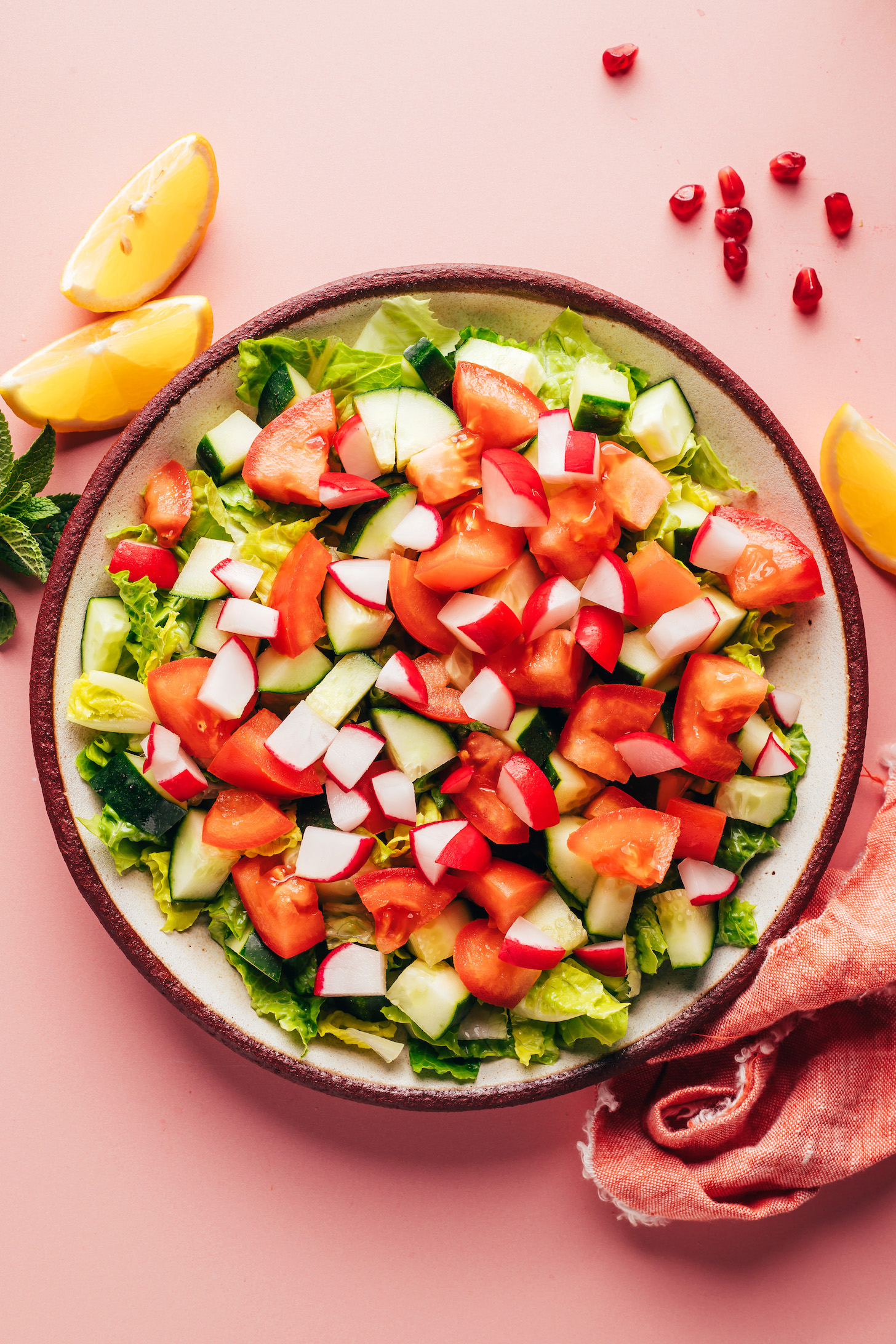
1. The Rise of Weeknight Cooking: With increasingly demanding schedules, consumers are prioritizing speed and ease in meal preparation. Recipes that promise quick turnaround times, minimal cleanup (like "1-bowl" concepts), and readily available ingredients are gaining immense popularity. This trend is supported by data indicating a growing consumer preference for home-cooked meals that are both healthy and convenient. According to a 2022 survey by the Food Industry Association (FMI), 52% of consumers reported cooking more at home, with convenience being a primary driver.
2. Mainstreaming of Global Cuisines: The recipe also highlights the ongoing globalization of food. Dishes once confined to specific cultural contexts are now being adapted and embraced by a wider international audience. This Fattoush recipe serves as an accessible entry point to Levantine cuisine for those unfamiliar with its traditional preparations, fostering cultural exchange through food. This trend has been amplified by social media and food blogs, which rapidly disseminate recipes and culinary ideas across borders.
3. Emphasis on Plant-Based and Healthy Eating: The inherent plant-forward nature of Fattoush aligns perfectly with the burgeoning interest in vegetarian, vegan, and flexitarian diets. As consumers become more health-conscious and environmentally aware, recipes that prominently feature fresh vegetables and plant-based proteins (like the optional chickpeas) are highly sought after. The Mediterranean diet, with its emphasis on whole grains, legumes, fruits, vegetables, and healthy fats, consistently ranks as one of the healthiest dietary patterns, further boosting the appeal of dishes like Fattoush.
4. Food Waste Reduction: The traditional use of stale bread in Fattoush provides an example of resourceful cooking, a principle that resonates with modern efforts to reduce food waste. While the adapted recipe suggests store-bought pita chips for convenience, the option to make homemade chips from day-old pita encourages a similar approach to minimizing waste.
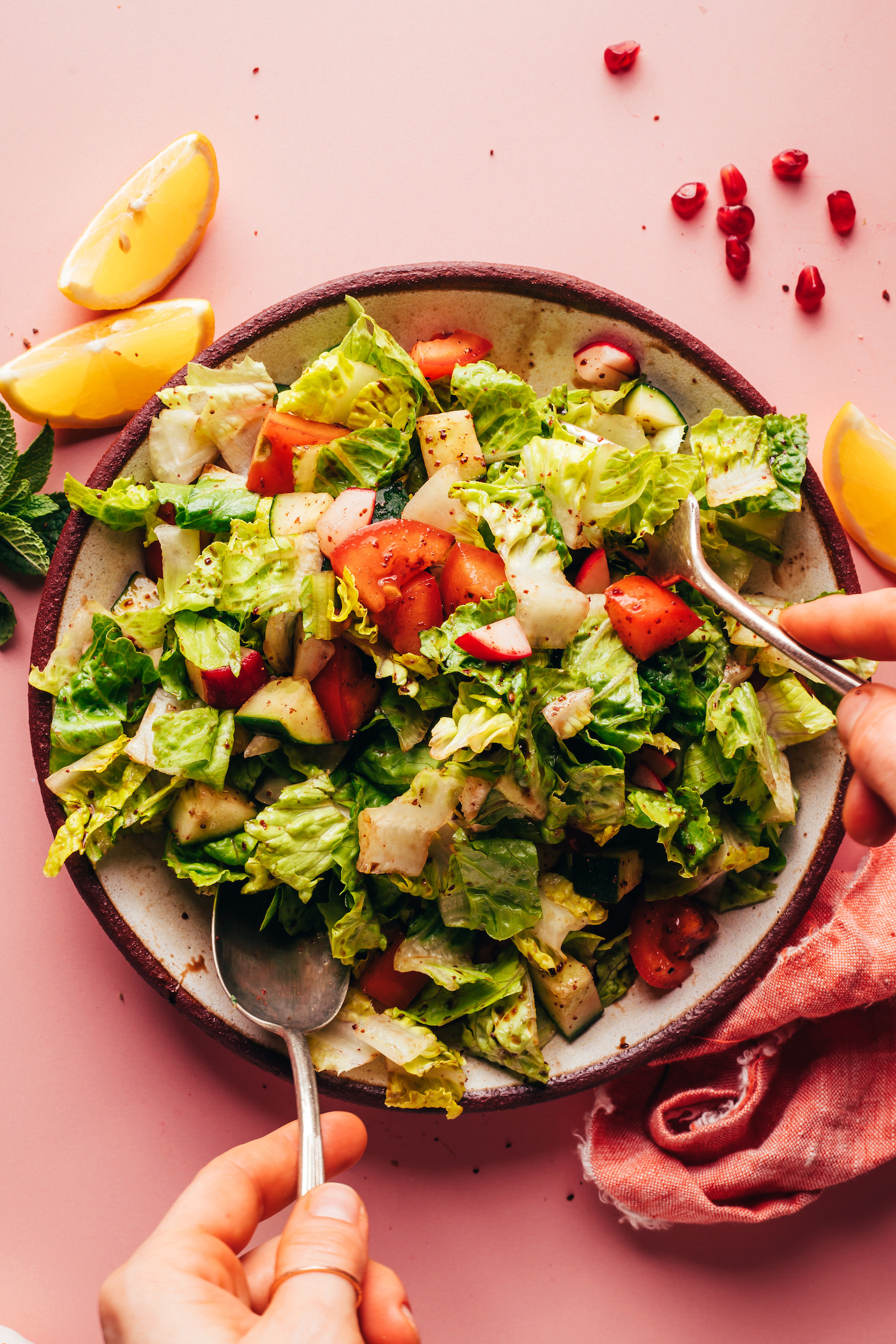
Expert Commentary and Future Implications
Culinary experts often note that the evolution of traditional dishes is a natural process, reflecting societal changes and technological advancements. Dr. Aisha Khan, a food historian specializing in Middle Eastern cuisine, states, "The simplification of classic recipes like Fattoush is not a dilution of culture, but rather an adaptation that ensures its continued relevance and accessibility in a fast-paced world. It allows new generations and diverse audiences to connect with these culinary heritage dishes."
Nutritionists, on the other hand, laud the emphasis on fresh ingredients and the inherent health benefits. Sarah Chen, a registered dietitian, comments, "Recipes like the Easy Fattoush Salad are crucial for promoting healthy eating habits. They demonstrate that nutritious meals don’t have to be complicated or time-consuming, making it easier for individuals to incorporate a greater variety of vegetables and beneficial spices into their diets."
The implications of such accessible recipes extend beyond individual kitchens. They contribute to a broader educational effort, introducing diverse flavors and ingredients to new audiences. This can stimulate demand for specialty products like sumac and pomegranate molasses, impacting agricultural and import markets. Furthermore, by providing quick and healthy options, these recipes empower consumers to make more informed dietary choices, potentially leading to improved public health outcomes.
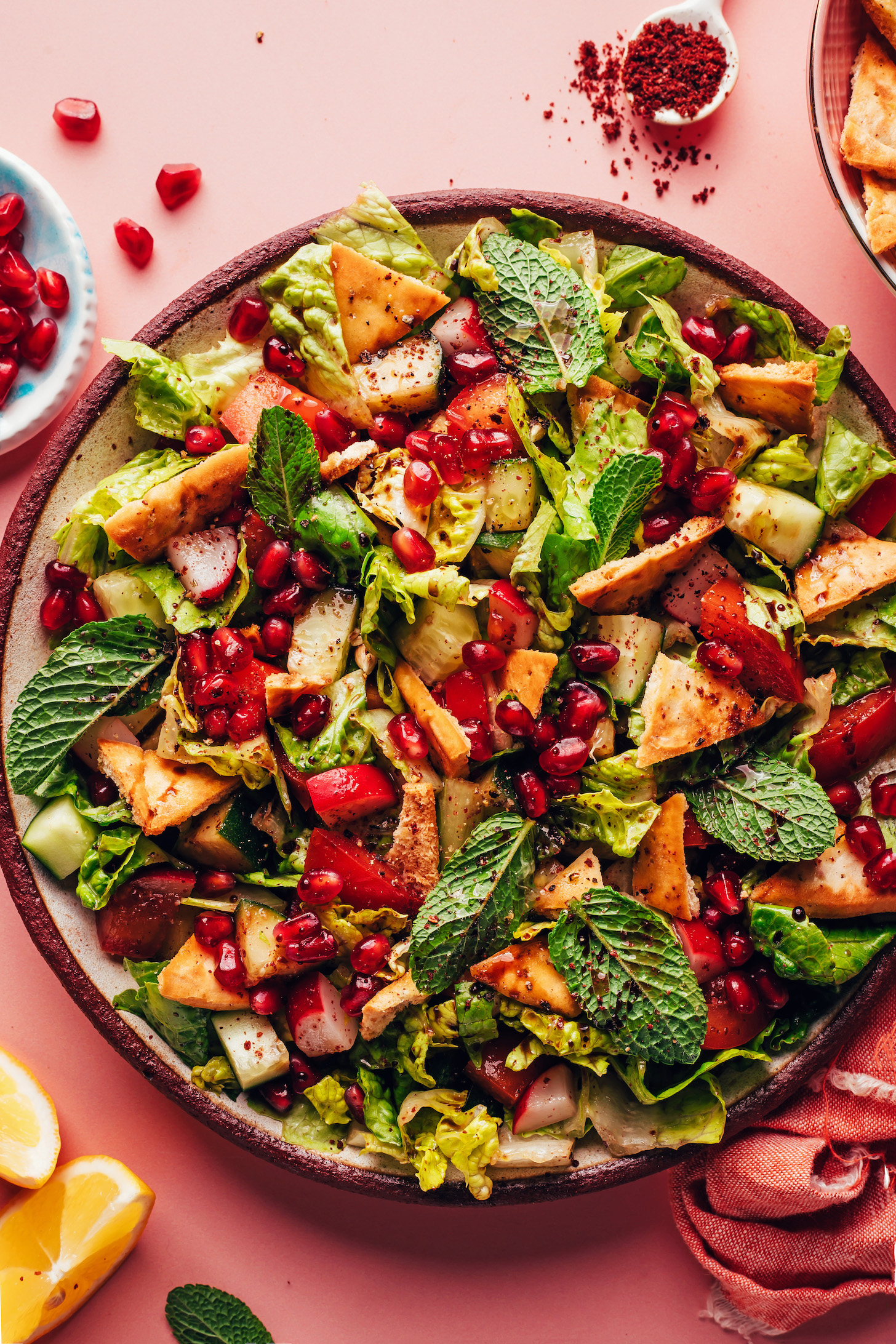
In conclusion, the "Easy Fattoush Salad (1 Bowl!)" recipe, while seemingly a simple culinary instruction, represents a significant confluence of contemporary food trends. It encapsulates the desire for convenience, health, cultural exploration, and sustainability in modern eating. By reinterpreting a historical Levantine classic, it not only offers a delicious and nutritious meal solution but also serves as a compelling example of how culinary traditions continue to adapt and thrive in an ever-changing world. The continued development and popularization of such recipes are poised to shape the future of home cooking, making diverse and healthy eating more attainable for everyone.
