
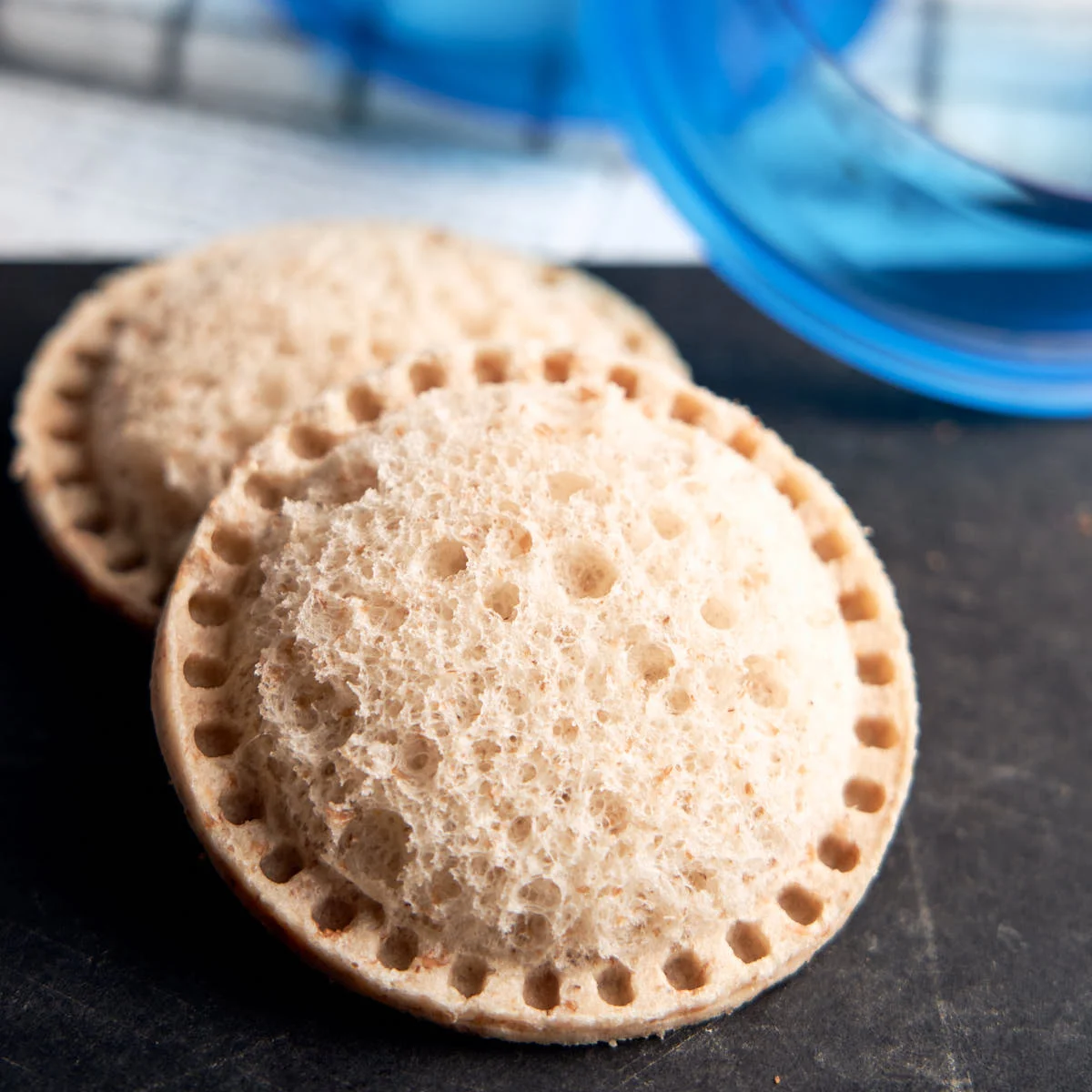
The simple joy of a peanut butter and honey sandwich, a staple for generations, has been reimagined and revitalized through the growing trend of homemade Uncrustables. This beloved treat, once solely a convenience item found in grocery store freezers, is now being recreated in kitchens across the nation, offering a healthier, more economical, and environmentally conscious alternative. The movement toward DIY versions of popular packaged goods highlights a broader shift in consumer preferences, emphasizing ingredient control, cost savings, and a desire to reduce household waste.
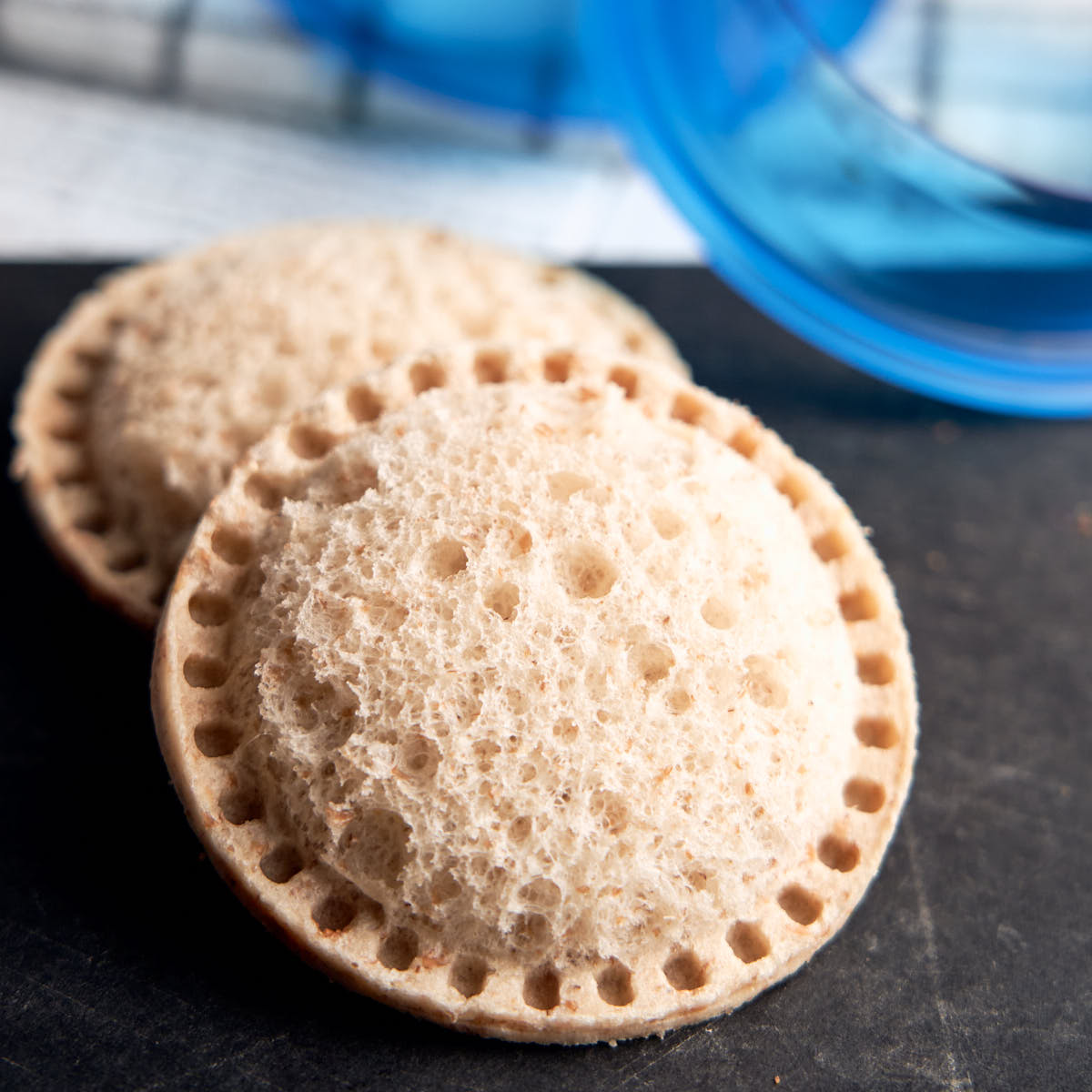
The appeal of the Uncrustable, with its crustless edges and perfectly sealed filling, lies in its child-friendly design and on-the-go convenience. However, the rise of the "Uncrustable maker," a specialized sandwich cutter and sealer, has democratized this experience, allowing families to replicate the iconic snack with a personal touch. The core ingredients—peanut butter, honey, and bread—are universally accessible, but the homemade approach unlocks significant advantages.
The Case for Homemade: Health, Cost, and Sustainability
The primary driver behind the surge in homemade Uncrustables is the ability to meticulously control ingredients. Store-bought versions, while convenient, often contain added sugars and preservatives. A closer examination of commercial Uncrustables reveals that sugar is frequently listed as a primary ingredient in both the peanut butter spread and the "honey spread." This can be a concern for parents aiming to limit their children’s sugar intake.
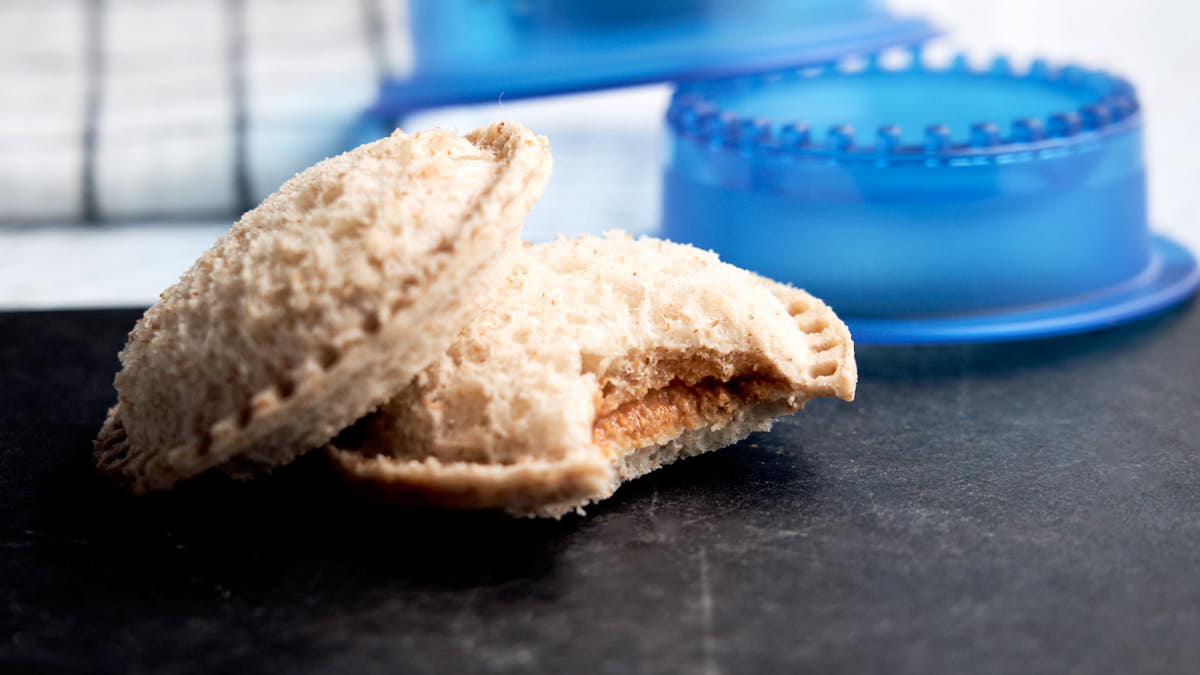
By contrast, homemade Uncrustables allow for the selection of natural peanut butter, ideally one with no added sugar, and pure honey. This conscious choice not only aligns with healthier eating habits but also provides a more authentic honey flavor. The financial benefits are also substantial. The cost per sandwich when made at home is significantly lower than purchasing pre-packaged options, especially when accounting for bulk ingredient purchases. For families with school-aged children who consume multiple sandwiches per week, these savings can accumulate rapidly over the academic year.
Furthermore, the environmental impact of store-bought Uncrustables, encased in individual plastic packaging and frozen, is a growing concern. The DIY approach drastically reduces plastic waste, as sandwiches can be prepared in batches and stored in reusable containers. This aligns with a broader societal movement towards sustainable living and reducing a household’s carbon footprint.
A Culinary Tradition Reimagined
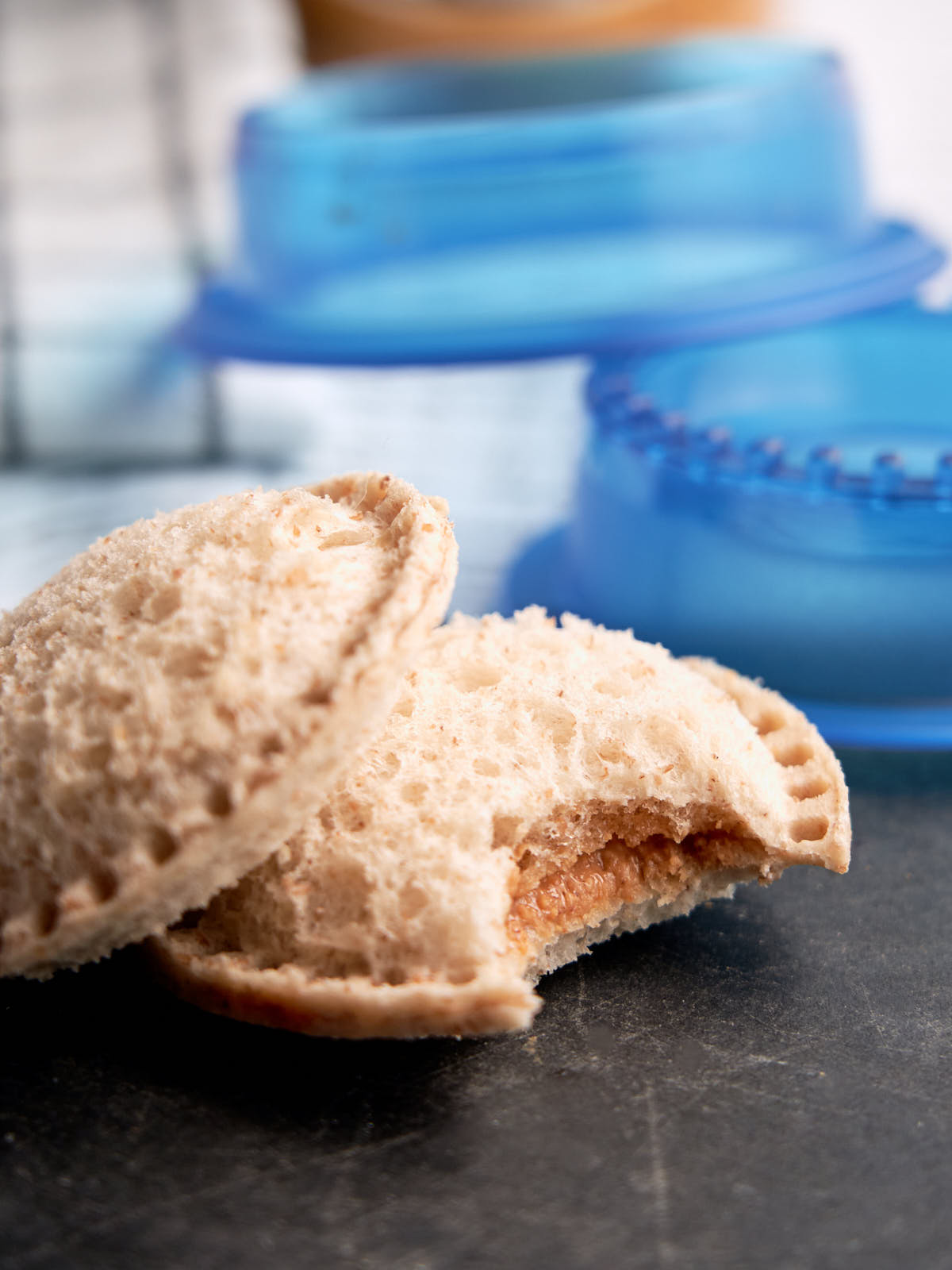
The popularity of the Uncrustable maker, often purchased online through platforms like Amazon, underscores the ingenuity of home cooks seeking to replicate familiar favorites. These tools typically feature a circular cutter and a sealing mechanism that crimps the edges of two slices of bread together, creating the signature sealed pocket. While various designs exist, many aim to mimic the classic Smucker’s Uncrustables edge, ensuring a nostalgic and recognizable final product.
The process itself has become a family activity, fostering engagement in the kitchen. The act of spreading the fillings, pressing the maker, and cutting the sandwich provides a hands-on experience for children, teaching them basic culinary skills and the value of preparing their own food. This participatory aspect transforms a simple snack into an educational and bonding opportunity.
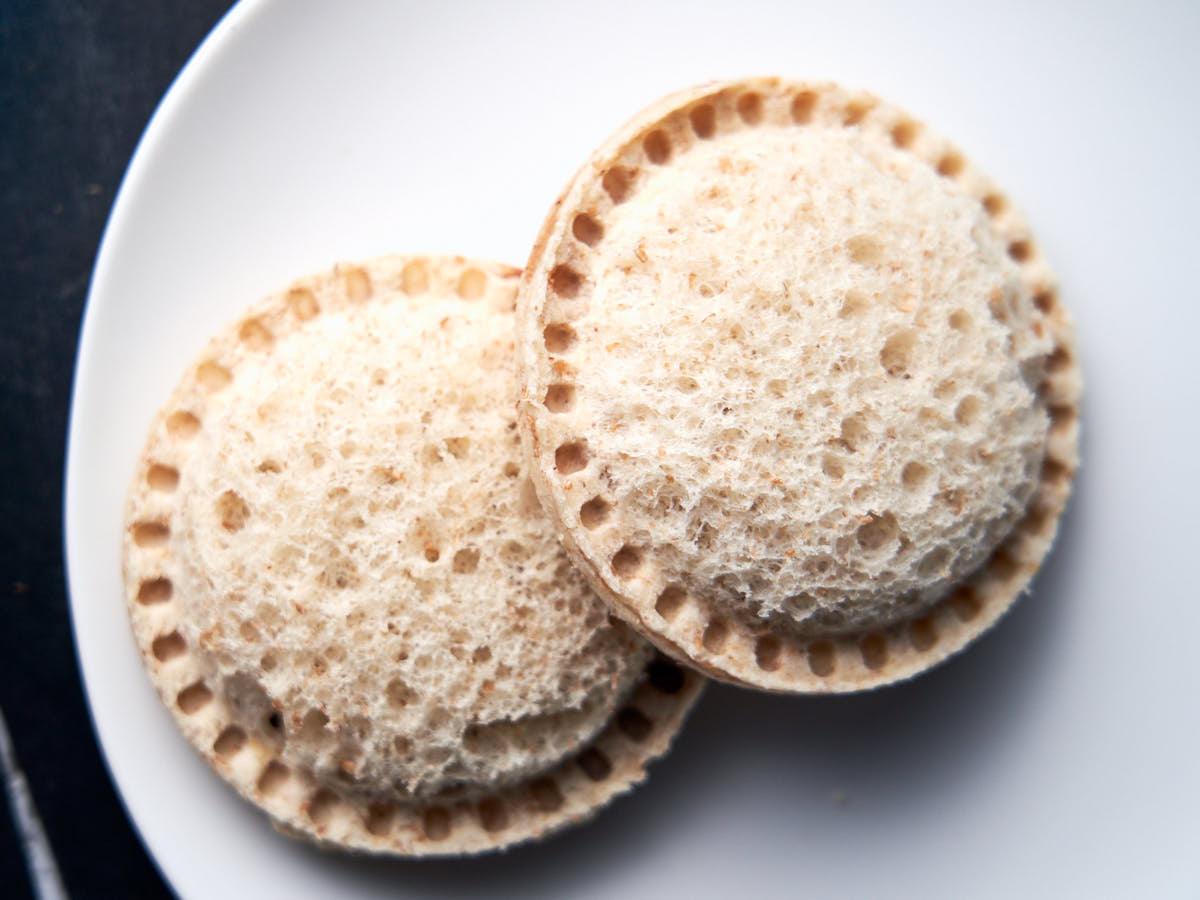
Addressing the "Crust Question": Minimizing Food Waste
A common question that arises with the creation of crustless sandwiches is the fate of the bread crusts. Rather than discarding these edible portions, resourceful home cooks have devised several creative solutions to prevent food waste.
One popular method is to transform the crusts into homemade croutons. By pan-frying them in olive oil or butter and seasoning with herbs and spices—such as garlic powder, onion powder, or even a touch of paprika for a subtle kick—families can create a flavorful and crunchy snack or a savory addition to soups and salads. The crusts can also be toasted and then pulverized in a food processor or blender to create breadcrumbs, useful for a variety of cooking applications. For those in a hurry or preparing a single sandwich, the crusts can simply be eaten as a snack, providing a satisfying and nutritious component of the meal. This focus on utilizing all parts of the ingredients reflects a growing awareness of food sustainability within households.
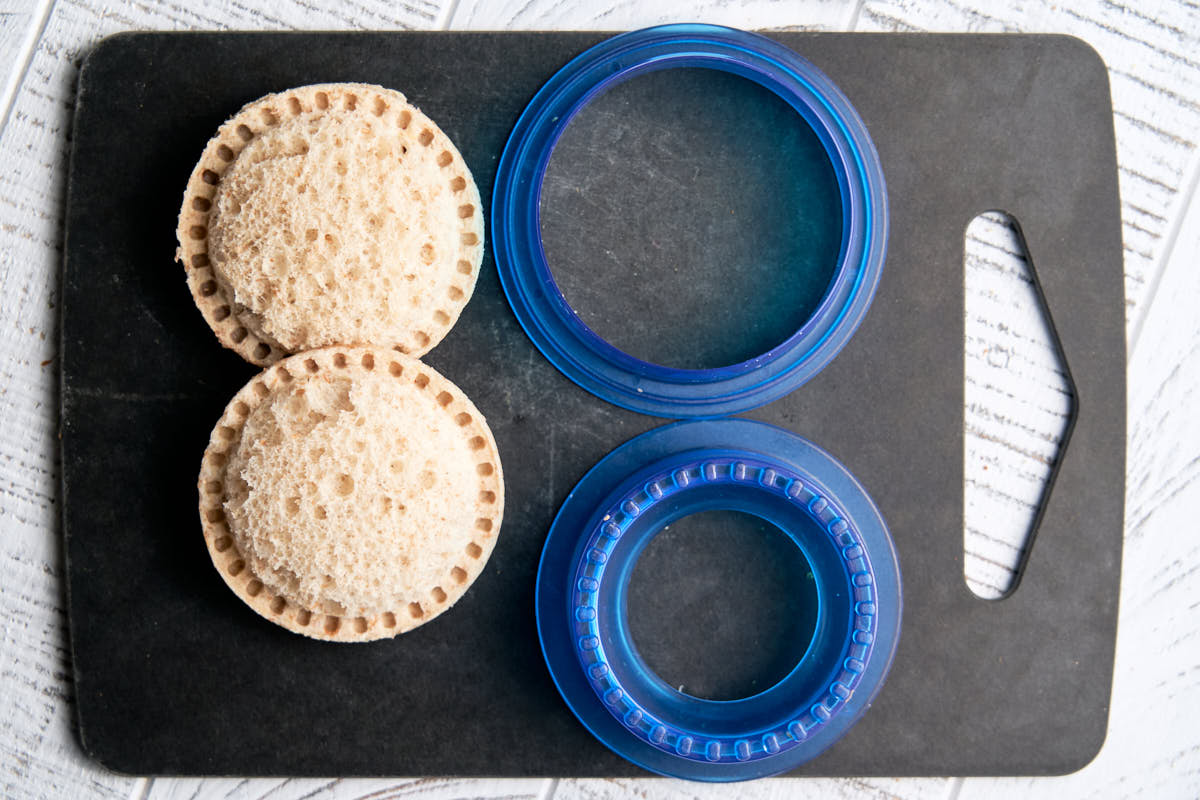
The Evolution of Convenience Foods
The trend of recreating convenience foods at home is not new, but it has gained significant momentum in recent years, fueled by increased awareness of ingredient transparency and a desire for healthier lifestyles. The homemade Uncrustable movement is a microcosm of this broader shift, demonstrating that beloved, processed snacks can be effectively and beneficially replicated in a home kitchen.
The availability of specialized tools like the Uncrustable maker has played a crucial role in this trend, making complex-looking homemade items more accessible. As consumers continue to seek greater control over their diets and a reduced environmental impact, the popularity of DIY versions of packaged favorites is likely to persist and expand into other food categories. The simple peanut butter and honey Uncrustable, once a symbol of modern convenience, has now become a testament to the enduring power of home cooking and conscious consumption.
