
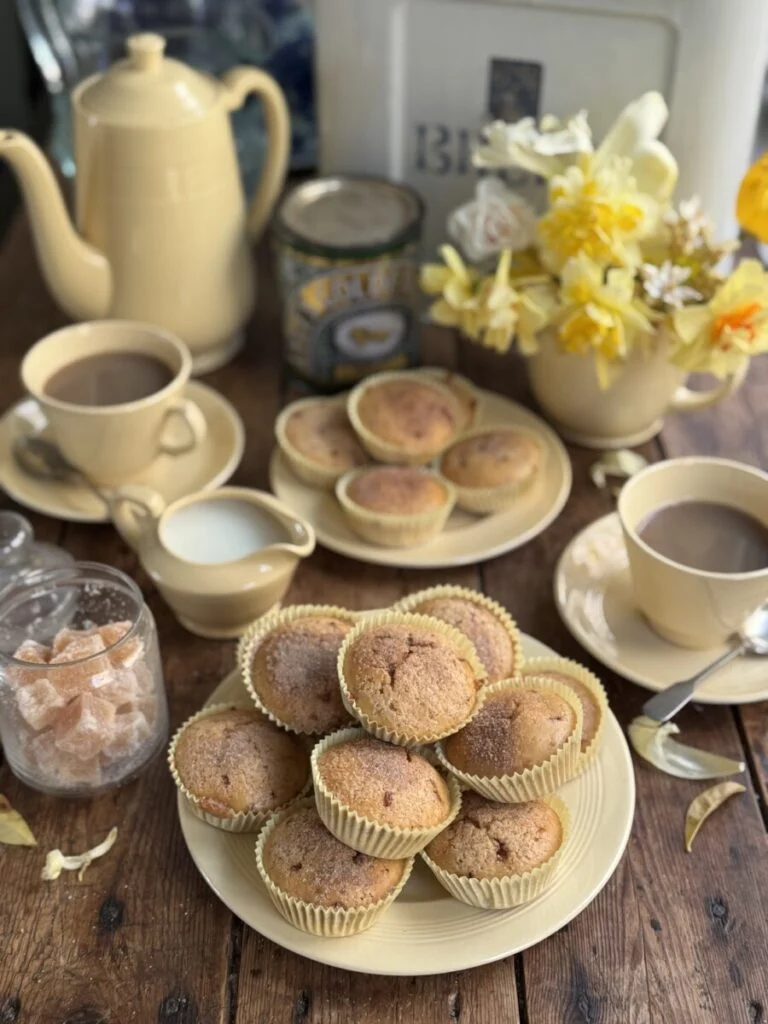
On April 25, 2026, a culinary journey through time was marked by the revival of a cherished 100-year-old recipe for Afternoon Tea Cakes with Golden Syrup. Food writer Karen Burns-Booth, known for her dedication to preserving gastronomic heritage through her platform Lavender & Lovage, presented this classic from a vintage Lyle’s Golden Syrup recipe booklet. The reintroduction of these "dainty little fairy cakes" offers a glimpse into early 20th-century British baking, marrying nostalgic charm with contemporary accessibility.

A Glimpse into the Past: The 1926 Origin
The original recipe, first published in a Lyle’s Golden Syrup promotional booklet in 1926, emerges from an era rich in culinary tradition and resourcefulness. The mid-1920s in Britain were a period of rebuilding and quiet recovery following the First World War. Home baking was not merely a pastime but a cornerstone of domestic life, offering comfort, economy, and a sense of normalcy. Ingredients were often simpler, and recipes focused on wholesome, accessible staples. Lyle’s Golden Syrup, with its distinctive green and gold tin and iconic dead lion logo, had already established itself as a household essential since its invention by Abram Lyle in 1883. It was a versatile sweetener, offering a unique caramelised flavour and moist texture to baked goods, making it a natural choice for cakes designed to accompany the quintessential British afternoon tea.

The discovery and subsequent revival of this specific recipe underscore the enduring appeal of the brand and the timeless quality of certain culinary creations. Promotional recipe booklets were a common and effective marketing tool during this period, providing practical utility to homemakers while subtly endorsing the product. These booklets often contained recipes that were simple enough for everyday baking yet yielded delicious results, perfectly suited for the constraints and preferences of the era. The "Afternoon Tea Cakes" would have been a popular choice for their individual portions and suitability for serving guests or for the family’s daily tea break.
The Enduring Allure of Golden Syrup and Crystallised Ginger

Central to the appeal of these tea cakes is the use of Lyle’s Golden Syrup. This unique British invention is an invert sugar syrup, meaning its sucrose has been broken down into glucose and fructose. This chemical composition gives it a distinct golden colour, a rich, buttery caramel flavour, and a texture that is less prone to crystallisation than table sugar. In baking, golden syrup contributes moisture, tenderness, and a characteristic depth of flavour that is difficult to replicate with other sweeteners. Its inclusion in the 1926 recipe reflects its status as a staple ingredient that provided both sweetness and structural integrity to cakes and puddings.
The recipe also highlights crystallised ginger, an ingredient that has enjoyed a long history in British confectionery and baking. Ginger, imported from exotic locales, was once a luxury spice that became more widely available over centuries. Crystallised ginger, with its sweet heat and chewy texture, adds a sophisticated note to the otherwise simple cake base. It provides a delightful contrast to the sweetness of the golden syrup, creating a nuanced flavour profile that appeals to adult palates. Historically, ginger was also valued for its perceived medicinal properties, adding another layer to its desirability in home cooking.

However, recognizing varied preferences, the original recipe’s adaptability is notable. The instruction to omit ginger and substitute with raisins or currants for children, or those less fond of ginger, illustrates a practical approach to recipe formulation that remains relevant today. This flexibility ensures the cakes can cater to a wider audience while maintaining their core appeal.
The Ritual of Afternoon Tea: A Cultural Context

The name "Afternoon Tea Cakes" itself grounds the recipe firmly within a beloved British institution. Afternoon tea, originating in the 19th century as a light meal to bridge the gap between lunch and a late dinner, evolved into a significant social ritual. It typically features sandwiches, scones with clotted cream and jam, and an array of small cakes and pastries, all served with tea. These dainty individual cakes, or "buns" as they were affectionately called by Karen Burns-Booth’s father, perfectly embody the spirit of afternoon tea: elegant, manageable portions designed for leisurely consumption.
The resurgence of interest in vintage tea cakes like these reflects a broader cultural appreciation for the traditions and comforts associated with afternoon tea. In a fast-paced modern world, the ritual of slowing down for tea and cake offers a moment of respite and connection. This recipe, with its historical roots, taps into that desire for authentic, comforting experiences, transforming a simple baked good into a vehicle for cultural continuity. The choice to serve them on vintage Woodsware Jasmine china, as Burns-Booth did, further enhances this sense of historical immersion, blending culinary enjoyment with aesthetic pleasure.

Nutritional Profile and Modern Adaptations
The provided nutritional information offers a contemporary perspective on these traditional treats. Per serving (one cake), the Afternoon Tea Cakes contain approximately 75 calories, 3g total fat (1g saturated, 2g unsaturated), 38mg sodium, 12g carbohydrates, 0g fiber, 3g sugar, and 1g protein. This profile positions them as a relatively modest indulgence, particularly when compared to many modern confectionery items or larger cake slices. Their small size inherently promotes portion control, aligning with current dietary trends that emphasize mindful eating.

For modern bakers, the simplicity of the ingredients also presents opportunities for adaptation. While the original calls for plain flour and baking powder, the note suggesting self-raising flour offers a straightforward alternative. The use of margarine or butter is flexible, allowing for personal preference or dietary considerations. For those exploring vegan options, plant-based butter alternatives and egg substitutes could potentially be integrated, albeit with careful recipe testing to ensure texture and flavour integrity. The low sugar content (3g per cake) is also noteworthy, especially given the prevalence of high-sugar snacks today. This makes the vintage recipe surprisingly relevant for contemporary health-conscious consumers looking for treats that offer flavour without excessive sweetness.
The practical aspects of the cakes – their ability to freeze well and keep for 3-4 days in a cake tin – further enhance their appeal for modern households. This ease of storage makes them suitable for batch baking, providing convenient snacks or last-minute additions to a tea tray without constant fresh preparation.

Karen Burns-Booth: A Custodian of Culinary Heritage
Karen Burns-Booth, through her Lavender & Lovage blog, plays a significant role in the ongoing preservation and popularization of vintage recipes. Her work exemplifies a growing trend among food writers and enthusiasts to delve into historical culinary archives, not just as an academic exercise, but to bring these flavours back to life in modern kitchens. Burns-Booth’s personal connection to the recipes, often drawing on family memories and traditional British baking, resonates with a wide audience seeking authenticity and a link to the past.

"Rediscovering a recipe like these Afternoon Tea Cakes is like finding a hidden gem," says Burns-Booth. "It’s a tangible link to how people ate and celebrated a century ago. These recipes aren’t just about ingredients; they carry stories, traditions, and a comforting simplicity that speaks to us across generations. My aim is always to show that these vintage delights are not only relevant but truly delicious today."
Her meticulous approach to testing and documenting these historical recipes ensures their successful translation for contemporary bakers, bridging the gap between old-world techniques and modern kitchen realities. By sharing the original context, ingredients, and her own successful execution (as evidenced by the accompanying photographs), she inspires confidence in her readers to attempt these age-old bakes.

Broader Implications: The Value of Vintage Recipes in Modern Culture
The revival of recipes like the Afternoon Tea Cakes with Golden Syrup signifies more than just a passing culinary trend; it points to several broader implications within modern culture:

-
Preservation of Culinary Heritage: In an era of rapid culinary innovation and globalised food trends, the deliberate act of reviving vintage recipes helps preserve a tangible part of cultural history. These recipes offer insights into past dietary habits, ingredient availability, and societal customs. Food historians and enthusiasts increasingly emphasize the importance of maintaining these links to the past.
-
Nostalgia and Comfort Food: Vintage recipes inherently evoke a sense of nostalgia, offering comfort and familiarity in an ever-changing world. For many, they connect to childhood memories, family traditions, or a romanticised view of simpler times. This emotional connection is a powerful driver behind their resurgence in popularity.

-
Sustainability and Resourcefulness: Older recipes often reflect a more resourceful approach to cooking, utilizing seasonal and readily available ingredients. They frequently emphasize minimal waste and economical methods, aligning with contemporary interests in sustainable living and reducing food waste. The simplicity of ingredients in the Afternoon Tea Cakes exemplifies this ethos.
-
Challenging Culinary Norms: By reintroducing "dainty" cakes and simpler flavour profiles, these vintage recipes can offer a refreshing alternative to the often elaborate and highly sweetened desserts prevalent today. They encourage an appreciation for subtle flavours and textures, and for the inherent quality of staple ingredients.

-
Educational Value: For aspiring bakers and food enthusiasts, exploring vintage recipes provides an educational opportunity to understand foundational baking techniques and the evolution of culinary practices. It encourages a deeper appreciation for the craft of baking and the historical context of food.
In conclusion, the centenary celebration of the Afternoon Tea Cakes with Golden Syrup recipe is more than a simple culinary footnote. It represents a vibrant intersection of history, culture, and the enduring human desire for comfort and connection through food. As Karen Burns-Booth eloquently demonstrates, these vintage creations are not merely relics of the past but continue to offer delicious, accessible, and meaningful experiences for bakers and eaters alike in the 21st century. The timeless charm of a humble tea cake, sweetened with the golden glow of syrup, continues to enchant, proving that some traditions are simply too good to be forgotten.
