
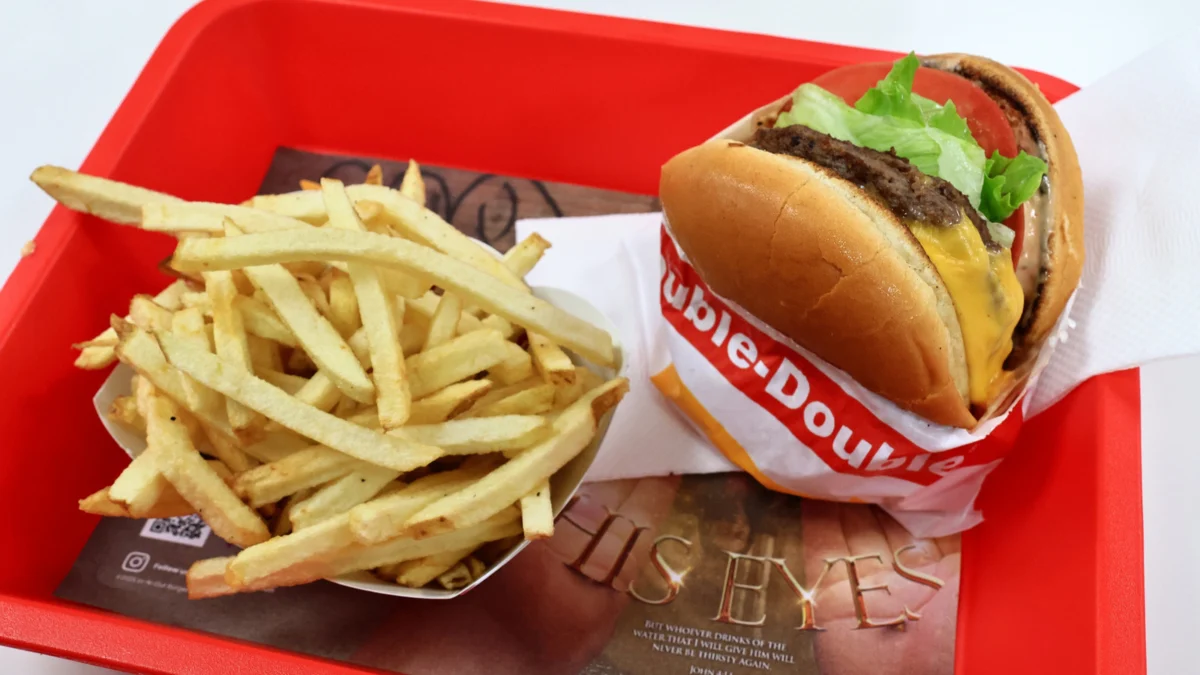
As a seasoned observer of the Southern California culinary landscape, it is time to address a persistent, albeit delicious, anomaly: the pervasive shadow cast by In-N-Out Burger over its equally, if not more, deserving regional competitor, Fatburger. While In-N-Out has undeniably cemented its status as a beloved institution, lauded for its quality ingredients, accessible pricing, and famously minimalist menu, a critical examination reveals a narrative that warrants a deeper dive into the merits of Fatburger. This analysis aims to provide a comprehensive and objective comparison, exploring the historical context, menu offerings, and overall market presence of these two iconic California burger chains, ultimately arguing for a re-evaluation of Fatburger’s standing in the fast-casual dining hierarchy.
A Tale of Two Burger Pioneers: Origins and Evolution
The story of California’s burger scene is intrinsically linked to its post-war boom, a period that saw the rise of accessible, family-friendly dining options. Both In-N-Out Burger and Fatburger emerged from this fertile ground, yet their trajectories have been remarkably different.
In-N-Out Burger, founded by Harry and Esther Snyder, opened its first location in Baldwin Park, California, in 1948. From its inception, the chain prioritized fresh, never-frozen ingredients and a simple, efficient menu. This commitment to quality and a no-frills approach resonated with consumers, laying the foundation for its enduring appeal. Over the decades, In-N-Out strategically expanded its footprint, primarily within the Western United States, cultivating a devoted following through consistent product delivery and a distinct brand identity. As of early 2024, In-N-Out operates over 400 locations across seven states, a testament to its successful expansion strategy and widespread consumer acceptance.
Fatburger, on the other hand, traces its origins back to 1947, a year before In-N-Out, when Lovie Yancey opened the doors of "Mr. Fatburger" on Western Avenue in South Central Los Angeles. Yancey’s vision was to offer a larger, more substantial burger than was commonly available, setting a precedent for customization and quality. The original establishment featured a modest setup with just three stools, but its core philosophy of "the best darn burger" quickly gained traction. While Fatburger’s initial establishment predates In-N-Out’s, its growth trajectory has been notably more measured. Currently, Fatburger operates fewer than 100 locations globally, with a significant concentration remaining within California. This disparity in scale, however, does not necessarily reflect a deficit in quality or appeal, but rather a different approach to market penetration and brand development.
Menu Diversity and Customization: Fatburger’s Distinctive Edge
A primary differentiator between Fatburger and In-N-Out lies in their approach to menu design and customization. In-N-Out is renowned for its deliberately concise menu, which features a limited selection of burgers, fries, and shakes. This simplicity is a cornerstone of its operational efficiency and brand recognition. The "secret menu" or "animal style" options, while popular, are essentially variations on a few core offerings.
Fatburger, in stark contrast, embraces a philosophy of extensive customization and a broader range of choices. The chain offers four distinct burger sizes, starting with the ¼ pound "Original Fatburger" and escalating to the formidable 1½ pound "XXXL Triple Kingburger." This tiered sizing caters to a wide spectrum of appetites, from the modestly hungry to the truly ravenous. Furthermore, Fatburger’s extensive array of add-ons allows for a highly personalized burger experience. Patrons can augment their burgers with ingredients such as bacon, chili, cheese, onion rings, and even a fried egg. This level of customization extends to dietary considerations, with the availability of gluten-free buns and dairy-free cheese options, making Fatburger a more inclusive choice for a wider demographic.
The "XXXL Triple Kingburger" itself represents a unique marketing and experiential element. Successfully consuming this behemoth of a burger at a Fatburger restaurant traditionally earns the patron a certificate of completion and a photograph displayed on the establishment’s wall of fame. This tradition, reportedly honored by many dedicated patrons, fosters a sense of community and culinary achievement, a distinct departure from the more uniform experience offered by In-N-Out.
Quality and Flavor Profile: A Subjective Yet Illustrative Comparison
While taste is inherently subjective, a comparative analysis of the flavor profiles and ingredient quality reveals distinct characteristics that contribute to each chain’s appeal. In-N-Out’s burgers are celebrated for their fresh, never-frozen beef patties, crisp lettuce, ripe tomatoes, and distinctive spread. The simplicity of the preparation allows the quality of the core ingredients to shine through.
Fatburger, while also committed to fresh ingredients, offers a bolder, more robust flavor profile. The burgers are often described as having a mustard-forward taste, a deliberate flavor choice that sets them apart. The ability to customize with a wider variety of toppings further enhances this distinctiveness. For instance, the inclusion of chili or onion rings adds layers of texture and flavor that are not typically found on an In-N-Out burger.
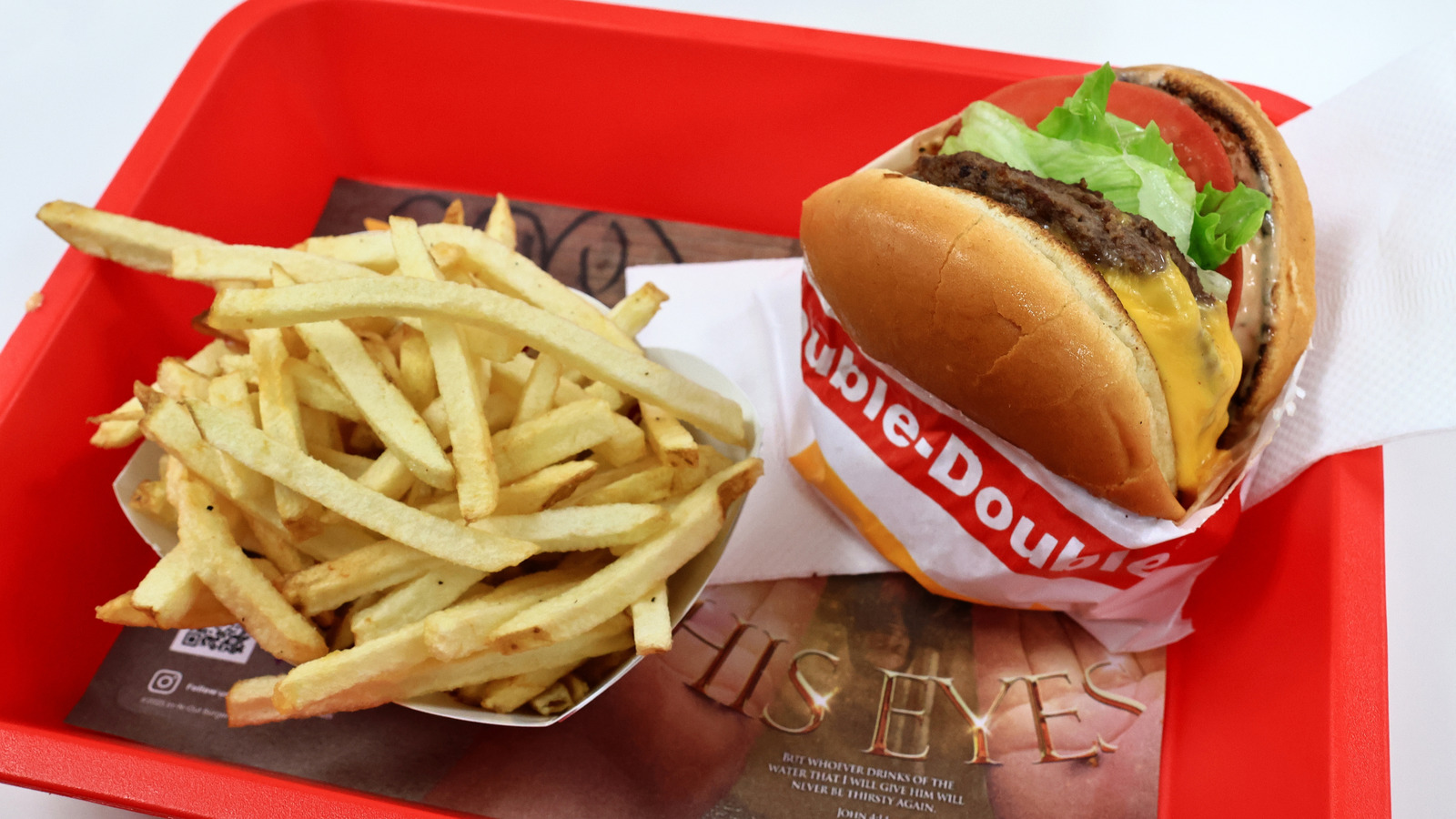
In a 2023 ranking of American burger chains conducted by Tasting Table, Fatburger secured the 10th position, while In-N-Out placed significantly higher. However, rankings alone do not always capture the full narrative of consumer preference or the unique strengths of a brand. The consistent quality and the more adventurous flavor combinations offered by Fatburger have cultivated a dedicated following who prioritize its distinctive taste and customizable options over the more universally recognized, yet arguably less varied, offering of In-N-Out.
Market Presence and Brand Perception: The Power of Ubiquity Versus Niche Appeal
The disparity in the number of locations between In-N-Out and Fatburger is a significant factor in their respective brand perceptions. In-N-Out’s widespread presence, with over 400 locations, has made it a ubiquitous symbol of California cuisine, accessible to a vast majority of the state’s population and many beyond. This ubiquity fosters a sense of familiarity and makes it a convenient choice for many.
Fatburger’s more limited footprint, with fewer than 100 locations, positions it as a more niche offering. While this might translate to less widespread brand recognition, it also contributes to a perception of exclusivity and a more curated dining experience for those who seek it out. The argument that Fatburger is "unfairly overshadowed" stems from the notion that its quality, customization, and historical significance are not fully appreciated due to In-N-Out’s dominant market share and marketing power.
Broader Impact and Implications for the Fast-Casual Industry
The ongoing comparison between Fatburger and In-N-Out offers valuable insights into the dynamics of the fast-casual dining sector. It highlights how different business models—one prioritizing ubiquity and operational efficiency through menu simplification, the other focusing on customization and a broader flavor palette—can both achieve significant success.
The continued popularity of both chains suggests a diverse consumer demand within the burger market. While In-N-Out caters to a broad audience seeking consistency and a nostalgic experience, Fatburger appeals to a segment of consumers who value personalization, bolder flavors, and a more adventurous culinary journey.
From an industry perspective, Fatburger’s success, despite its smaller scale, demonstrates the viability of offering a more premium or specialized product within the competitive fast-casual space. Its ability to attract and retain a loyal customer base through its unique offerings underscores the importance of differentiation.
Conclusion: Reconsidering the SoCal Burger Crown
In the pantheon of Southern California burger joints, In-N-Out Burger has long held a place of undisputed honor. Its consistent quality, accessible price point, and iconic status are undeniable. However, a deeper dive into the history, menu philosophy, and taste profiles of Fatburger reveals a compelling case for its equal, if not superior, standing.
Founded a year prior to In-N-Out, Fatburger has consistently championed a vision of a larger, more customizable burger experience. Its extensive size options, wide array of toppings, and accommodating dietary choices offer a level of personalization that In-N-Out, with its streamlined menu, simply cannot match. While In-N-Out’s ubiquity has cemented its place in the national consciousness, Fatburger’s distinctive flavor and commitment to individual preference have cultivated a devoted following who recognize its unique merits.
The narrative of these two Southern California titans is not one of a clear victor, but rather a testament to the diverse preferences of the American palate. While In-N-Out undoubtedly deserves its acclaim, it is time to acknowledge Fatburger’s rightful place in the conversation, recognizing it not merely as a regional contender, but as a culinary force in its own right, a chain that, in many respects, offers a more robust and satisfying burger experience. The continued success of both establishments underscores the richness and variety of the fast-casual burger market, proving that there is indeed room for more than one king in the Southern California burger kingdom.
