
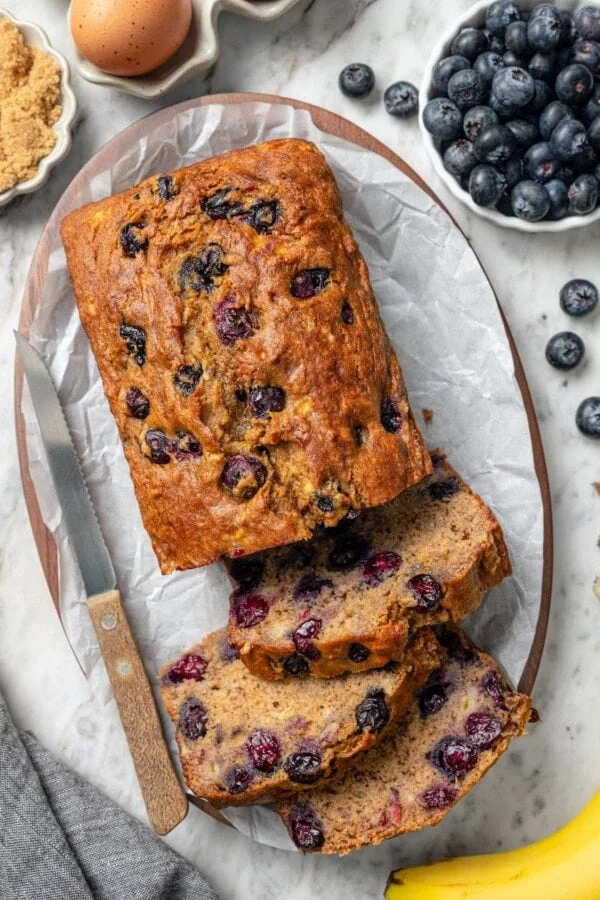
The culinary landscape continually seeks to balance indulgent flavors with health-conscious preparation, a trend exemplified by the evolution of classic comfort foods. Among these, banana bread holds a venerable position, and its modern iteration, enriched with blueberries and mindful ingredient substitutions, offers a compelling case study in nutritional refinement without sacrificing taste. This particular recipe presents a super moist and naturally sweet rendition, leveraging the inherent sugars of ripe bananas and juicy blueberries. Crafted with white whole wheat flour and lightened through the strategic use of applesauce and egg whites, it represents a healthier reinterpretation of a beloved staple, aligning with contemporary dietary preferences for reduced fat and increased fiber.
The Enduring Legacy of Banana Bread: A Culinary History
Banana bread’s ubiquitous presence in American kitchens belies its relatively recent origins. While bananas became more accessible in the United States in the late 19th century, the concept of baking them into a quick bread didn’t gain widespread traction until the early 20th century. The genesis of banana bread is often linked to two primary factors: the advent of baking powder and baking soda as leavening agents, which allowed for quicker, yeast-free breads, and the economic pressures of the Great Depression. During this era, resourcefulness in the kitchen was paramount, and overripe bananas—which might otherwise be discarded—found a new purpose. Their natural sweetness and moistening properties made them ideal for transforming into a palatable and satisfying loaf.
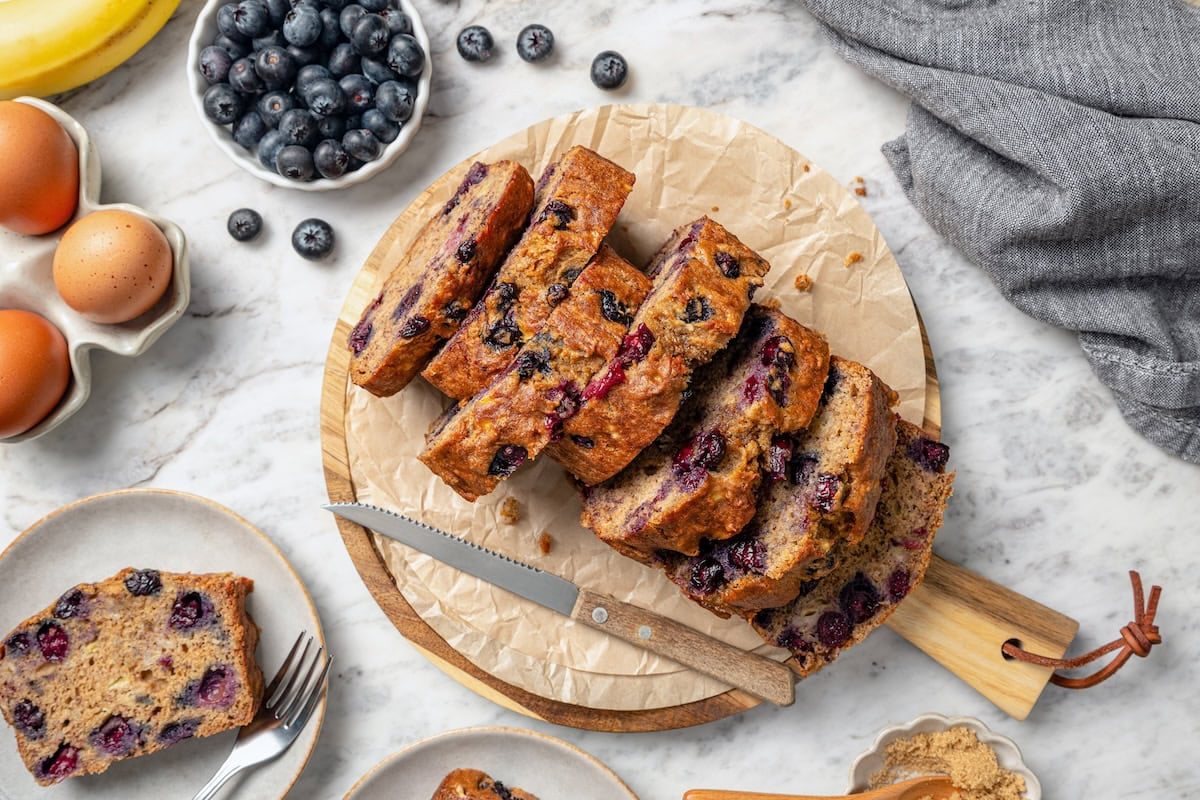
The 1930s saw the publication of banana bread recipes in community cookbooks and national publications, solidifying its place in the American culinary canon. The introduction of baking powder by the Royal Baking Powder Company in 1893 and its subsequent marketing campaigns further facilitated the rise of quick breads. World War II also contributed to its popularity, as rationing encouraged home bakers to utilize every available ingredient, particularly those that provided natural sweetness and bulk. Over the decades, banana bread evolved from a simple way to use up fruit into a versatile treat, served for breakfast, as a snack, or even a casual dessert. Its adaptability also paved the way for variations, incorporating nuts, chocolate chips, and, as seen in this recipe, other fruits like blueberries. The combination of banana’s creamy texture and the vibrant burst of blueberries creates a synergistic flavor profile that resonates with modern palates seeking both comfort and nutritional value.
The Healthier Imperative: Modernizing a Classic Recipe
The current recipe for Blueberry Banana Bread stands as a testament to the ongoing movement towards healthier eating without compromising on flavor or texture. It skillfully re-engineers the traditional banana bread formula by making strategic ingredient swaps that reduce caloric density, saturated fat, and cholesterol, while boosting fiber content. This approach addresses the growing consumer demand for lighter alternatives to classic comfort foods, reflecting a broader public health trend focused on balanced nutrition.
White Whole Wheat Flour: A Nutritional Upgrade
A cornerstone of this recipe’s healthier profile is the use of white whole wheat flour. Unlike traditional all-purpose flour, which is stripped of its bran and germ during processing, white whole wheat flour retains all three parts of the wheat kernel: the bran, germ, and endosperm. This means it offers the full spectrum of nutrients found in whole grains, including dietary fiber, B vitamins, iron, and magnesium. The "white" designation refers to the variety of wheat used—a lighter-colored wheat—resulting in a milder flavor and finer texture than red whole wheat flour. This makes it an ideal choice for baked goods, as it provides the nutritional benefits of whole grain without the dense texture or strong flavor sometimes associated with traditional whole wheat flour, ensuring the banana bread remains light and palatable. The fiber content is particularly beneficial, aiding digestion and promoting satiety.
Applesauce as a Fat Substitute: The Moisture Miracle
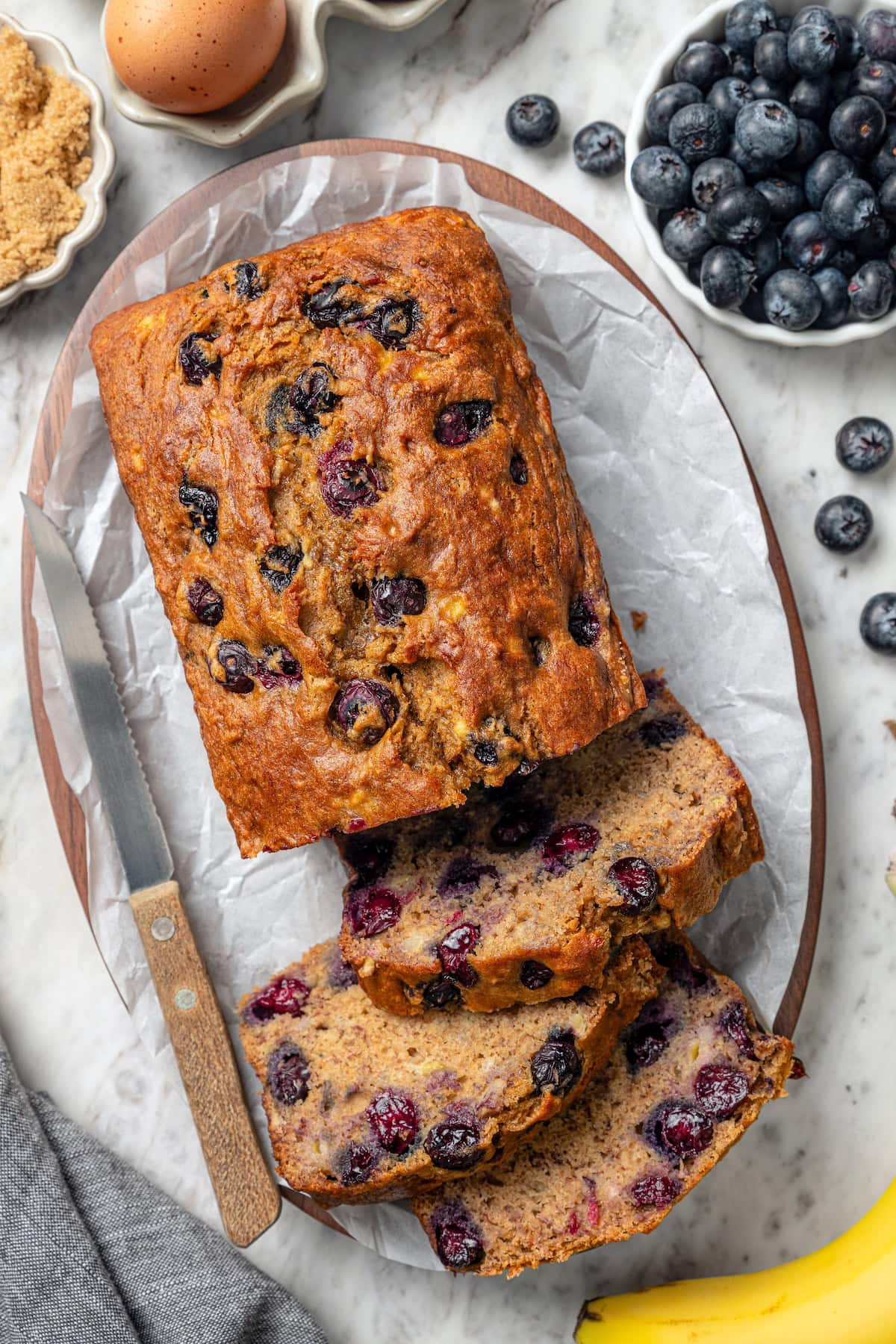
In traditional banana bread recipes, butter or oil often contributes significantly to the fat content. This recipe cleverly substitutes a portion of these fats with unsweetened applesauce. Applesauce is primarily water and fruit sugars, and its pectin content helps retain moisture in baked goods. By using applesauce, the recipe drastically cuts down on saturated fat and total calories, while still ensuring a moist crumb. The natural sweetness of the applesauce also contributes to the overall flavor profile, often allowing for a reduction in added sugars. This substitution is a common strategy in healthier baking, providing a functional equivalent to fat without its caloric burden.
Egg Whites: Lean Protein and Structure
Another key modification involves the use of egg whites instead of whole eggs. While whole eggs provide richness and emulsification, egg whites offer a lean source of protein and contribute to the bread’s structure without adding the cholesterol and fat found in yolks. They help create a lighter, airier texture, which complements the moistness from the bananas and applesauce. This particular swap is often employed in recipes aiming for a lower-cholesterol or lower-fat profile, making the bread accessible to those managing specific dietary requirements.
Natural Sweeteners: Bananas and Blueberries
The recipe relies heavily on the natural sweetness of very ripe bananas and fresh blueberries, which intrinsically reduces the need for excessive added sugars. As bananas ripen, their starches convert to sugars, intensifying their sweetness and flavor, making them a perfect natural sweetener and moistening agent for baked goods. Blueberries, in turn, provide bursts of juicy sweetness and contribute to the bread’s overall moisture content. This emphasis on natural fruit sugars aligns with dietary guidelines that encourage reducing reliance on refined sugars, offering a more wholesome and satisfying sweetness.
Ingredient Deep Dive: The Science of Flavor and Nutrition

Understanding the role of each ingredient goes beyond simple mixing; it delves into the science of baking and nutrition.
-
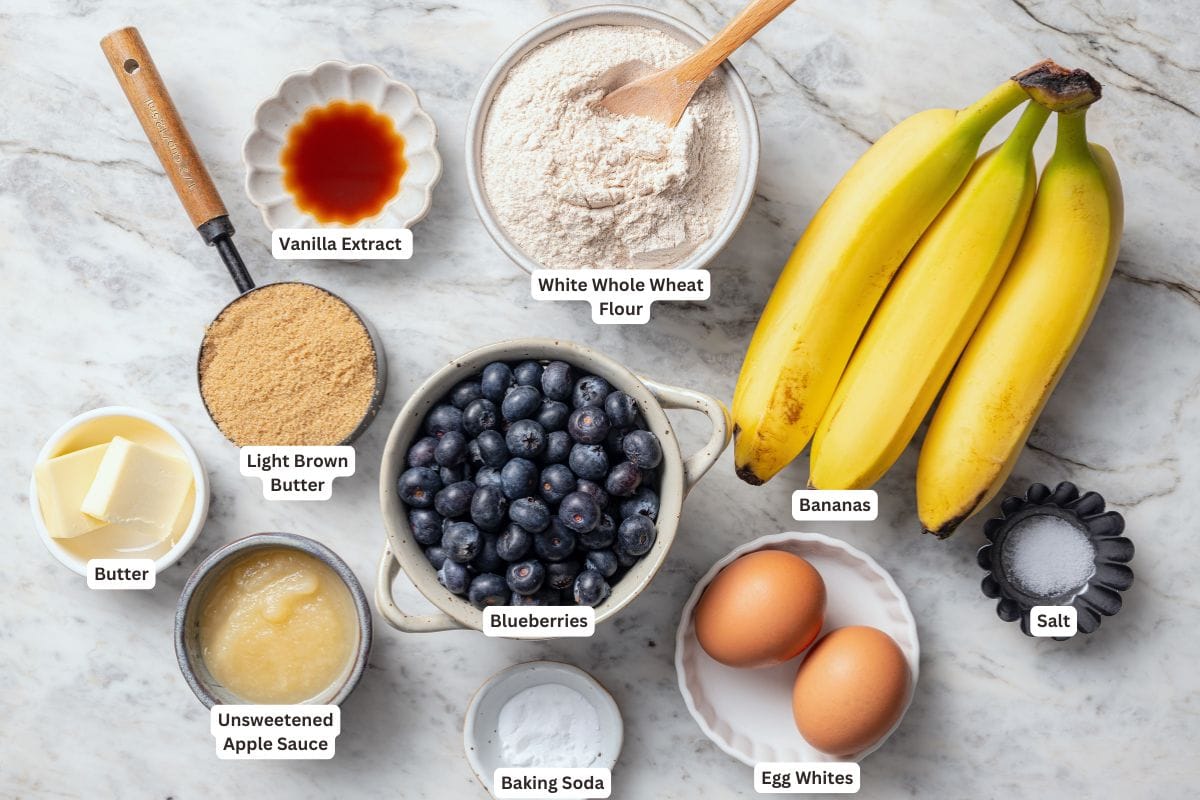
Ripe Bananas: The star of the show, ripe bananas are crucial for both flavor and texture. As bananas mature, their chlorophyll breaks down, leading to the yellow color, and enzymes convert starches into simple sugars, increasing sweetness. The brown spots indicate peak ripeness for baking, as they signal maximum sugar content and a softer, easily mashable texture. Nutritionally, bananas are rich in potassium, vitamin B6, vitamin C, and dietary fiber, contributing significantly to the bread’s health benefits. Their natural moisture also helps create the tender crumb.
-
Blueberries: These small, vibrant berries are not just for flavor; they are nutritional powerhouses. Packed with antioxidants (especially anthocyanins), vitamin C, vitamin K, and manganese, blueberries add a significant health boost. In baking, their high water content contributes to the bread’s moistness, and their slight acidity can interact with leavening agents to enhance rise. The "bursts of sweetness" described are due to the concentration of their natural sugars within the berry’s skin, which softens and releases during baking. Whether fresh or frozen, blueberries integrate well, though frozen berries should ideally be added still frozen to prevent excessive bleeding into the batter.
-
White Whole Wheat Flour: As previously discussed, this flour provides the structural backbone of the bread while delivering whole grain benefits. Its protein content forms gluten, which gives the bread its chewiness and elasticity, while its fiber content adds bulk and nutritional value.

-
Applesauce: Beyond its role as a fat substitute, applesauce contributes additional moisture and a subtle fruit note that complements the banana. The pectin in applesauce also helps to bind ingredients and provides structure.
-
Egg Whites: Primarily composed of protein and water, egg whites provide essential structure and lightness. When whipped or combined, their proteins coagulate during baking, creating a framework that traps air and helps the bread rise.
-
Baking Soda and Baking Powder: These are the primary chemical leavening agents. Baking soda reacts with acidic ingredients (like bananas and applesauce) to produce carbon dioxide, creating air bubbles and a tender crumb. Baking powder contains both an acid and a base, providing a controlled rise, often in two stages (when mixed with liquid and again with heat). The balance between these two ensures proper lift and texture.
-
Salt: A crucial flavor enhancer, salt balances the sweetness of the fruits and other ingredients, preventing the bread from tasting flat. It also strengthens the gluten structure in the flour.
-
Vanilla Extract: This aromatic ingredient adds depth and warmth to the overall flavor profile, enhancing the natural sweetness of the fruits.
The Meticulous Process: A Step-by-Step Guide to Perfection
The preparation of this Blueberry Banana Bread, while straightforward, benefits from careful attention to detail at each stage, ensuring optimal texture and flavor.
-
Pre-Baking Preparation: Begin by preheating your oven to the specified temperature, typically around 350°F (175°C). This ensures the oven is at a consistent temperature when the bread enters, promoting even baking and proper rise. Simultaneously, prepare a standard loaf pan (e.g., 9×5 inches) by greasing it thoroughly with non-stick spray or butter, and then lightly dusting it with flour. This critical step prevents the bread from sticking and facilitates easy removal after baking. Gathering and measuring all ingredients beforehand, a practice known as mise en place, streamlines the process and minimizes errors.
-
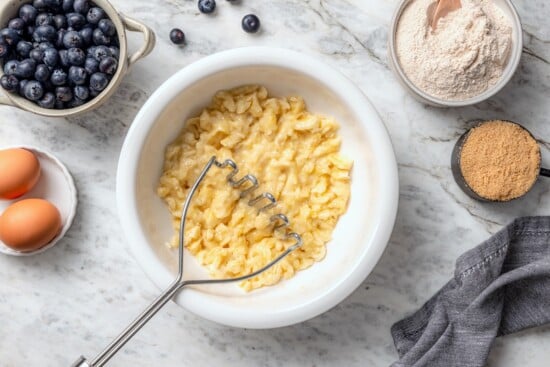
Mashing Bananas: In a large mixing bowl, the ripe bananas are mashed. The consistency can vary; some prefer a smoother puree, while others enjoy small chunks of banana for added texture. A fork or a potato masher works effectively for this task. The mashed bananas form the moist base of the wet ingredients.
-
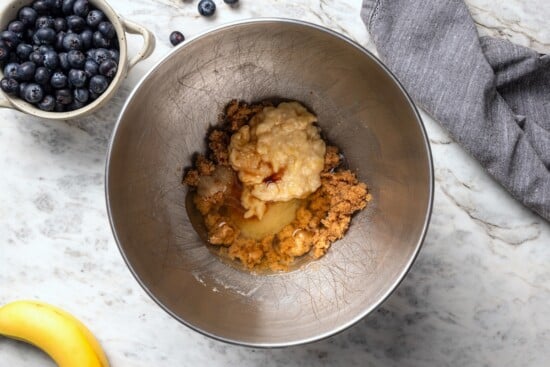
Combining Wet Ingredients: To the mashed bananas, incorporate the applesauce, egg whites, and vanilla extract. These ingredients are whisked together until they are well combined and homogenous. This mixture contributes significantly to the bread’s moisture and natural sweetness, while the egg whites provide structure.
-
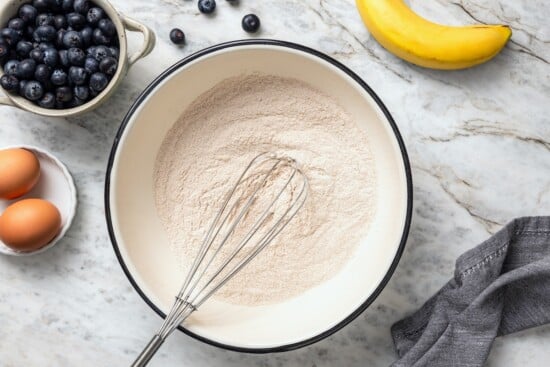
Preparing Dry Ingredients: In a separate medium bowl, whisk together the white whole wheat flour, baking soda, baking powder, and salt. Whisking ensures that the leavening agents and salt are evenly distributed throughout the flour, which is essential for uniform rise and flavor dispersal throughout the finished loaf.
-
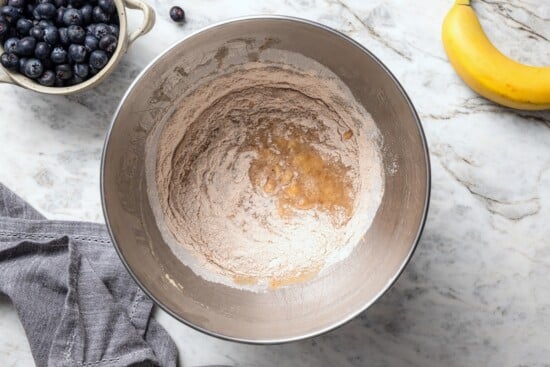
Integrating Wet and Dry Components: Gradually add the dry ingredient mixture to the wet banana mixture. Using a spatula or wooden spoon, mix until just combined. A crucial tip here is to avoid overmixing. Overmixing develops the gluten in the flour too much, which can result in a tough, dense bread rather than a tender, moist one. A few lumps of flour are acceptable; they will typically disappear during baking.
-
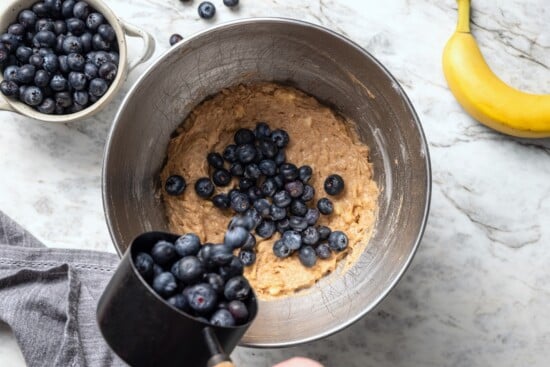
Folding in Blueberries: Gently fold the fresh or frozen blueberries into the batter. If using frozen blueberries, it’s often recommended to toss them lightly in a tablespoon of flour before adding them to the batter. This helps prevent them from sinking to the bottom of the pan during baking and also minimizes color bleeding into the batter. The goal is even distribution without crushing the delicate berries.
-
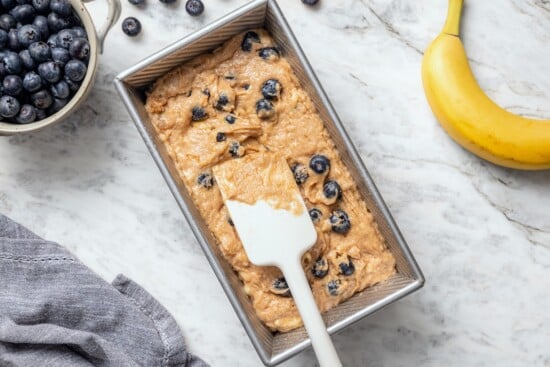
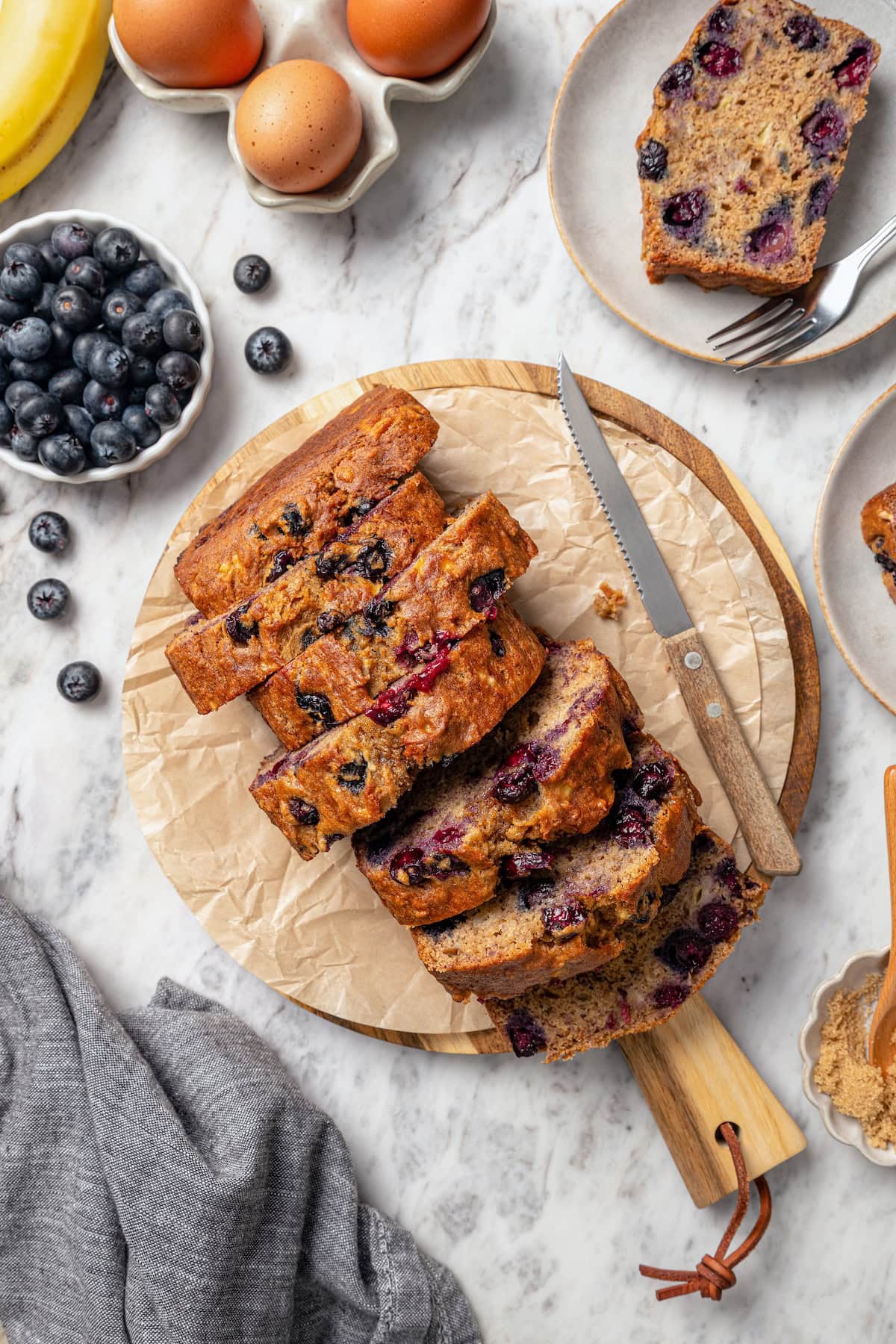
Baking and Cooling: Pour the prepared batter into the greased and floured loaf pan, spreading it evenly. Place the pan in the preheated oven and bake for approximately 50 to 60 minutes, or until a wooden skewer or toothpick inserted into the center of the loaf comes out clean. Baking times can vary depending on oven calibration and pan material, so monitoring for doneness is key. Once baked, remove the loaf from the oven and allow it to cool in the pan for about 10-15 minutes before carefully inverting it onto a wire rack to cool completely. Cooling on a wire rack allows air to circulate around the entire loaf, preventing condensation and ensuring a desirable crust. Slicing too early can result in a crumbly texture.
Optimizing Your Bake: Expert Tips and Techniques
Achieving the perfect loaf of Blueberry Banana Bread goes beyond following steps; it involves incorporating insights from experienced bakers.
-
Banana Ripeness is Paramount: The success of banana bread hinges on the ripeness of the bananas. Opt for bananas that are very ripe, ideally with numerous brown spots or even entirely brown. At this stage, their starches have converted fully to sugars, maximizing sweetness and moisture. Less ripe bananas will yield a less flavorful and drier bread. If your bananas aren’t ripe enough, you can speed up the process by baking them in their peels at 300°F (150°C) for 15-30 minutes until they turn black and soft.
-
Preventing Blueberries from Sinking: To ensure an even distribution of blueberries throughout the loaf, toss them lightly in a tablespoon of the dry flour mixture before folding them into the batter. This light coating helps them suspend in the batter, preventing them from sinking to the bottom during baking.
-
The Art of Mixing: As previously noted, overmixing is the enemy of tender quick breads. Mix the wet and dry ingredients only until they are just combined. A few small lumps are preferable to a tough, rubbery texture. Overmixing develops gluten excessively, leading to a less desirable crumb.
-
Oven Calibration: Ovens can vary significantly in temperature. If you frequently bake, investing in an oven thermometer can help you ensure your oven is truly at the set temperature. An accurately calibrated oven is crucial for consistent baking results.
-
Creative Variations: While delicious on its own, this recipe is adaptable. Consider adding a half cup of chopped walnuts or pecans for a textural contrast and nutty flavor. A sprinkle of cinnamon or nutmeg can enhance the warm spice notes. For a touch of decadence, miniature chocolate chips could be folded in. The batter can also be portioned into muffin tins for individual servings, with a reduced baking time (typically 20-25 minutes).
Nutritional Profile and Dietary Considerations
Each slice of this Blueberry Banana Bread, based on a 16-serving yield, offers a modest nutritional footprint, making it a suitable choice for a health-conscious diet. With approximately 98 kilocalories per slice, it provides an energy boost without excessive caloric intake. The carbohydrate content stands at 21 grams, primarily derived from the natural sugars in bananas and blueberries, as well as the white whole wheat flour. This makes it a source of complex carbohydrates, particularly beneficial for sustained energy release.
Protein content is 2 grams per slice, contributed by the egg whites and the flour, aiding in satiety. The fat content is remarkably low at 2 grams per slice, with only 1 gram of saturated fat, a significant reduction compared to traditional banana bread recipes that often use substantial amounts of butter or oil. Cholesterol is minimal at 4 milligrams, largely due to the use of egg whites. Sodium is also kept in check at 87 milligrams.
Crucially, the fiber content is 2 grams per slice, primarily from the white whole wheat flour and the fruits. Dietary fiber is vital for digestive health, blood sugar regulation, and promoting a feeling of fullness. The sugar content, at 13 grams, is primarily from natural fruit sugars, aligning with recommendations to prioritize natural over added sugars. This nutritional breakdown positions the Blueberry Banana Bread as a more wholesome alternative for breakfast, snacks, or a lighter dessert, fitting well into various dietary plans aiming for lower fat, higher fiber, and controlled sugar intake.
Storage and Preservation: Maximizing Freshness
Proper storage is essential to maintain the quality and extend the shelf life of your homemade Blueberry Banana Bread.
-
Room Temperature: Once completely cooled, the bread can be stored at room temperature for up to 2 to 3 days. It should be wrapped tightly in plastic wrap or aluminum foil, or placed in an airtight container, to prevent it from drying out. Storing it in a cool, dry place away from direct sunlight is ideal.
-
Refrigeration: For longer freshness, especially in warmer climates, the banana bread can be refrigerated. Again, wrap it tightly to prevent it from absorbing odors from other foods in the refrigerator and to maintain moisture. Refrigerated, it can last for up to one week. It’s often best served at room temperature or slightly warmed, as refrigeration can slightly alter the texture, making it denser.
-
Freezing for Extended Shelf Life: Banana bread freezes exceptionally well, making it perfect for meal prepping or enjoying later. To freeze, ensure the loaf is completely cooled. You can freeze it whole, in halves, or as individual slices. Wrap each portion tightly in plastic wrap, then an additional layer of aluminum foil, or place in a freezer-safe bag or container. Properly frozen, it can maintain its quality for up to 2 to 3 months. Thaw frozen bread overnight in the refrigerator or at room temperature. Individual slices can be quickly reheated in a microwave or toaster oven.
Broader Implications of Health-Conscious Baking
The development and popularity of recipes like this healthier Blueberry Banana Bread reflect several broader societal and culinary trends. Firstly, it underscores the increasing awareness and demand for nutritious food options among consumers. As information on diet and health becomes more accessible, individuals are actively seeking ways to adapt their favorite dishes to better fit their wellness goals. This has led to a surge in "lightened up" or "healthified" versions of traditional recipes across various cuisines.
Secondly, this recipe contributes to the reduction of food waste. The core ingredient, overripe bananas, is often overlooked or discarded when it reaches a stage deemed too soft for direct consumption. Banana bread, in all its forms, provides an excellent solution for utilizing this fruit, preventing it from ending up in landfills and instead transforming it into a delicious and beneficial product. This aligns with global efforts towards sustainable living and mindful consumption.
Thirdly, the enduring appeal of home baking is reinforced by such recipes. In an era of convenience foods, the act of baking from scratch offers a sense of accomplishment, control over ingredients, and the warmth of a homemade treat. Healthier recipes encourage more people to engage in home baking, as they can enjoy the process and the product without feeling guilty about their dietary choices. This also fosters culinary skills and an understanding of food science within households.
Finally, the success of platforms that share such recipes, like Skinnytaste, highlights the role of digital media in disseminating practical health-oriented culinary information. These platforms empower home cooks with tested recipes and expert tips, making healthy eating more accessible and enjoyable for a wider audience. The communal aspect, often involving user comments and shared experiences, further solidifies the impact of these recipes on daily dietary practices.
In conclusion, this Blueberry Banana Bread recipe transcends its simple classification as a baked good. It is a nuanced culinary creation that skillfully marries the comforting familiarity of a classic with modern nutritional science. By incorporating white whole wheat flour, applesauce, and egg whites, and leveraging the natural sweetness of bananas and blueberries, it delivers a deeply moist, flavorful, and satisfying loaf that caters to health-conscious individuals. Its ease of preparation, versatility, and excellent storage properties further cement its status as a valuable addition to the contemporary home kitchen, embodying a broader movement towards balanced, wholesome, and delicious eating.
