
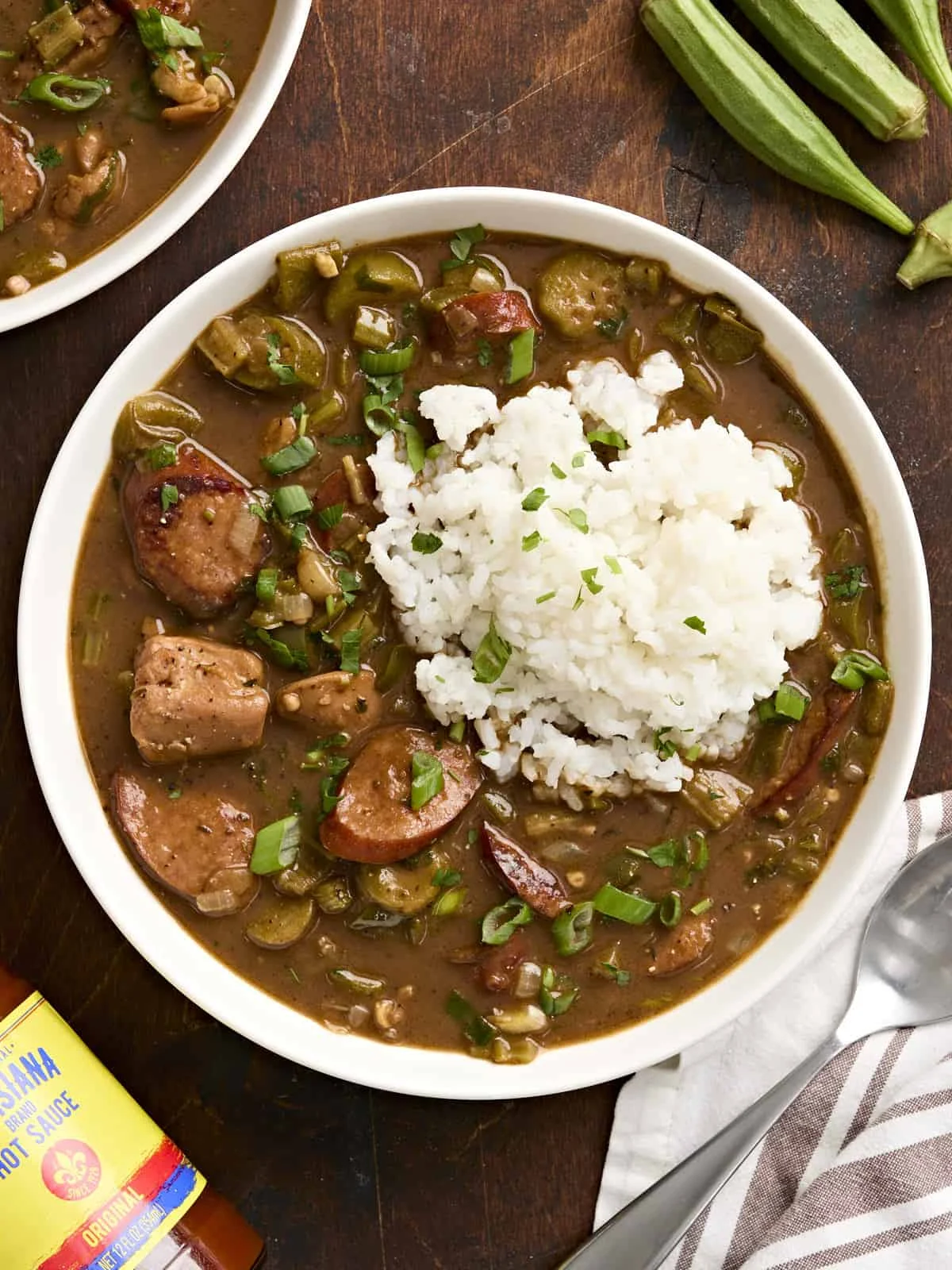
The Historical and Cultural Foundation of Gumbo
To understand the significance of gumbo, one must examine its etymological and historical roots. The word "gumbo" is widely believed to be derived from the West African Bantu word for okra, ki ngombo, or the Choctaw word for filé (dried sassafras leaves), kombo. These two ingredients historically served as the primary thickening agents for the stew before the widespread adoption of the flour-and-fat roux. In the 18th century, as French and Spanish settlers moved into the Louisiana territory, they brought with them the technique of the roux, a mixture of flour and fat used to thicken sauces. However, the scarcity of butter in the warm southern climate led to the use of lard or vegetable oils, resulting in a darker, more robust base that characterizes Cajun cooking today.
The dish further evolved with the integration of local ingredients. The "Holy Trinity"—a combination of onions, bell peppers, and celery—serves as the aromatic base for almost all savory Louisiana dishes. This is a regional adaptation of the traditional French mirepoix, which uses carrots instead of bell peppers. The substitution reflects the historical availability of ingredients in the bayou regions. Today, gumbo is categorized into two primary styles: Creole and Cajun. Creole gumbo, often found in New Orleans, typically includes tomatoes and may feature a wider variety of seafood. Cajun gumbo, originating from the rural prairie and bayou regions, is generally darker, eschews tomatoes, and focuses on smoked meats and poultry.
The Chronology of Preparation: A Labor of Patience
The preparation of an authentic gumbo is a chronological exercise in temperature control and patience. According to recipe developers at Budget Bytes, the process is not merely about combining ingredients but about managing chemical transformations, specifically the Maillard reaction and the breakdown of connective tissues in proteins.
Phase I: Protein Searing and Fond Development
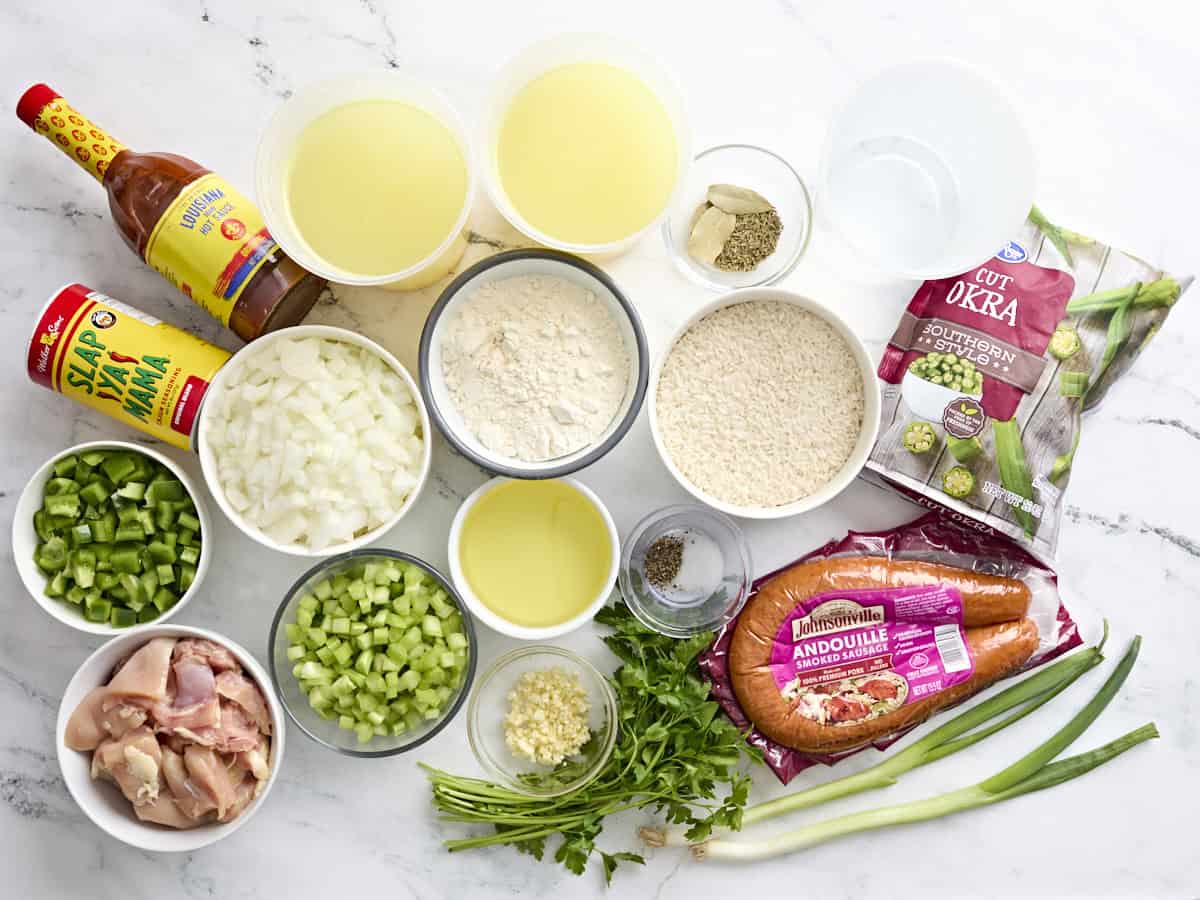
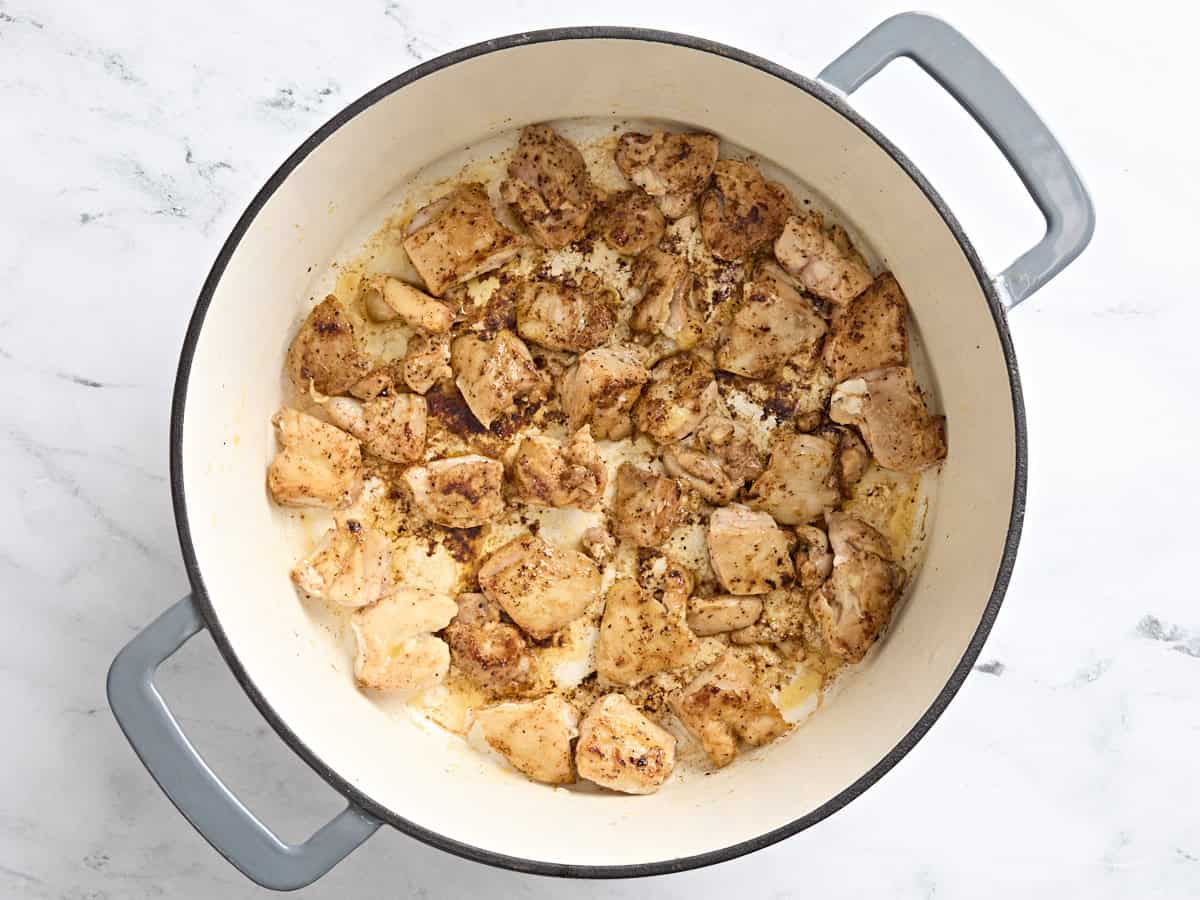
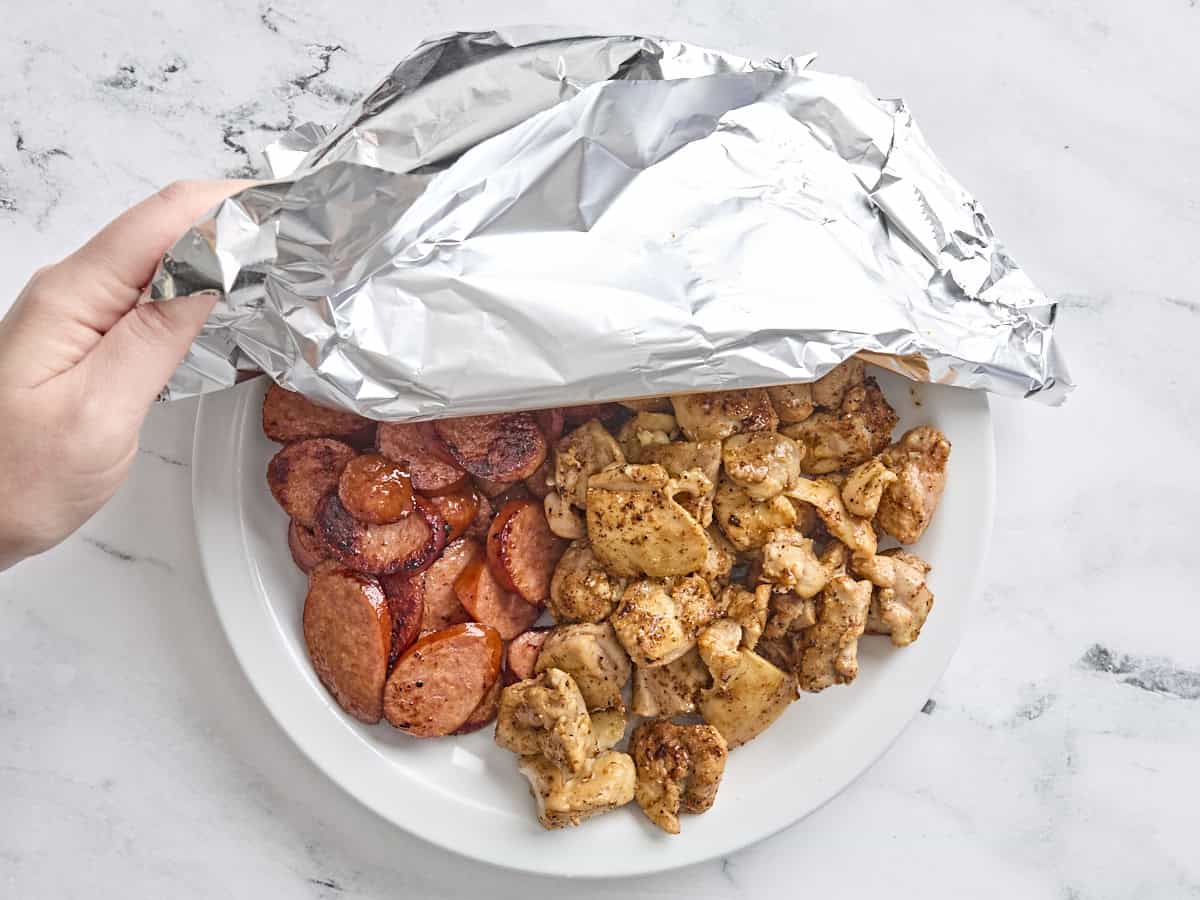
The process begins with the browning of proteins. Utilizing andouille sausage—a double-smoked pork sausage of French origin—and bone-in or thigh-meat chicken is essential for flavor depth. Searing these meats in a large, deep skillet over medium heat serves a dual purpose: it partially cooks the proteins and creates a "fond" (the browned bits of sugar and protein) at the bottom of the pan. This fond is a critical component of the final flavor profile, as it will later be deglazed and integrated into the stew.
Phase II: The Two-Hour Roux
The most critical stage of gumbo construction is the development of the roux. In this specific methodology, a ratio of approximately 3/4 cup vegetable oil to 1 cup all-purpose flour is cooked over medium-low heat. Unlike a light or "blonde" roux used in French mother sauces like Béchamel, a gumbo roux requires a duration of up to two hours of constant agitation.
The timeline of the roux is a spectrum of color and flavor:
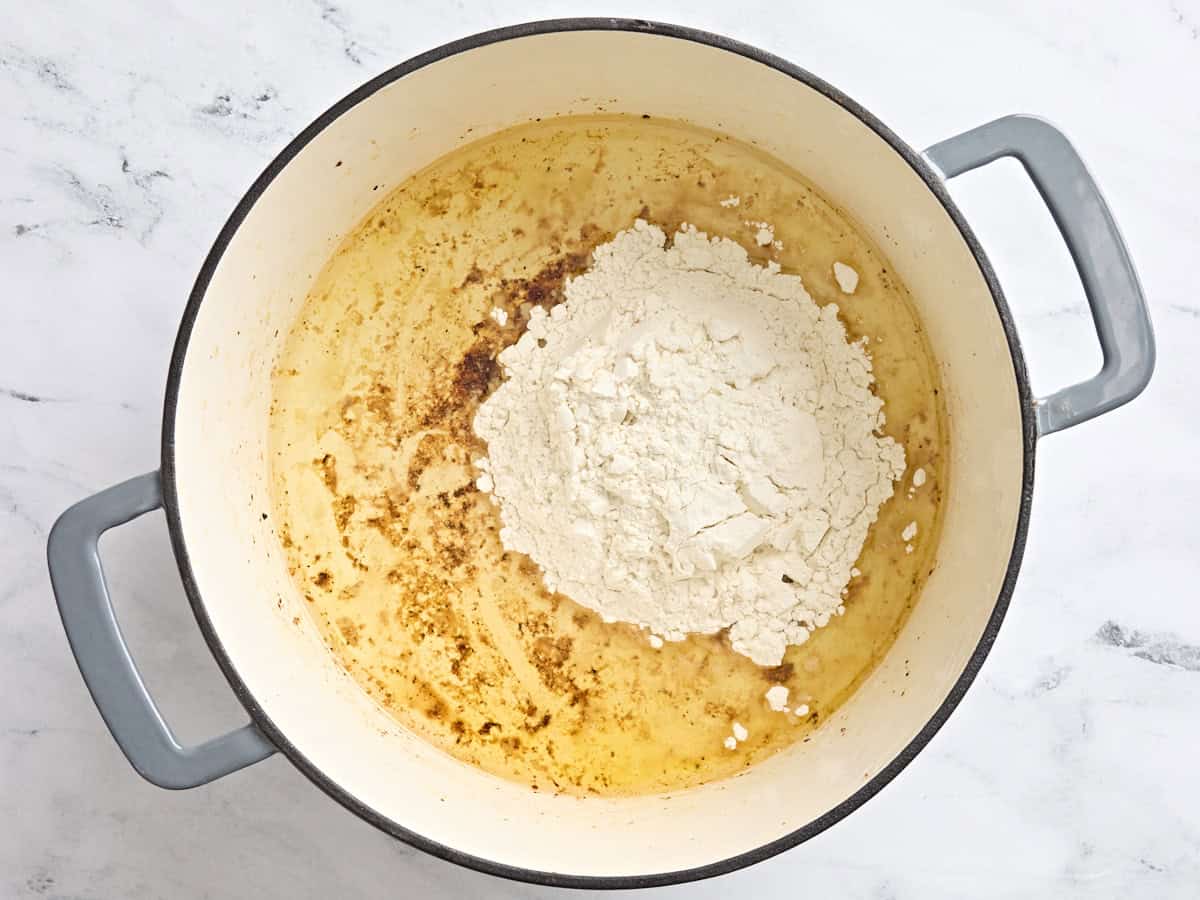
- The Blonde Stage: Initial mixing results in a paste that tastes of raw flour.
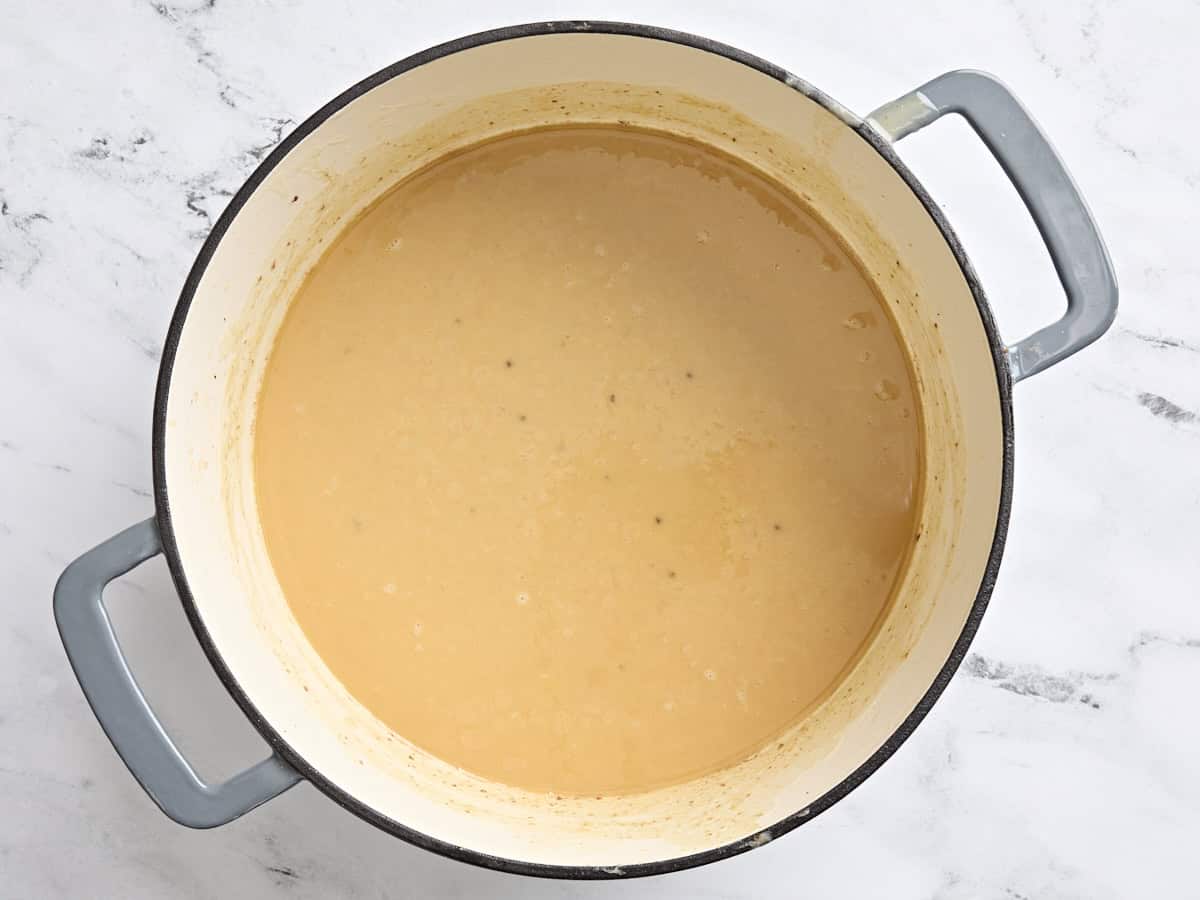
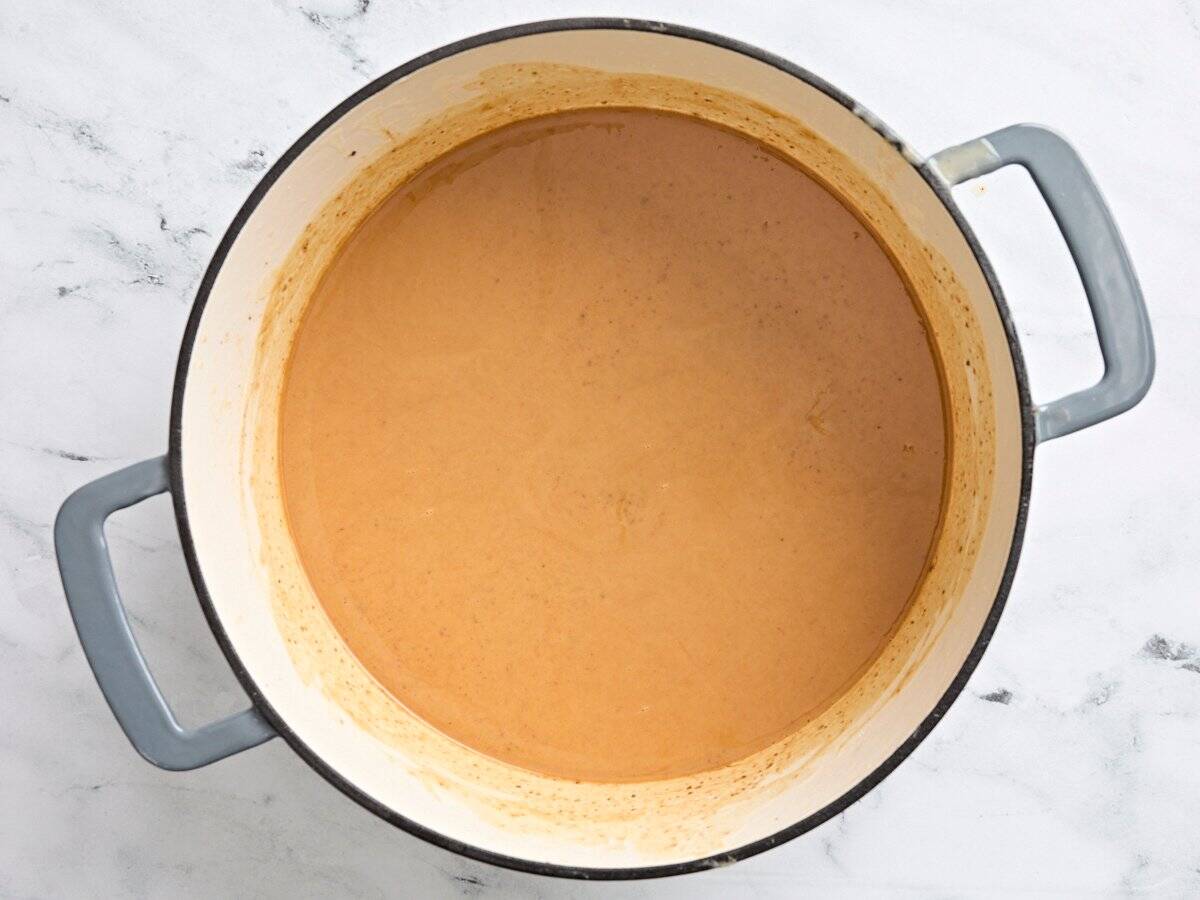
- The Peanut Butter Stage: After approximately 30 to 45 minutes, the mixture takes on a light tan color and a nutty aroma.
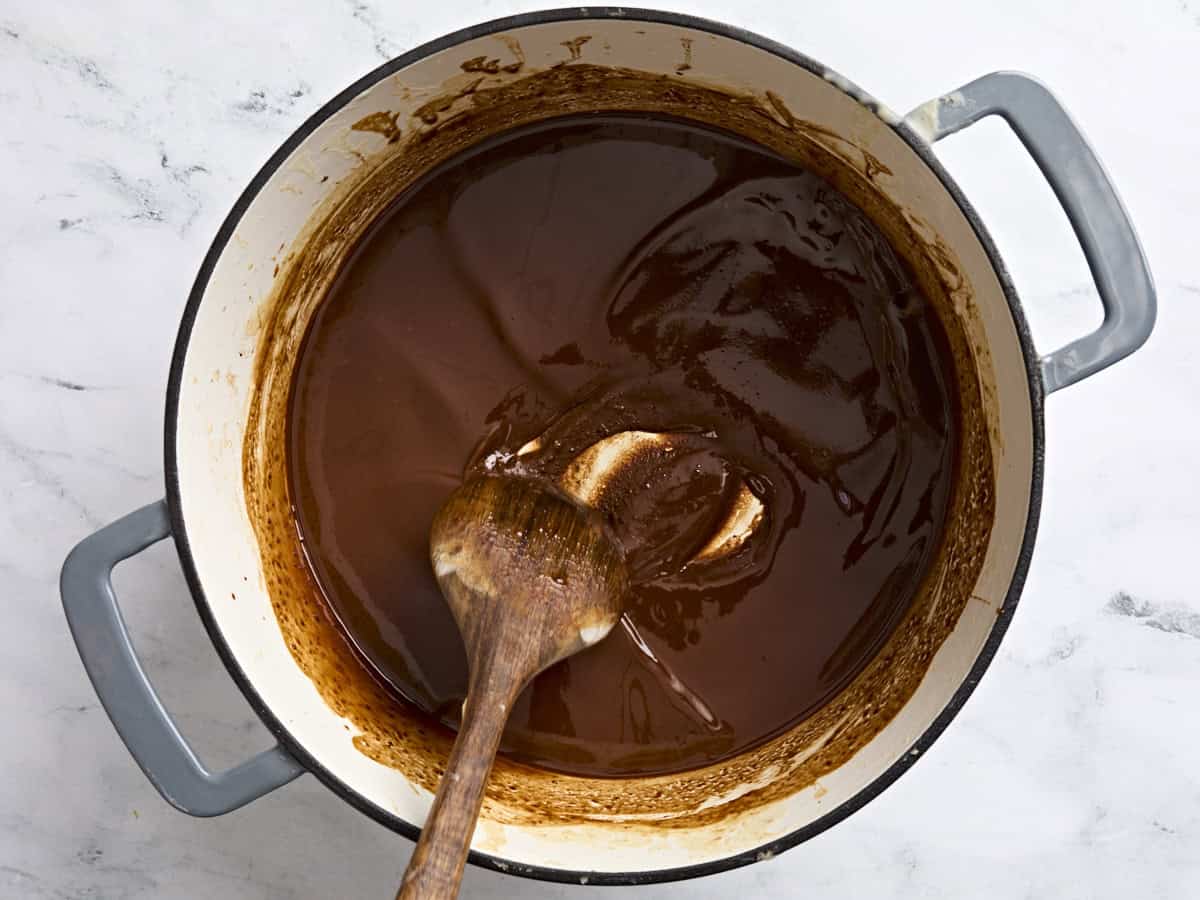
- The Chocolate Stage: Approaching the 90-minute mark, the roux darkens significantly. The thickening power of the flour decreases as the starches break down, but the flavor intensifies into a deep, toasted profile.
- The Final Dark Roux: At the conclusion of the two-hour window, the roux should resemble the color of dark chocolate or mahogany. At this stage, the risk of burning is highest; a burnt roux manifests as black specks and a bitter taste, necessitating a complete restart of the process.
Phase III: Integration and Simmering
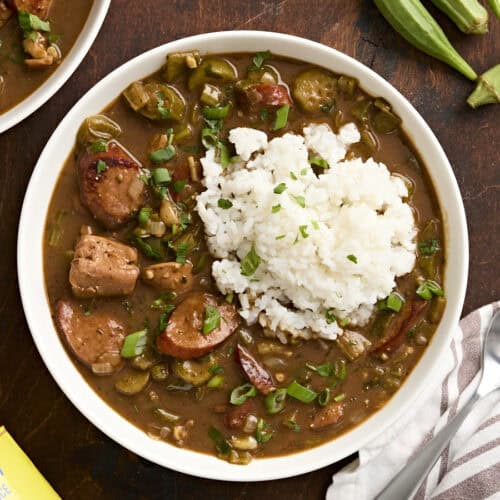
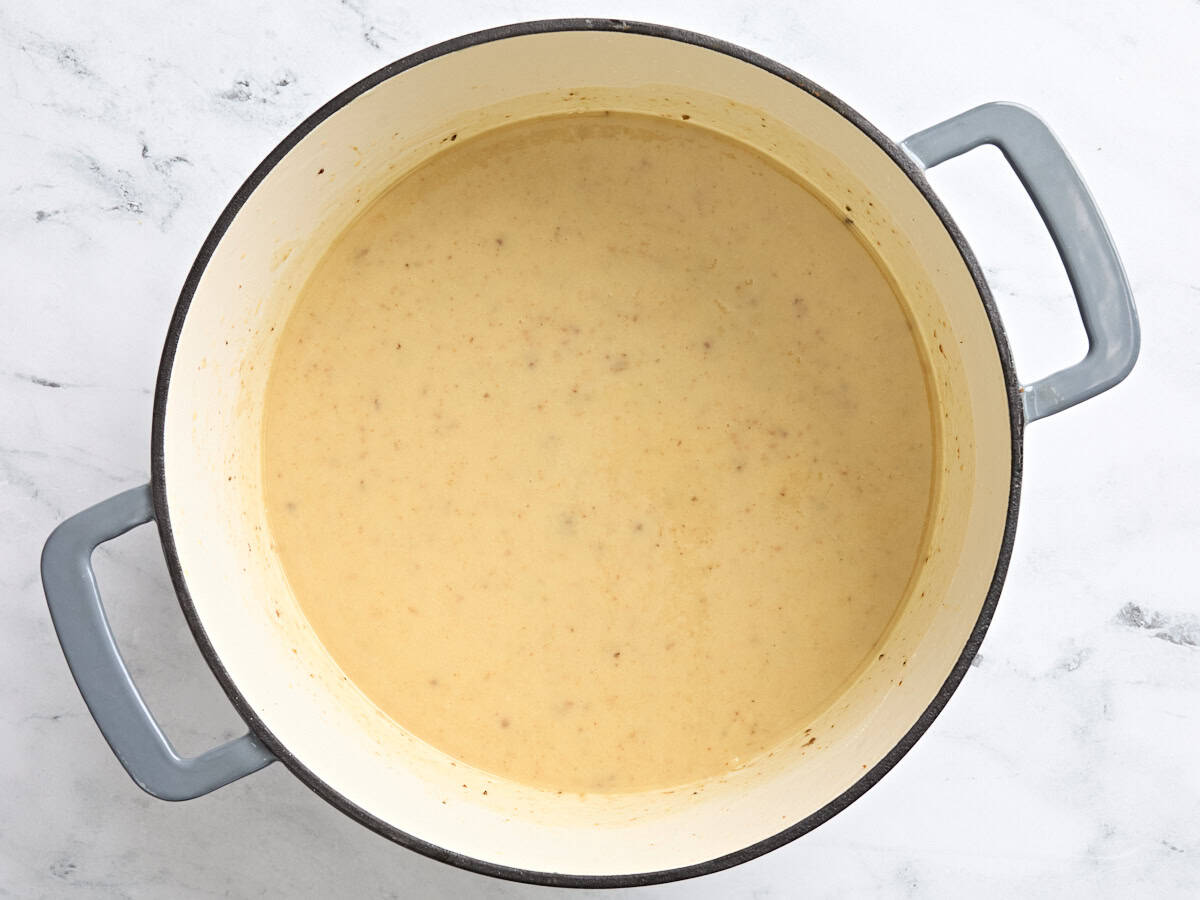
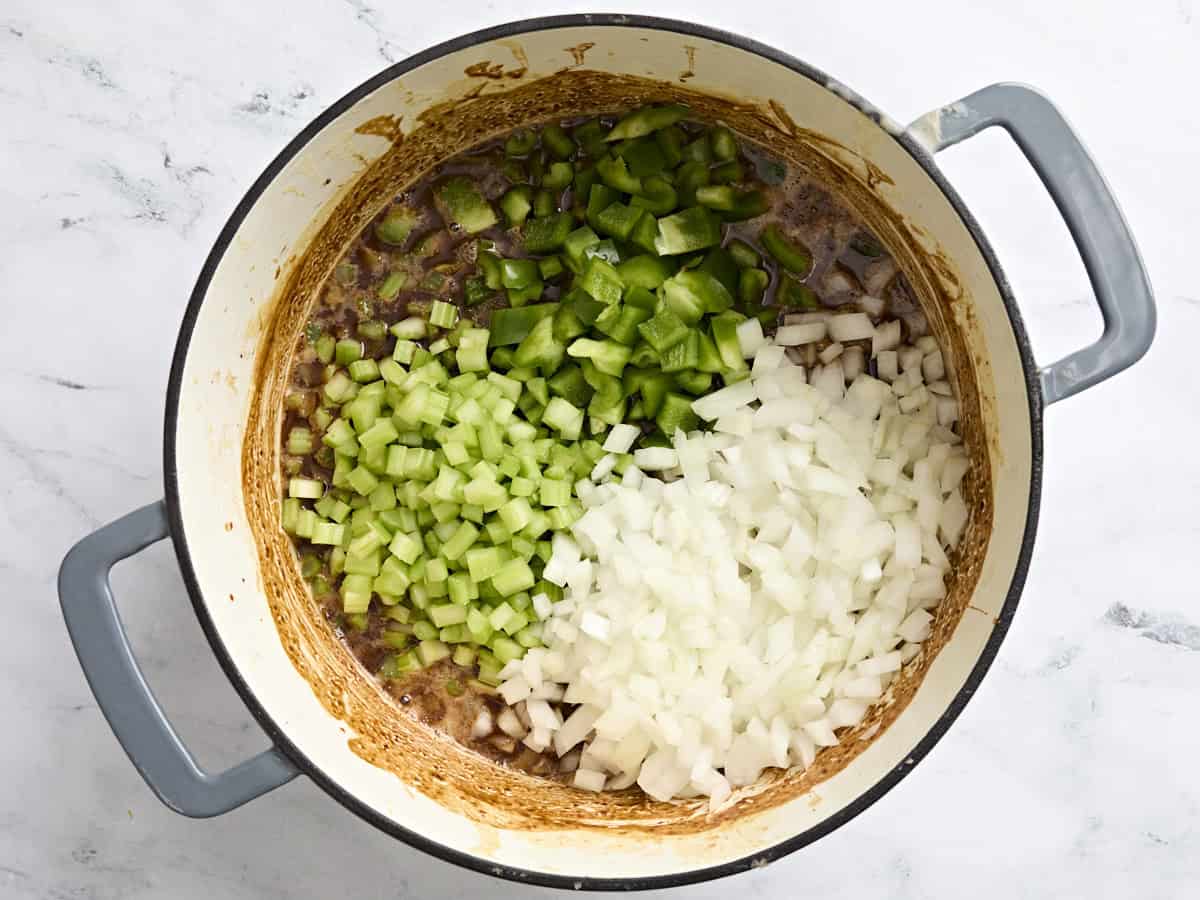
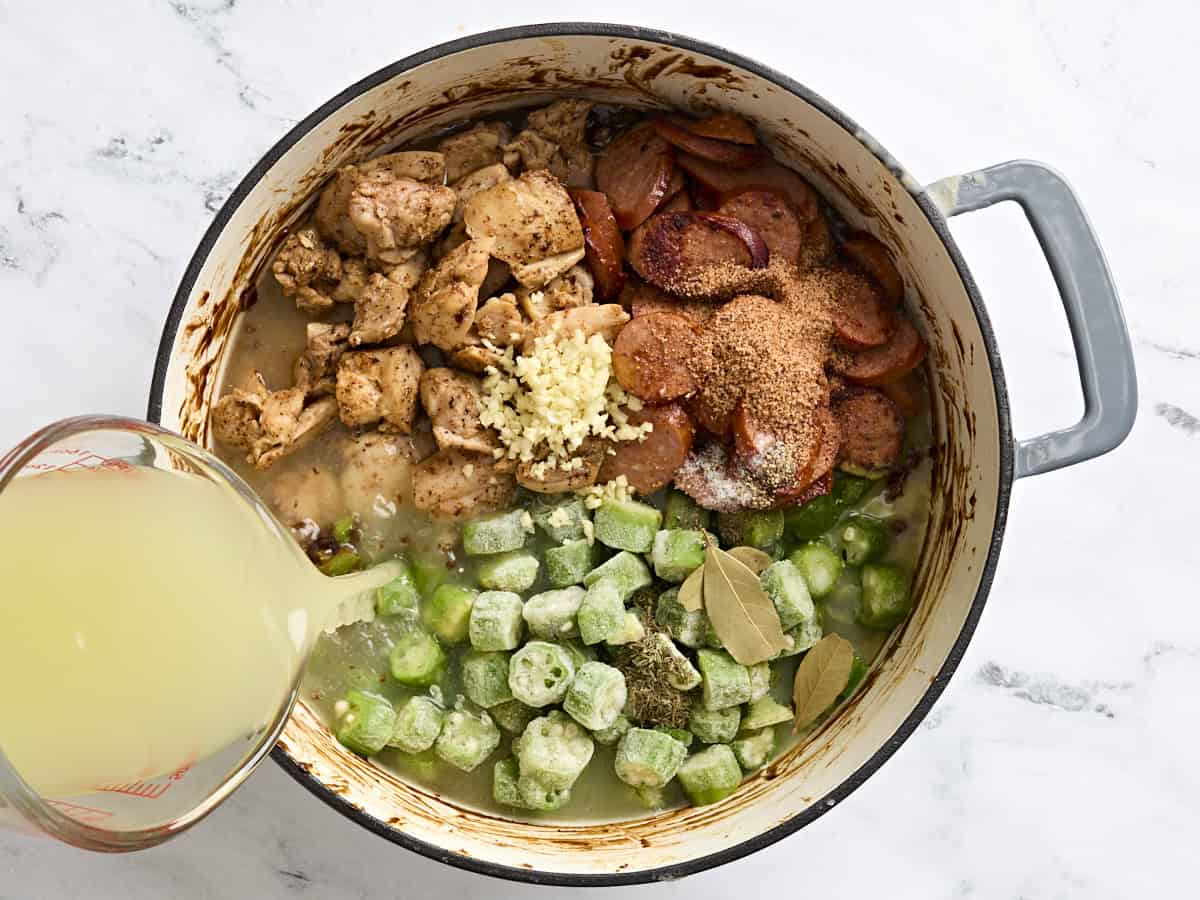
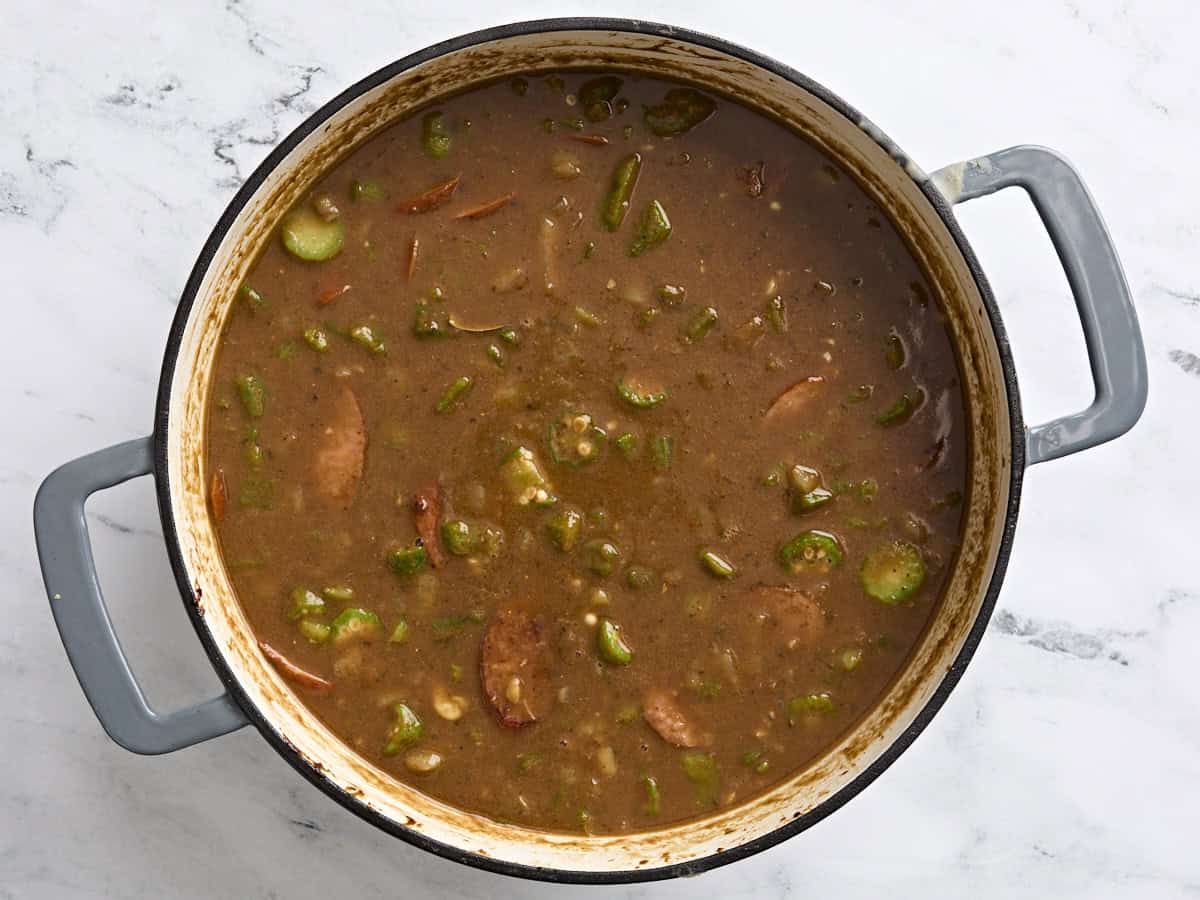
Once the roux reaches its optimal color, the "Holy Trinity" of diced onions, green peppers, and celery is introduced. The moisture from the vegetables serves to instantly cool the roux, halting the cooking process and preventing scorched flour. After the vegetables have softened, the seared meats are reintroduced along with aromatics such as garlic, thyme, bay leaves, and Cajun seasoning. The addition of chicken broth and okra begins the final simmering phase. Okra acts as a secondary thickener, releasing mucilage that gives the gumbo its characteristic silky texture.
Economic Analysis and Supporting Data
In an era of significant food price volatility, the economic viability of gumbo makes it a subject of interest for budget-conscious consumers and culinary researchers alike. Data provided by the Nashville Test Kitchen indicates that a standard eight-serving batch of gumbo costs approximately $15.06 to produce.
Cost Breakdown per Component:
- Proteins ($6.50 – $8.00): By utilizing chicken thighs instead of breasts, cooks can save approximately 30-40% on poultry costs while benefiting from the higher fat content and moisture retention of dark meat. Andouille sausage provides a high flavor-to-cost ratio, as its smokiness permeates the entire pot.
- Vegetables ($2.50 – $3.50): The Holy Trinity consists of low-cost, high-volume staples. The use of frozen okra is a strategic economic choice, often costing 50% less than fresh varieties while providing the same thickening properties.
- Pantry Staples ($1.00 – $2.00): Flour, oil, and dried spices are negligible in cost when purchased in bulk.
- Grains ($1.00): White rice remains one of the most affordable caloric bases in the global food market.
With a total cost of $1.88 per serving, this homemade gumbo provides 673 calories and 27 grams of protein. When compared to the average cost of a restaurant-served gumbo—which typically ranges from $8.00 to $15.00 for a bowl—the home-prepared version represents a savings of over 80%. This data supports the argument that traditional, "slow-food" techniques can be more economically sustainable than modern convenience foods.

Nutritional and Technical Specifications
From a nutritional standpoint, gumbo is a balanced meal, though it is high in sodium, largely due to the inclusion of smoked sausages and commercial Cajun seasonings. The Nashville Test Kitchen report notes a sodium content of 1280mg per serving, which represents approximately 56% of the recommended daily value. For health-conscious consumers, experts suggest utilizing low-sodium broths or creating homemade Cajun seasoning to control salt intake.
Technically, the success of the dish relies on the suspension of fats within the starch-darkened roux. If the roux is handled correctly, the resulting stew will be homogeneous and rich. If the temperature is too high, the oil may separate, leading to a greasy surface. The inclusion of acidic elements, such as Louisiana-style hot sauce, at the end of the cooking process provides a necessary brightness to cut through the heavy, toasted notes of the dark roux.
Statements from Culinary Professionals
Melissa Nolan, a recipe developer and Chef Instructor with experience at Thomas Keller’s Per Se, emphasizes that the "personal" nature of gumbo is what allows it to remain a staple. "Ask a dozen gumbo aficionados for their recipe, and you will get twelve passionate, different answers," Nolan states. She highlights that while the ingredients can be adjusted based on budget—using frozen okra or store-bought bouillon—the technique of the roux is non-negotiable.
The Nashville Test Kitchen staff further noted that the "rigorous testing" of this specific recipe was aimed at ensuring it remained "fail-proof" for those who might be intimidated by the three-hour commitment. Their findings suggest that the use of a deep skillet or a heavy-bottomed Dutch oven is essential for even heat distribution during the lengthy roux-making process.
Broader Implications for Modern Gastronomy
The enduring popularity of gumbo in the 21st century reflects a broader trend toward "heritage cooking." As global supply chains face challenges and food costs rise, there is a renewed interest in dishes that utilize humble ingredients to create complex flavors. Gumbo is a "stretcher" meal; it was designed historically to feed large families using whatever was available—be it seafood, poultry, or wild game.

Furthermore, the dish serves as a vehicle for cultural preservation. By teaching the next generation the patience required for a two-hour roux, the culinary community ensures that the distinction between "fast food" and "soul food" remains clear. The psychological impact of such a dish cannot be overstated; the three-hour preparation time creates a communal atmosphere in the kitchen, turning a simple meal into an event.

In conclusion, the traditional Louisiana gumbo remains a pinnacle of regional American cooking. It is a dish that rewards the patient, sustains the budget-conscious, and honors a diverse history. Whether served in a professional kitchen or a modest home, the combination of the dark roux, the Holy Trinity, and the slow-simmered proteins continues to silence rooms and satisfy appetites, proving that some of the best culinary investments are measured in hours, not dollars.
