
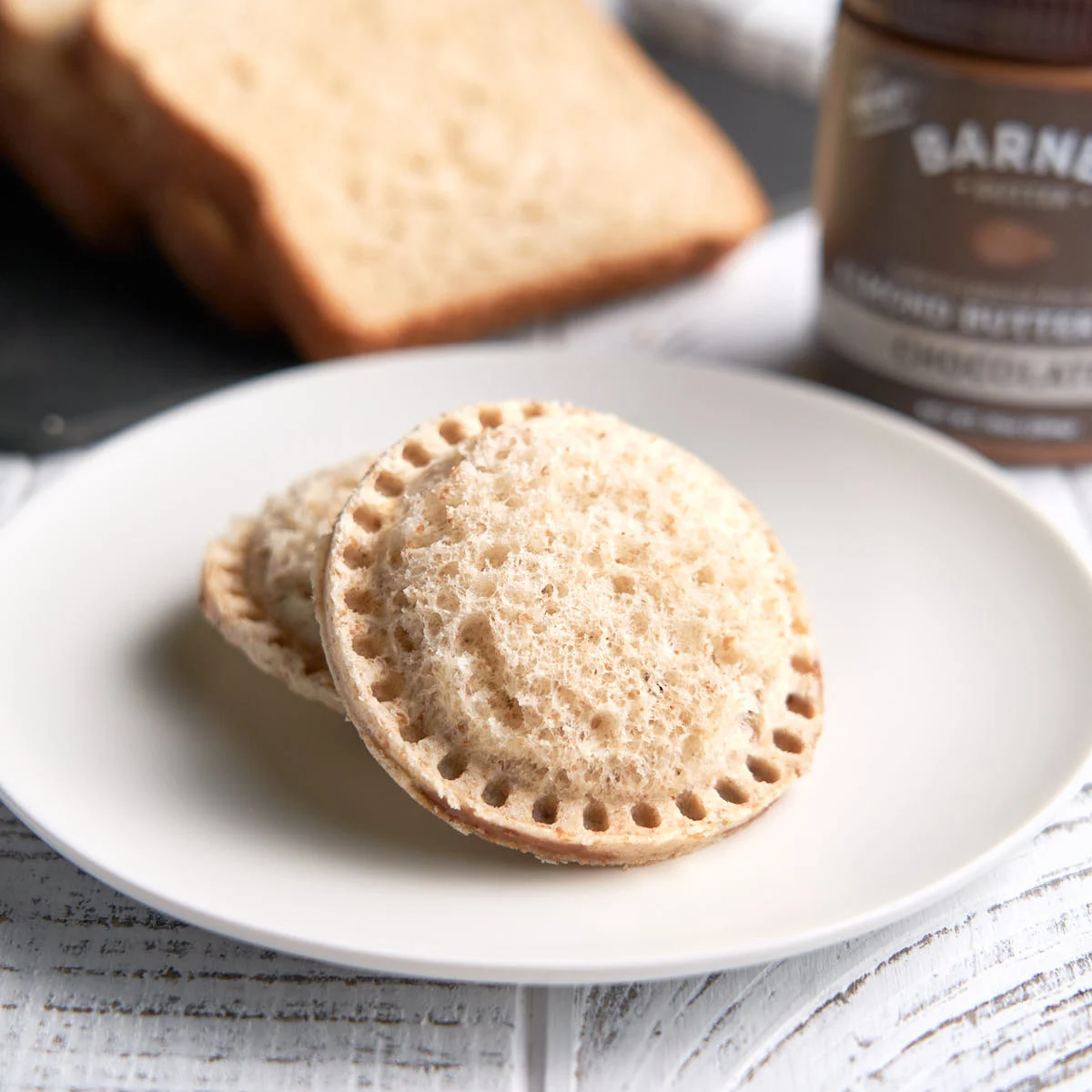
The humble Uncrustable, a sealed sandwich that has long been a favorite among children and convenient for busy adults, is experiencing a resurgence in popularity, driven by a growing interest in homemade alternatives and a desire for healthier, more customizable options. This trend is underscored by the emergence of detailed guides and recipes that aim to replicate and even improve upon the store-bought classic, with a particular focus on chocolate-filled varieties.
The Rise of the Homemade Uncrustable
The appeal of the Uncrustable lies in its simplicity and its ability to contain fillings securely, making it an ideal grab-and-go option. However, concerns about processed ingredients, high sugar content, and a lack of customization have led many consumers to explore homemade versions. The advent of specialized sandwich cutters and sealers has democratized the process, allowing anyone to create these beloved treats in their own kitchens. This movement is not just about nostalgia; it’s a response to a demand for more wholesome and accessible food options.

The recent surge in interest in homemade Uncrustables can be linked to several factors. Firstly, the growing "foodie" culture and the accessibility of online recipe platforms have empowered individuals to recreate popular foods at home. Secondly, an increased awareness of nutrition and ingredient sourcing has driven consumers to seek out alternatives with fewer preservatives and controlled sugar levels. Finally, the inherent fun and engagement associated with making these sandwiches, especially for families, contributes significantly to their appeal.
Crafting the Perfect Chocolate Uncrustable
At the heart of a superior homemade chocolate Uncrustable is the quality of the chocolate spread. While many associate the store-bought version with a chocolate hazelnut spread like Nutella, a growing number of home cooks are discovering alternatives that offer a richer flavor profile and improved nutritional benefits.
One highly recommended option is Barney Butter’s Almond Butter with Chocolate. This spread stands out for its smooth texture and balanced sweetness. Crucially, it boasts a significantly lower added sugar content compared to traditional chocolate hazelnut spreads. For instance, Barney Butter typically contains around 2 grams of added sugar per serving, a stark contrast to Nutella’s approximately 21 grams. This makes it a more health-conscious choice, particularly for breakfast or snacks, aligning with a desire for reduced sugar intake without sacrificing flavor.

The Science of the Seal: Uncrustable Makers and Their Impact
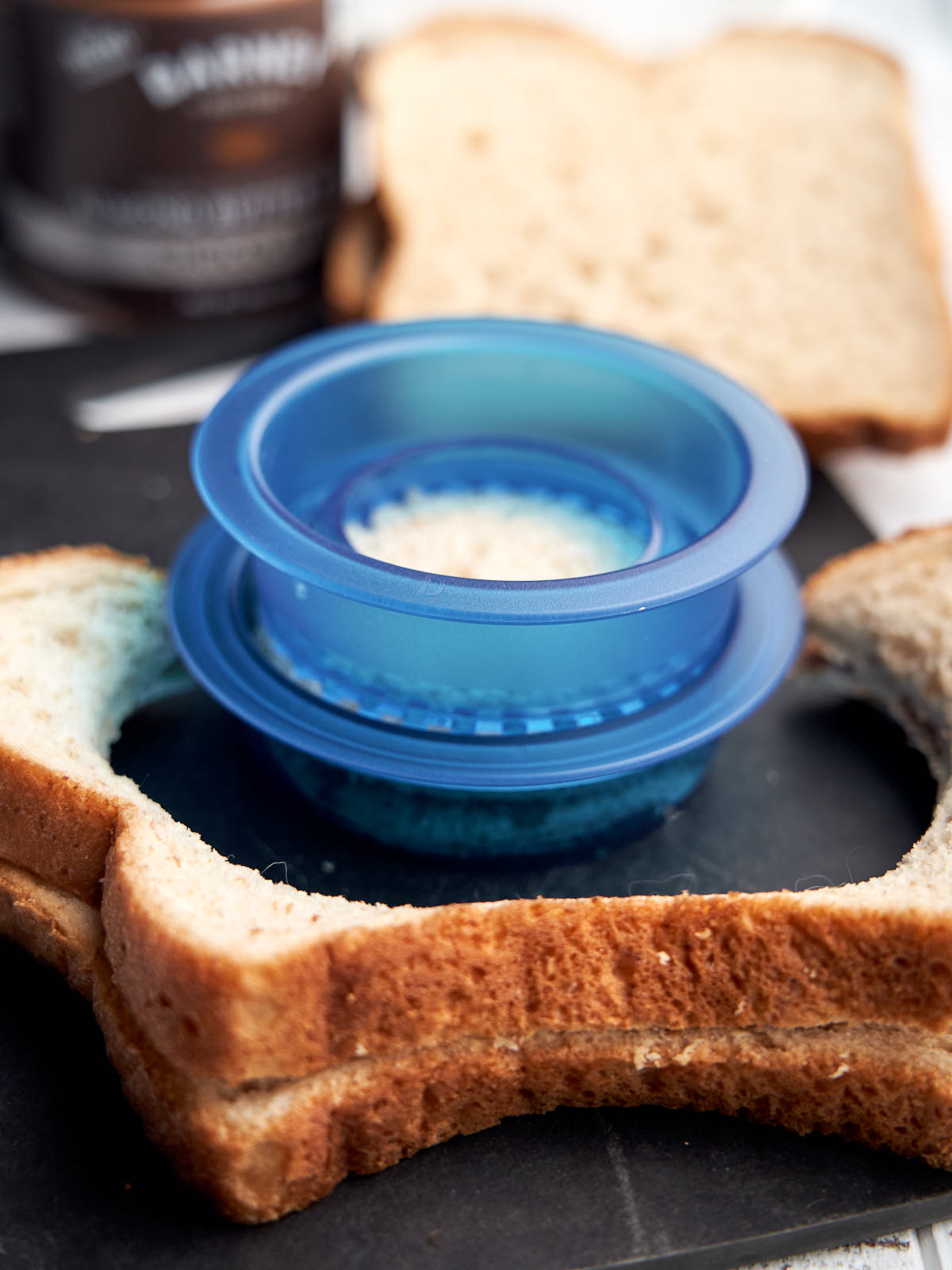
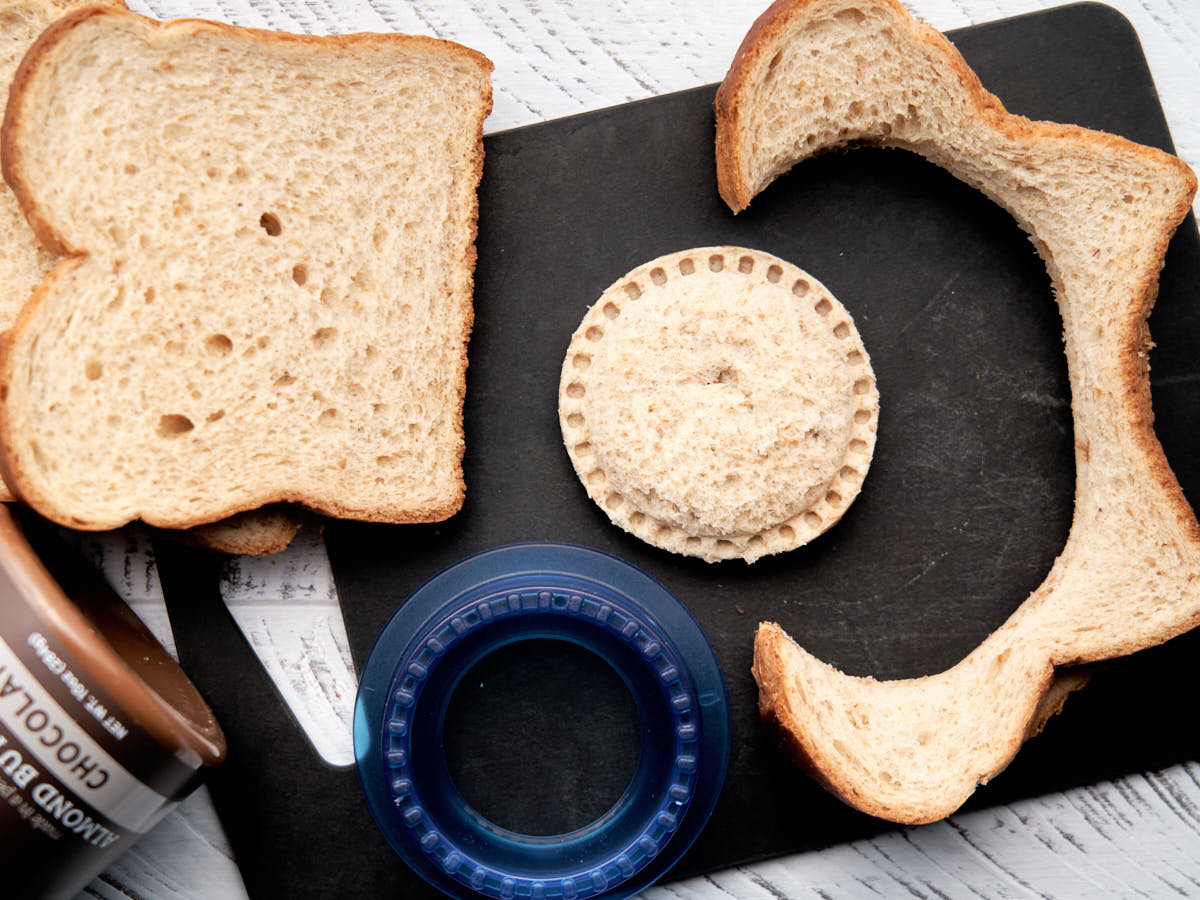
The defining characteristic of an Uncrustable is its perfectly sealed edge, which prevents filling leakage. This is achieved through specialized sandwich cutters and sealers. These tools typically consist of a circular cutter to remove the crusts and a pressing mechanism to crimp the edges of the bread, creating a secure seal.
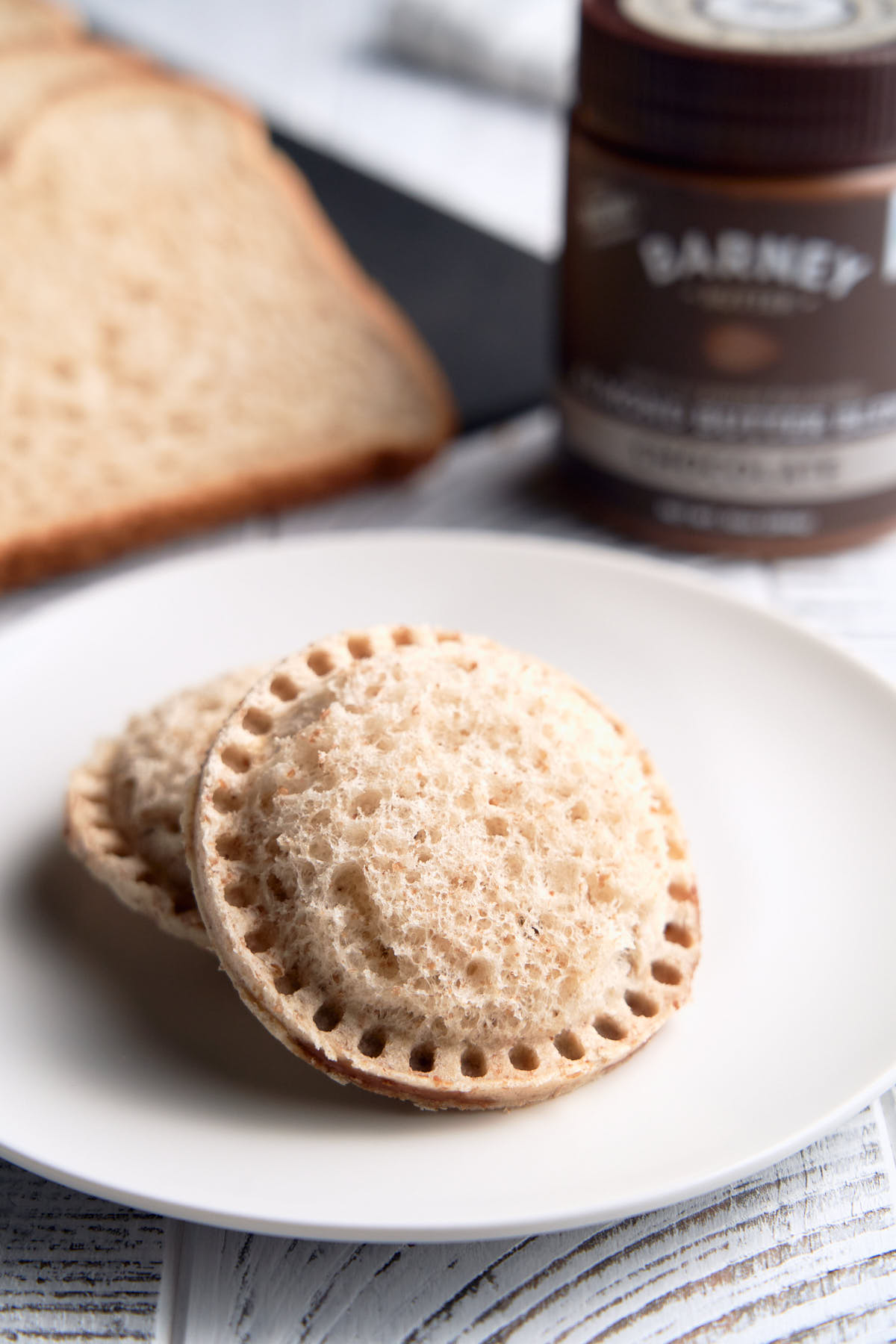
When selecting an Uncrustable maker, a key consideration is the edge design. Some models produce a wavy edge, while others, like the popular model recommended by many home cooks, replicate the classic Smucker’s Uncrustables edge. This attention to detail is important for those aiming for an authentic aesthetic, especially when preparing treats for children who may be accustomed to the commercial product.
The process of using these makers is remarkably simple, often involving just two steps: first, cutting the bread to the desired size, and second, pressing the edges to seal. This ease of use contributes to the widespread adoption of homemade Uncrustables.
Nutritional Considerations and Healthier Choices
The move towards homemade Uncrustables is also a conscious effort to address the nutritional content of store-bought options. While convenient, many commercially produced Uncrustables can be high in added sugars, refined carbohydrates, and unhealthy fats. By opting for homemade versions, consumers gain control over the ingredients.
Using a quality chocolate spread like Barney Butter’s Almond Butter with Chocolate is a significant step in this direction. The almond butter base provides healthy fats and protein, while the reduced sugar content makes it a more balanced choice. Furthermore, the type of bread used plays a crucial role. Soft white or honey wheat breads tend to perform best, as they are less likely to crack during the sealing process. Whole wheat breads, while nutritious, can sometimes be too dense and may not hold the seal as effectively.
Strategic Filling: Avoiding Overflow
A common pitfall when making homemade Uncrustables is overfilling. The compact nature of the sealed sandwich means that even a small excess of filling can lead to spillage. Experts advise spreading the filling thinly and keeping it concentrated in the center of the bread slices. This prevents the spread from reaching the edges where the sealing action occurs, ensuring a clean and secure finish.
A Timeline of Convenience: From Concept to Kitchen
The concept of the sealed sandwich has roots in various culinary traditions, but the modern, commercially produced Uncrustable gained widespread recognition in the late 1990s. Smucker’s introduced the product, quickly capitalizing on its appeal to children and the demand for convenient, portable snacks.
The DIY movement, however, gained traction more recently, fueled by the accessibility of kitchen gadgets and online recipe sharing. The development and widespread availability of affordable sandwich cutters and sealers in the 2010s marked a turning point, transforming the creation of these sealed sandwiches from a niche activity to a mainstream home-cooking trend. The COVID-19 pandemic, which saw a surge in home baking and cooking, further accelerated this trend, as families sought engaging and delicious activities to do together.
Broader Impact and Future Implications
The rise of the homemade Uncrustable signifies a broader shift in consumer behavior. It reflects a growing desire for transparency in food production, a preference for healthier ingredients, and an appreciation for the culinary process itself. This trend has implications for both consumers and the food industry.
For consumers, it means access to more nutritious and customizable versions of beloved snacks. For food manufacturers, it presents an opportunity to innovate and offer products that align with these evolving consumer demands, perhaps by developing lower-sugar spreads or kits that facilitate home preparation.
The homemade Uncrustable movement also highlights the enduring appeal of comfort food and the satisfaction derived from creating familiar treats from scratch. As more individuals embrace this trend, it is likely to inspire further exploration into other nostalgic and convenience-focused foods, driving innovation in the home kitchen and beyond. The ability to replicate and enhance a store-bought favorite like the Uncrustable underscores the power of home cooking to adapt and thrive in response to modern dietary and lifestyle needs.
