
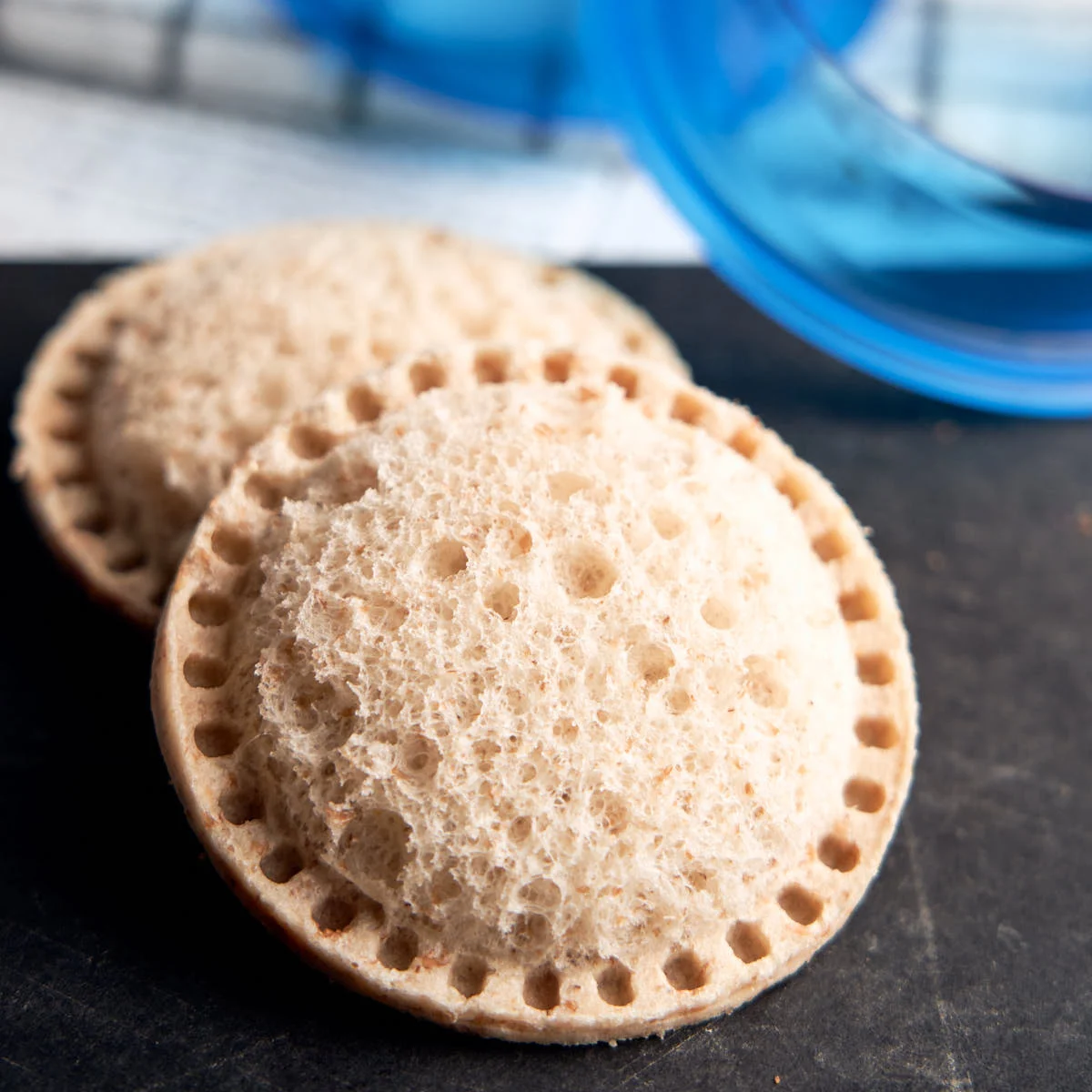
The enduring appeal of the peanut butter and honey sandwich, particularly in its convenient, pre-sealed "Uncrustables" format, has inspired a burgeoning movement among home cooks to recreate this childhood favorite. This trend, driven by desires for healthier ingredients, cost savings, and a reduced environmental footprint, transforms a simple snack into a deliberate act of culinary self-sufficiency.
The journey into crafting homemade Uncrustables often begins with an appreciation for the beloved store-bought version, a product that has graced lunchboxes and snack drawers for decades. Smucker’s, the pioneering brand, first introduced these sealed sandwiches in the late 1990s, quickly capturing the market with their portability and kid-friendly design. However, as consumer awareness around ingredient transparency and sustainability has grown, so too has the interest in understanding and replicating the magic of these sealed treats at home.
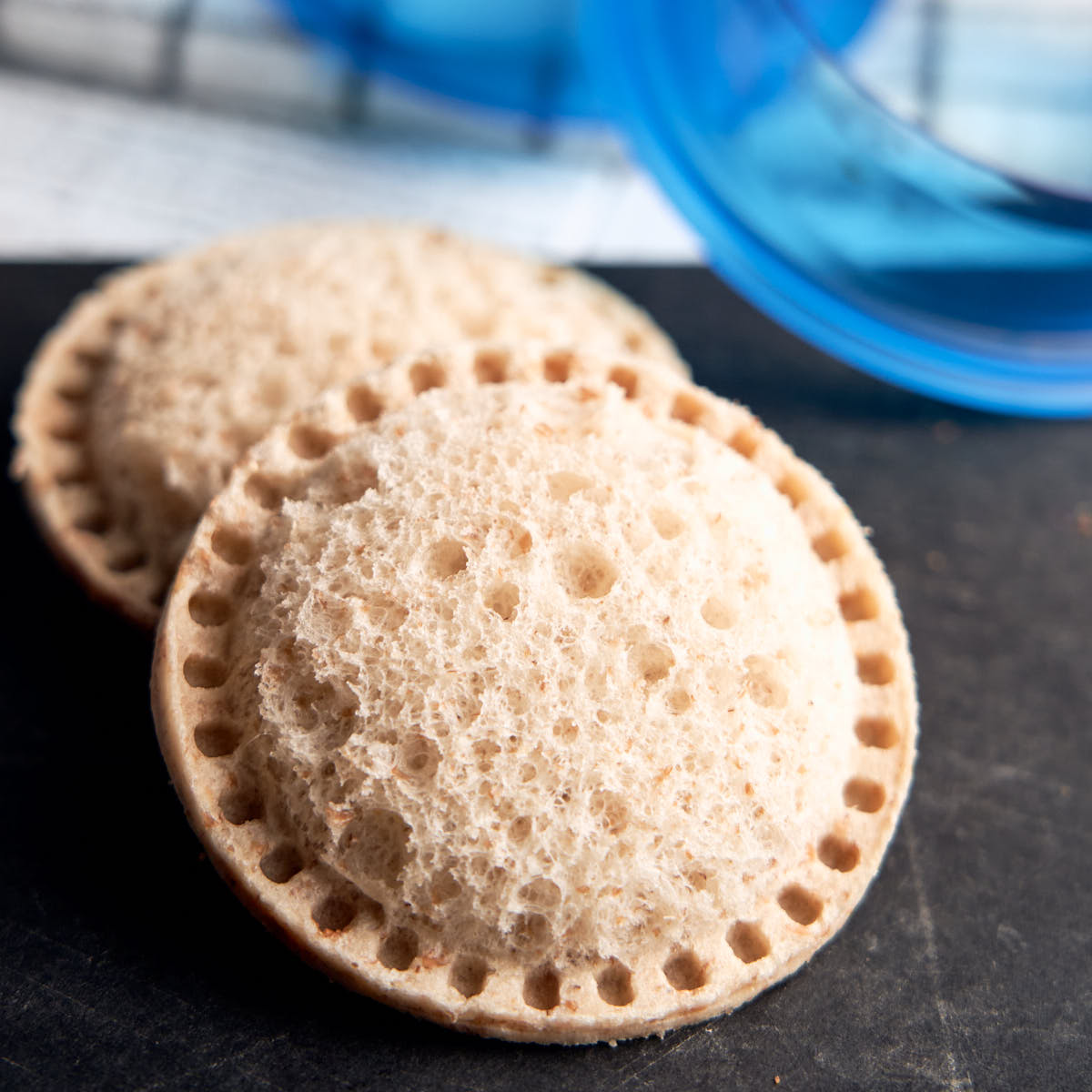
The core appeal of the homemade Uncrustable lies in its inherent advantages over its commercially produced counterpart. Firstly, it offers a significant nutritional upgrade. While store-bought versions often contain added sugars in both the peanut butter and the "honey spread," homemade options allow for precise control over ingredients. This means opting for natural peanut butter with no added sweeteners and using pure honey, thereby reducing overall sugar intake. Data from the U.S. Department of Agriculture consistently highlights the prevalence of added sugars in processed foods, making this a critical consideration for health-conscious families.
Secondly, the economic benefits are substantial. The cost per serving of homemade Uncrustables can be significantly lower than purchasing pre-packaged varieties. When factoring in the price of bread, peanut butter, and honey, the savings become more pronounced, especially for families with multiple children who regularly consume these snacks.
Beyond nutrition and cost, the environmental impact is another compelling factor. The single-use plastic packaging associated with store-bought Uncrustables contributes to the growing global plastic waste crisis. By making them at home, consumers can eliminate this waste entirely, opting for reusable containers or beeswax wraps for storage. This aligns with a broader societal shift towards more sustainable consumption patterns.
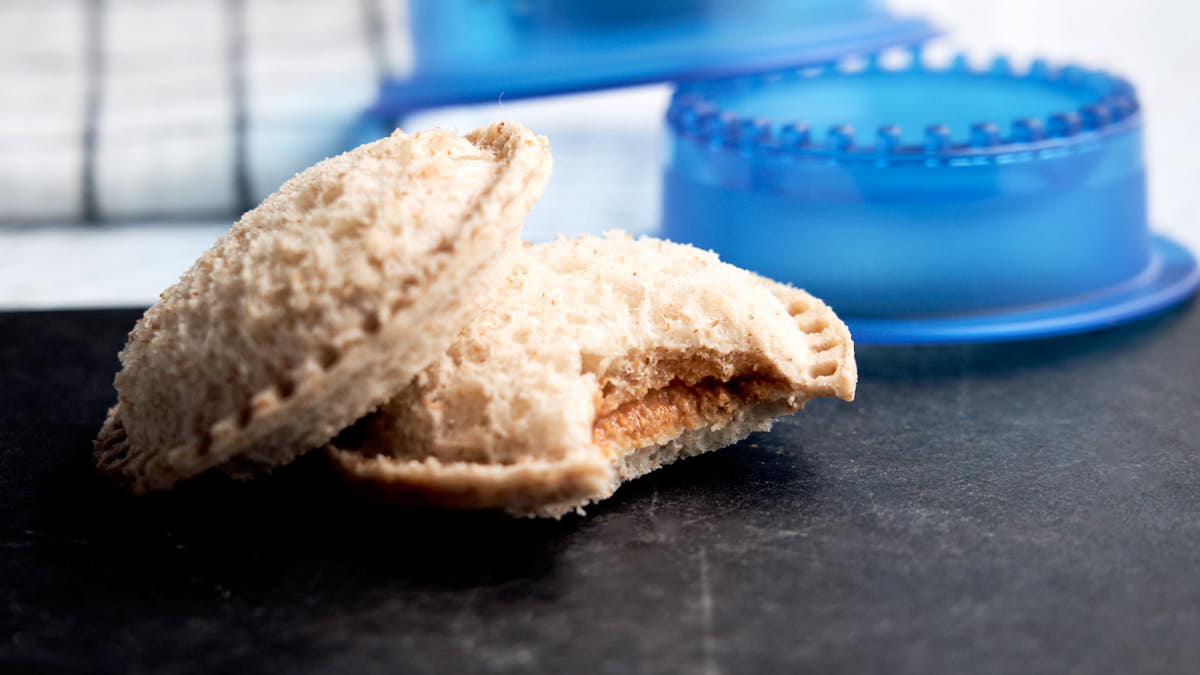
The process of creating homemade Uncrustables is remarkably straightforward, often facilitated by specialized sandwich cutters and sealers. These tools, readily available online and in kitchenware stores, simplify the task of creating the signature crimped edge, ensuring a neat and appealing final product. The basic recipe typically involves just three ingredients: bread, peanut butter, and honey. However, the versatility of this simple formula allows for creative variations and ingredient choices.
The author’s previous exploration of almond butter and chocolate Uncrustables, as mentioned in their earlier posts, underscores the adaptability of the Uncrustable concept. This current focus on peanut butter and honey, a classic combination, reinforces its widespread popularity. The recommendation of a specific "delicious spread" and a particular sandwich cutter further guides aspiring home chefs towards successful execution.
The article highlights the intrinsic value of homemade food preparation, particularly for children. Engaging children in the process of making their own snacks can foster a greater appreciation for food, encourage healthy eating habits, and develop valuable life skills. The act of creating something edible and enjoyable from basic ingredients can be a powerful learning experience.
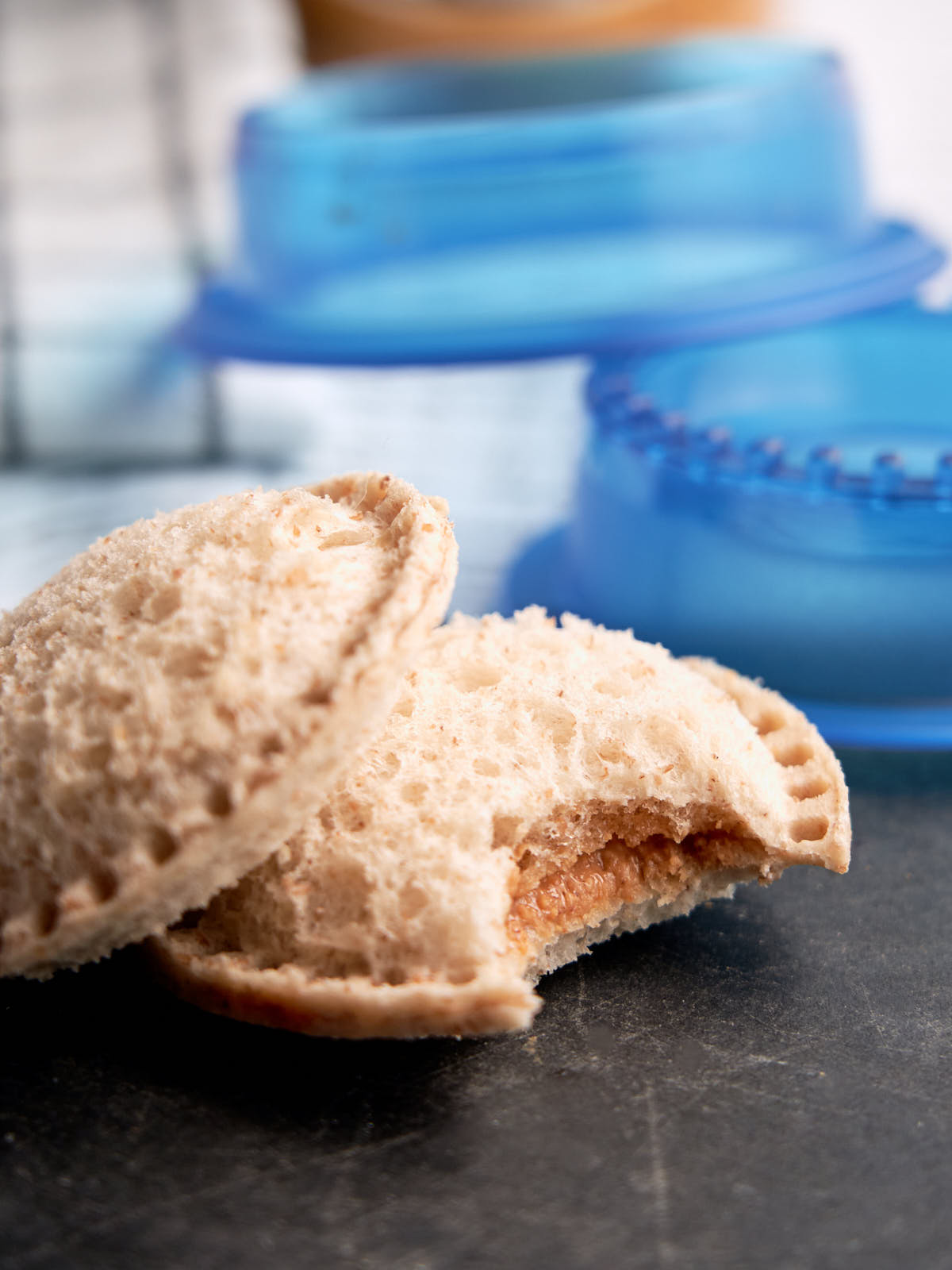
A key point of differentiation between homemade and store-bought Uncrustables lies in ingredient selection. The article meticulously points out the presence of added sugar in the peanut butter and as the primary ingredient in the honey spread of commercial versions. By contrast, the homemade approach champions the use of natural peanut butter, often a blend of peanuts and salt, and pure, unadulterated honey. This conscious choice reflects a growing demand for cleaner labels and fewer processed ingredients. For instance, the emphasis on sugar-free peanut butter aligns with dietary trends that seek to minimize refined sugars, a practice supported by health organizations like the World Health Organization, which recommends limiting sugar intake.
The article also addresses a practical concern for many home cooks: the fate of leftover bread crusts. Instead of discarding them, the author proposes several resourceful solutions. Croutons are a popular option, pan-fried with olive oil or butter and seasoned with herbs and spices, providing a savory snack or a crunchy addition to meals. This aligns with the growing zero-waste movement, which advocates for minimizing food waste by utilizing all edible parts of ingredients.
Another suggestion is to transform the crusts into breadcrumbs. This can be achieved by toasting them lightly and then processing them into fine crumbs, which can then be used in various recipes, from breading chicken to topping casseroles. This approach maximizes the utility of the bread and further reduces waste. For those who prefer immediate gratification, the crusts can simply be eaten as is, either as a snack or as part of a larger meal. This pragmatic approach to ingredient utilization underscores a philosophy of resourcefulness in the kitchen.
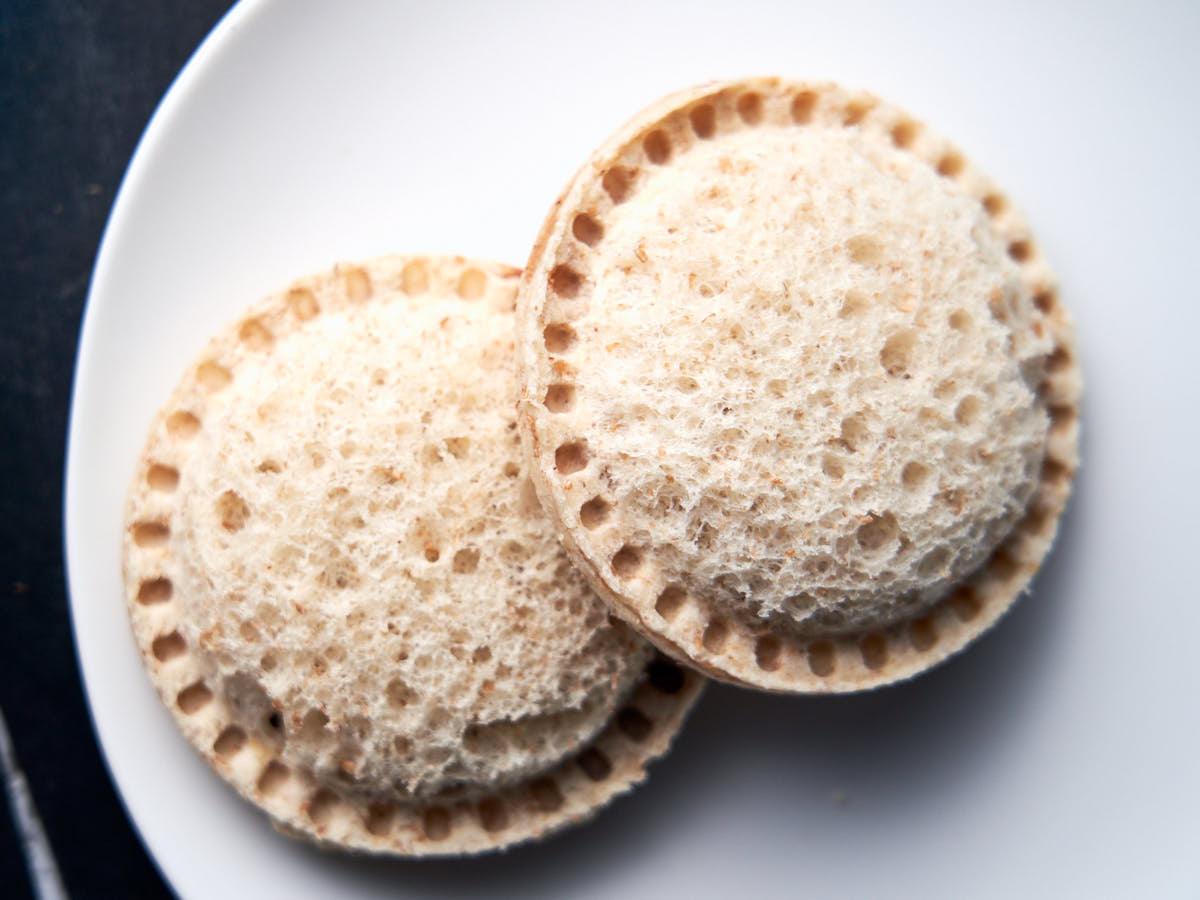
The article specifically recommends an "uncrustable maker" available on Amazon, noting its effectiveness in replicating the classic Smucker’s edge. This detail is crucial for home cooks seeking to achieve an authentic look and feel for their homemade creations. The mention of the availability of different designs, some with wavy edges, highlights the importance of choosing the right tool for desired results.
The broader implications of this homemade food trend extend beyond individual kitchens. It represents a microcosm of a larger societal shift towards mindful consumption, where consumers are increasingly questioning the origins and composition of their food. This trend encourages a more direct relationship with food, fostering a deeper understanding of ingredients and preparation methods. It also has the potential to empower individuals to take greater control over their health and dietary choices.
The cultivation of culinary skills, particularly among younger generations, is another significant benefit. By participating in the creation of familiar treats, children can develop a sense of accomplishment and a foundational understanding of cooking. This engagement can translate into healthier eating habits throughout their lives.
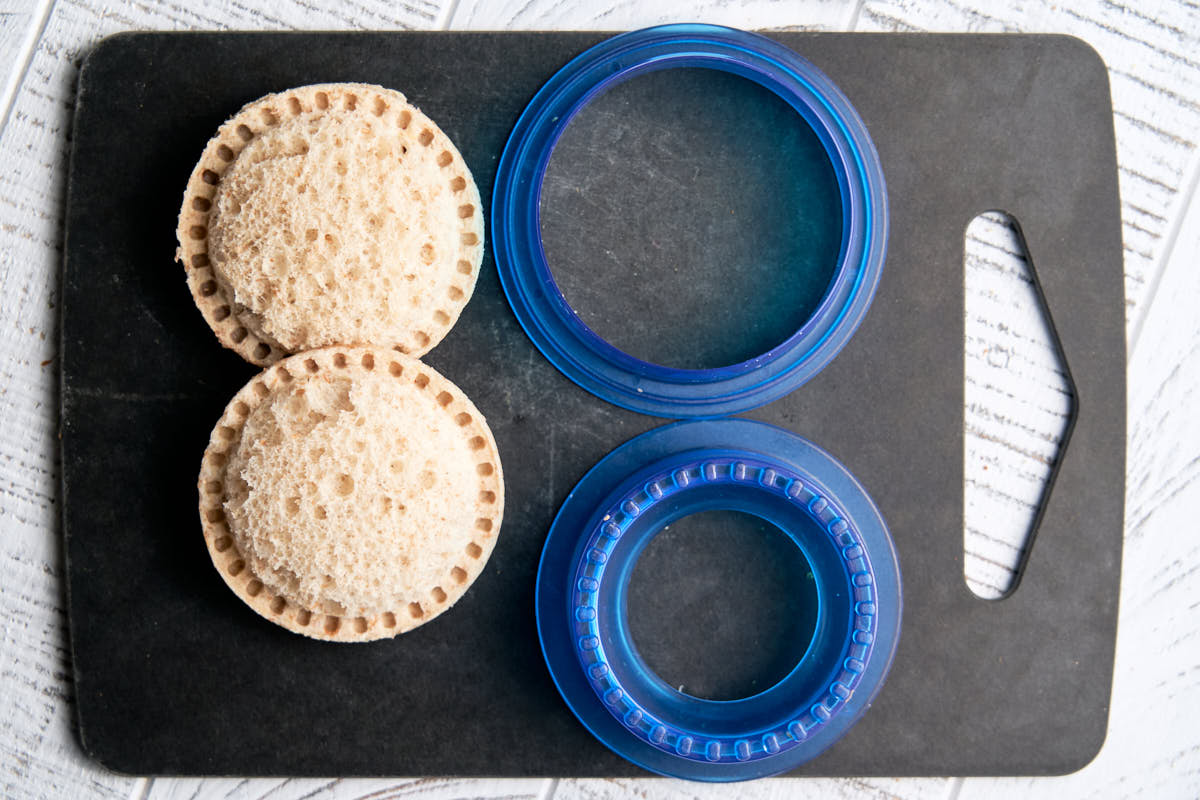
The author’s invitation for readers to share their own filling ideas further emphasizes the collaborative and evolving nature of home cooking. The peanut butter and honey combination, while classic, is merely a starting point for a vast array of potential flavor profiles. This encourages experimentation and fosters a sense of community among food enthusiasts.
In conclusion, the humble peanut butter and honey Uncrustable, when recreated at home, transcends its status as a mere snack. It becomes a symbol of mindful consumption, a testament to the power of simple ingredients, and an opportunity for family engagement. The trend towards homemade versions of popular convenience foods reflects a growing desire for transparency, health consciousness, and environmental responsibility, proving that nostalgia can indeed be a powerful catalyst for positive change in our kitchens and beyond.
