
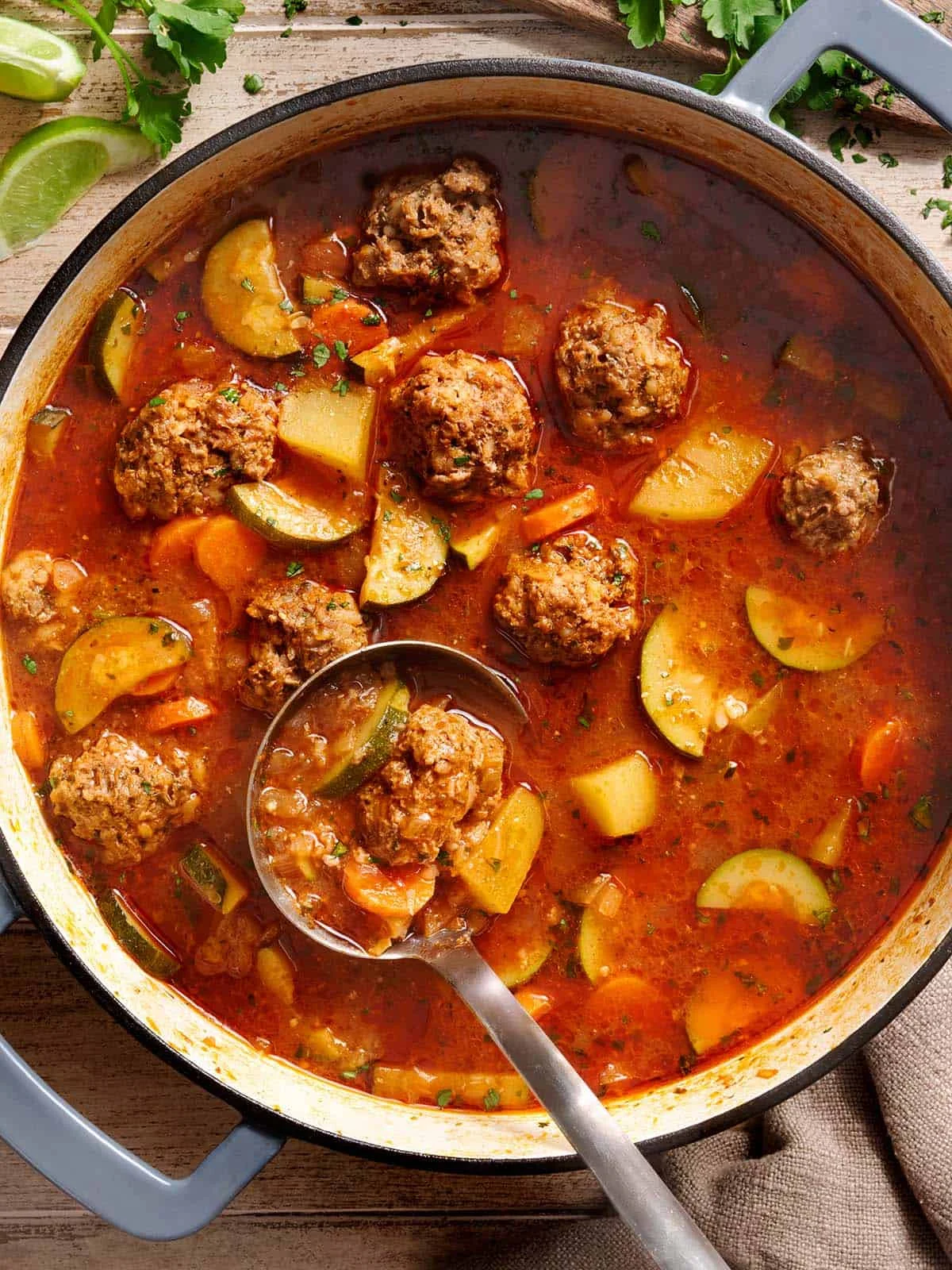
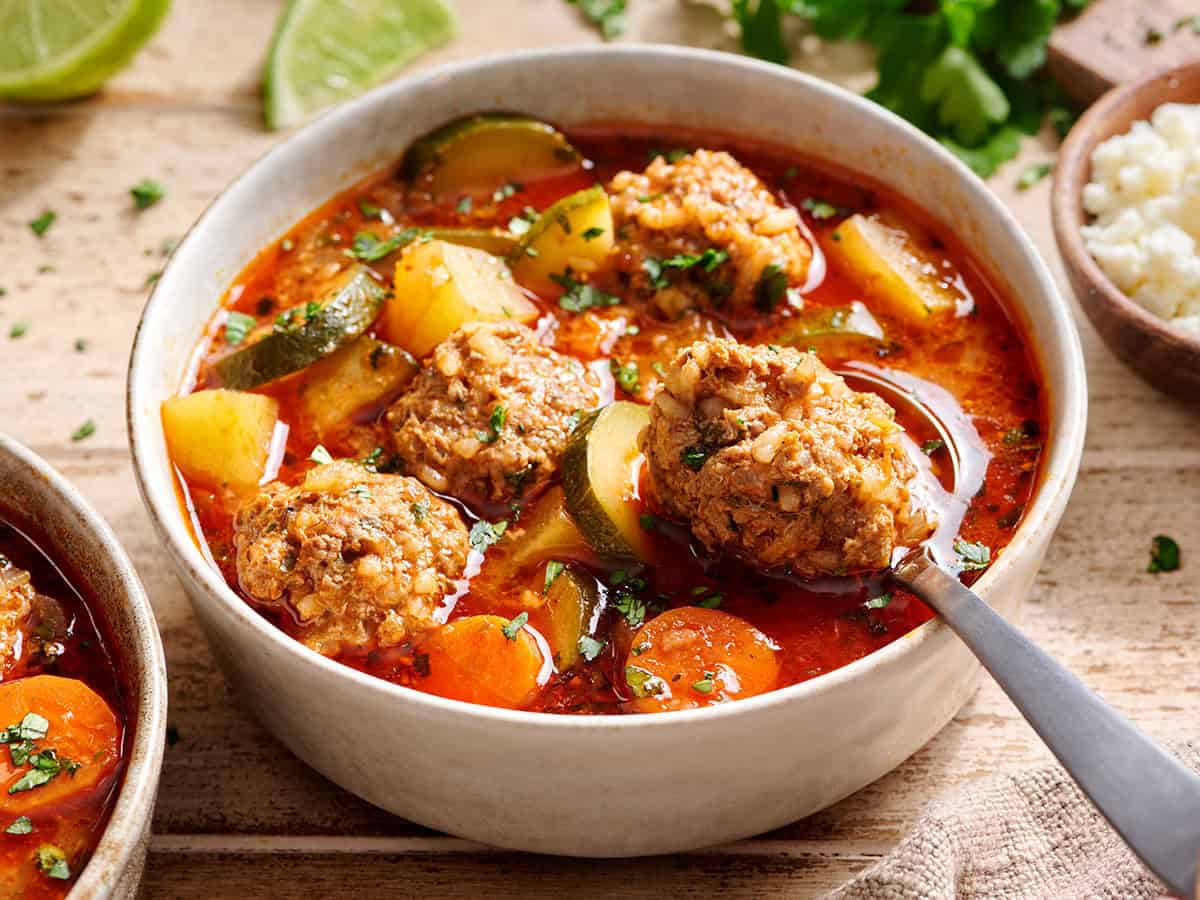
The traditional Mexican dish known as Albóndigas soup has emerged as a cornerstone of affordable, nutrient-dense home cooking, blending historical culinary influences with modern dietary requirements. As food inflation continues to impact household budgets globally, recipes that prioritize whole ingredients and cost-effective pantry staples have seen a resurgence in popularity. Albóndigas, which translates simply to "meatballs" in Spanish, represents more than a standard soup; it is a complex assembly of proteins, carbohydrates, and essential vitamins, structured around a broth that intensifies in flavor over time. This particular rendition of the classic dish, rigorously tested by culinary experts in the Nashville Test Kitchen, emphasizes accessibility by utilizing uncooked rice as a binding agent—a technique that simultaneously lowers the cost of production and ensures the meal remains naturally gluten-free.
The Historical and Cultural Evolution of Albóndigas
To understand the significance of Mexican meatball soup, one must look at the transcontinental journey of the "albóndiga" itself. The term is derived from the Arabic word al-bunduq, which means "the hazelnut" or "small round object." This etymological root points to the Islamic influence in the Iberian Peninsula during the era of Al-Andalus. The Moors introduced the concept of seasoned, sphere-shaped minced meat to Spain, where it was integrated into the local gastronomy. Following the Spanish colonization of the Americas, these culinary techniques merged with indigenous Mexican ingredients and traditions.
In Mexico, the dish evolved into a "sopa de sustento"—a sustaining soup. Unlike the dense, sauce-heavy meatballs found in Italian-American cuisine, Mexican albóndigas are characterized by their light, airy texture and their immersion in a clear or tomato-tinted vegetable broth. Over centuries, regional variations have emerged. In some northern Mexican states, the broth is kept minimalist and clear, while in central and southern regions, the inclusion of a tomato-chipotle base or the addition of fresh mint (yerba buena) to the meat mixture provides a distinct aromatic profile. The modern iteration of this soup remains a staple in both domestic kitchens and local "fondas" or "bodegas," prized for its ability to provide comfort and satiety through simple means.
Economic Feasibility and Cost Breakdown
In a rigorous analysis of the recipe’s financial impact, the total cost for a six-serving batch is calculated at approximately $12.78, which translates to a highly competitive $2.13 per serving. This economic efficiency is achieved through the strategic selection of ingredients that offer high volume and nutritional density at a low price point.
The use of uncooked long-grain white rice as a binder instead of traditional breadcrumbs is a key economic and functional driver. Breadcrumbs often require additional purchases or the processing of stale bread, whereas rice is a shelf-stable staple found in most households. Furthermore, the inclusion of hearty, low-cost vegetables such as Yukon Gold potatoes, carrots, and zucchini increases the total volume of the meal without significantly raising the price per bowl.
The protein component—typically one pound of ground beef—is stretched across six servings by the volumetric expansion of the rice during the simmering process. This allows the consumer to enjoy the flavor and satiety of red meat while adhering to a budget-friendly framework. When compared to the average cost of a fast-casual meal in the United States, which currently exceeds $12.00 per person, the Albóndigas soup offers a 463% increase in value for the consumer.
Nutritional Profile and Dietary Implications
From a dietary perspective, the Mexican meatball soup provides a balanced distribution of macronutrients. A single two-cup serving contains approximately 390 calories, making it a substantial main course. The nutritional breakdown is as follows:
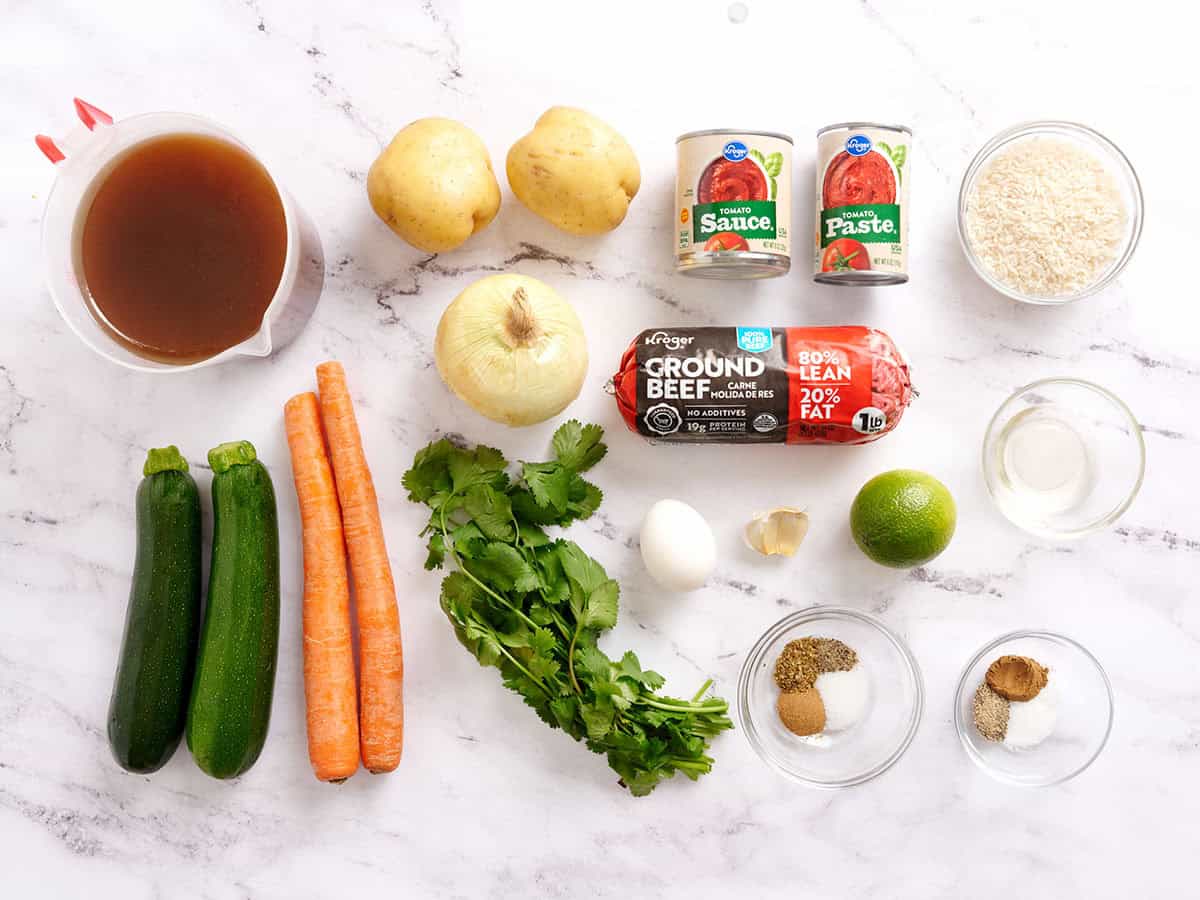
- Protein (21g): Sourced primarily from the ground beef and the inclusion of a large egg as a secondary binder. This protein content supports muscle maintenance and metabolic health.
- Carbohydrates (33g): Derived from the white rice within the meatballs and the starchy Yukon Gold potatoes. These provide the necessary glucose for sustained energy.
- Fats (20g): Including both saturated and unsaturated fats from the beef and the cooking oil used to sauté aromatics.
- Fiber (4g): Provided by the carrots, zucchini, and onions, aiding in digestive health and blood sugar regulation.
One notable nutritional challenge is the sodium content, which can reach 1799mg per serving if using standard commercial broths. Culinary professionals recommend the use of "Better Than Bouillon" or low-sodium stocks to allow for more precise control over seasoning. Additionally, the dish is rich in Vitamin A (from carrots) and Vitamin C (from the fresh lime juice added at the finish), the latter of which also aids in the absorption of iron from the beef.
Technical Preparation and Culinary Mechanics
The preparation of Albóndigas is a tiered process that requires approximately 15 minutes of active prep time and 30 minutes of simmering. The chronology of the recipe is designed to maximize flavor extraction from the aromatics while maintaining the structural integrity of the vegetables.
Phase I: Meatball Construction
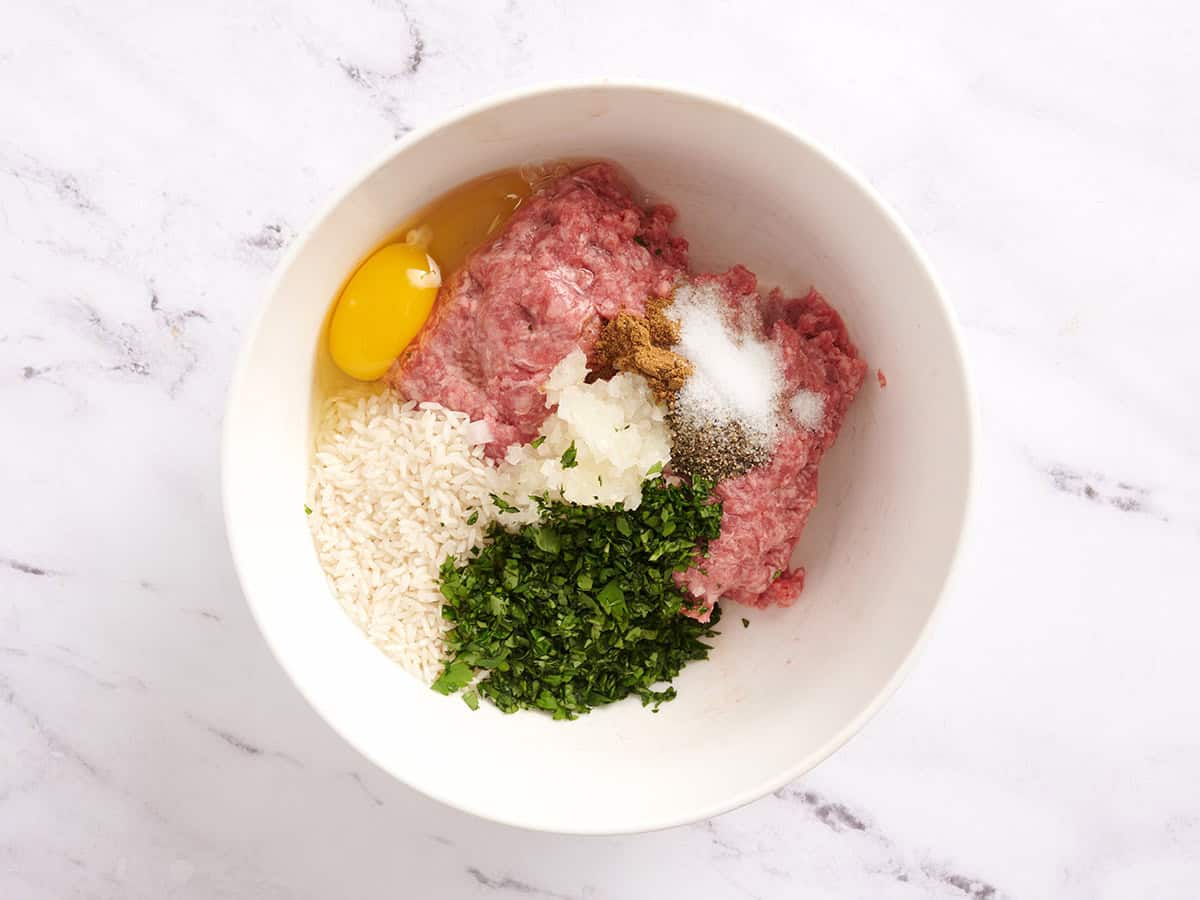
The meatballs are formed by combining ground beef with uncooked rice, egg, minced onion, garlic, and a blend of cumin and cilantro. The Nashville Test Kitchen emphasizes the importance of a gentle mixing technique; over-working the meat can lead to protein cross-linking, resulting in a rubbery texture. The inclusion of uncooked rice is a critical technical step—as the meatballs simmer, the rice absorbs the juices from the meat and the surrounding broth, expanding and creating "pockets" of moisture that keep the meatball tender.
Phase II: The Broth Base
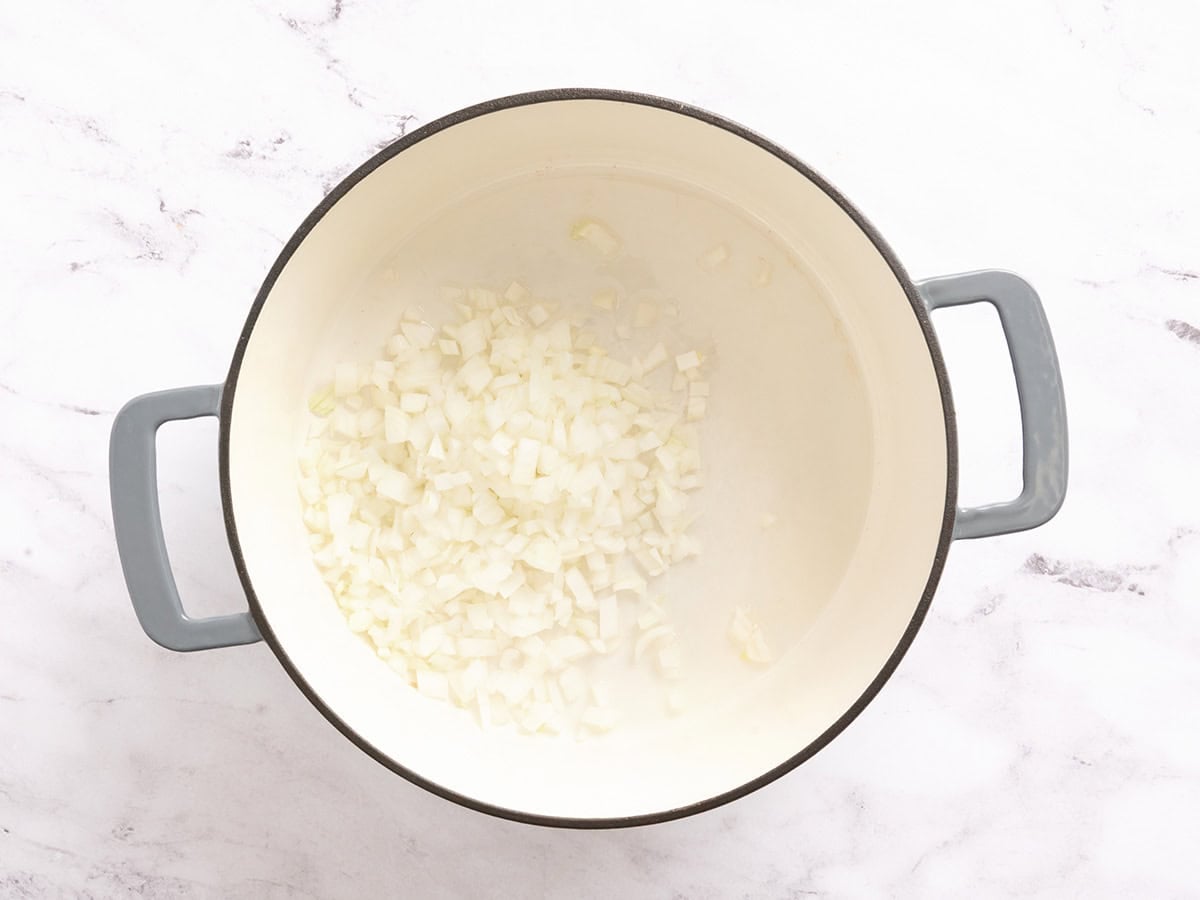
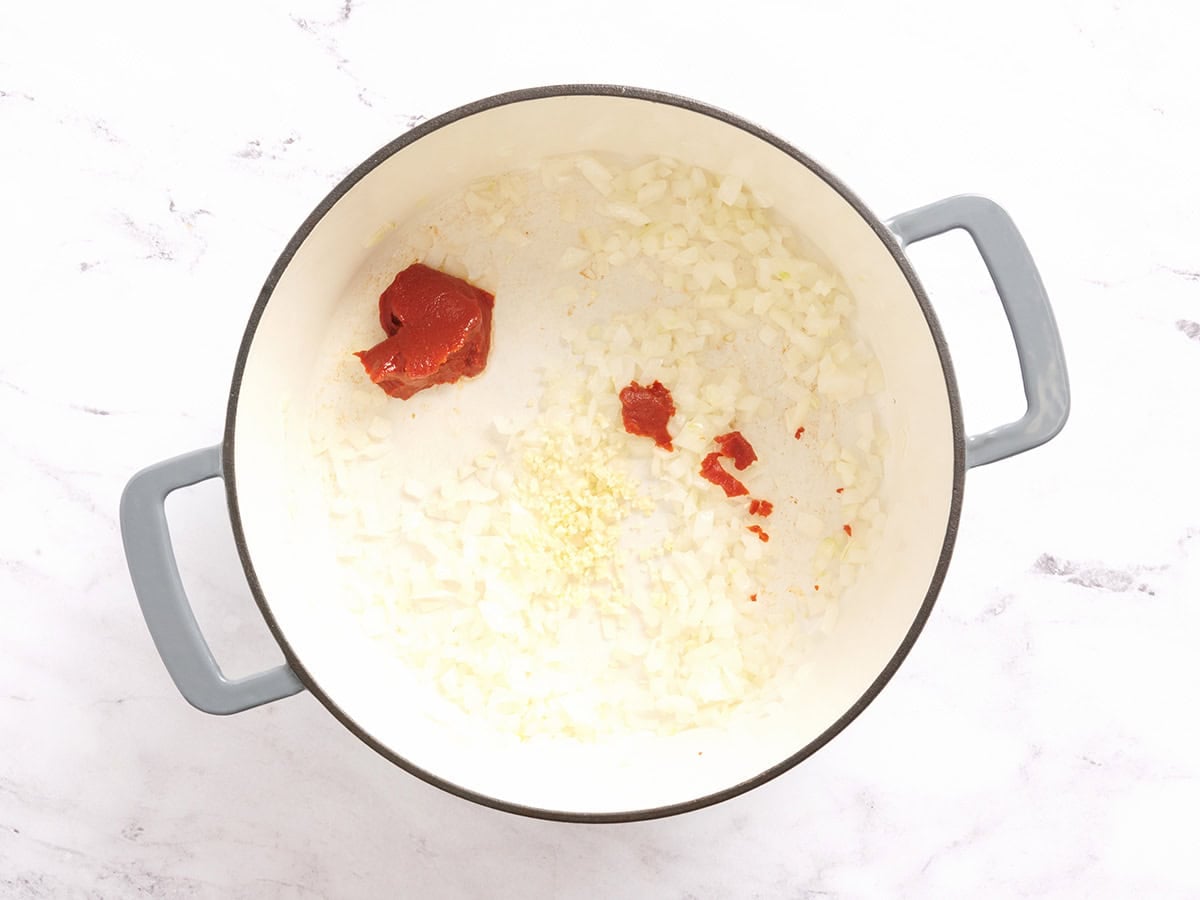
The flavor foundation is built by sautéing onions until translucent, followed by the addition of tomato paste and garlic. This process, known as "pincing" the tomato paste, caramelizes the sugars and removes the raw, metallic taste of the concentrate. The addition of beef broth and tomato sauce (or passata) creates a rich, umami-heavy environment for the subsequent ingredients.
Phase III: The Simmering Process
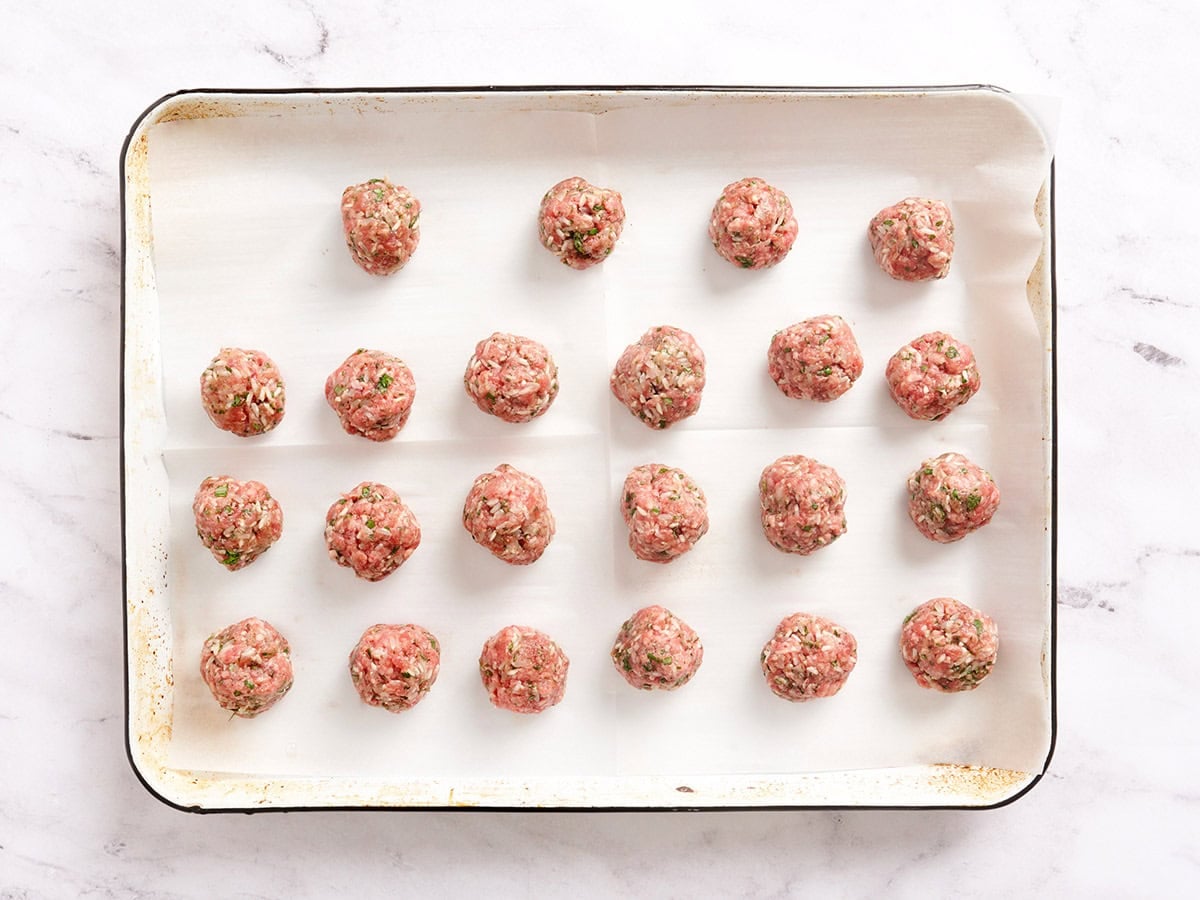
The timeline for adding vegetables is crucial. Harder vegetables like carrots and potatoes are added first to the simmering broth. The meatballs are then carefully lowered into the liquid. A critical rule for home cooks is to avoid stirring for the first five minutes after adding the meatballs; this allows the exterior proteins to denature and "set," preventing the meatballs from disintegrating into the soup. The zucchini, which has a higher water content and softer cell structure, is added in the final five minutes to ensure it retains a slight "al dente" bite rather than becoming mushy.
Scientific Analysis of Flavor Development
A common observation regarding brothy soups like Albóndigas is that they "taste better the next day." This is not merely a subjective preference but a result of chemical processes that continue after the heat source is removed. As the soup cools, the meatballs continue to undergo a process of osmosis, exchanging flavors with the broth.
Furthermore, the aromatic compounds in the cumin, oregano, and garlic are fat-soluble. Over time, these compounds dissolve more thoroughly into the fats rendered from the beef, creating a more cohesive and rounded flavor profile. The starches from the potatoes and the rice also slowly leach into the broth, slightly increasing its viscosity and "mouthfeel" upon reheating.
Broader Impact on Home Cooking Trends
The rise of recipes like the Nashville Test Kitchen’s Albóndigas soup reflects a broader shift in consumer behavior. In an era dominated by highly processed "convenience foods," there is a documented movement toward "slow cooking" and "scratch cooking" that fits within a modern, fast-paced schedule. This recipe bridges that gap by offering a gourmet-level flavor profile within a 45-minute total timeframe.
The emphasis on gluten-free and dairy-free options without the need for expensive specialty ingredients also makes this dish a versatile tool for inclusive meal planning. As more households navigate various dietary restrictions, the ability to serve a single, "one-pot" meal that satisfies everyone—from those with Celiac disease to those looking for high-protein options—reduces the labor and cost associated with domestic food preparation.
Conclusion and Future Outlook
Mexican Meatball Soup (Albóndigas) stands as a testament to the enduring power of traditional culinary wisdom. By utilizing affordable binders like rice and seasonal vegetables, it provides a blueprint for sustainable eating in an inflationary economy. The dish’s ability to provide high nutritional value at $2.13 per serving ensures its place in the repertoire of the modern, budget-conscious consumer. As culinary trends continue to pivot toward authenticity and efficiency, the Albóndigas soup remains a definitive example of how historical recipes can be adapted to meet contemporary needs without sacrificing the soul of the dish. For those seeking to expand their culinary horizons while maintaining fiscal responsibility, this soup offers a perfect intersection of history, science, and flavor.
