
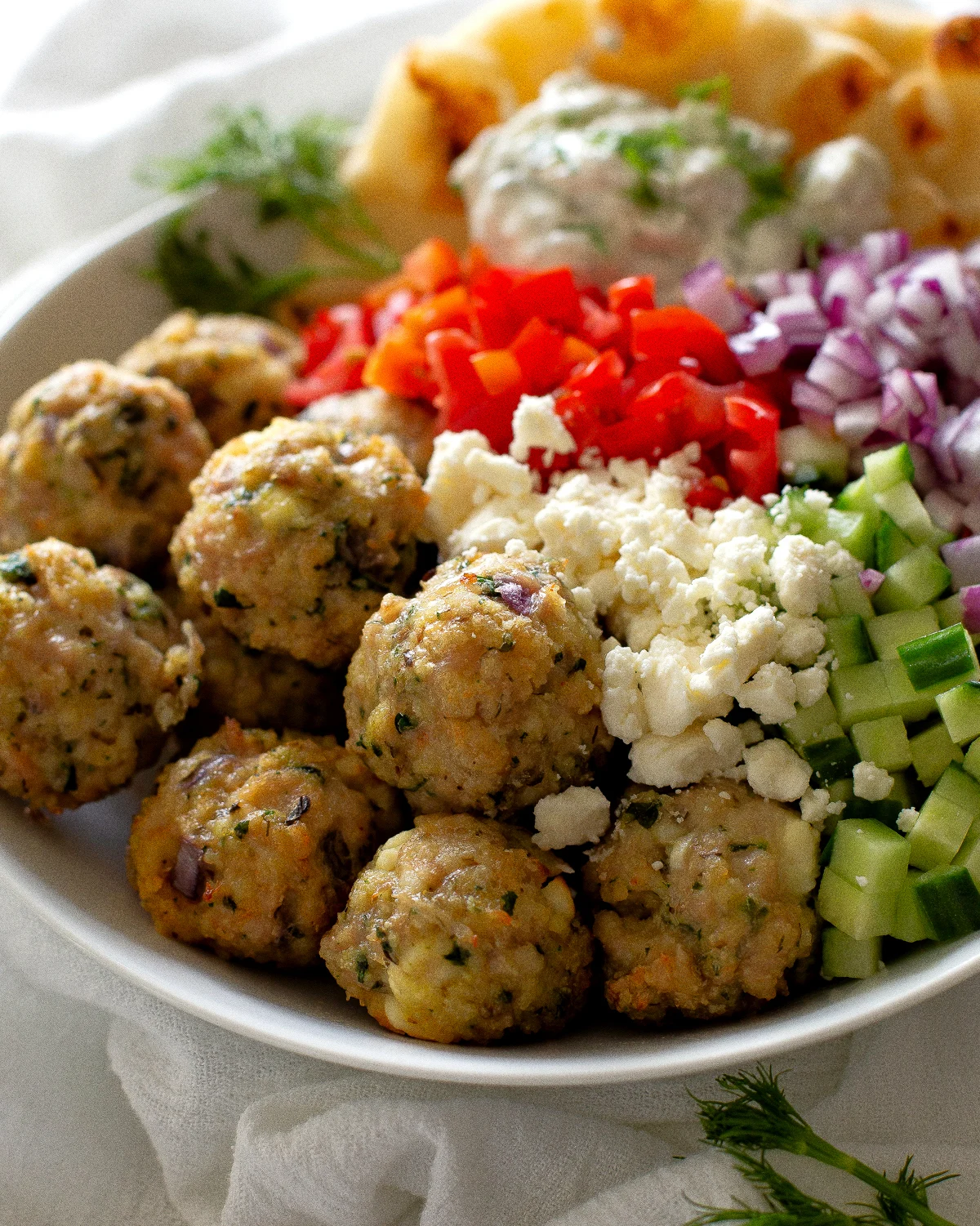
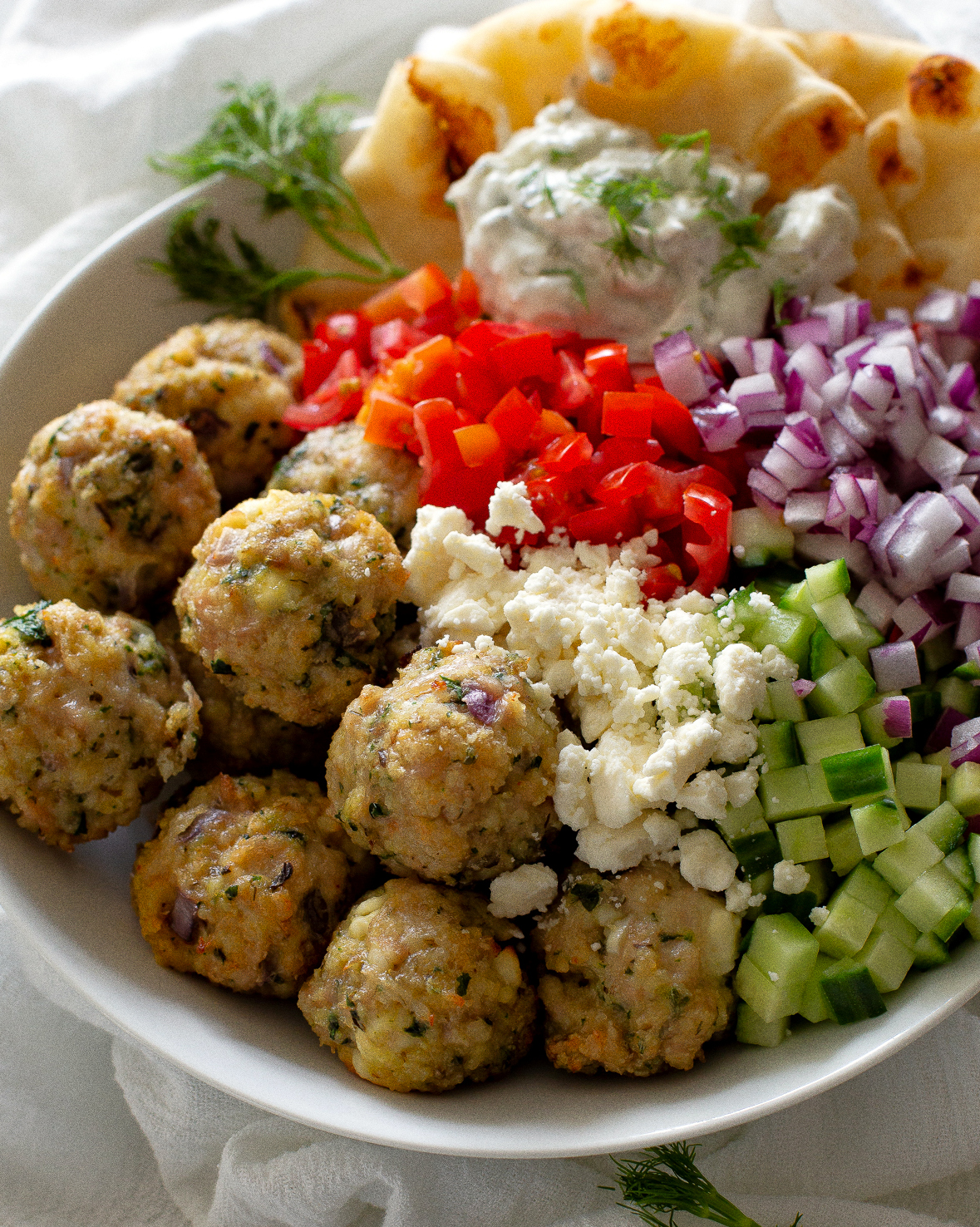
Greek chicken meatballs represent a modern and health-conscious adaptation of the traditional Mediterranean dish, keftedes. These flavorful, herb-infused spheres offer a lighter protein alternative while retaining the vibrant taste profile characteristic of Greek cuisine. Designed for ease of preparation, they serve as an excellent centerpiece for weeknight dinners, proving equally delicious when enjoyed on their own or as a complement to grains like rice or orzo. The recommended accompaniments – a fresh medley of tomato, cucumber, red onion, creamy tzatziki sauce, and salty feta cheese – further enhance the authentic Greek experience.
The Evolution of Keftedes: A Culinary Tradition Reimagined
The origin of keftedes, or Greek meatballs, is deeply rooted in the rich culinary history of Greece, a region celebrated for its emphasis on fresh ingredients and robust flavors. Traditionally, keftedes are prepared using ground beef or lamb, blended with a generous amount of fresh herbs such as parsley, mint, oregano, and garlic, along with finely chopped onion. This foundational recipe has been a staple in Greek households for generations, passed down through family traditions.
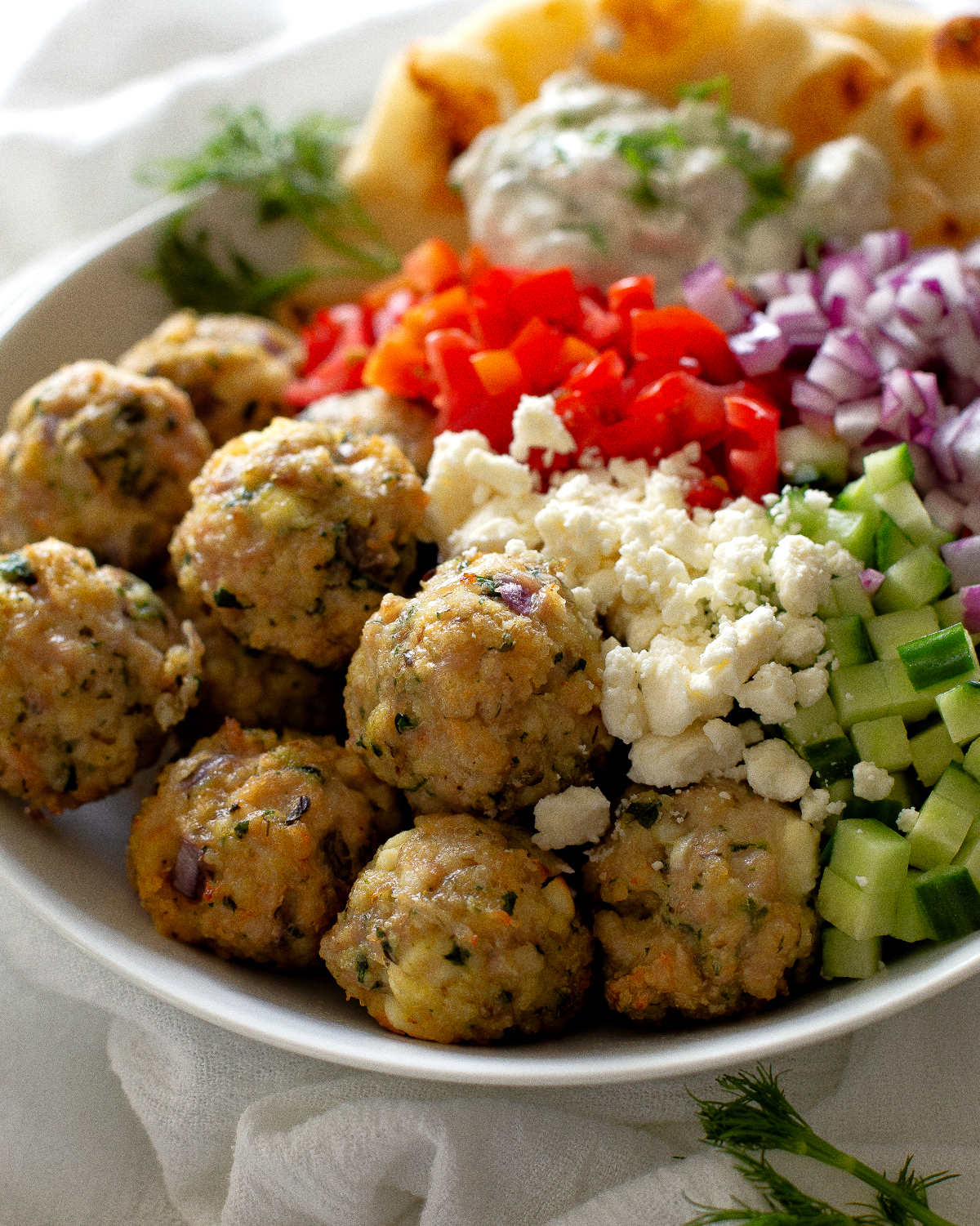
The emergence of Greek chicken meatballs signifies a culinary evolution, driven by contemporary dietary preferences and a growing interest in leaner protein options. By substituting ground chicken for red meat, these meatballs provide a similar burst of flavor with a reduced fat content. This adaptation does not compromise on the essence of the dish; instead, it broadens its appeal to a wider audience seeking both taste and nutritional balance. The core flavor profile remains, with the aromatic herbs and spices playing a crucial role in defining the dish’s character. While some traditional recipes may include mint, personal preferences often dictate its inclusion, as seen in the case where mint is omitted due to a dislike for its flavor.
Crafting Juicy Chicken Meatballs: Key Techniques
Achieving exceptionally juicy and flavorful chicken meatballs requires attention to several key culinary principles. The inherent leanness of ground chicken can sometimes lead to drier meatballs if not handled correctly. To counteract this, several techniques are employed by chefs and home cooks alike.
Firstly, the quality and fat content of the ground chicken are paramount. While leaner options are desirable for health, a small percentage of fat (typically around 10-15%) contributes significantly to moisture and tenderness. If using extra-lean chicken, incorporating a binder such as breadcrumbs soaked in milk or a small amount of olive oil can help retain moisture during cooking.
Secondly, the judicious use of aromatics and binders is crucial. Finely minced fresh herbs like parsley, dill, and oregano, along with grated onion and garlic, not only infuse the meatballs with flavor but also contribute moisture. For binding, eggs are commonly used, but overmixing the meat mixture can toughen the meatballs. The goal is to combine ingredients just until they are incorporated, avoiding the development of a dense texture. Panko breadcrumbs, known for their light and airy texture, can also be used as a binder, absorbing excess moisture without making the meatballs heavy.
Thirdly, the cooking method plays a significant role. While pan-frying is a popular choice, resulting in a desirable crust, baking the meatballs on a wire rack set over a baking sheet allows for even cooking and prevents them from sitting in their own rendered fat, which can lead to sogginess. Simmering the meatballs in a sauce, such as a light tomato-based sauce, is another method that ensures they remain moist and absorb additional flavors. The internal temperature of the meatballs should reach 165°F (74°C) to ensure they are safely cooked through.
Culinary Versatility: Serving Greek Chicken Meatballs
The appeal of Greek chicken meatballs extends beyond their preparation; their inherent versatility makes them adaptable to a wide array of dining occasions and preferences. Their inherent flavor profile, reminiscent of the Mediterranean, allows them to be a standalone appetizer or a substantial component of a larger meal.
As a Main Course:
These meatballs are exceptionally well-suited as a main dish. They can be served directly from the pan or baking sheet, accompanied by a vibrant array of fresh toppings. A classic Greek salad, featuring diced tomatoes, crisp cucumbers, thinly sliced red onions, Kalamata olives, and a generous sprinkle of feta cheese, provides a refreshing counterpoint to the savory meatballs. A dollop of creamy, tangy tzatziki sauce, made from strained yogurt, cucumber, garlic, and dill, adds a cooling and authentic element.
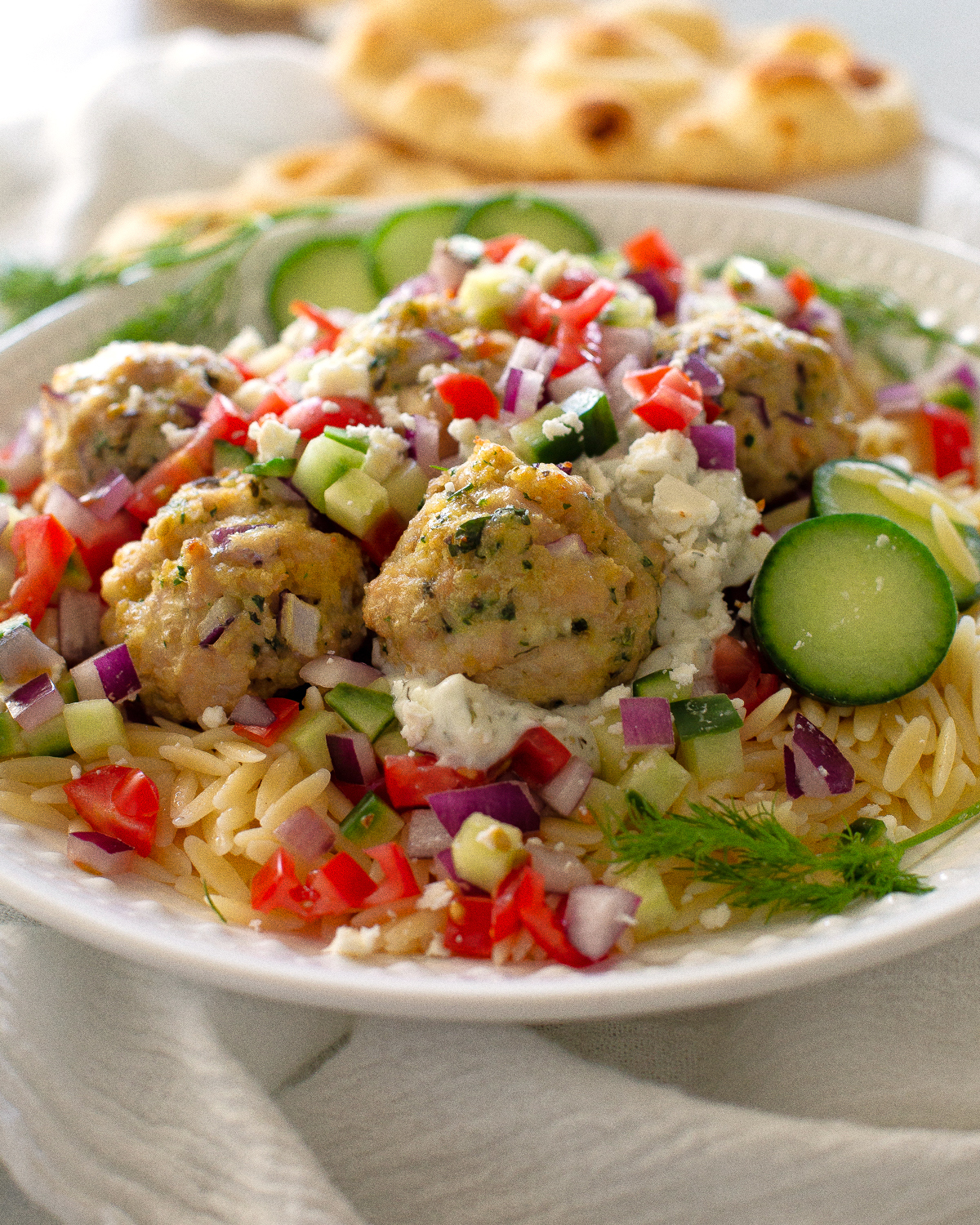
For those seeking a more substantial meal, serving the Greek chicken meatballs over a bed of fluffy rice or tender orzo pasta is an excellent choice. The grains absorb any excess juices from the meatballs, creating a cohesive and satisfying dish. A light lemon-oregano vinaigrette can be drizzled over the entire plate to tie the flavors together.
As an Appetizer:
In a more casual setting, Greek chicken meatballs can be presented as an appetizer. Served warm, perhaps with small skewers for easy handling, they are an ideal option for gatherings and parties. Accompanying them with a selection of dips, including tzatziki, a spicy feta dip (tirokafteri), or a simple marinara sauce, caters to diverse palates.
In Sandwiches and Wraps:
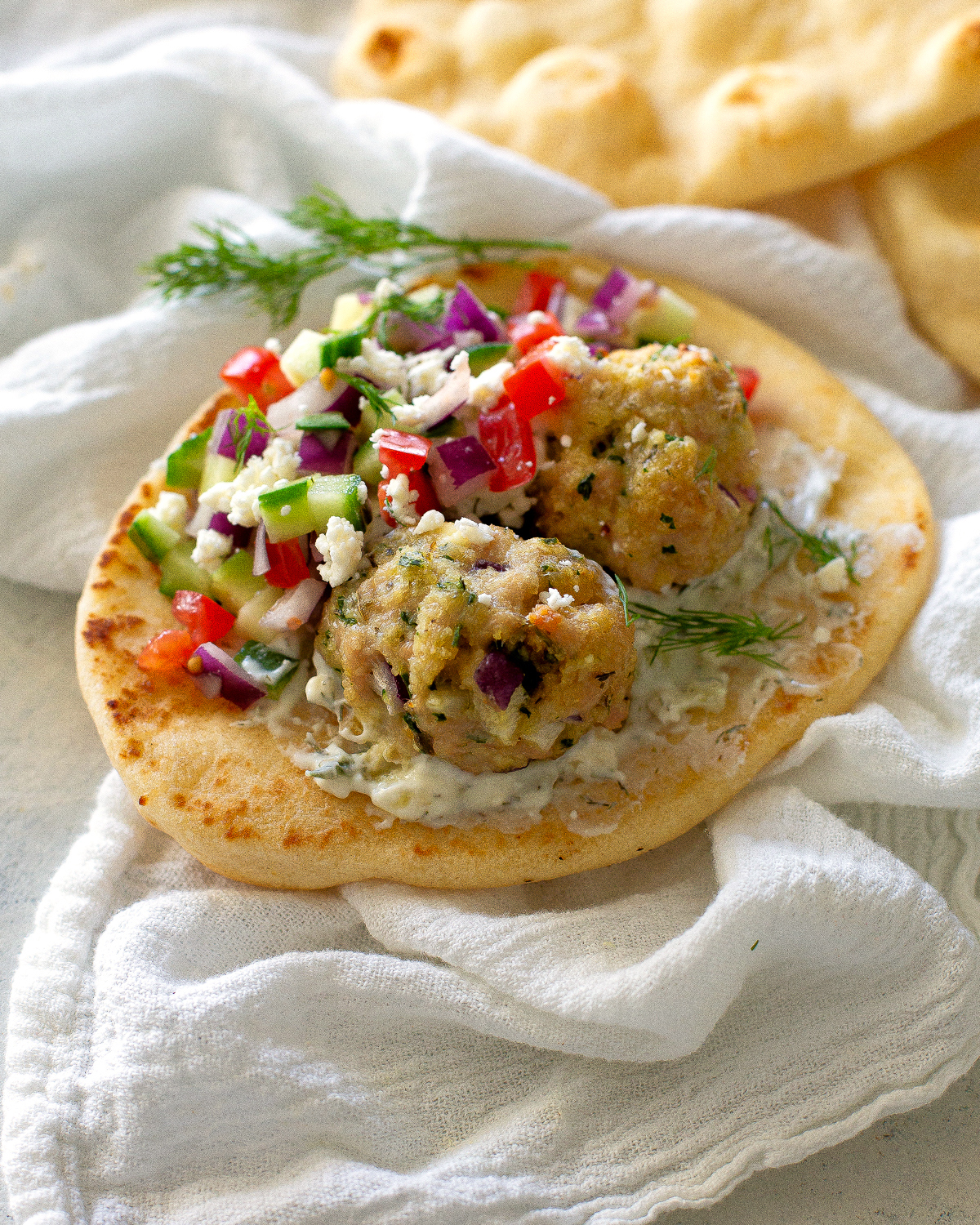
The portability and flavor of these meatballs also lend themselves to being incorporated into sandwiches or wraps. Stuffed into warm pita bread with fresh vegetables and a drizzle of tzatziki, they create a quick and delicious Greek-inspired sandwich. For a heartier option, they can be served in a hoagie roll with a marinara sauce and melted mozzarella cheese, offering a fusion of Greek and Italian influences.
Nutritional Considerations:
From a nutritional standpoint, these Greek chicken meatballs offer a lean protein source. A typical serving of one meatball (approximately 1 ounce) contains around 51 calories, with minimal carbohydrates (1g), a good amount of protein (4g), and a modest fat content (3g). This makes them a suitable option for those managing their caloric intake or seeking to increase their protein consumption. The accompanying fresh vegetables and yogurt-based tzatziki further contribute to the dish’s overall health profile, providing essential vitamins, minerals, and fiber.
Broader Impact and Culinary Trends
The popularity of Greek chicken meatballs reflects a broader trend in the culinary landscape: the increasing demand for healthier, yet flavorful, adaptations of traditional comfort foods. As consumers become more health-conscious, chefs and home cooks are continually exploring ways to reimagine classic dishes using leaner proteins and fresh, vibrant ingredients. This movement not only caters to dietary needs but also encourages culinary innovation and the discovery of new flavor combinations.
The rise of Mediterranean-inspired diets, lauded for their health benefits and delicious flavors, has also contributed to the widespread appeal of dishes like these Greek chicken meatballs. The emphasis on fresh produce, lean proteins, and healthy fats aligns perfectly with the principles of a balanced and nutritious lifestyle. Furthermore, the inherent simplicity of preparing meatballs makes them an accessible option for busy individuals and families looking for quick and easy meal solutions without compromising on taste or quality. This accessibility, combined with their inherent deliciousness, solidifies their place in contemporary home cooking. The continued exploration of global cuisines and their fusion with local ingredients ensures that dishes like Greek chicken meatballs will remain a vibrant and evolving part of the modern culinary repertoire.
