
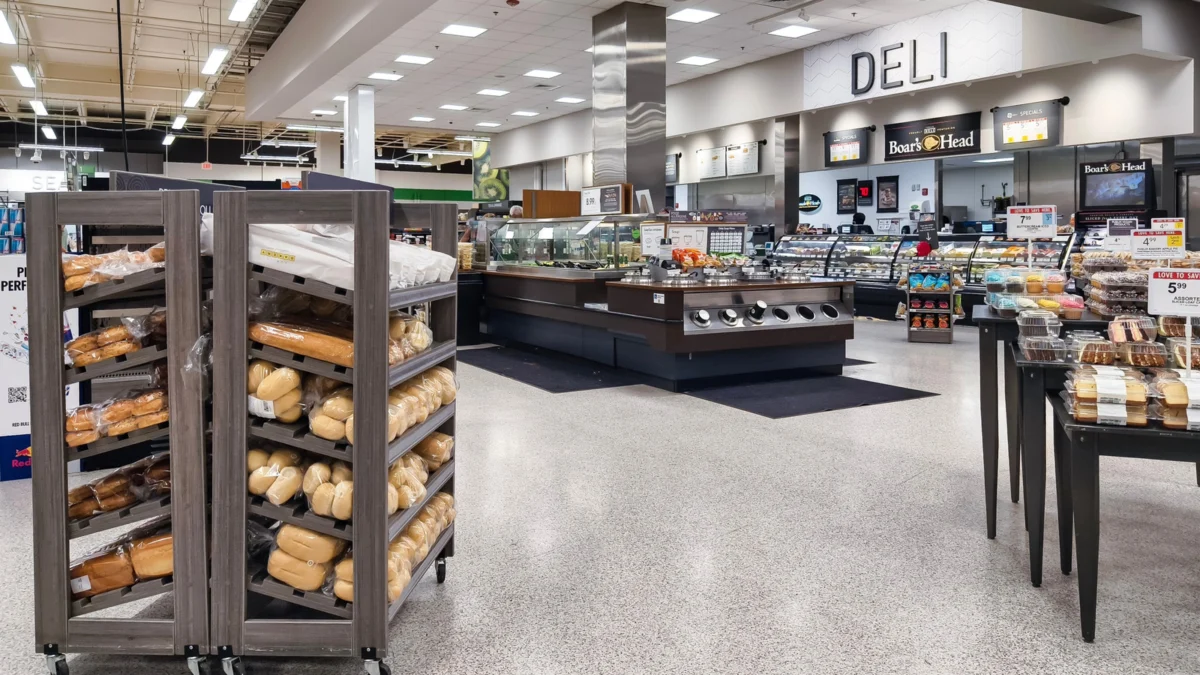
Securing a good deli lunch doesn’t have to involve the fanciest sandwich shops. Turns out, some of the tastiest and most affordable sandwiches can be found right at your local grocery store. If you live near Publix, you’re likely partial to the deli’s famous Pub Subs. But Sprouts Farmers Market also has a well-stocked deli with signature sandwich options. So, which grocery chain has the best deli counter? It all depends on what you’re going for: Better flavor or price.
In general, Sprouts has more affordable deli items, including sliced meats, cheese, and made-to-order sandwiches. The typical sandwich is around $4.99 compared to the $6-plus subs you’ll find at Publix. But when it comes to quality, flavor, and customization, shoppers tend to say that Publix reigns supreme. Take an Italian sub, for instance: At Publix, you’ll get a hearty hoagie roll, plenty of salami and provolone, shredded lettuce, and signature sub dressing. The same Sprouts sandwich has fresh, organic veggies and a reasonable portion for the price, but it lacks in the bread, meat, and sauce departments.
But what if you’re shopping purely for cuts of meat, whole hams and steak, or high-quality cheese? Both Sprouts and Publix have some affordable (and delicious) items in their delis – let’s break them down.
Price and Variety Vary by Brand
For better meat and cheese variety, Publix is your go-to. The chain sells both Boar’s Head and other good-quality name-brand meats and cheeses that come in a variety of flavors. Just note that some have higher price points than Sprouts. Case in point: Boar’s Head SmokeMaster Beechwood Smoked Ham is $14.49 per pound at Publix, while the Sprouts equivalent is $12.99 per pound. Boar’s Head cheese is around $9 per pound at Publix, but Sprouts cheese is typically $5 to $6 per pound. Of course, Publix has its own deli brand that’s slightly cheaper, so deciding between all three types will come down to personal preference.
If you’re hoping for fresher salads, better veggie options, and diverse heat-and-eat meals, Sprouts is probably better. You’ll find all sorts of organic produce mixed into premade salads, including the Better Beet Salad and Cherry Balsamic Salad with Goat Cheese. The same goes for the premade meals, like the Grilled Salmon with Bearnaise Sauce or Sesame Chili Tofu Bowl. While prepared meals at both chains come in around the same price – $8 to $13 for salads and $4 to $5 per pound for pasta and potato salads – you’ll get different flavor vibes from each.
And if you want a hot meal? Go to Publix: You’ll find fresh fried chicken, mac and cheese, and potato wedges right at the deli. Sprouts doesn’t have a hot bar, but it makes up for it with those affordable sandwiches.
A Deeper Dive into Deli Offerings
The grocery store deli has evolved significantly from its humble beginnings as a place to simply slice cold cuts. Today, it often serves as a culinary hub, offering everything from pre-made meals to gourmet sandwiches and artisanal cheeses. This evolution reflects changing consumer habits, with shoppers increasingly seeking convenient, high-quality food options that can be enjoyed at home or on the go. The comparison between Publix and Sprouts highlights two distinct approaches to this evolving market, catering to different priorities: value and quality.
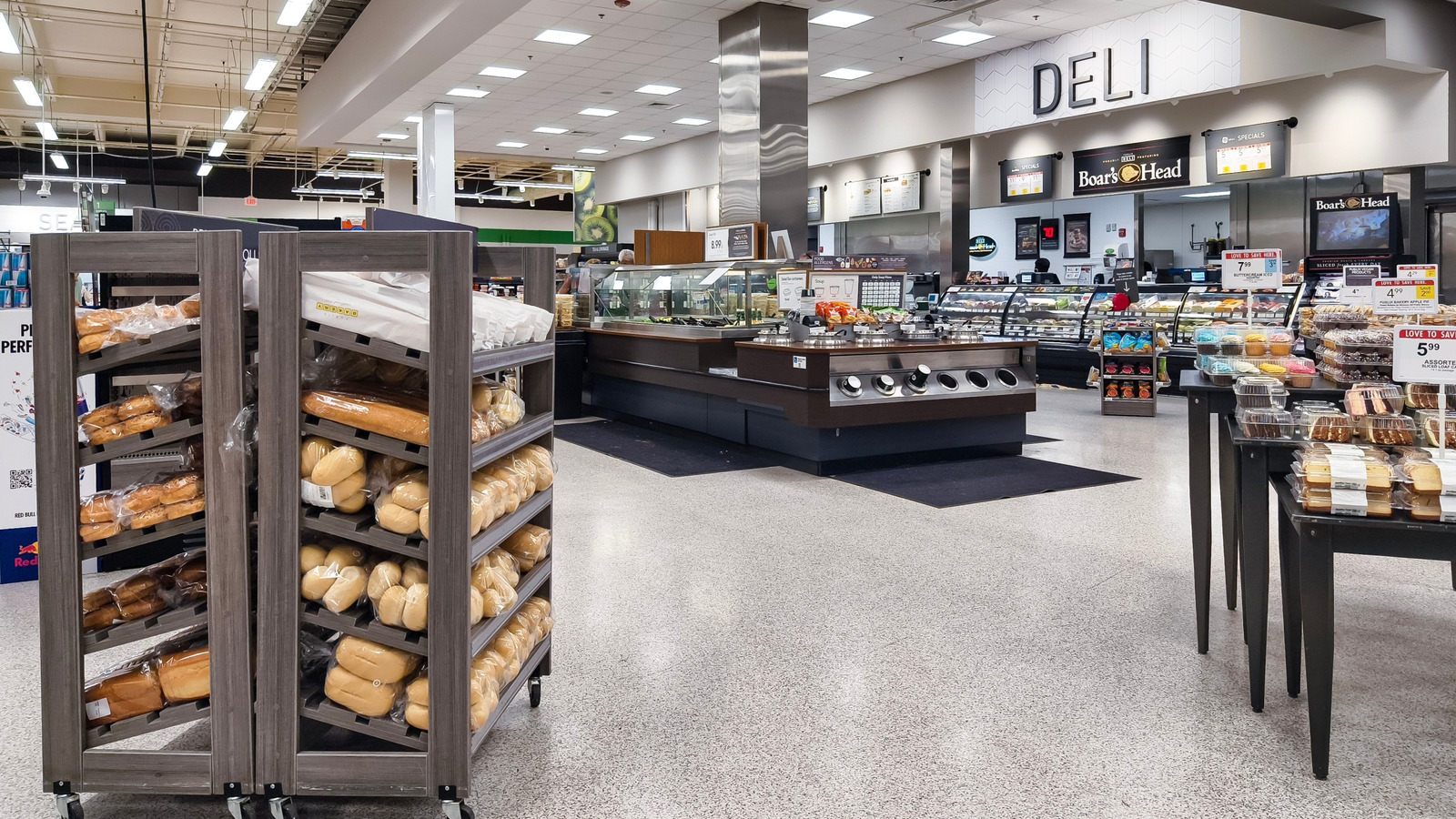
Publix, a dominant player in the Southeastern United States, has built a strong reputation for its customer service and its consistently high-quality offerings. The "Pub Sub" is more than just a sandwich; it’s a cultural phenomenon in its operating regions, a testament to the deli’s ability to craft a memorable and satisfying product. This success is likely driven by a combination of factors, including the use of premium ingredients, proprietary recipes for dressings and bread, and a commitment to generous portion sizes. The fact that Publix offers a dedicated fried chicken station further cements its position as a destination for prepared foods, appealing to families and individuals looking for a complete meal solution. The availability of Boar’s Head products, a widely recognized brand for its quality deli meats and cheeses, adds another layer of perceived value and choice for discerning customers. However, this premium positioning often comes with a higher price tag, a consideration for budget-conscious shoppers.
Sprouts Farmers Market, on the other hand, positions itself as a purveyor of natural and organic foods, with a strong emphasis on fresh produce and healthy options. Its deli reflects this ethos, often featuring a more extensive selection of organic vegetables and plant-based alternatives. The lower price point for their signature sandwiches and deli meats suggests a strategy focused on accessibility and volume. This approach may appeal to consumers who prioritize affordability and a commitment to organic sourcing, even if it means a slightly less indulgent experience in terms of bread quality or meat selection compared to Publix. The inclusion of diverse, health-conscious premade salads and meal bowls further aligns with Sprouts’ brand identity, catering to a growing market segment interested in convenient, nutritious options. The absence of a hot bar, while a notable difference, is compensated by their strength in affordable, made-to-order sandwiches.
The Economics of Deli Operations
The pricing strategies observed at Publix and Sprouts are indicative of broader economic models within the grocery industry. Publix, with its higher average price point for deli items, likely operates on a model that prioritizes premium branding and a higher perceived value. This can translate to greater profit margins per item, allowing for investment in store ambiance, extensive product lines, and robust employee training. The success of their signature "Pub Subs" suggests that consumers are willing to pay a premium for a product that consistently meets or exceeds their expectations. The inclusion of widely recognized brands like Boar’s Head further reinforces this premium image, as these brands themselves carry a reputation for quality and are often priced accordingly.
Sprouts’ more affordable pricing structure for its deli offerings suggests a strategy focused on market penetration and volume sales. By offering competitive prices, Sprouts aims to attract a broader customer base and encourage repeat business. This strategy is particularly effective in the current economic climate, where consumers are increasingly mindful of their spending. The emphasis on organic and natural ingredients at accessible price points is a key differentiator for Sprouts, appealing to a growing segment of the market that values health and sustainability. While individual item profit margins may be lower, the higher sales volume can lead to overall profitability. This approach also aligns with the broader trend of discount grocers and specialty stores competing on price and unique product offerings.
The variety of deli meats and cheeses offered by both chains also plays a significant role in their respective market positions. Publix’s offering of Boar’s Head and other name brands provides a wide array of choices, from classic favorites to more specialized options. This breadth of selection caters to a diverse clientele with varying tastes and preferences. The availability of house-brand deli items at Publix provides a more budget-friendly alternative, allowing customers to choose based on their price sensitivity without compromising on the overall quality associated with the Publix brand.
Sprouts’ approach to deli offerings often leans towards a curated selection, emphasizing quality and often sourcing from smaller, artisanal producers, particularly for their cheeses. While the sheer variety might be less extensive than at Publix, the focus on unique and high-quality ingredients can be a strong draw for consumers seeking a more specialized experience. Their commitment to organic produce in salads and prepared meals further distinguishes their deli from conventional grocery store offerings, appealing to consumers who prioritize a healthy and natural diet.
Consumer Perceptions and Market Trends
Consumer sentiment surrounding grocery store delis has become increasingly important as these departments evolve into significant revenue generators. The phenomenon of the "Pub Sub" at Publix is a prime example of how a well-executed deli offering can create strong brand loyalty and even a cult following. Online forums and social media are replete with discussions and debates about the best Publix subs, highlighting the emotional connection consumers have developed with these products. This level of engagement is invaluable for a grocery retailer, transforming a routine purchase into a preferred dining experience.
Sprouts, while perhaps not generating the same level of fervent consumer devotion for its sandwiches, is recognized for its commitment to health-conscious options. Shoppers who frequent Sprouts often do so with the expectation of finding fresh, organic, and often locally sourced products. The deli at Sprouts aligns with this expectation, offering a selection of salads and meals that cater to dietary preferences such as vegan, gluten-free, and vegetarian. The affordability of their made-to-order sandwiches is also a significant draw, particularly for individuals and families seeking economical yet satisfying meal solutions.
The broader trend in the grocery industry is a move towards greater specialization and an emphasis on prepared foods. As consumers face increasingly busy lifestyles, the convenience of purchasing ready-to-eat meals and high-quality sandwiches from their local supermarket becomes more attractive. Both Publix and Sprouts are responding to this trend, albeit with different strategies. Publix leverages its established brand equity and commitment to quality to offer a premium deli experience, while Sprouts focuses on providing healthy, organic options at competitive price points.
The implications of these differing approaches are significant for the grocery landscape. Retailers that can successfully balance quality, affordability, and convenience are likely to capture a larger market share. The success of both Publix and Sprouts in their respective deli strategies suggests that there is not a one-size-fits-all model for grocery store delis. Instead, success hinges on understanding the core values of one’s target demographic and tailoring offerings to meet those specific needs and preferences.
For instance, a consumer prioritizing taste and a robust sandwich experience might lean towards Publix, willing to pay a bit more for what they perceive as superior ingredients and construction. Conversely, a consumer focused on organic ingredients, healthy eating, and budget-friendly meals would likely find Sprouts to be the more appealing option. The presence of both types of delis within the grocery market indicates a healthy level of competition that ultimately benefits the consumer by providing a wider range of choices and driving innovation within the industry.
The future of grocery store delis is likely to see continued innovation, with an increasing focus on customizable options, globally inspired flavors, and even more plant-based and allergen-friendly choices. As food technology advances and consumer palates evolve, grocery stores will need to remain agile and responsive to stay ahead of the curve. The comparison between Publix and Sprouts offers a valuable case study in how two prominent grocery chains are navigating this dynamic market, each carving out a distinct niche in the competitive world of deli offerings.
