
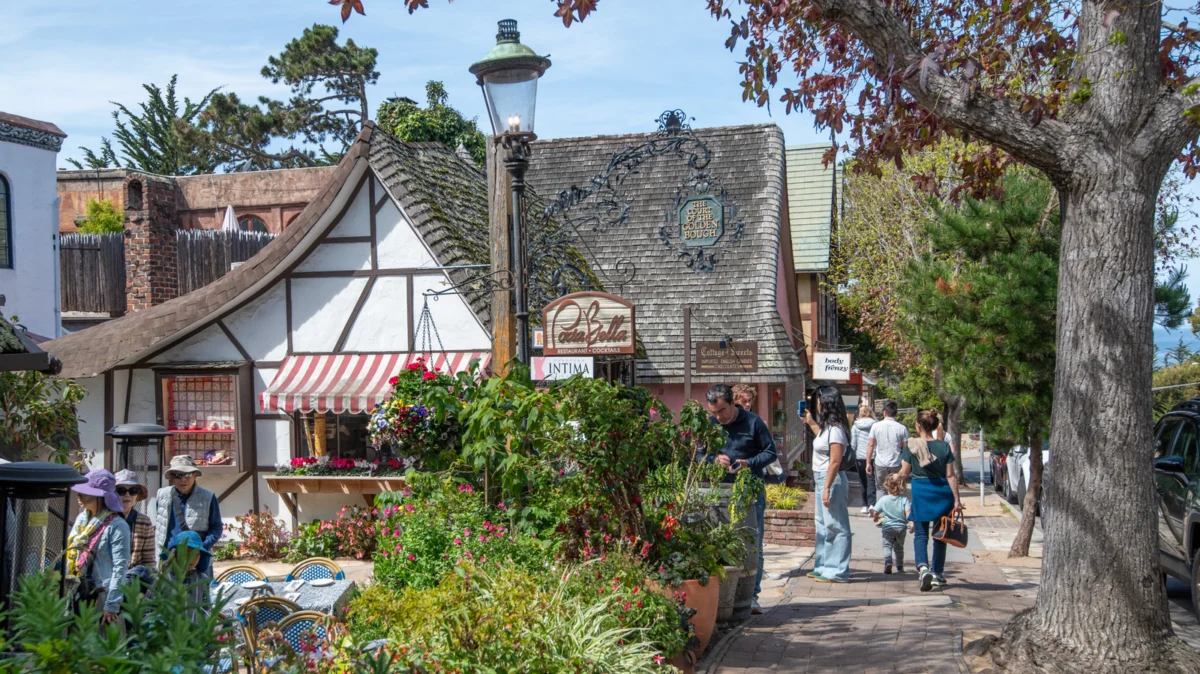
Nestled along the dramatic California coastline, south of the renowned Monterey Peninsula, lies a picturesque enclave known as Carmel-by-the-Sea. This charming town, spanning a mere 1.1 square miles and home to just over 3,000 residents, punches well above its weight in character and appeal. While its breathtaking natural beauty is undeniable, Carmel possesses a distinctive quality that sets it apart from countless other seaside communities across the nation: a decades-long prohibition on chain restaurants. This deliberate policy, rooted in a desire to preserve its unique identity, has shaped Carmel into a haven of local entrepreneurship and a testament to the enduring allure of a town that prioritizes its distinctiveness.
The Genesis of a Ban: Preserving Charm in the Face of Commercialization
The seeds of Carmel’s restrictive business policies were sown as early as the 1960s. A growing concern permeated the community regarding the encroaching influence of commercial development. Residents and local leaders alike observed the potential for unchecked expansion and the influx of tourists to erode the quaint, small-town atmosphere that defined Carmel. This unease culminated in the early 1970s with the implementation of a moratorium on the construction of new restaurants. This temporary measure provided the town council with the crucial time needed to devise a more comprehensive and enduring solution to safeguard its cherished character.
The turning point arrived in the mid-1980s with the official adoption of Carmel’s General Plan. This landmark document established stringent controls on development, with a particular focus on businesses that were perceived as potentially detrimental to the town’s aesthetic and unique commercial fabric. Restaurants, art galleries, and souvenir shops, often catering heavily to transient tourist populations, were identified as key areas requiring careful regulation. This proactive approach solidified into an official ordinance, explicitly stating that "No drive-in, fast food, or formula food establishments are permitted" within the town limits of Carmel-by-the-Sea. This prohibition has remained a cornerstone of Carmel’s identity for over four decades, a powerful statement of its commitment to fostering a distinct local business ecosystem.
The Impact of Localism: A Thriving Culinary Scene and Unique Identity
The strict controls enacted by Carmel have, by and large, been viewed as a significant boon to the town, despite some initial controversy. The City of Carmel-by-the-Sea’s Code Book articulates the underlying intention behind these regulations: "to preserve Carmel’s character as a residential village and perpetuate a balance of land uses that are compatible with local resources and the environment." This guiding principle has demonstrably succeeded in cultivating a seaside town that has garnered considerable national attention and positive press precisely because of its unique charm and its vibrant roster of locally owned businesses.
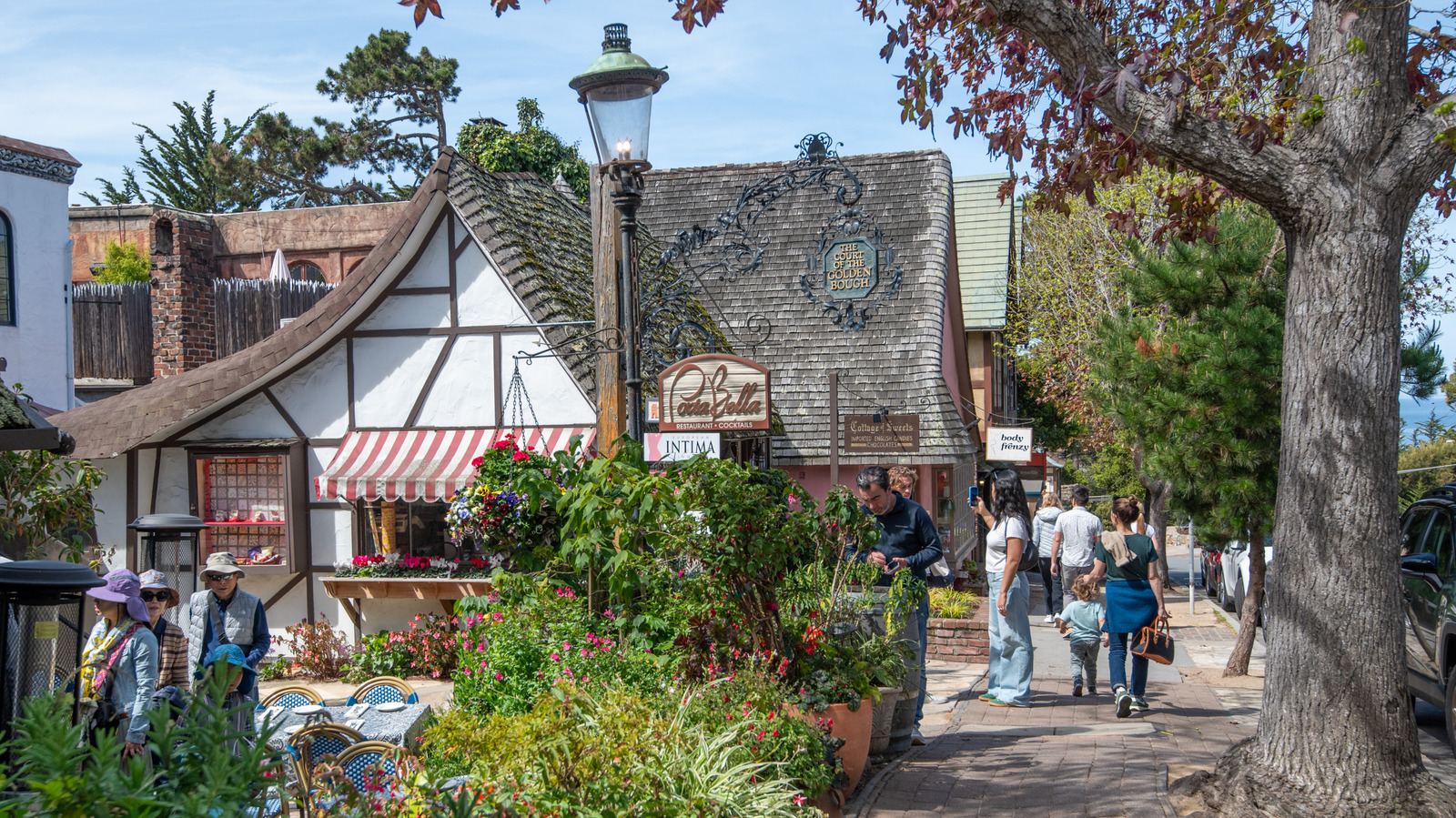
Contrary to potential concerns about economic viability in the absence of large corporate entities, Carmel’s culinary landscape is anything but stagnant; it is, in fact, remarkably robust. The municipality, despite its diminutive size, boasts a higher density of restaurants per capita than many other small towns across the United States. This abundance of dining options has led to the creation of numerous local guides, such as "The 20 Best Restaurants in Carmel-by-the-Sea," which still faces the challenge of narrowing down an impressive selection to highlight only the most exceptional establishments.
Beyond its celebrated dining scene, Carmel’s commitment to local businesses extends to other beloved establishments. The town is home to Carmel Bakery, recognized as one of the finest old-school bakeries in all of California, further cementing its reputation for artisanal quality and tradition. These businesses, deeply embedded in the community, contribute significantly to the town’s distinctive character and appeal.
Carmel’s commitment to uniqueness also extended to its urban planning in fascinating ways. Until recently, the town notably eschewed numbered addresses. Instead, residents and visitors relied on directional descriptions and creative names for houses and buildings to navigate the streets. While this added to the town’s whimsical charm, it presented challenges, particularly for emergency services. The necessity for quicker and more efficient response times has led to the gradual phasing in of a more conventional addressing system, a concession to practicality that nonetheless underscores the town’s historically unconventional approach to urban living.
Navigating Controversy: The "Ice Cream Ban" Myth and Mayoral Intervention
The strict regulatory environment in Carmel has not been without its share of challenges and public scrutiny. One of the most sensationalized controversies, which gained national traction, was the so-called "Carmel-by-the-Sea ice cream ban." In the mid-1980s, shortly after the General Plan’s implementation, a local shoe merchant attempted to open an ice cream parlor. This venture reportedly conflicted with the town’s regulations concerning takeout establishments.
News outlets, perhaps seeking a dramatic narrative, significantly amplified the story, leading to a wave of negative press directed at the small town. In response to the public outcry and the mischaracterization of its policies, Carmel organized "lick-ins," events where free ice cream cones were distributed. However, these efforts were insufficient to entirely quell the fervor surrounding the incident.
This episode of public relations turmoil coincided with a notable political development. The actor Clint Eastwood, who owned a restaurant in town, successfully ran for mayor during this period. While his two-year tenure as mayor did not result in any significant alterations to the town’s zoning policies, his involvement highlighted the intersection of local business regulations and public sentiment. Eastwood’s election, occurring amidst the controversy, demonstrated a desire within the community for leadership that understood and addressed local concerns, even amidst national media attention.
Broader Implications and the Economic Equation of Charm
For residents and visitors alike, the absence of chain restaurants and the emphasis on locally owned businesses undoubtedly contribute to a higher cost of goods and services. Small businesses, by their nature, often operate with smaller supply chains and may face higher overheads, which can translate into elevated prices compared to their national chain counterparts. This economic reality is not unique to Carmel; it is a common characteristic of many sought-after tourist destinations.
However, the prevailing sentiment in Carmel suggests that the trade-off is considered worthwhile. The town’s enduring charm, its unique architectural style, its pristine beaches, and its vibrant local culture are precisely what draw visitors and residents. The argument often made is that exceptional charm frequently comes with a commensurate price tag. This principle is increasingly being recognized by other beach towns across the country, many of which have begun to institute similar bans on chain restaurants in an effort to preserve their own distinctive identities and foster local economic resilience.

The long-standing policy in Carmel-by-the-Sea serves as a compelling case study in community-driven preservation. It demonstrates how a small municipality can, through deliberate planning and a commitment to its core values, successfully resist the homogenizing forces of commercial standardization. The town’s thriving local economy, its unique cultural landscape, and its enduring appeal stand as testament to the power of prioritizing local character in an increasingly globalized world. The legacy of its ban on chain restaurants is not merely about what has been excluded, but about what has been intentionally cultivated and protected: a genuine and irreplaceable sense of place.
