
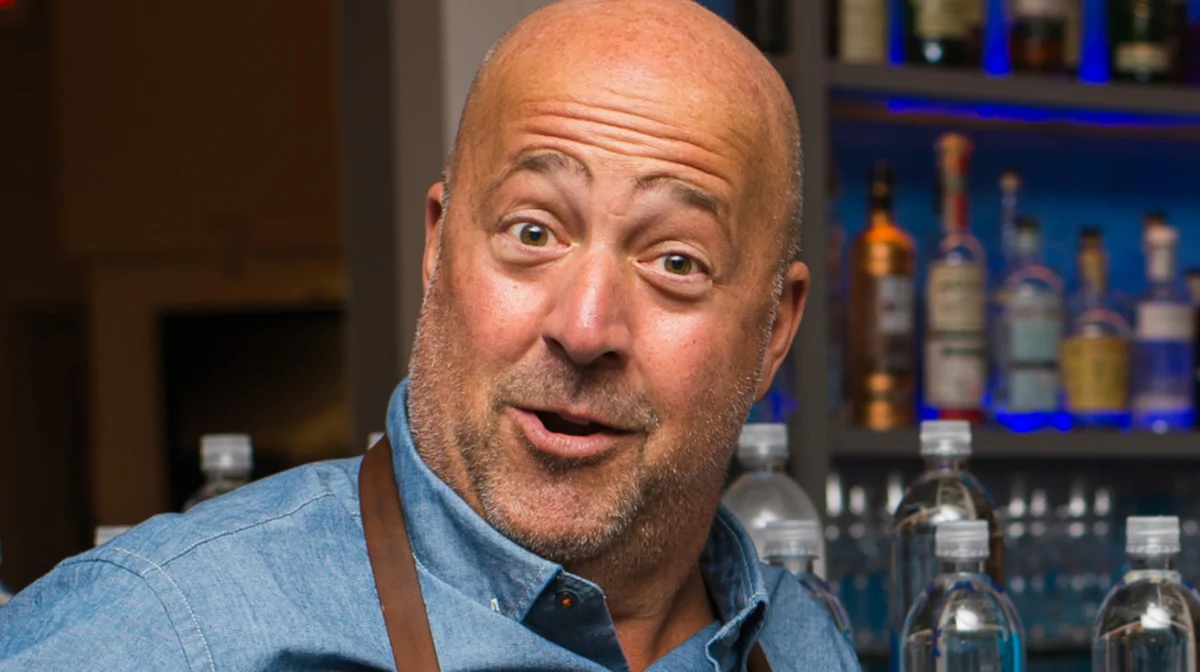
Renowned culinary authority Andrew Zimmern has identified the Raleigh-Durham area of North Carolina as a burgeoning culinary destination, potentially the most underrated on the East Coast. Zimmern, known for his discerning palate and extensive exploration of global food scenes, recently shared his perspective on social media, highlighting a region that he believes "punches well above its weight" in terms of gastronomic offerings. This declaration has ignited conversations among food enthusiasts and local officials alike, drawing attention to a dynamic food landscape that has been steadily gaining recognition.
Zimmern’s recent comments, disseminated through his Instagram, mark a significant endorsement for the North Carolina Triangle. He noted that while cities like Portland, Maine; Nashville, Tennessee; and Charleston, South Carolina, were once considered hidden gems, their culinary reputations have since flourished, making them widely acknowledged food hubs. In contrast, Zimmern suggests that the Raleigh-Durham corridor represents the current frontier of overlooked, yet exceptional, dining experiences. This distinction positions the area as a prime candidate for travelers and food critics seeking authentic and innovative culinary adventures before they become widely mainstream.
The response to Zimmern’s assessment has been swift and enthusiastic. North Carolina Governor Josh Stein publicly acknowledged Zimmern’s sentiment on the same Instagram post, expressing his agreement and extending an invitation for a personal tour of his favorite establishments. "Couldn’t agree more, both Raleigh AND Durham are great food cities! Next time you’re in town would love to take you to my favorite spots," Stein commented, underscoring the state’s pride in its culinary scene. Another commenter astutely pointed out the unique geographical advantage, remarking, "Raleigh and Durham are two separate cities so technically, a two-for-one special," a nod to the distinct yet interconnected culinary identities of these urban centers.
A Deep Dive into the Triangle’s Culinary Ascent
The Raleigh-Durham area, often referred to as the "Triangle" along with neighboring Cary, has a growing reputation that extends beyond local appreciation. This region has witnessed a significant increase in accolades from prestigious culinary organizations, including multiple mentions and Bib Gourmand awards from the Michelin Guide. The Bib Gourmand designation specifically recognizes establishments that offer high-quality food at a moderate price, indicating a commitment to value and excellence that resonates with a broad spectrum of diners. This recognition from Michelin signifies a maturing food scene, one that is increasingly sophisticated and diverse.
Online forums and social media platforms have become vibrant arenas for discussions surrounding the Triangle’s culinary prowess. A Reddit user, responding to claims of a lackluster food scene in the area, asserted, "I find that people that say this area has bad food don’t leave the house often, and when they do they won’t leave their comfort zone." This sentiment highlights a perception that some critics may be unwilling to explore beyond familiar culinary territories, thereby missing the depth and breadth of offerings available. Similarly, a YouTube commenter under a video about the regional Michelin Guide noted, "Raleigh’s food scene has been underrated for decades, especially by our friends from the western side of the Triangle," suggesting a long-standing underappreciation that is only now beginning to be rectified.
Zimmern’s fans have also emphasized the region’s cultural diversity as a key factor contributing to its unique culinary landscape. The influx of diverse populations has fostered an environment where a wide array of global cuisines are not only present but are also being innovatively reinterpreted by local chefs. This cultural fusion enriches the dining experience, offering flavors and dishes that might not be commonly found elsewhere in North Carolina, thereby broadening the appeal of the Triangle as a culinary destination.
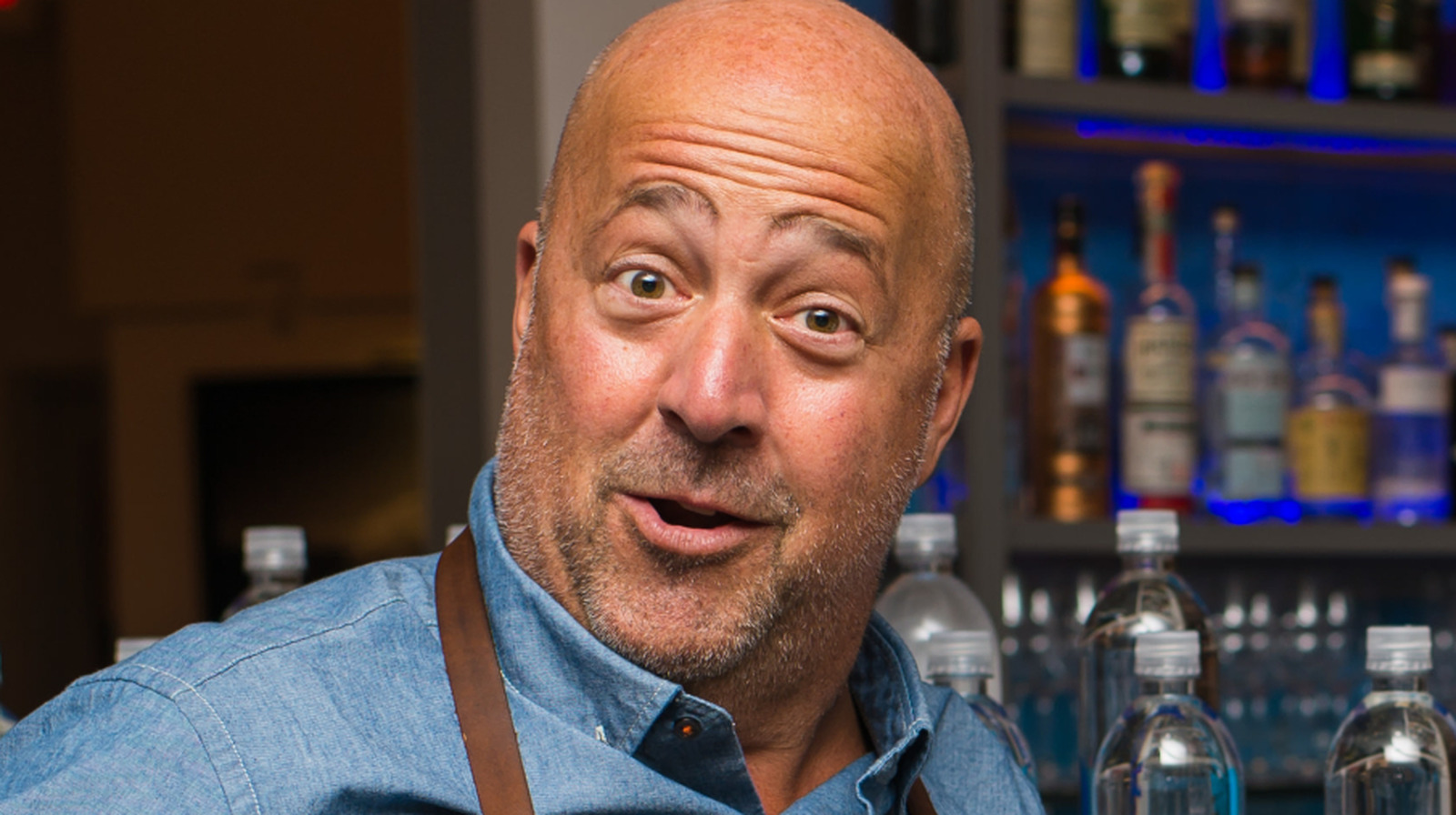
The Pillars of Raleigh-Durham’s Gastronomic Excellence
Central to Zimmern’s endorsement is his specific praise for Chef Ashley Christensen. A highly respected figure in the culinary world, Christensen is a James Beard Foundation award recipient and commands a portfolio of successful restaurants. Her inaugural venture, Poole’s Diner, remains a testament to her culinary vision, offering elevated comfort food with signature dishes like the Wagyu Royale with Cheese and Maine lobster doughnuts. These creations exemplify the region’s ability to blend traditional culinary concepts with innovative, high-quality ingredients.
Beyond Poole’s Diner, Christensen’s influence extends to other ventures, including restaurants known for their wood-fired cooking and inventive takes on classics like chicken and waffles. These establishments contribute to the diverse offerings that make the Triangle a compelling culinary destination. Furthermore, the region is celebrated for its vibrant food truck scene, particularly its "food truck rodeos." These events bring together a wide array of mobile culinary vendors, offering an accessible and eclectic dining experience that showcases the entrepreneurial spirit and diverse flavors present in the area. This dynamic approach to food service provides a lively and ever-changing culinary landscape for locals and visitors alike.
A Timeline of Culinary Growth
The rise of the Raleigh-Durham food scene has not been an overnight phenomenon but rather a gradual evolution marked by strategic development and increasing recognition.
- Early 2000s – Mid-2000s: The foundation for a more sophisticated food scene began to be laid as chefs started to explore farm-to-table concepts and a greater emphasis on local sourcing. Restaurants began to emerge that offered more refined dining experiences, moving beyond traditional Southern fare.
- Late 2000s – Early 2010s: The emergence of chefs like Ashley Christensen, who opened Poole’s Diner in 2011, marked a significant turning point. Her James Beard Foundation recognition further amplified the region’s culinary profile. This period also saw the growth of the local food movement, with farmers’ markets and food co-ops gaining traction.
- Mid-2010s – Late 2010s: The Triangle’s culinary reputation continued to build momentum. The food truck scene gained significant popularity, with regular events and a growing number of diverse vendors. More chefs began to experiment with global cuisines and innovative techniques, contributing to a richer and more varied dining landscape.
- Early 2020s – Present: The recognition from the Michelin Guide, particularly the Bib Gourmand awards, served as a major validation of the Triangle’s culinary achievements. Andrew Zimmern’s recent endorsement further solidifies the area’s status as an emerging food hub, potentially attracting a new wave of culinary tourism and investment. The ongoing development of new restaurants and culinary initiatives suggests that this growth trajectory is set to continue.
Supporting Data and Trends
The culinary growth in the Raleigh-Durham area is supported by several key indicators:
- Michelin Guide Recognition: The presence of multiple Bib Gourmand awarded restaurants signifies a consistent standard of quality and value. While specific numbers fluctuate with annual updates, the sustained inclusion of Triangle establishments highlights a robust and evolving food scene. For instance, in recent guides, the region has seen representation across various culinary styles, from Southern-inspired to international flavors.
- James Beard Foundation Accolades: Beyond Ashley Christensen, other chefs and restaurants in the Triangle have been nominated for or have won James Beard Awards, a prestigious benchmark in the American culinary industry. This points to a high level of talent and innovation within the local chef community.
- Economic Impact: The food and beverage industry is a significant contributor to the local economy. Growth in this sector often correlates with job creation, increased tourism, and the development of related businesses, such as artisan food producers and beverage distributors. The Triangle’s expanding food scene is likely a driver of economic activity in the region.
- Restaurant Openings and Closures: A healthy and dynamic food scene is often characterized by a consistent, albeit sometimes challenging, rate of new restaurant openings. The Triangle has seen a steady influx of new eateries, ranging from casual cafes to fine dining establishments, reflecting consumer demand and entrepreneurial activity.
Official Responses and Broader Implications
The positive recognition from a figure like Andrew Zimmern carries substantial weight. For local officials and tourism boards, it serves as invaluable validation and a powerful marketing tool. Governor Stein’s immediate and enthusiastic response underscores the state’s commitment to promoting its culinary assets. The implications of such endorsements are far-reaching:
- Increased Tourism: High-profile mentions from culinary influencers can significantly boost visitor numbers. Travelers often plan itineraries around renowned food destinations, and Zimmern’s endorsement could lead to an uptick in tourists seeking to experience the Triangle’s offerings firsthand.
- Attraction of Talent and Investment: A burgeoning food scene can attract top culinary talent, including chefs, restaurateurs, and food industry professionals. This influx of expertise further enhances the quality and diversity of the offerings. It can also encourage investment in new culinary ventures and infrastructure.
- Local Pride and Community Development: The growing recognition fosters a sense of pride within the local community. It can also lead to greater support for local farmers, producers, and food-related initiatives, strengthening the overall food ecosystem.
- The "Underrated" Advantage: The current status as "underrated" offers a unique window of opportunity. It allows diners to experience exceptional quality before potential overcrowding or price increases that often accompany widespread acclaim. This phase is crucial for sustainable growth, allowing the scene to mature organically.
Zimmern’s assertion that the Raleigh-Durham area might be the most underrated East Coast food hub is more than just a personal opinion; it is a reflection of a culinary landscape that has been diligently cultivated and is now poised for broader recognition. If Zimmern’s past predictions hold true, the window to explore this dynamic region while it remains relatively under the radar may be closing, making it an opportune moment for food enthusiasts to discover its many culinary treasures. The convergence of diverse cultural influences, talented chefs, and a growing appreciation for quality and innovation positions the Triangle as a significant player in the national gastronomic conversation.
