
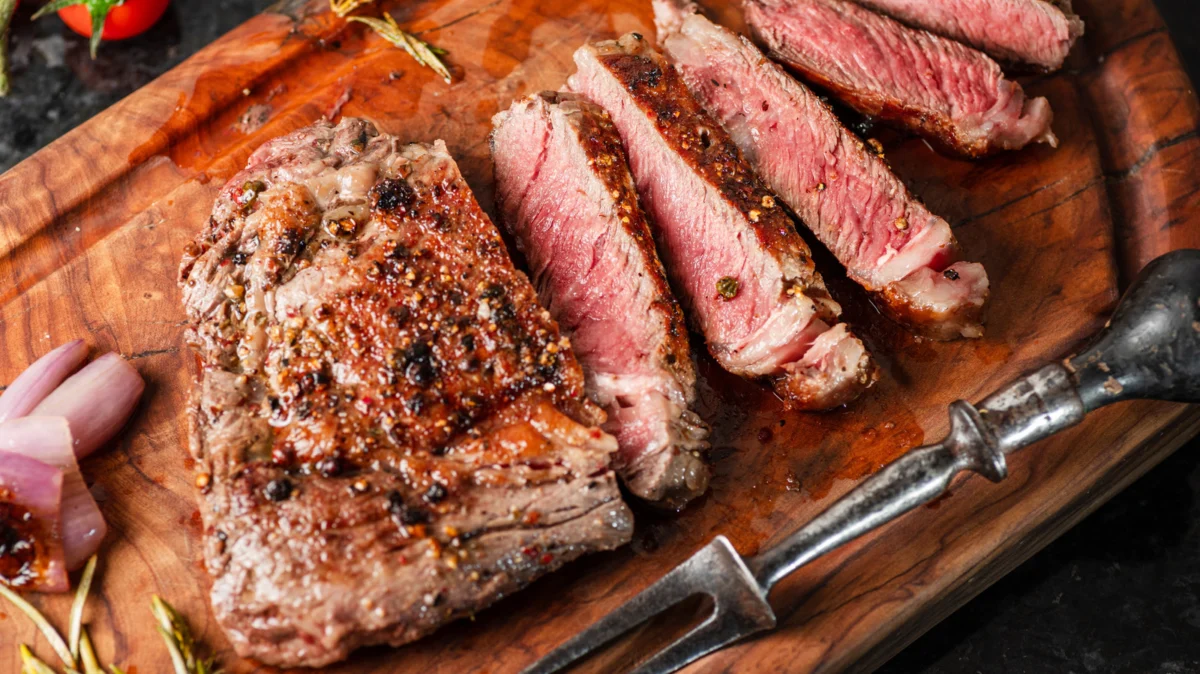
The vast world of steak cuts offers a spectrum of flavors, textures, and dining experiences. While popular choices like the ribeye, New York strip, and filet mignon often take center stage, there exists a lesser-known yet remarkably superior cut that frequently goes unnoticed: the spinalis dorsi, commonly referred to as the ribeye cap or deckle. This exquisite portion, often integrated into the larger ribeye steak, is arguably the pinnacle of beef flavor and tenderness, yet it is rarely ordered as a standalone dish. Understanding its unique characteristics and how to prepare it can elevate any steak enthusiast’s culinary journey.
The Unsung Hero of the Ribeye: Spinalis Dorsi
At its core, the ribeye steak is a composite of several muscles, with the spinalis dorsi being the outermost, crescent-shaped strip that curves around the main eye of the ribeye. This specific muscle is renowned for its exceptional marbling – the intricate network of intramuscular fat that melts during cooking, basting the meat from within and imparting unparalleled juiciness and flavor. Unlike the central eye of the ribeye, which can sometimes be leaner, the spinalis dorsi boasts a consistently rich, buttery texture that rivals even the most prized tenderloin cuts.
The marbling of the spinalis dorsi contributes significantly to its melt-in-your-mouth quality. This fat not only enhances tenderness but also amplifies the inherent beefy, umami-rich flavor profile. When cooked to perfection, the edges of the spinalis dorsi caramelize, creating delightful crispy bits that contrast beautifully with the succulent interior. This complex interplay of textures and flavors is what sets it apart, making it a favorite among discerning butchers and chefs.
A Cut Above the Rest: Understanding Value and Rarity
The exceptional quality of the spinalis dorsi comes with a commensurate price tag. Due to its desirability and the labor involved in carefully separating it from the rest of the ribeye, the ribeye cap commands a higher price than standard steak cuts. Reputable butcher shops may offer it as a long, rolled piece of muscle, often about 16 inches in length, or sometimes tied into a pinwheel-like shape. When selecting a ribeye cap, look for a piece that is substantial in size but not excessively fatty, with the cap clearly visible wrapping around the entire cut.
High-end steakhouses and gourmet restaurants are increasingly recognizing the appeal of the spinalis dorsi and are beginning to feature it as a standalone menu item. In such establishments, an 8-ounce portion of ribeye cap can range in price, with premium Wagyu varieties potentially reaching up to $64. This pricing reflects not only the intrinsic quality of the meat but also its rarity and the culinary expertise required to prepare it optimally. The decision to offer it as a separate item is a testament to its growing reputation as a delicacy.
The Culinary Canvas: Preparing the Ribeye Cap at Home
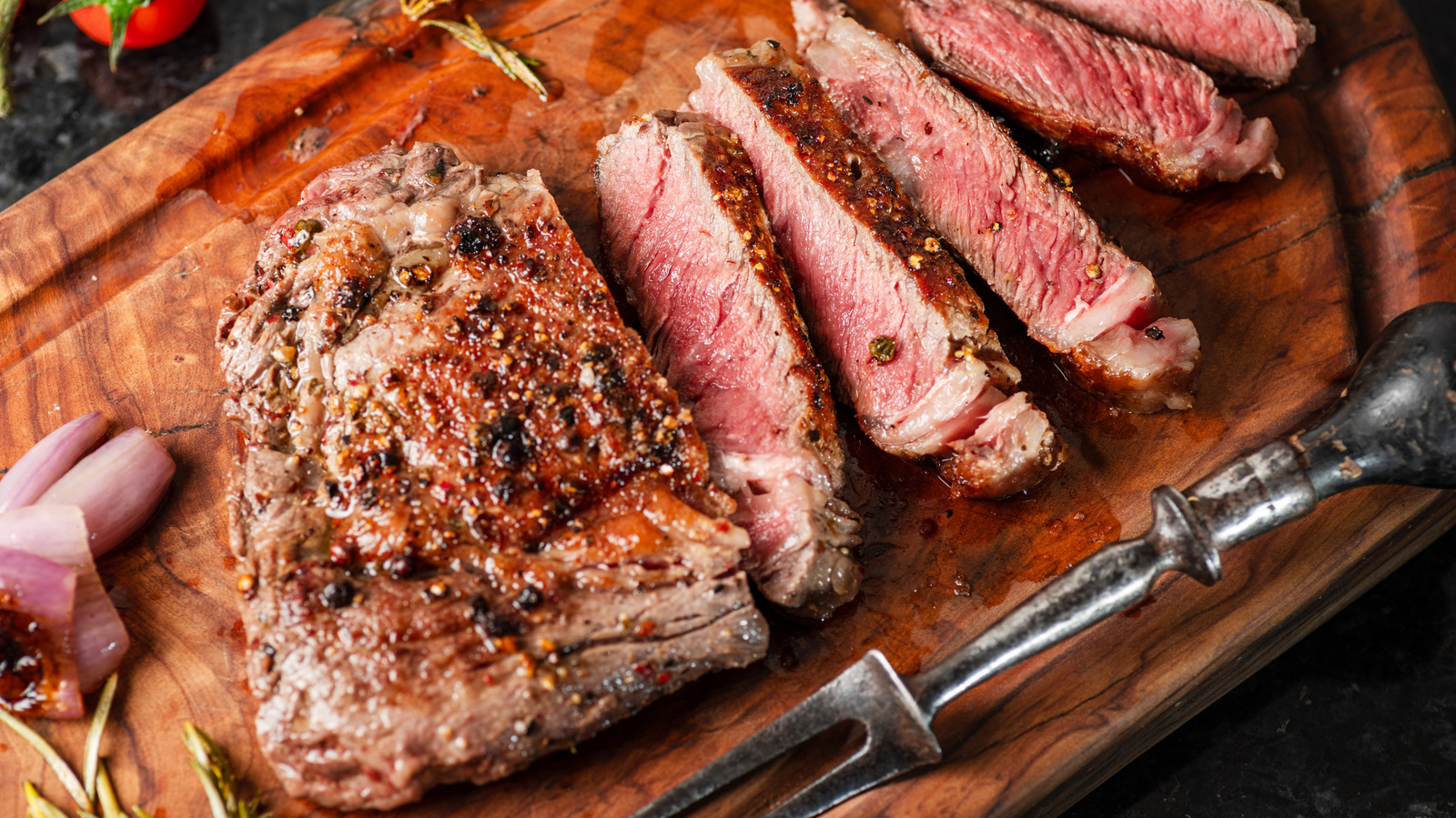
Preparing the ribeye cap at home offers a rewarding experience for any home cook. Its inherent richness and tenderness mean it doesn’t require extensive seasoning or complex marinades. High-heat cooking methods are generally recommended to capitalize on its marbling and develop a beautiful crust.
Grilling and Searing: Unlocking Maximum Flavor
For those who prefer outdoor cooking, a charcoal grill provides an excellent platform for the ribeye cap. The intense heat promotes rapid searing, creating a flavorful exterior while keeping the interior moist and tender. Similarly, a cast-iron skillet on the stovetop can achieve remarkable results. The key is to maintain a high temperature and flip the steak frequently to ensure even cooking and a consistent sear on all sides.
When searing in a skillet, a butter baste can further enhance the flavor and texture. Adding aromatics like garlic cloves and fresh herbs such as thyme or rosemary to the melting butter as the steak cooks allows their essences to infuse the meat, creating a truly decadent experience.
Oven Techniques: Precision and Juiciness
For those opting for oven-based cooking, broiling can be an effective method for thinner cuts of ribeye cap. A 1-inch thick cut, for instance, might require approximately 10 to 15 minutes under a broiler. However, for those prioritizing maximum juiciness and a more controlled cook, techniques like the reverse sear or a prolonged smoke can be employed.
The reverse sear involves cooking the steak at a low temperature in the oven (around 225-250°F or 107-121°C) until it reaches about 10-15 degrees below the desired final temperature. It is then finished with a quick, high-heat sear on the stovetop or grill to develop the crust. This method ensures a perfectly even internal temperature from edge to edge, minimizing the risk of overcooking. A slow smoke, typically for about an hour, can also impart a subtle smoky flavor and ensure exceptional tenderness.
The Art of Doneness: Achieving Perfection
Regardless of the cooking method chosen, aiming for a medium-rare doneness is paramount to fully appreciating the ribeye cap’s qualities. This typically corresponds to an internal temperature of 130 to 135°F (54-57°C) when removed from the heat. Due to carryover cooking, the temperature will rise a few more degrees while the steak rests, bringing it to the ideal medium-rare range. Allowing the steak to rest for at least 5-10 minutes after cooking is crucial for the juices to redistribute throughout the meat, ensuring every bite is succulent.
Seasoning and Pairing: Enhancing the Natural Flavors
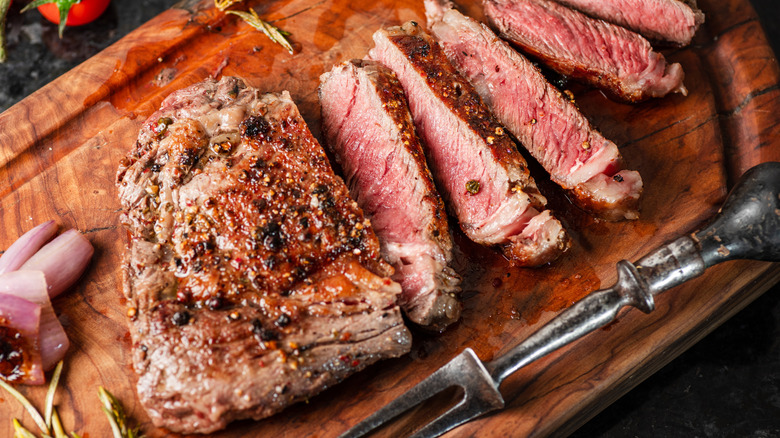
The ribeye cap’s intrinsic flavor is so robust that it requires minimal enhancement. A simple sprinkle of high-quality salt and freshly ground black pepper is often sufficient to highlight its natural richness. However, for those who enjoy experimenting, a variety of steak rubs can be used. For instance, a Cajun seasoning can add a spicy kick, transforming the steak into an ingredient for a flavorful po’ boy sandwich.
Beyond simple seasoning, compound butters offer a luxurious addition. Spoonfuls of garlic herb butter or caramelized onion butter can elevate the dish to restaurant quality. Sauces also play a significant role. A classic mushroom sauce, with its deep umami notes, complements the beefy profile beautifully. Alternatively, a rich pan sauce made from the fond left in the skillet after searing can provide an intensely flavorful accompaniment.
The versatility of the ribeye cap extends beyond traditional steak presentations. It can be thinly sliced and incorporated into dishes like ramen or stir-fries, adding a gourmet touch to everyday meals. Its tender texture and rich flavor make it a standout ingredient in various culinary applications.
A Culinary Revelation: The Implications of Discovering the Spinalis Dorsi
The growing appreciation for the spinalis dorsi signifies a broader trend in the culinary world: a desire for deeper understanding and appreciation of individual cuts of meat. As diners become more informed and adventurous, they seek out unique and high-quality experiences. The ribeye cap, once a hidden gem, is now emerging as a must-try for steak aficionados.
This shift has several implications. For butchers, it presents an opportunity to educate consumers and offer specialized cuts that cater to a discerning clientele. For restaurants, it allows for menu differentiation and the creation of signature dishes that can command premium pricing. For home cooks, it opens up a new realm of culinary exploration, enabling them to recreate restaurant-quality experiences in their own kitchens.
The journey from an often-overlooked component of a larger steak to a celebrated standalone cut is a testament to the power of culinary knowledge and the evolving palate of consumers. By understanding the origins, characteristics, and preparation methods of the spinalis dorsi, individuals can unlock a new level of steak appreciation, transforming a familiar meal into an extraordinary gastronomic event. The spinalis dorsi is more than just a steak cut; it is a symbol of refined taste and a celebration of the finest that beef has to offer.
