

The Wolfe Creek Beef Casserole represents a significant evolution in the modern culinary landscape, bridging the gap between rugged, outdoor "one-pot" survivalist cooking and the high-efficiency demands of the contemporary domestic kitchen. Originally conceived as a utilitarian meal for travelers navigating the demanding terrain of the Australian Outback, the recipe has been systematically adapted for modern appliances such as the Instant Pot and the slow cooker. This transition highlights a broader cultural shift toward "dump-and-go" recipes that do not sacrifice nutritional density or flavor complexity for the sake of convenience. By combining lean proteins, complex carbohydrates in the form of legumes and tubers, and a rich, tomato-based antioxidant broth, the dish serves as a case study in balanced, efficient meal preparation.
The Genesis of the Wolfe Creek Recipe
The dish finds its roots in the "Expedition Australia" travel philosophy, specifically attributed to Jen’s Wolfe Creek Beef Casserole. The namesake, Wolfe Creek, refers to the famous meteorite crater in Western Australia, a location characterized by its isolation and the logistical challenges it poses to travelers. In such environments, water conservation and the minimization of cleanup are not merely preferences but necessities for survival. The original road-trip iteration was designed to utilize a single pot to save water and reduce the labor involved in washing up.
Modern culinary influencers, including Karen Petersen of the "365 Days of Crockpot" platform, have since identified the potential of this recipe for a wider audience. By translating a campfire or caravan-stove recipe into the language of programmable pressure cookers, the dish has moved from the dusty tracks of the Kimberley region to suburban kitchens across the globe. This adaptation process involves a careful recalibration of cooking times—moving from hours of simmering over a flame to a precise, two-stage pressure cycle that tenderizes tough cuts of beef in under an hour.

Nutritional Composition and Ingredient Analysis
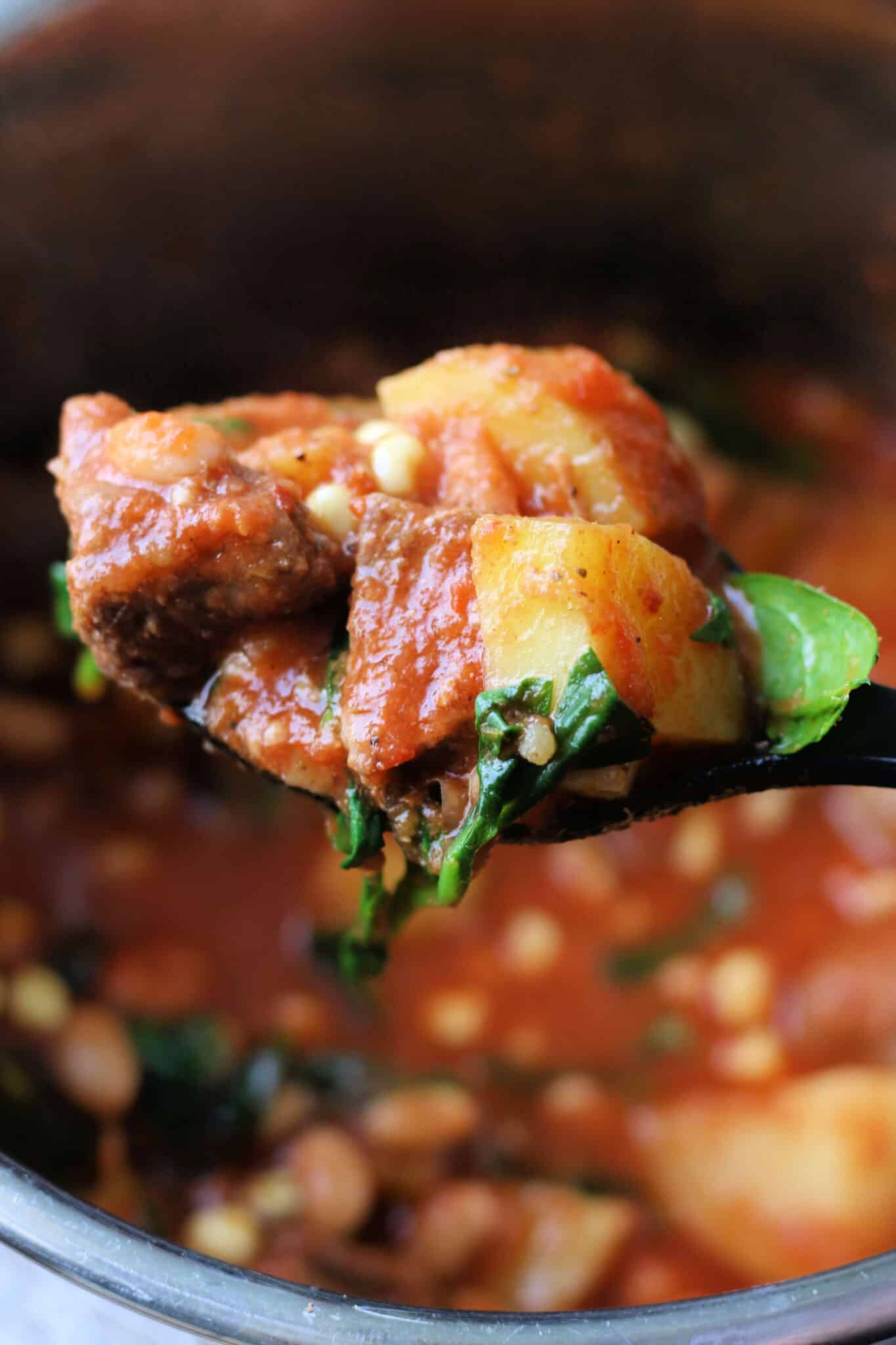
The Wolfe Creek Beef Casserole is architecturally built on a foundation of "hearty" ingredients, a term often used in culinary journalism to describe dishes with high satiety indexes. A technical breakdown of the primary components reveals a deliberate focus on macro and micronutrient diversity:
- Beef Stew Meat: Typically sourced from the chuck or round of the cow, these cuts are rich in collagen. Under the high-pressure environment of an Instant Pot, this collagen breaks down into gelatin, providing a silky mouthfeel to the broth while delivering high levels of protein and heme iron.
- Yukon Gold Potatoes: Chosen for their medium starch content, Yukon Golds maintain their structural integrity better than russets during high-pressure cooking, preventing the casserole from becoming a homogenous mash. They provide essential potassium and Vitamin C.
- White Beans: Whether Great Northern or Cannellini, these legumes introduce plant-based protein and significant dietary fiber. Legumes in stews also act as a natural thickening agent as they release small amounts of starch into the tomato broth.
- Tomato Broth Base: The combination of tomato paste and crushed tomatoes provides a base rich in lycopene. The addition of red wine vinegar serves a dual purpose: it acts as a flavor brightener to cut through the richness of the beef and aids in the further tenderization of the meat fibers.
- Vegetable Enrichment: The inclusion of spinach and corn at the final stage of cooking ensures that volatile nutrients—such as the folate and Vitamin K found in spinach—are not destroyed by prolonged heat.
Technical Chronology of Preparation
The efficiency of the Wolfe Creek Beef Casserole is best observed through its specialized preparation timeline, which differs significantly between the Instant Pot and the slow cooker methods.

Phase I: The Softening Cycle
In the Instant Pot method, the process begins with the "primary cook." Beef stew meat, onions, water, and "Better than Bouillon" (a concentrated base) are subjected to 20 minutes of high pressure. This specific duration is calculated to bypass the "tough" stage of bovine muscle fibers. In a traditional pot, this process would require 90 to 120 minutes of simmering.
Phase II: The Vegetable Integration
Following a manual steam release, the second phase involves adding the "hard" vegetables and legumes—potatoes and white beans—along with the aromatic spices (thyme, rosemary, and garlic powder). A secondary five-minute pressure cycle is then initiated. This "staged" cooking approach is a hallmark of professional-grade Instant Pot recipes, ensuring that the meat is tender while the vegetables remain firm and do not disintegrate into the sauce.

Phase III: The Residual Heat Finish
The final stage utilizes the residual heat of the stew to cook the most delicate ingredients. Fresh spinach and corn are stirred into the pot after the pressure has been fully released. The 10 to 15-minute "natural release" period is critical here; it allows the internal temperature of the beef to stabilize, preventing the fibers from seizing and becoming "rubbery" when exposed to the cooler ambient air.
The Role of "One-Pot" Technology in Modern Living
The rise in popularity of recipes like the Wolfe Creek Beef Casserole is closely tied to the "Van Life" movement and the increasing intersection of nomadic lifestyles with digital content creation. Market data from 2023 suggests that the multi-cooker market (including brands like Instant Pot and Ninja Foodi) continues to grow at a steady CAGR (Compound Annual Growth Rate) as consumers prioritize energy efficiency. One-pot meals consume significantly less electricity than multi-burner stovetop cooking or oven-based casseroles.

Furthermore, the "road trip" origins of the dish resonate with a demographic that values "healthy-fast" food. Unlike traditional fast food, which is often criticized for high sodium and preservative content, the Wolfe Creek Casserole relies on pantry staples and fresh produce, allowing for total control over sodium levels through the use of specific bouillon bases and seasonings.
Expert Insights and Culinary Implications
Culinary analysts note that the Wolfe Creek Beef Casserole is part of a broader trend of "Global Rustic" cuisine. This movement takes traditional, localized recipes—often those born of necessity—and elevates them through modern seasoning profiles like steak seasoning blends and red pepper flakes for heat.

"The adaptation of the Wolfe Creek recipe represents a democratization of the Australian culinary experience," says one food historian specializing in colonial-era stews. "It takes the ‘billy-can’ ethos of the 19th-century drover and updates it for the 21st-century remote worker. It is a meal designed for people who are going somewhere, whether that is literally across a continent or figuratively through a busy work week."
From a food safety perspective, the use of the Instant Pot for this recipe ensures that the beef reaches an internal temperature of at least 165°F (74°C) almost instantly, significantly reducing the window of time that meat spends in the "danger zone" (40°F – 140°F) where bacteria can proliferate. This makes it a safer alternative for amateur cooks who may not be as familiar with the nuances of traditional stovetop simmering.

Broader Impact: Sustainability and Household Management
Beyond the immediate nutritional and temporal benefits, the Wolfe Creek Beef Casserole addresses several modern household challenges:
- Food Waste Reduction: The recipe is highly adaptable. Leftover vegetables can be integrated into the final "stir-in" phase, and the use of frozen corn or canned beans ensures that the recipe can be made year-round without relying on out-of-season fresh produce.
- Water Conservation: As originally noted by Jen of Expedition Australia, the one-pot method is a superior choice for water-scarce environments. In a domestic setting, this translates to fewer dishwasher cycles and a smaller environmental footprint.
- Economic Efficiency: By using "stew meat"—which is often comprised of cheaper, tougher cuts like the shank or shoulder—the recipe allows families to consume high-quality protein at a lower price point. The pressure cooking technology effectively "upgrades" the quality of the meat through mechanical and thermal breakdown of connective tissues.
Conclusion
The Wolfe Creek Beef Casserole is more than a simple dinner option; it is a synthesis of travel history, modern engineering, and nutritional science. Its journey from the rugged outposts of Western Australia to the digital screens of recipe bloggers illustrates the enduring appeal of the "one-pot" philosophy. As domestic life continues to accelerate, the ability to produce a meal that is "fast, healthy, tasty, and easy to clean" remains the gold standard of home cooking. Whether prepared in a high-tech pressure cooker or a slow-simmering crockpot, the dish stands as a testament to the fact that the most resilient recipes are those that can adapt to the tools of the time while remaining anchored in the universal need for a hearty, comforting meal.
