
The culinary landscape of the American Upper Midwest is defined by a singular, enduring tradition known as the "hotdish." While the rest of the United States may utilize the term "casserole" to describe a variety of baked, one-pan meals, the hotdish remains a distinct cultural and social marker in states such as Minnesota, North Dakota, and Wisconsin. The "Mandatory Midwest Casserole," a contemporary iteration of this classic, represents a significant evolution in regional home cooking. Moving away from the mid-century reliance on processed, canned goods, modern interpretations of the tater tot hotdish emphasize "from-scratch" components, utilizing fresh vegetables, high-quality proteins, and homemade roux-based sauces to elevate a staple once relegated to church basements and school cafeterias.
The Anatomy of a Regional Icon
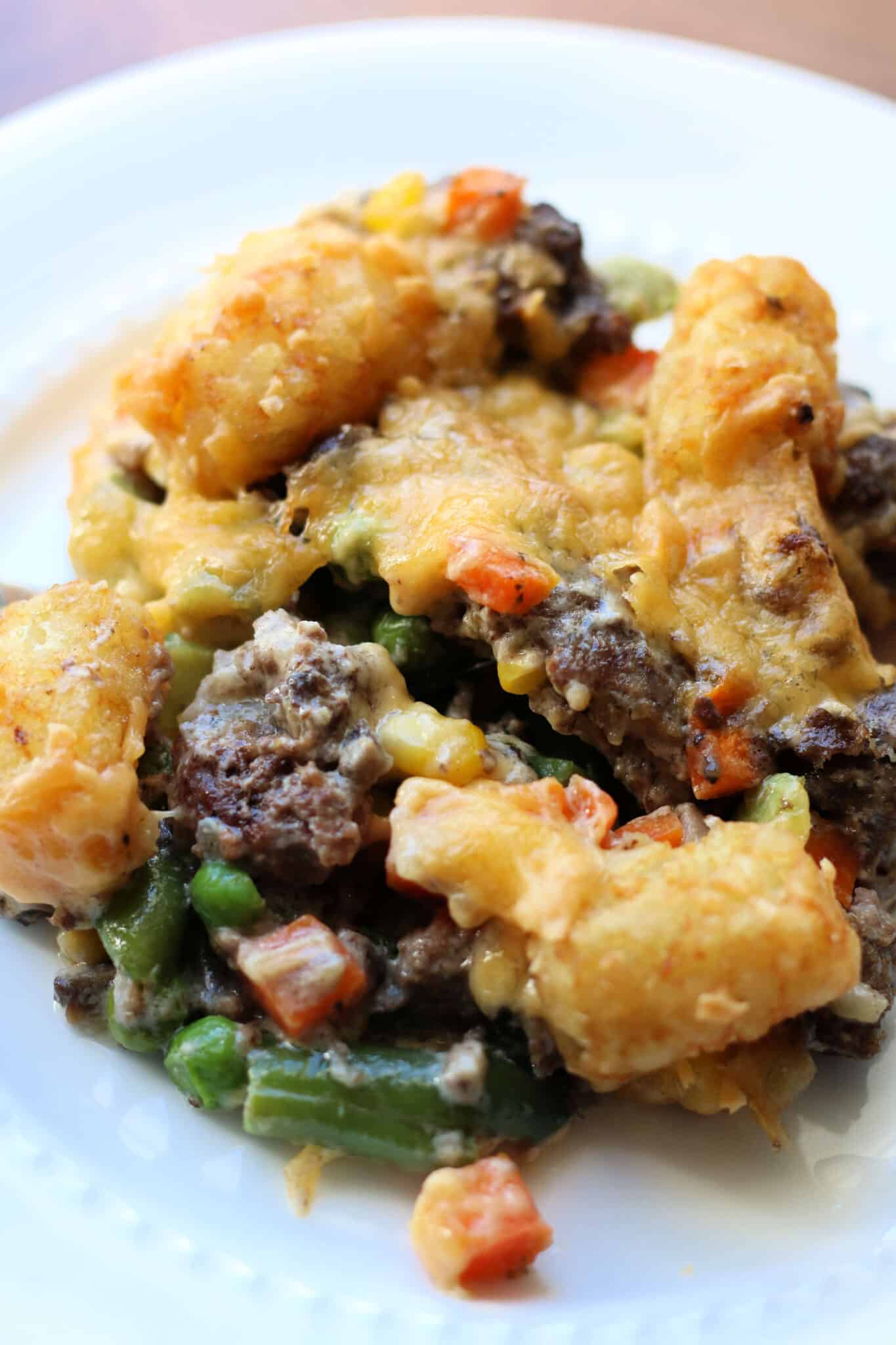
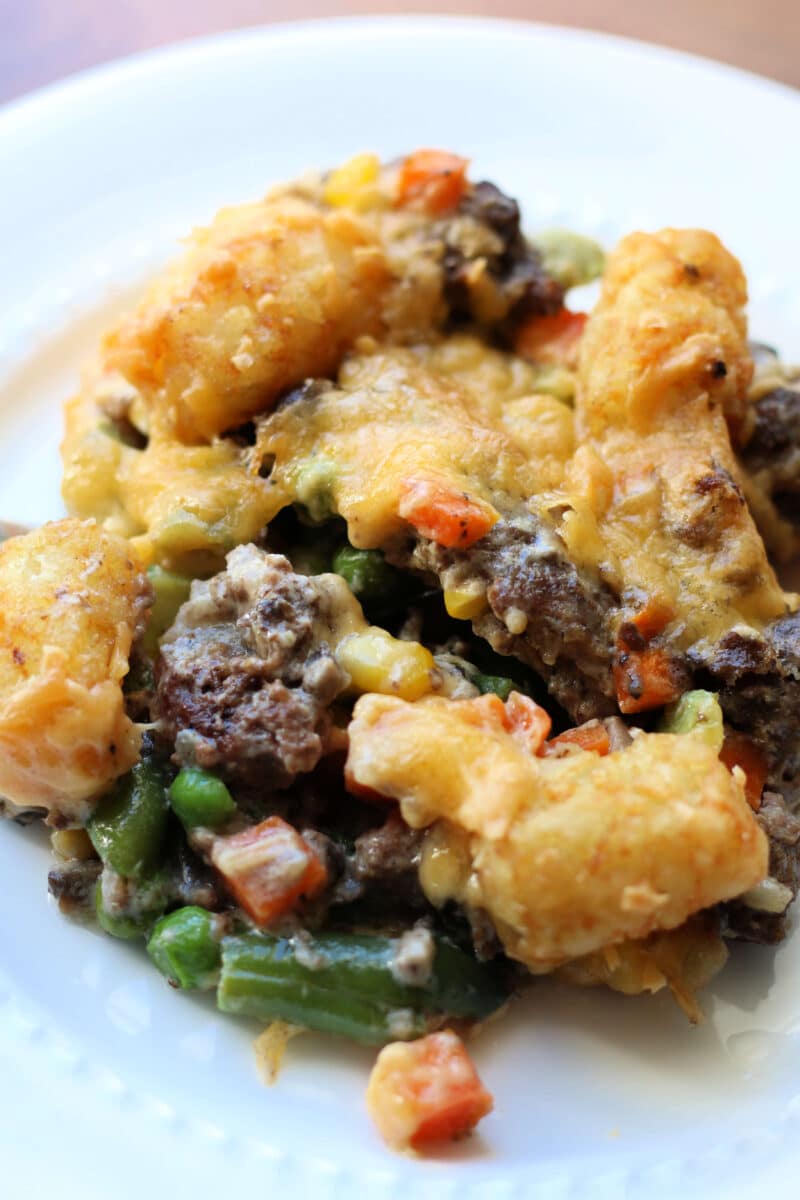
The Mandatory Midwest Casserole is structured around a specific hierarchy of ingredients designed to provide maximum caloric density and textural contrast. At its foundation is a layer of seasoned ground beef, often supplemented with aromatic vegetables such as onions and mushrooms. This is followed by a creamy binding agent—traditionally a condensed "cream of" soup—and topped with a uniform layer of frozen potato cylinders, known commercially as Tater Tots.
In the current professionalized approach to the dish, the reliance on industrial canned soups is replaced by a sophisticated dairy reduction. By utilizing half-and-half, all-purpose flour, and fresh mushrooms, cooks are able to control sodium levels and flavor profiles more precisely. The inclusion of Worcestershire sauce provides a necessary umami depth, while a final layer of shredded cheddar cheese serves to bind the potato topping, creating a crisp, golden-brown crust during the baking process.
Historical Context and Culinary Evolution
To understand the "mandatory" nature of this casserole, one must examine its historical trajectory. The term "hotdish" first appeared in written record in the Grace Lutheran Ladies Aid Cookbook published in Mankato, Minnesota, in 1930. During the Great Depression, these dishes were essential for their ability to stretch expensive proteins with cheaper fillers like potatoes or canned vegetables.
The 1950s marked a pivotal shift with the introduction of the Tater Tot by the Ore-Ida company in 1953. Originally created as a way to utilize leftover slivers of cut potatoes, the Tater Tot became the definitive topping for the Midwest hotdish by the 1960s. This period also saw the rise of the "Campbell’s Soup Era," where condensed Cream of Mushroom soup became the "Lutheran Binder" that unified the regional palate.
The transition to the "from-scratch" Mandatory Midwest Casserole seen today is a response to the broader American culinary movement toward "clean eating" and artisanal preparation. By recreating the creamy base using flour and half-and-half, modern home cooks are reclaiming the dish from its industrial past while maintaining the nostalgic flavor profile that defines the region.
Procedural Chronology: From Preparation to Presentation
The preparation of a Mandatory Midwest Casserole is a multi-stage process that requires careful heat management to ensure the integrity of the dairy base and the crispness of the potato topping.
Phase I: Protein and Aromatic Development
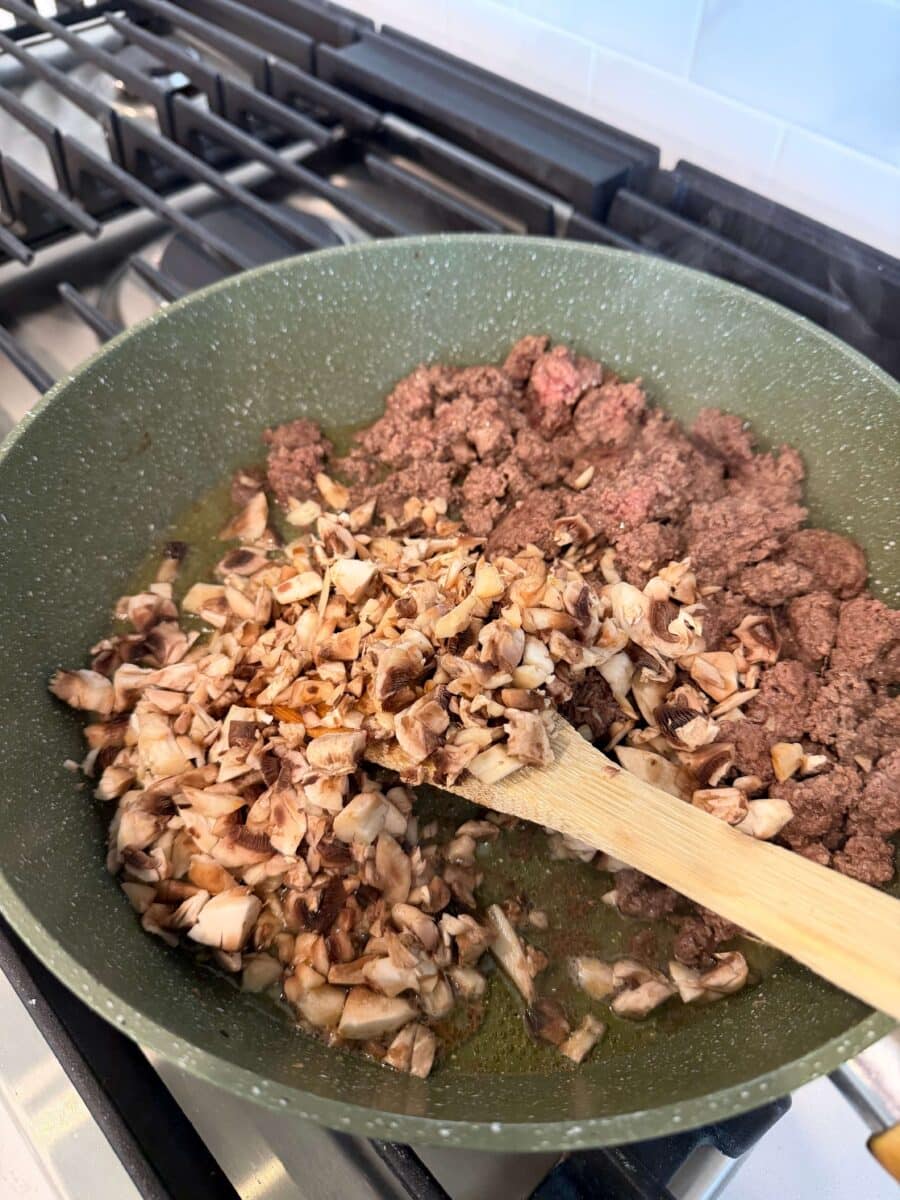
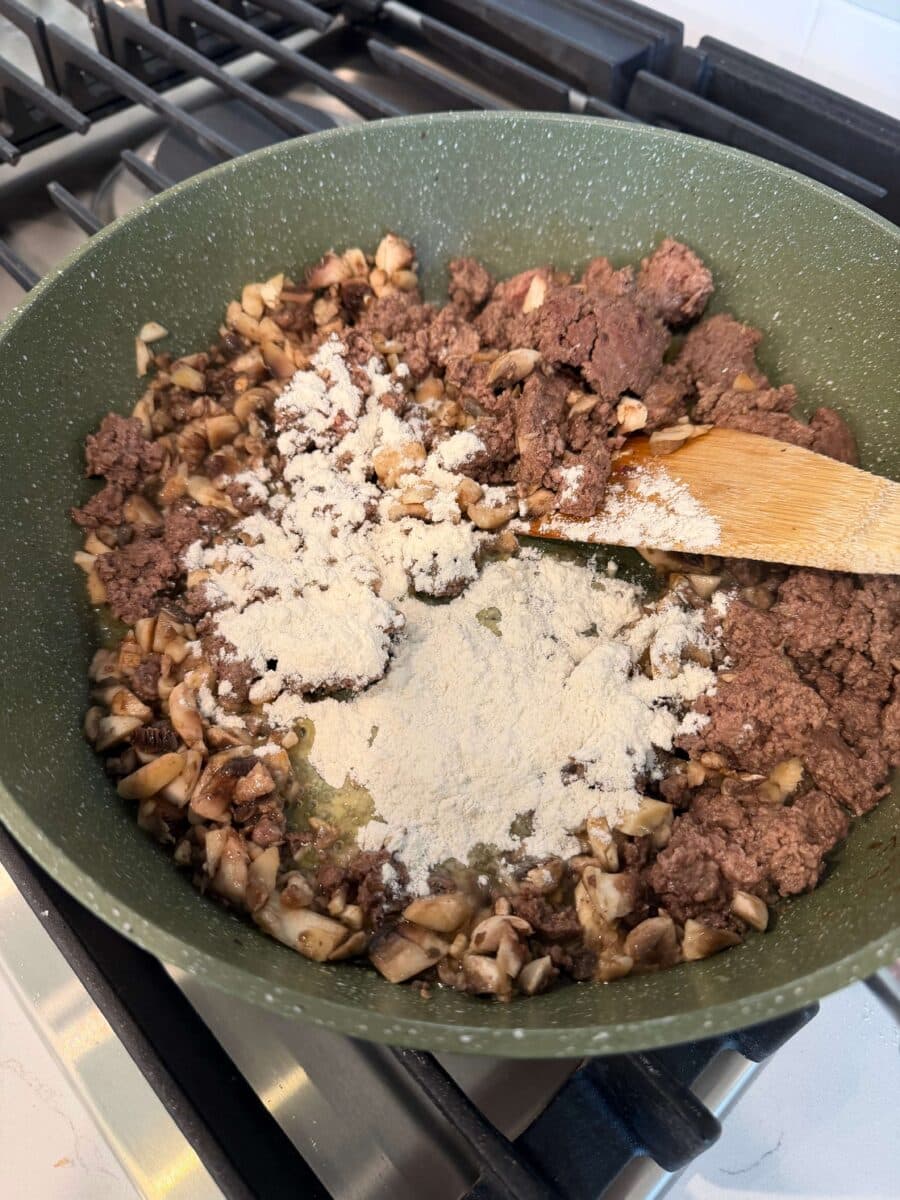
The process begins with the browning of ground beef in a large skillet over medium-high heat. Journalistic observation of traditional methods suggests that a lean-to-fat ratio of 80/20 is often preferred to provide sufficient drippings for the subsequent vegetable sauté. Once the beef is browned (approximately five minutes), sliced mushrooms and diced onions are introduced. These are cooked until the mushrooms undergo significant moisture loss and shrinkage, a process that concentrates their earthy flavor.
Phase II: The Creation of the "From-Scratch" Binder
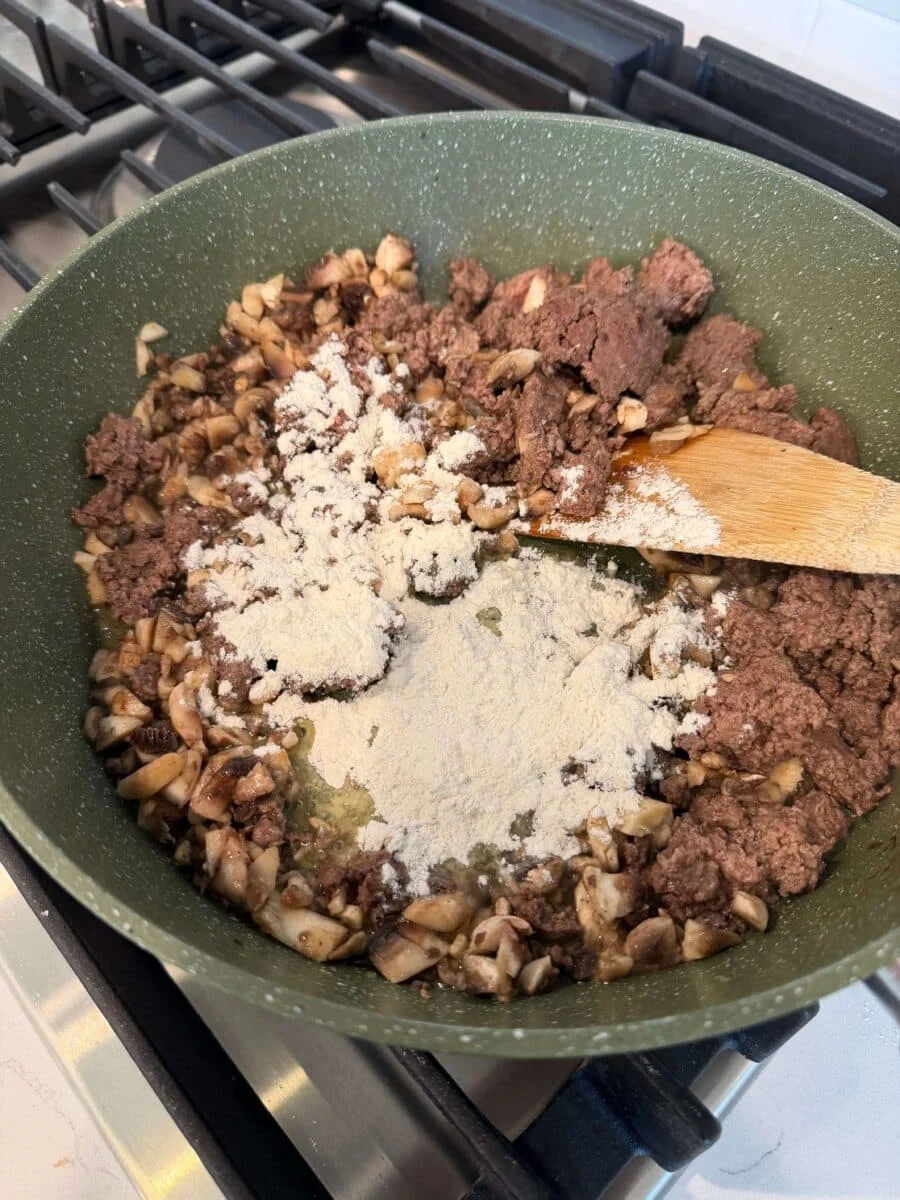
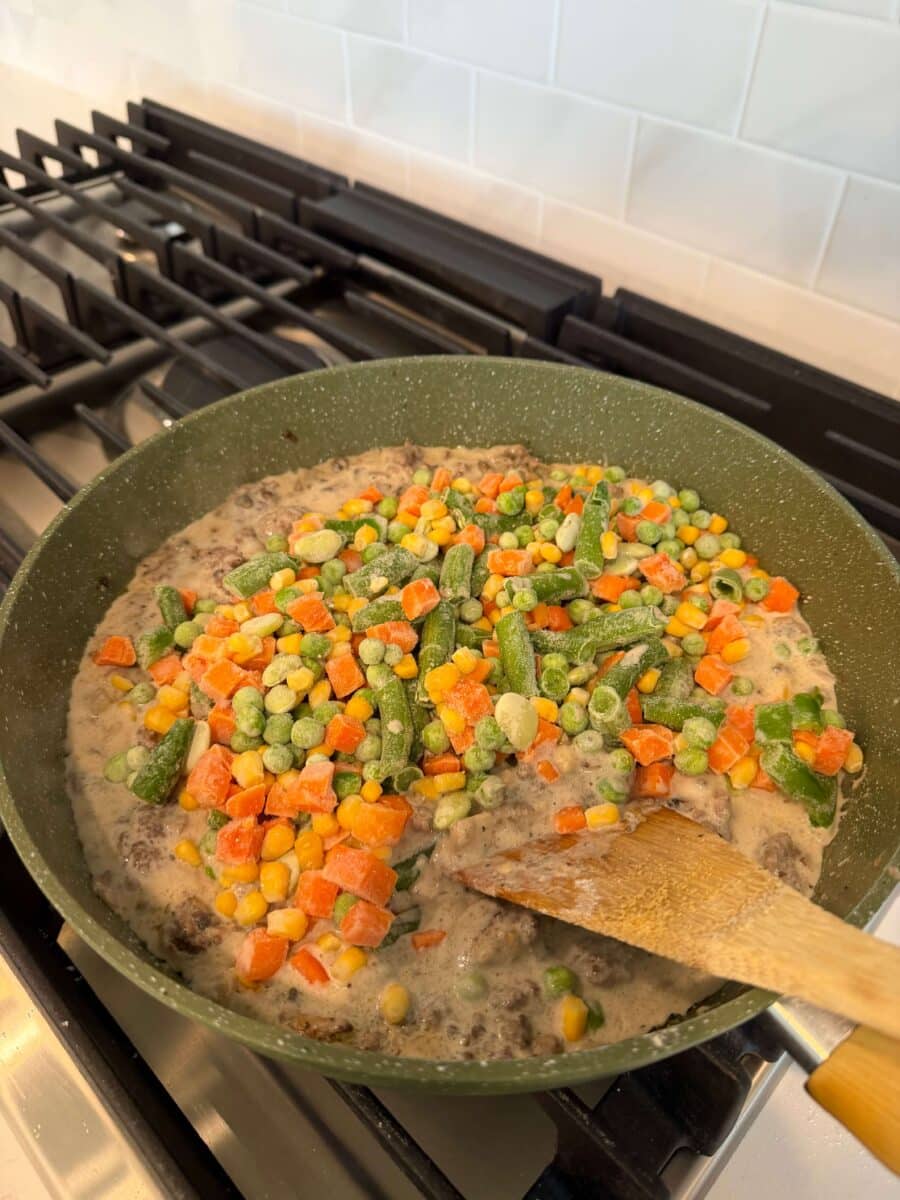
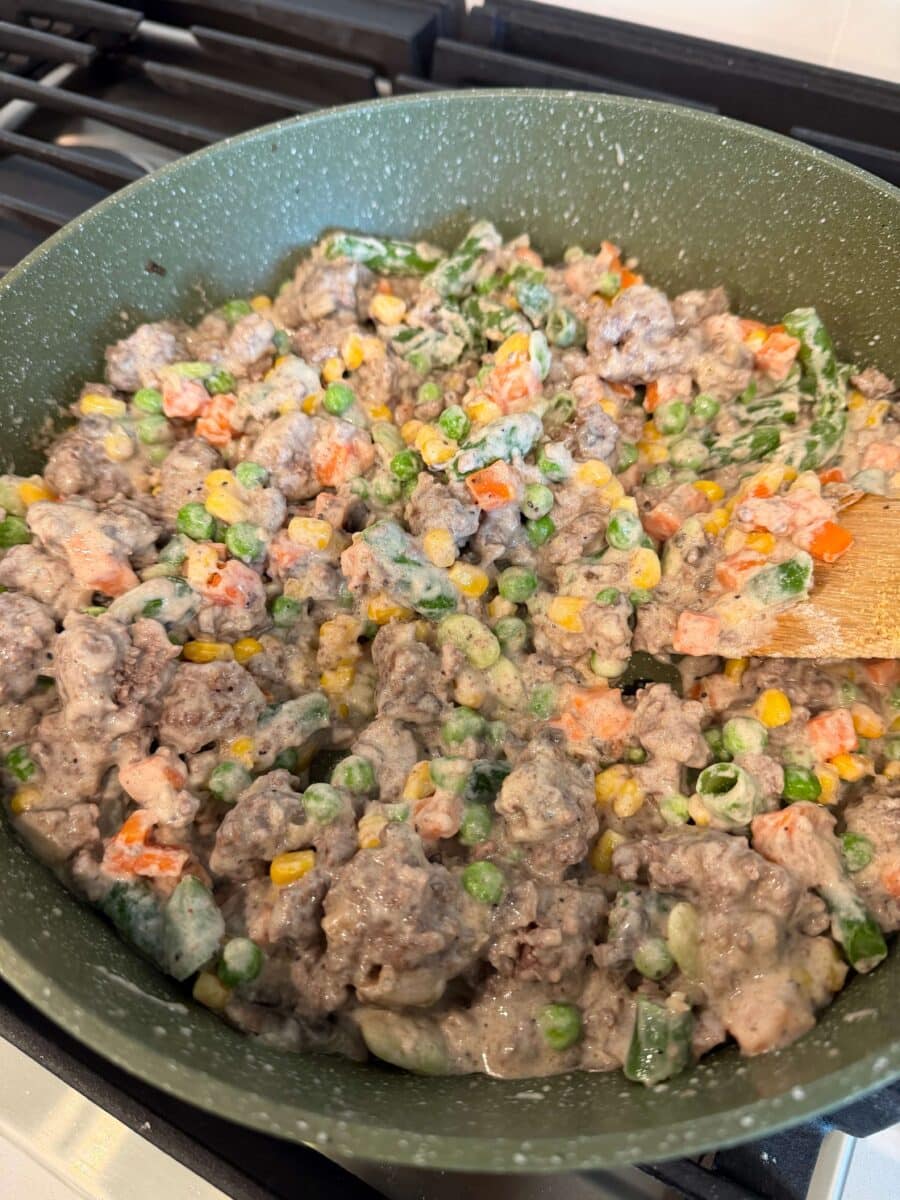
Unlike the rapid opening of a can, the modern hotdish requires the construction of a roux. All-purpose flour is sprinkled directly over the meat and vegetable mixture, allowing the residual fats to hydrate the starch. Half-and-half is then integrated slowly. This gradual addition, combined with constant stirring, results in a thickened, velvety sauce that coats the beef without becoming overly liquid. At this stage, Worcestershire sauce, garlic powder, and frozen mixed vegetables are added to complete the filling.
Phase III: Assembly and Thermal Processing
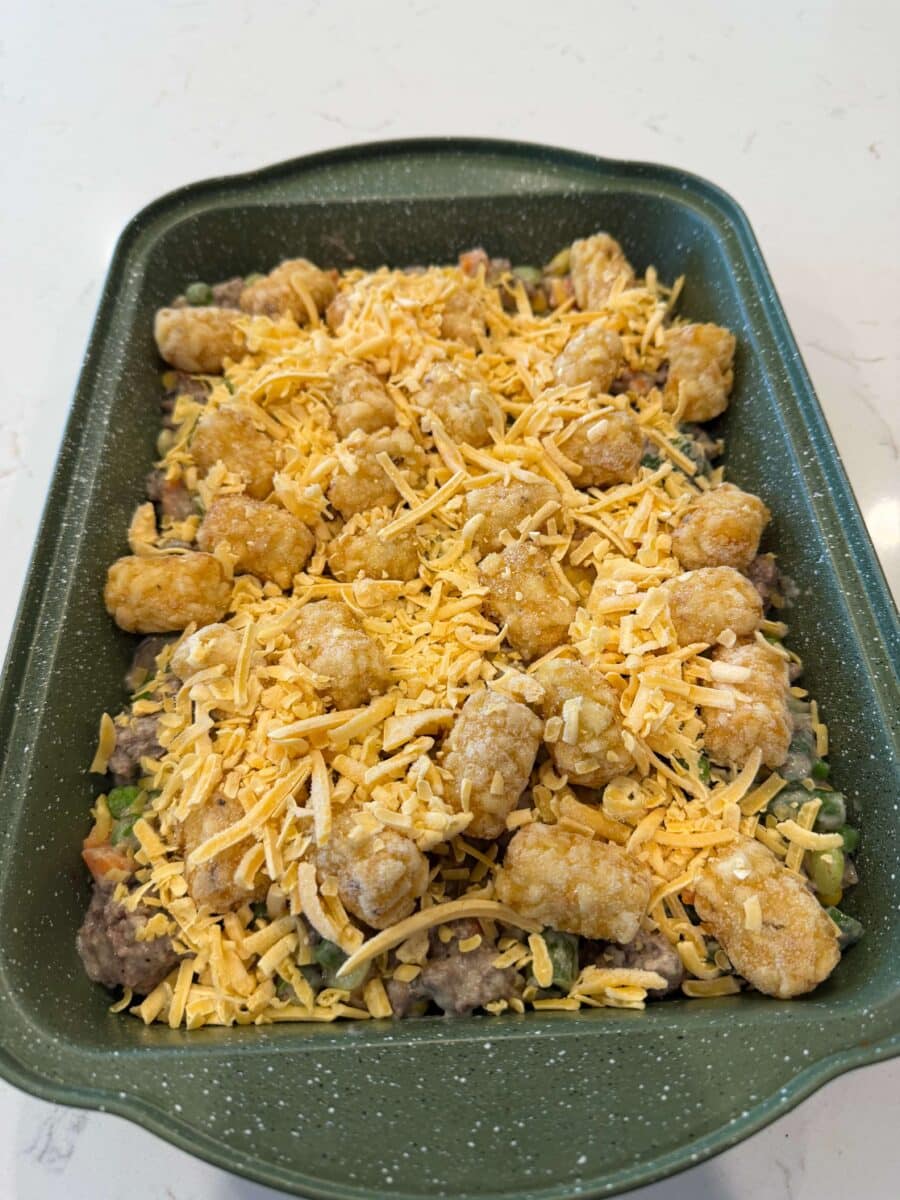
The mixture is transferred to a standard 9×13-inch baking dish. The "mandatory" aesthetic requires a meticulous arrangement of tater tots across the surface. While some home cooks prefer a random distribution, traditionalists often align the tots in military-style rows to ensure even browning. A generous layer of shredded cheese is applied before the dish is placed in an oven preheated to 375°F. The baking duration—typically 45 to 50 minutes—is critical; it allows the sauce to bubble and the potato starches to undergo the Maillard reaction, resulting in a characteristic crunch.
Supporting Data: Economic and Social Impact
The prevalence of the Mandatory Midwest Casserole is supported by significant economic data regarding its core ingredients. According to the United States Department of Agriculture (USDA), potatoes remain the most consumed vegetable in the U.S., with a substantial portion of that consumption coming from frozen processed products like tater tots. Furthermore, the "casserole economy" remains a vital part of Midwestern social structures.
In a 2023 survey of regional food habits, it was found that 72% of households in the Upper Midwest serve a form of hotdish at least twice a month during the winter season (November through March). The "from-scratch" movement has also impacted retail trends, with a noted 15% increase in the purchase of fresh mushrooms and heavy creams in Midwestern grocery hubs, indicating a shift away from the "canned-only" pantry of previous generations.
Reactions and Cultural Significance
Sociologists and culinary historians have long noted that the Mandatory Midwest Casserole is more than a meal; it is a symbol of communal resilience. "The hotdish represents the communal spirit of the Midwest," states Dr. Elena Vost, a cultural historian specializing in American folkways. "It is designed to be shared, whether at a funeral luncheon, a potluck, or a family gathering. The move toward ‘from-scratch’ ingredients suggests that the younger generation is not abandoning their heritage, but rather investing more time and effort into preserving it."
Political figures in the region have also leveraged the dish’s cultural capital. In Minnesota, the annual "Congressional Hotdish Competition" sees representatives vying for the best recipe, a testament to the dish’s status as a non-partisan symbol of regional identity. The 2024 entries showed a marked trend toward the "Mandatory" style—incorporating fresh produce and homemade sauces rather than relying on processed shortcuts.
Analysis of Implications: The Future of Comfort Food
The evolution of the Mandatory Midwest Casserole offers a case study in the modernization of American comfort food. By analyzing the shift from canned to fresh ingredients, several implications for the future of domestic cookery emerge:

- Nutritional Agency: The transition allows for a significant reduction in dietary sodium and preservatives. A standard canned soup can contain upwards of 800mg of sodium per serving; a from-scratch roux allows the cook to control salt levels through seasoning.
- Culinary Literacy: The requirement to make a roux and manage a dairy reduction increases the baseline culinary skills of the average home cook, moving the population toward a more sophisticated understanding of food chemistry.
- Sustainability: While frozen tater tots remain a staple, the use of fresh, locally sourced beef and vegetables supports regional agricultural sectors more directly than the purchase of national-brand canned goods.
Conclusion
The Mandatory Midwest Casserole stands as a resilient pillar of American regional cuisine. It has survived the economic hardships of the 1930s, the industrial food revolution of the 1950s, and the health-conscious scrutiny of the 21st century. By adapting to modern standards of quality while retaining its soul as a humble, one-pot wonder, the tater tot hotdish ensures its place on the dinner tables of the Midwest for generations to come. Whether viewed through the lens of history, economics, or simple gastronomy, the dish remains an essential—and indeed mandatory—element of the American experience.
