
The traditional potato leek soup, known in classical French gastronomy as Potage Parmentier, remains a cornerstone of winter culinary practices due to its unique intersection of nutritional density, economic accessibility, and technical simplicity. As household food budgets face increasing pressure from global inflationary trends, the reliance on root vegetables and hardy alliums has transitioned from a historical necessity to a strategic choice for modern home cooks. This specific iteration of the dish, refined and verified within the Nashville Test Kitchen, emphasizes a dual-texture methodology that balances the silkiness of a pureed base with the structural integrity of whole-boiled potato chunks. By examining the botanical properties of its ingredients, the historical context of its development, and the scientific techniques required for its execution, one gains a comprehensive understanding of why this dish remains a perennial favorite in the domestic repertoire.

Historical Context and Culinary Origins
The lineage of potato leek soup is deeply rooted in European agrarian history, specifically within the regions of France and Wales. While the leek has been a symbol of Welsh identity since at least the 6th century, its pairing with the potato did not occur until the late 18th century. The potato was initially met with suspicion in Europe, often relegated to animal feed until the efforts of Antoine-Augustin Parmentier, a French pharmacist and agronomist. Parmentier famously promoted the potato as a solution to famine, leading to the creation of numerous dishes that bear his name, including the hot potato leek soup.

In the early 20th century, the dish underwent a transformative evolution under the guidance of French chef Louis Diat at the Ritz-Carlton in New York City. Diat sought to recreate a chilled version of the soup his mother had made during his childhood in Montmarault. By adding heavy cream and chilling the mixture, he created Vichyssoise, which became a hallmark of high-end dining. However, the original hot version remains the preferred preparation for the winter months, valued for its "stick-to-the-bones" satiety and warming properties.
Botanical and Nutritional Analysis of Primary Ingredients
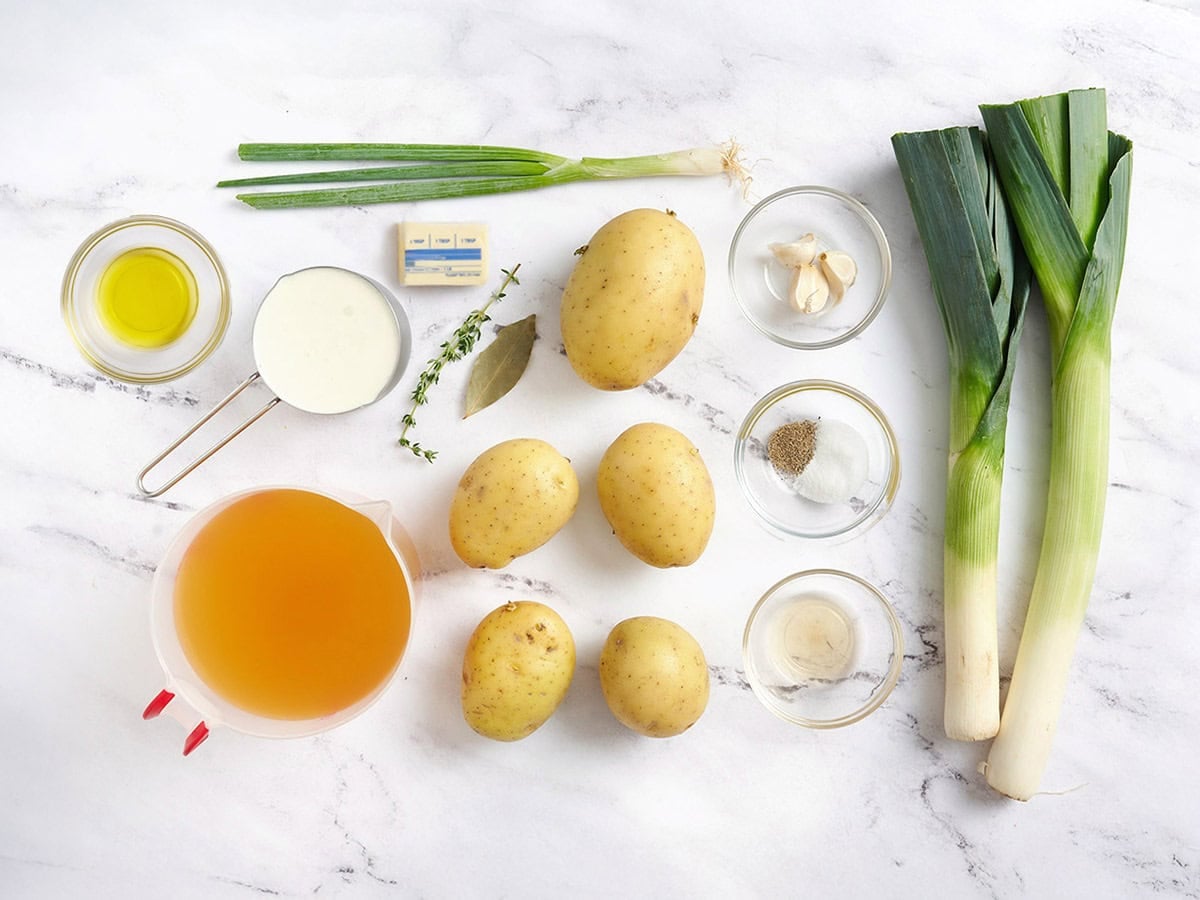
The success of the recipe depends heavily on the selection of specific cultivars. The Nashville Test Kitchen recommends the use of Yukon Gold potatoes, a medium-starch variety developed in the 1960s at the University of Guelph. Unlike starchy Russets, which can become mealy, or waxy red potatoes, which may not emulsify properly, Yukon Golds possess a buttery yellow flesh and a thin skin that contributes to the soup’s flavor profile without requiring laborious peeling. Nutritionally, these potatoes provide significant quantities of Vitamin C, Vitamin B6, and potassium, making them an efficient source of energy.
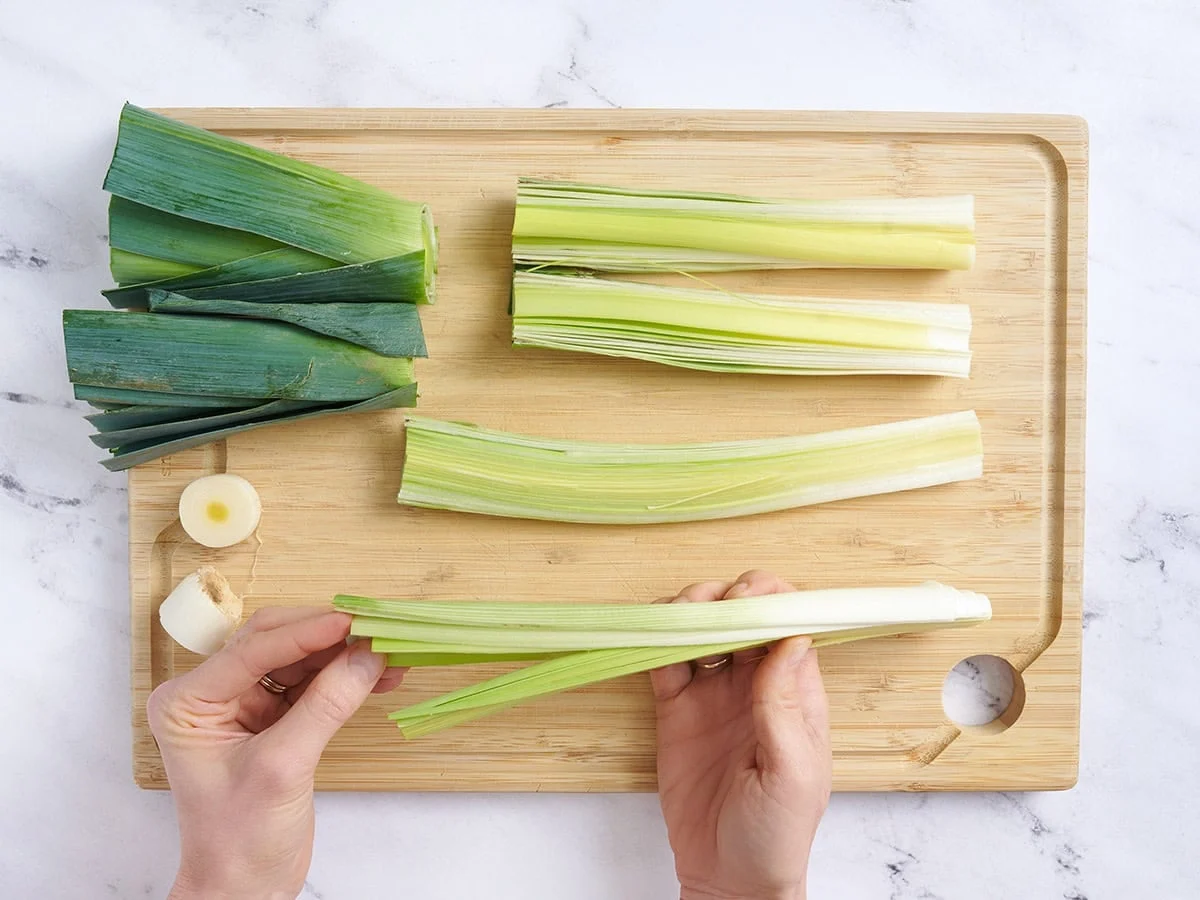
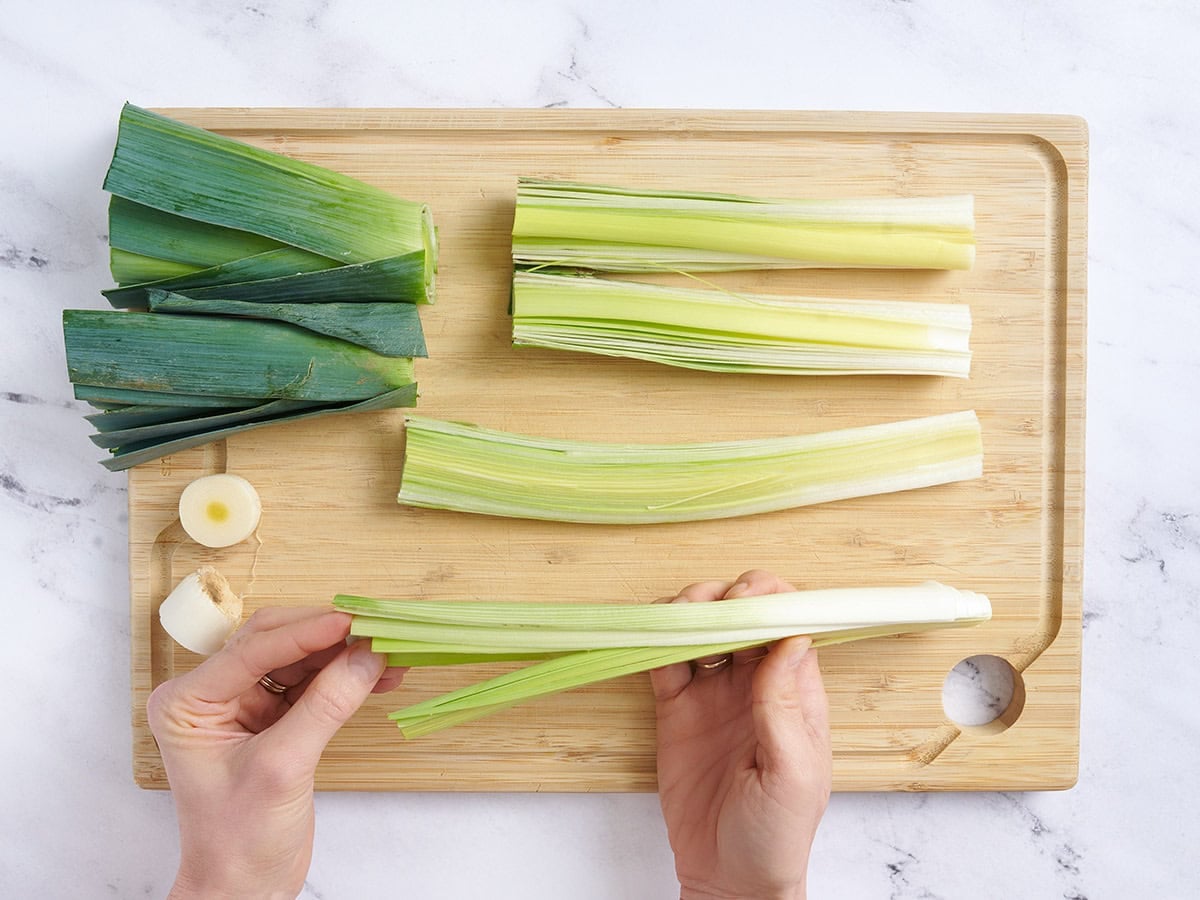
Leeks (Allium ampeloprasum) serve as the aromatic foundation of the dish. As members of the onion family, leeks contain organosulfur compounds and kaempferol, a flavonoid that research suggests may protect the lining of blood vessels. From a culinary perspective, leeks offer a more delicate, sweeter profile than traditional yellow or white onions. Because leeks grow in sandy soil and utilize a layered structure that traps sediment, the cleaning process is a critical preliminary step in the chronology of the recipe to ensure the final product is free of grit.
Chronological Methodology and Technical Execution
The preparation of this soup follows a precise sequence designed to maximize flavor extraction while maintaining a sophisticated texture. The process is divided into five distinct phases: preparation, parboiling, aromatic development, simmering, and emulsification.

Phase I: Preparation and Cleaning
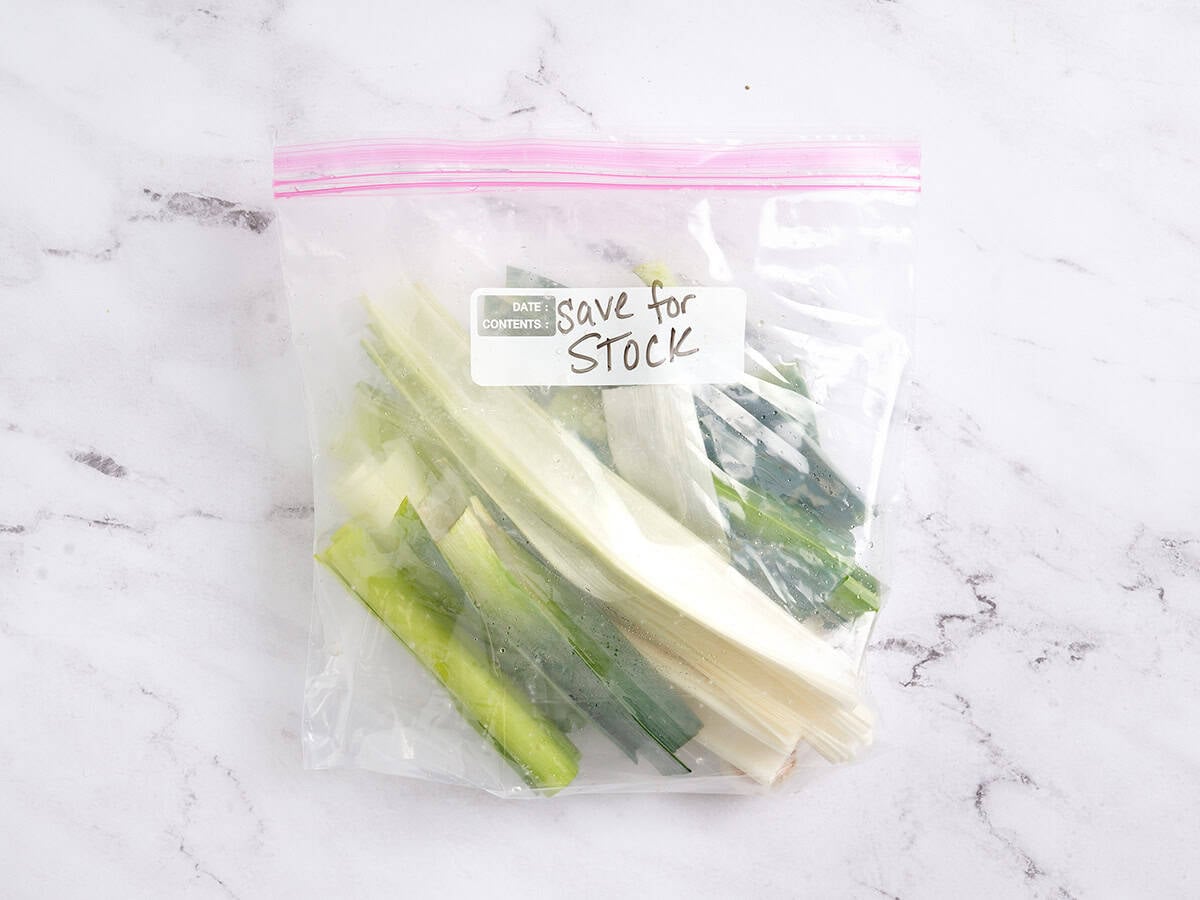
The process begins with the systematic cleaning of approximately 1.5 pounds of untrimmed leeks. Culinary professionals emphasize the importance of separating the tender white and light green inner layers from the fibrous dark green tops. In a move toward sustainable, zero-waste cooking, the Nashville Test Kitchen advises home cooks to rinse and freeze the discarded green tops for future use in vegetable stocks. Concurrently, 2.5 pounds of Yukon Gold potatoes are thoroughly washed.
Phase II: The Whole-Boil Technique
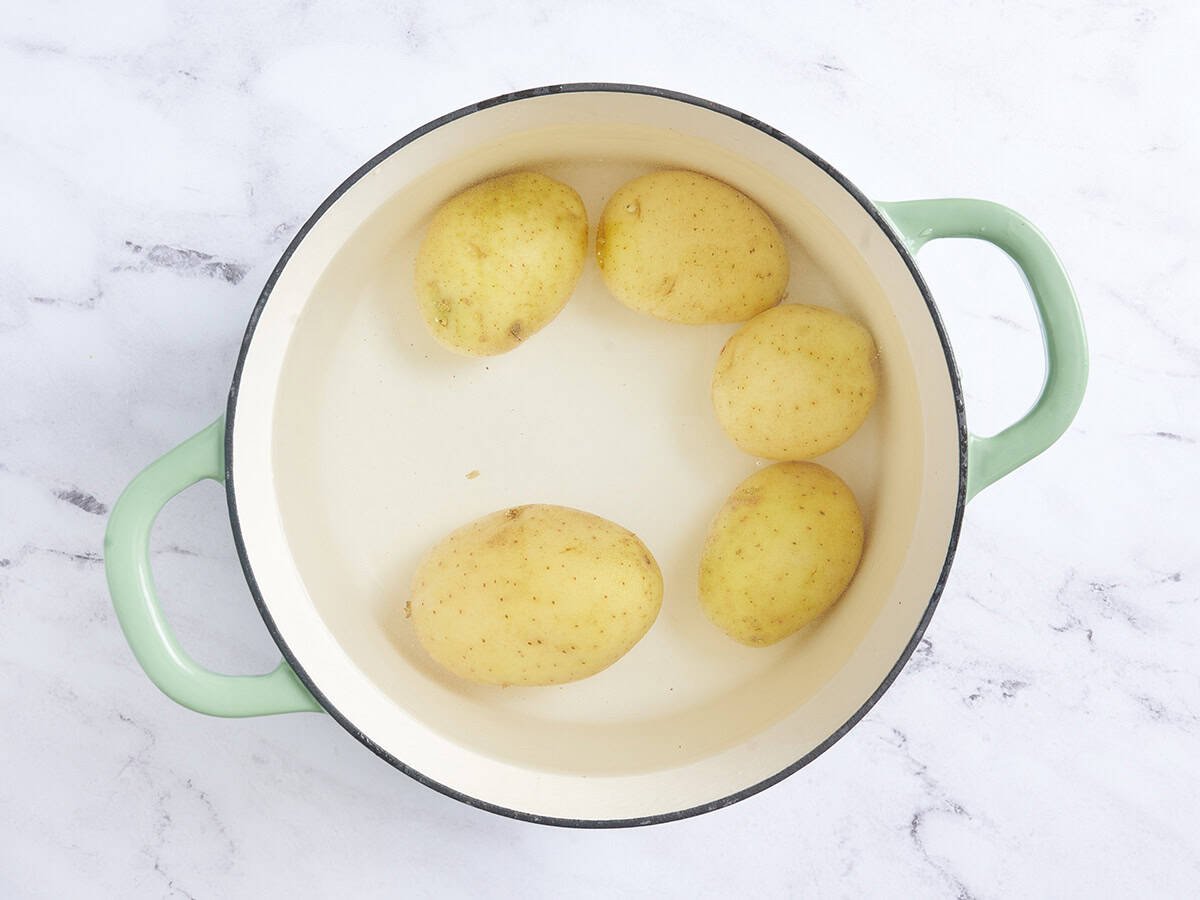
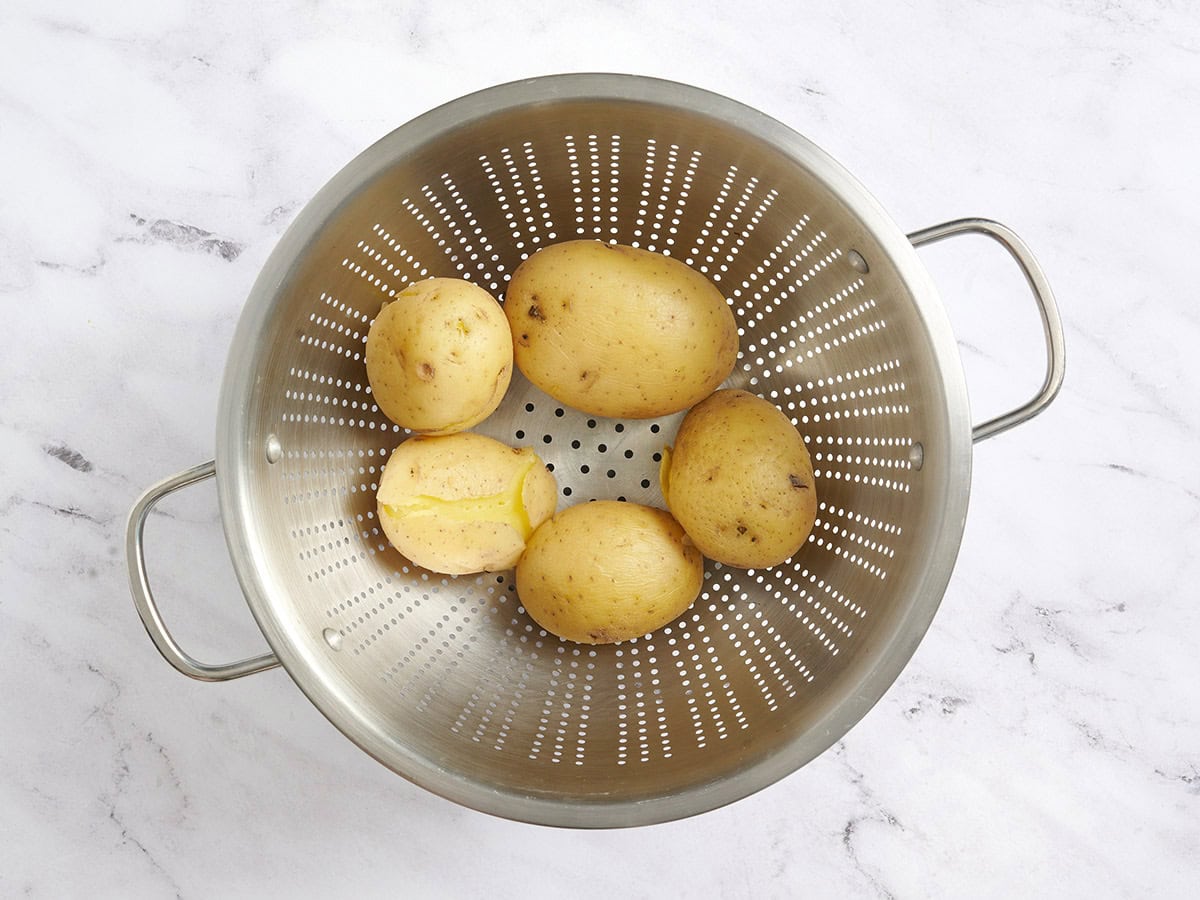
A defining technical choice in this recipe is the decision to boil the potatoes whole with the skin on. This method prevents the potatoes from absorbing excess water, a common issue when dicing potatoes prior to boiling. Excess water absorption can lead to a "gummy" texture and a dilution of the natural sugars and starches. The potatoes are simmered for 15 to 20 minutes until fork-tender, then drained and set aside.
Phase III: Aromatic Development
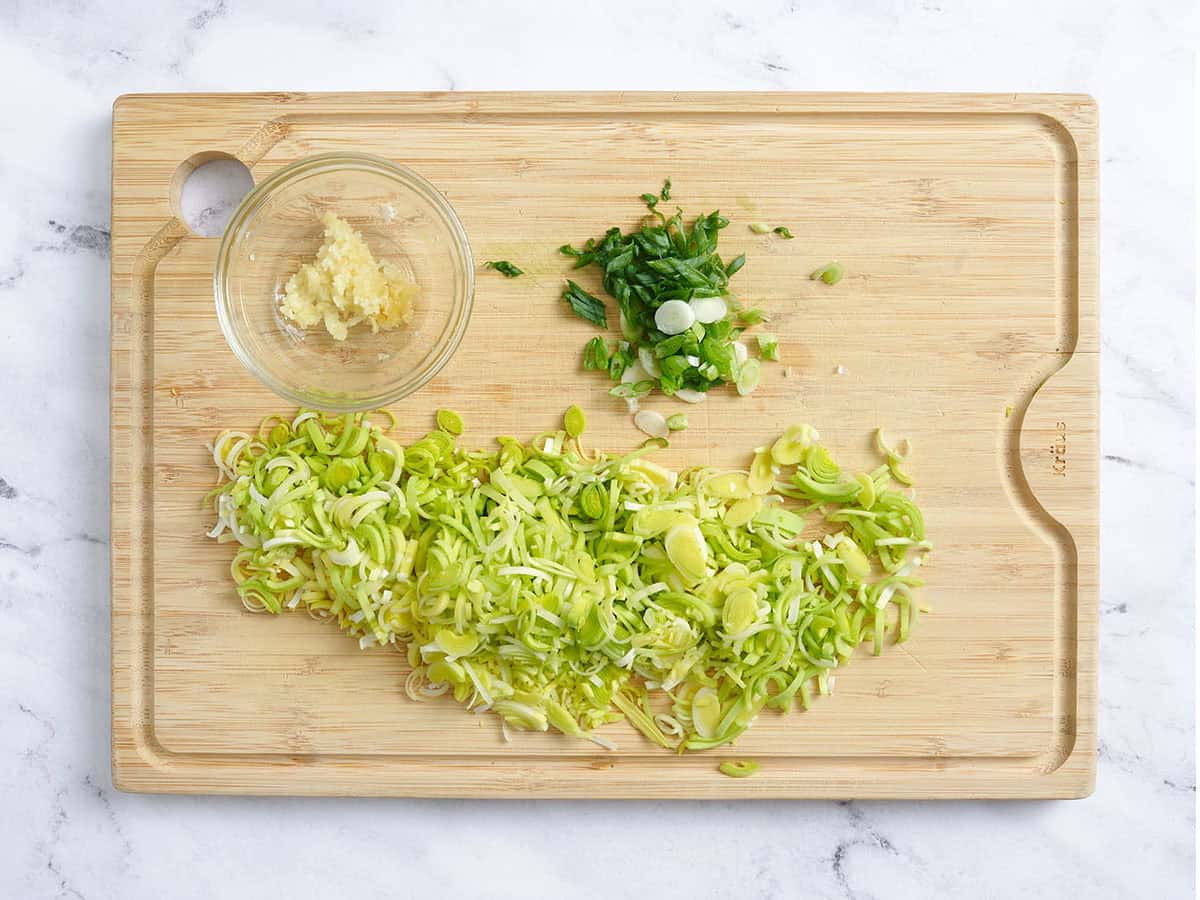
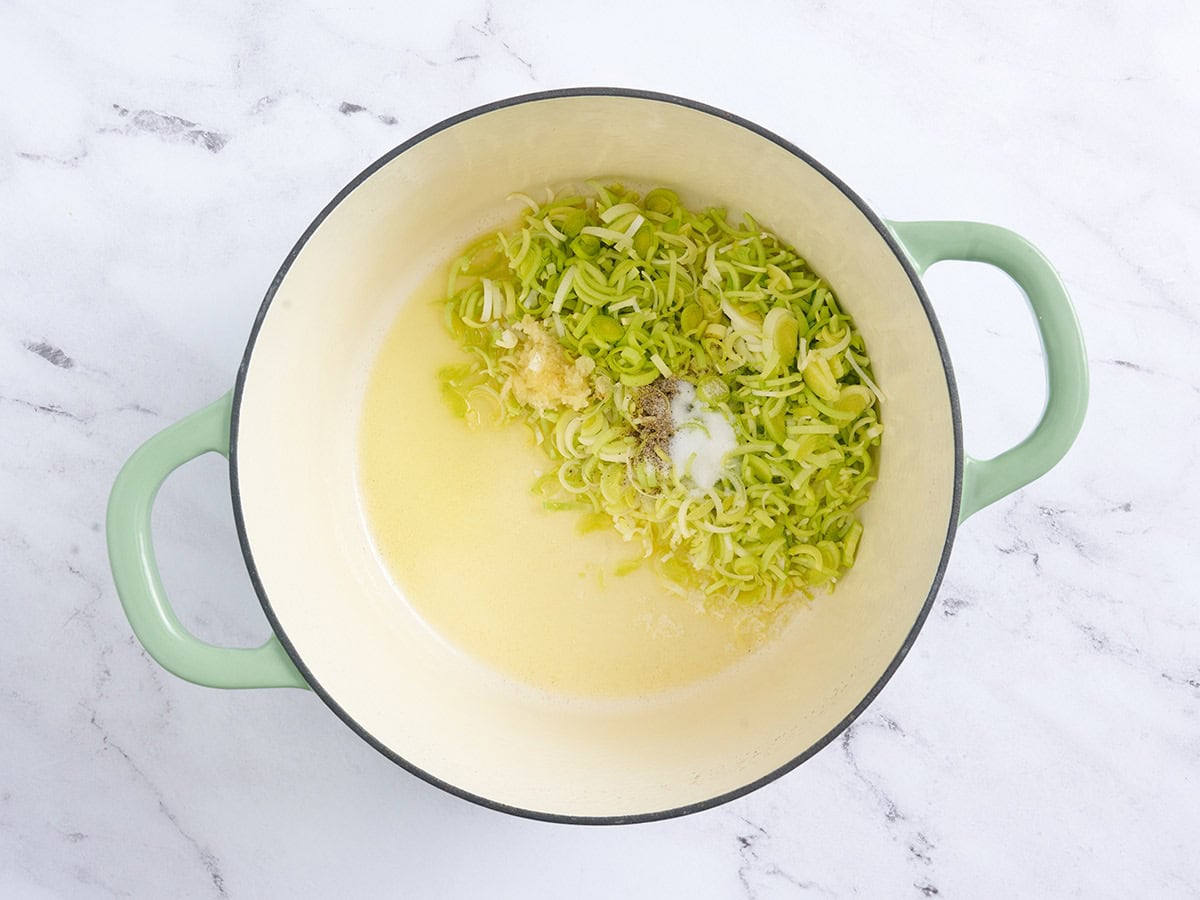
In the primary cooking vessel, a combination of salted butter and olive oil is heated over a medium flame. The minced leeks and garlic are introduced, seasoned with salt and black pepper, and sautéed for approximately eight minutes. This "sweating" process allows the leeks to soften and release their aromatic oils without browning, which would otherwise bitter the soup and discolor the final pale-yellow aesthetic.
Phase IV: The Simmering Base
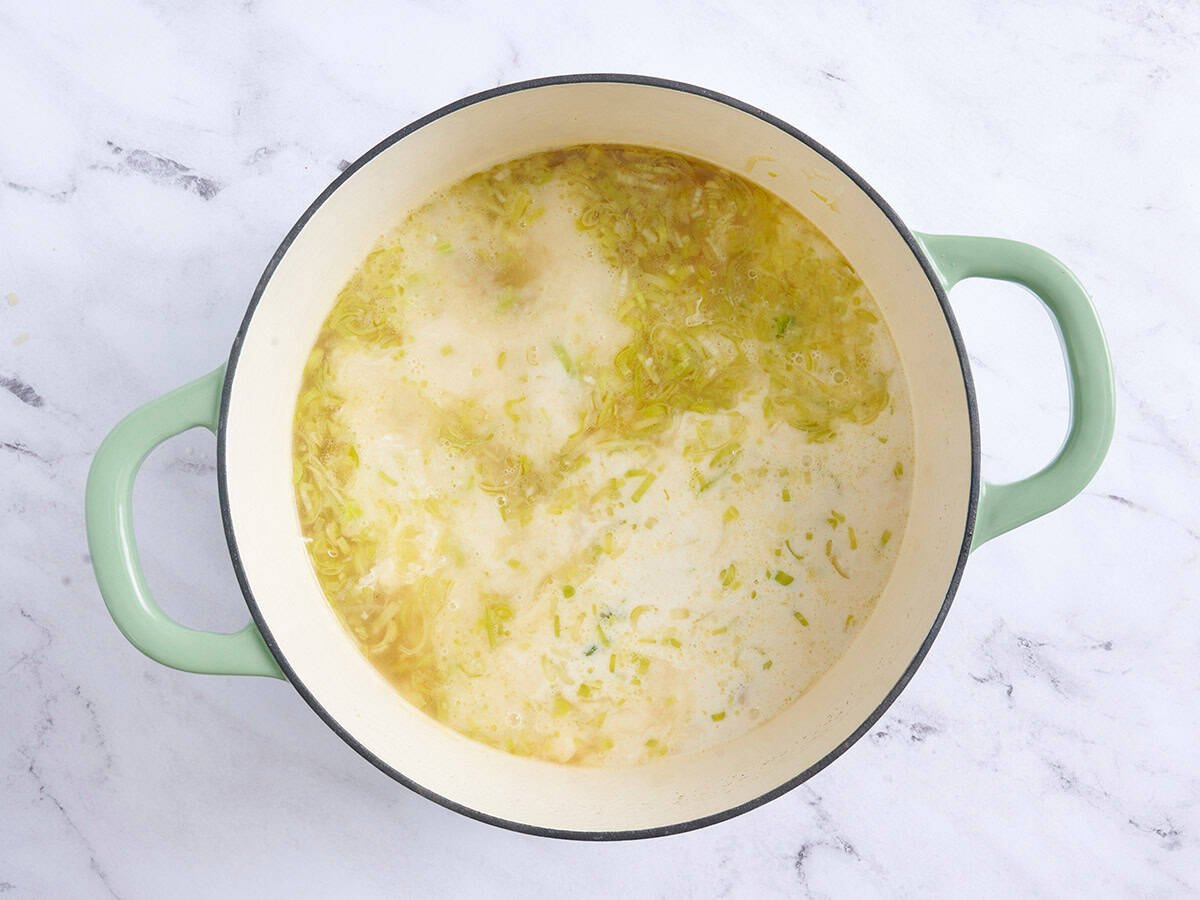
Once the aromatics are prepared, the whole potatoes are reintroduced to the pot, alongside six cups of vegetable broth, a sprig of fresh thyme, a bay leaf, and a teaspoon of apple cider vinegar. The inclusion of vinegar serves as a chemical brightener, cutting through the starchiness of the potatoes and the richness of the dairy. The potatoes are then mashed directly into the broth, creating a rustic, thickened base.
Phase V: Emulsification and Final Assembly
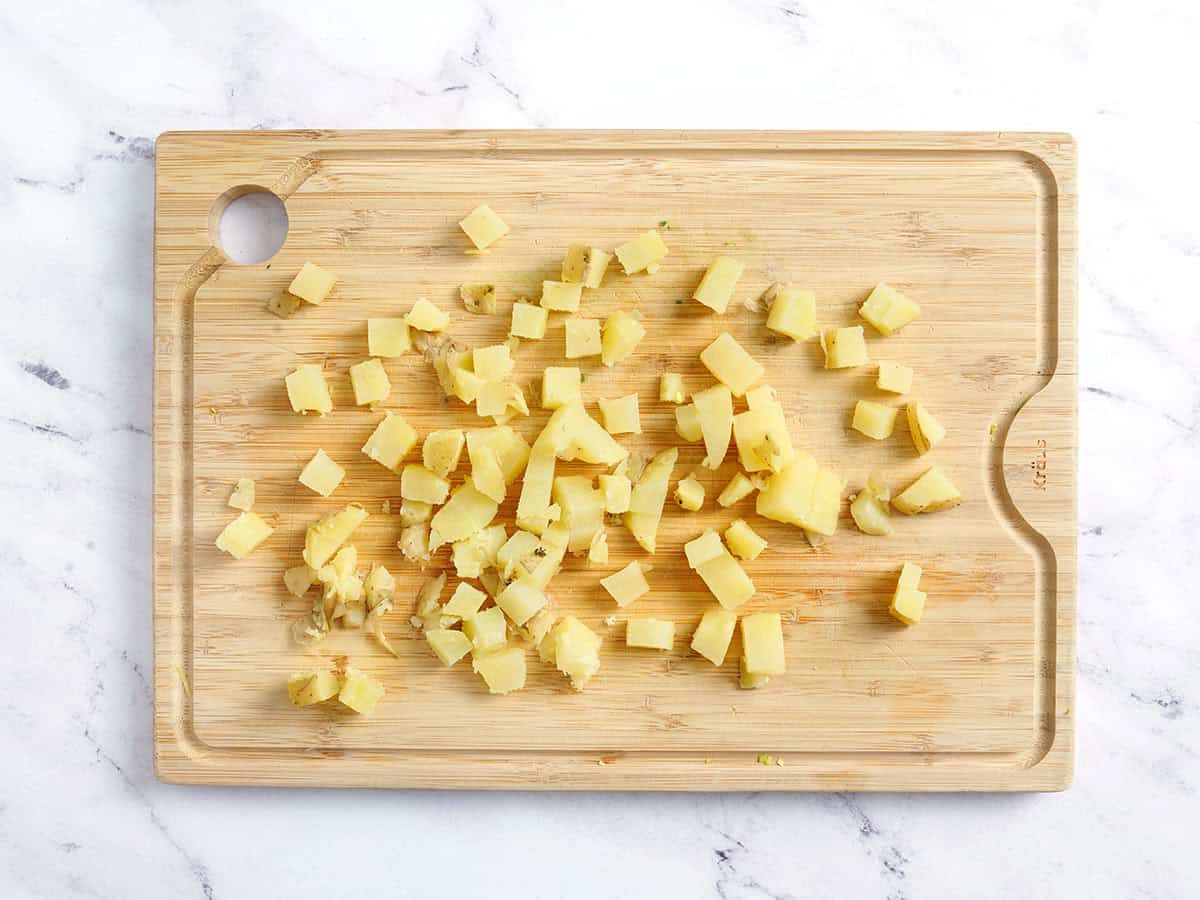
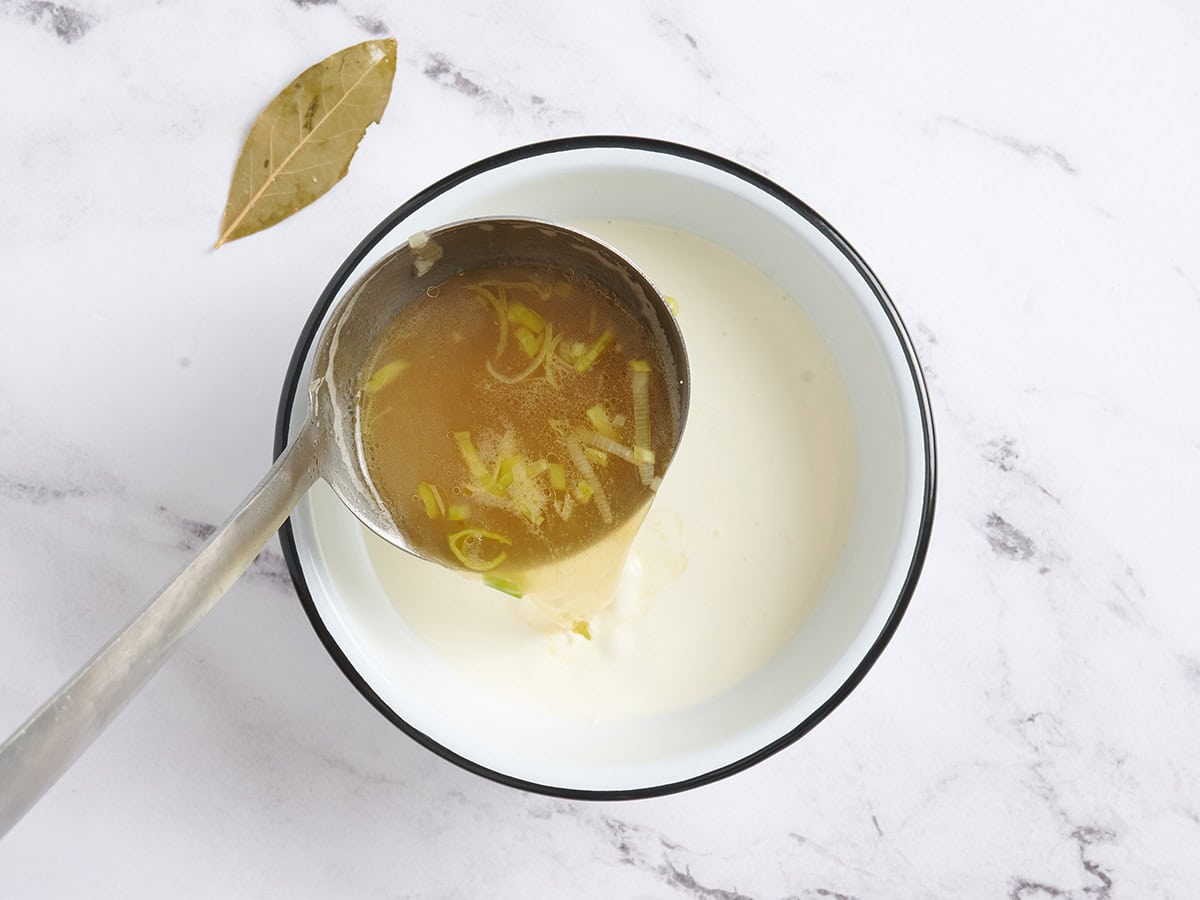
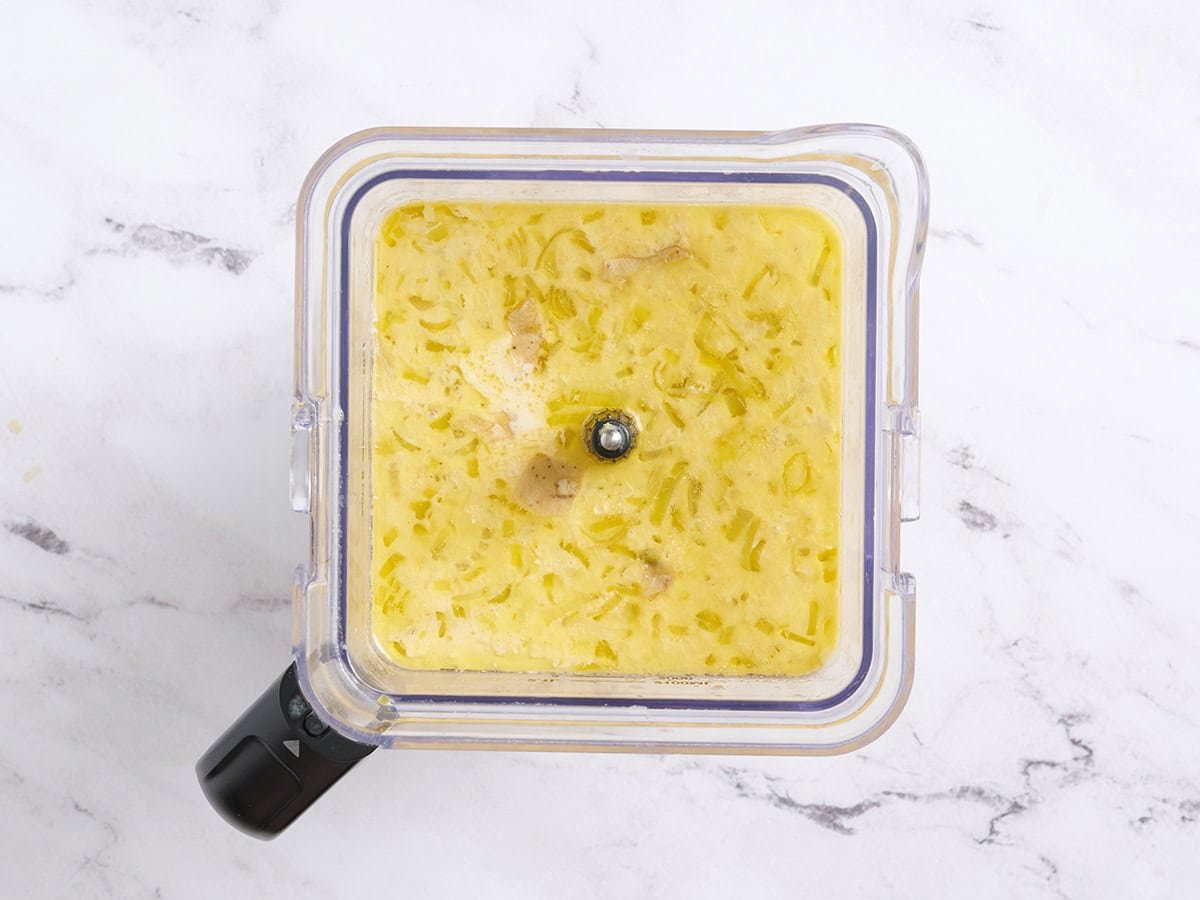
The final stage involves the integration of dairy and the refinement of texture. One cup of heavy cream is "tempered"—a process where hot broth is slowly whisked into room-temperature cream—to prevent curdling upon contact with the simmering soup. Approximately half of the mixture is then transferred to a blender and processed until silky smooth. By recombining this puree with the remaining chunky base and adding two cups of reserved diced potatoes, the chef achieves a multi-dimensional mouthfeel that is both refined and hearty.
Economic Implications and Cost-Benefit Analysis
In the context of modern food economics, the potato leek soup serves as a model for cost-effective meal planning. Based on current market data, the total cost for a full recipe yielding eight servings is approximately $8.46. This translates to an estimated cost of $1.05 per serving, significantly lower than the average cost of pre-packaged or restaurant-prepared soups.

The efficiency of the dish is further enhanced by its storage capabilities. While the Nashville Test Kitchen notes that the soup should not be frozen due to the potential for the cream to separate and the potatoes to become grainy, it remains stable in refrigeration for up to four days. For many households, this makes the dish an ideal candidate for "meal prepping," a strategy that reduces the daily labor of cooking and minimizes the likelihood of food waste.

Expert Perspectives and Industry Responses
Culinary educators, including Jess Rice, a former Chef Professor and restaurateur, highlight the dish’s pedagogical value. Rice notes that the recipe teaches essential skills such as tempering liquids, managing starch levels, and the "layering" of flavors. The response from the home-cooking community has been overwhelmingly positive, particularly regarding the recipe’s accessibility for those with dietary restrictions. Being naturally egg-free, soy-free, and gluten-free (provided the broth is certified), it satisfies a broad range of nutritional requirements without the need for expensive specialty substitutes.
Furthermore, the "zero-waste" aspect of utilizing leek trimmings for stock has been praised by environmental sustainability advocates. By encouraging consumers to view vegetable scraps as a resource rather than refuse, the recipe aligns with broader industry movements aimed at reducing the environmental footprint of domestic kitchens.
Broader Impact and Conclusion
The enduring popularity of potato leek soup reflects a wider cultural appreciation for "comfort foods"—dishes that provide psychological solace through familiar flavors and textures. In a fast-paced digital age, the act of preparing a slow-simmered soup serves as a meditative culinary practice.
The Nashville Test Kitchen’s approach to this classic demonstrates that high-quality gastronomy does not require prohibitively expensive ingredients or inaccessible technology. Instead, it relies on the thoughtful application of basic principles: selecting the right potato, respecting the delicate nature of the leek, and utilizing mechanical emulsification to achieve a professional finish. As winter temperatures persist, the potato leek soup stands as a testament to the resilience and elegance of simple, budget-conscious cooking, providing a nutrient-dense and economically viable solution for families and individuals alike. Through its 289-calorie-per-serving profile and its rich, buttery finish, it remains a definitive example of how traditional techniques can be optimized for the modern era.
