
In a move that sent ripples through the fast-food industry and spurred significant public health dialogue, Long John Silver’s made the decision to discontinue its famously indulgent Big Catch meal. This decision, finalized in August 2013, followed intense scrutiny and a damning designation by a prominent consumer advocacy group. The Big Catch, launched in May 2013, quickly became a lightning rod for criticism, not for its taste or popularity, but for its astonishingly detrimental nutritional profile.
The Rise and Fall of a Controversial Culinary Creation
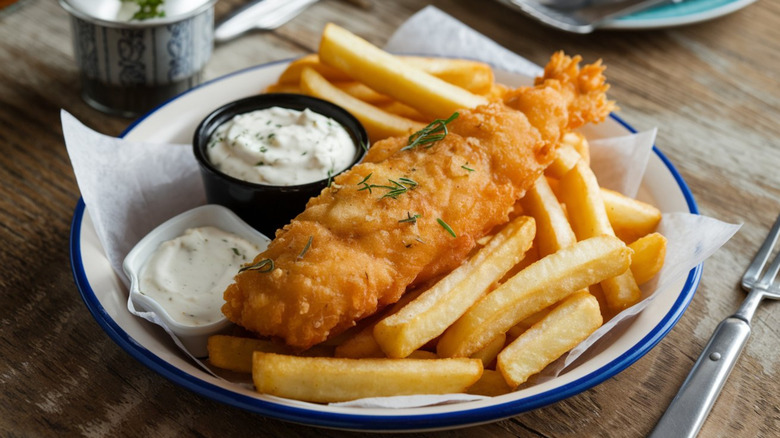
The Big Catch meal arrived on the scene with a bold promise: a substantial portion of fried fish, accompanied by the chain’s signature hush puppies and a generous serving of onion rings, all for a wallet-friendly price of $4.99. On the surface, it appeared to be a value-driven option for seafood lovers. However, beneath the crispy batter and savory exterior lay a nutritional bombshell. A detailed analysis revealed that the meal packed a staggering 1,320 calories. This figure alone is a significant portion of a typical adult’s daily caloric intake, but the real alarm bells began to ring with the sodium and fat content. The Big Catch contained nearly 3,700 milligrams of sodium, a figure that drastically exceeds the American Heart Association’s recommended daily limit of 2,300 milligrams. Furthermore, the meal was laden with 19 grams of saturated fat and, most alarmingly, 33 grams of trans fat. To put this into perspective, the amount of trans fat in a single Big Catch meal was more than double the amount that adults are advised to consume over a two-week period, according to health guidelines at the time.
Long John Silver’s even encouraged customers to share their experiences with the Big Catch on social media, positioning the empty containers as a testament to the meal’s sheer volume and satisfaction. This marketing strategy, however, inadvertently amplified the attention drawn to its unhealthy composition.
The Center for Science in the Public Interest Steps In
The turning point for the Big Catch came in July 2013, when the Center for Science in the Public Interest (CSPI), a leading nonprofit health advocacy organization, declared the Long John Silver’s Big Catch Meal "the worst restaurant meal in America." This stark declaration was based on rigorous laboratory testing that uncovered the true extent of the meal’s unhealthy ingredients.
According to the CSPI’s findings, the Big Catch did not solely consist of the advertised 7 to 8 ounces of 100% haddock. Instead, the analysis indicated that the meal was composed of approximately 4.5 ounces of actual fish, with the remaining portion being predominantly fried batter and grease. This meant that nearly 40% of the meal’s weight was attributed to these less nutritious components. Michael F. Jacobson, the then-executive director of CSPI, didn’t mince words in a pointed press release, stating, "Long John Silver’s Big Catch meal deserves to be buried 20,000 leagues under the sea. Instead of the Big Catch, I’d call it America’s Deadliest Catch." He further elaborated on the composition, likening it to "60 percent haddock, and 40 percent batter and grease," a culinary analogy he deemed "plain piracy" from a nutritional standpoint.
The CSPI’s investigation also cast a harsh light on the onion rings served with the meal. While Long John Silver’s had advertised them as containing 7 grams of trans fat, the CSPI’s tests revealed a significantly higher figure of 19.5 grams of trans fat. This discrepancy further fueled the public outcry and concern over the restaurant’s practices.
The Health Implications of Trans Fats and Excessive Sodium
The health risks associated with trans fats and excessive sodium intake have been well-documented by public health organizations worldwide. Trans fats, primarily generated through the process of partial hydrogenation of oils, have been unequivocally linked to adverse health outcomes. Walter C. Willett, a renowned figure in nutritional science and the chair of the nutrition department at the Harvard School of Public Health, has emphasized the damaging nature of trans fats. He explained that these fats raise levels of low-density lipoprotein (LDL) cholesterol, commonly referred to as "bad" cholesterol, while simultaneously lowering high-density lipoprotein (HDL) cholesterol, the "good" cholesterol. Moreover, trans fats can harm the endothelial cells that line blood vessels, contributing to cardiovascular problems. Willett expressed dismay that artificial trans fats were still prevalent in foods long after their detrimental effects were understood, calling their continued use "outrageous."
Beyond trans fats, the sheer volume of sodium in the Big Catch meal posed a significant threat. Consuming excessive amounts of sodium can lead to elevated blood pressure, a major risk factor for heart disease, stroke, and kidney disease. The combination of high trans fat, saturated fat, and sodium made the Big Catch a prime example of how certain fast-food offerings could contribute to the development of chronic illnesses, including hypertension and various cardiovascular diseases.
A Catalyst for Industry-Wide Reform
The intense negative publicity surrounding the Big Catch meal, amplified by the CSPI’s severe condemnation, undeniably played a role in Long John Silver’s decision to remove it from their menu in August 2013. While the chain has faced broader challenges and a general decline in its market presence over the years, the Big Catch incident stands out as a pivotal moment.
More significantly, the controversy surrounding the Big Catch served as a powerful catalyst for broader reform within the food industry regarding the use of trans fats. The widespread awareness generated by this event contributed to a growing public demand for healthier food options and increased pressure on regulatory bodies to take action.
By the end of 2013, Long John Silver’s made a crucial operational change: they transitioned from their previous partially hydrogenated cooking oil to a trans-fat-free soybean oil. This move signaled a commitment to addressing the health concerns that had been brought to the forefront.
The impact of the Big Catch saga extended far beyond a single restaurant chain. The growing understanding of trans fat’s dangers had already prompted proactive measures in some regions. For instance, New York City had implemented policies to phase out trans fats from restaurants as early as 2006. However, the widespread attention garnered by the Big Catch incident provided further impetus for national action.
In a landmark decision, the U.S. Food and Drug Administration (FDA) made a final determination in 2015 that partially hydrogenated oils (PHOs), the primary source of artificial trans fats in processed foods, were no longer Generally Recognized as Safe (GRAS). This ruling paved the way for a nationwide ban on PHOs, which was fully implemented by 2018. As a result of these regulatory changes, artificial trans fats have been largely eliminated from processed foodstuffs in the United States, now existing only in trace amounts.
Lingering Questions and Consumer Experiences
While the health and regulatory implications of the Big Catch are well-established, some have also speculated on other factors that might have contributed to its discontinuation. Beyond the overwhelming health concerns, there is the possibility that the meal simply did not resonate with consumers on a taste or quality level, despite its hefty portion size.
A candid discussion on Reddit’s r/nutrition forum in 2013, shortly after the meal’s introduction, offered a glimpse into such sentiments. One user shared their experience, stating, "So I ended up eating that Long John Silvers ‘Big Catch’ meal … Yes, it’s disgusting. Yes, I felt sick afterwards. No, I will not eat it again." This individual further emphasized the overwhelming greasiness of the meal, noting that "it would be difficult to overstate the amount of grease involved here." Such anecdotal evidence, while not definitive, suggests that the Big Catch may have also suffered from a lack of genuine culinary appeal, independent of its nutritional shortcomings.
The story of Long John Silver’s Big Catch meal serves as a potent reminder of the complex interplay between the food industry, consumer health, and regulatory oversight. It highlights how a single product, when found to be exceptionally detrimental to public health, can spark widespread awareness and ultimately contribute to significant shifts in industry practices and public policy. The discontinuation of the Big Catch was not merely the removal of a menu item; it was a step toward a healthier food landscape, spurred by a meal that was, by all accounts, a nutritional disaster.
