
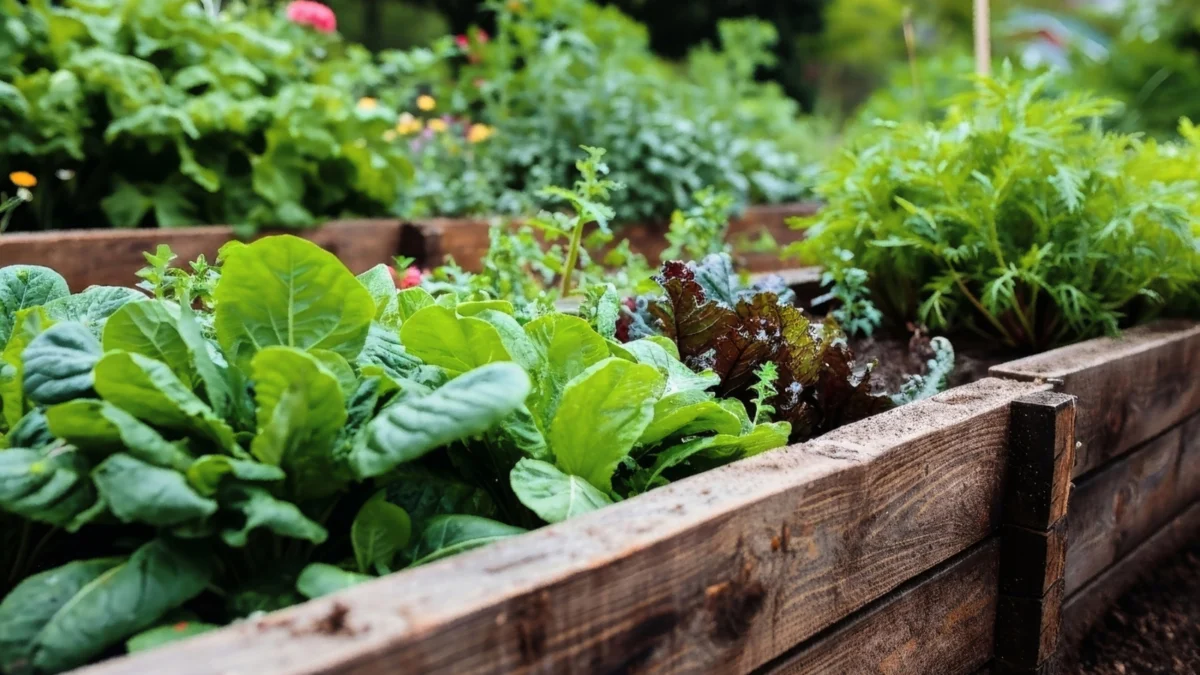
The desire for fresh, homegrown produce often clashes with the long wait times associated with traditional gardening. For eager gardeners, particularly those new to cultivating their own food, the prospect of months spent nurturing seedlings before a single harvest can be daunting. Fortunately, a diverse array of vegetables offers a much more immediate reward, allowing for bountiful harvests in as little as a month. This rapid turnaround is particularly true for leafy greens and certain root vegetables, which bypass the extended growth and ripening periods required by fruiting plants like tomatoes and squash. The key lies in understanding which varieties are engineered for speed and embracing the culinary versatility of these quick-growing crops.
The gardening world is increasingly recognizing the appeal of fast-growing vegetables, driven by a desire for instant gratification and a more sustainable approach to food consumption. This trend is amplified by the growing popularity of urban gardening and container cultivation, where space and time constraints often dictate crop selection. Many of these rapidly maturing vegetables can even be harvested at their "baby" stage, significantly shortening the time from planting to plate. For instance, microgreens, the tender first leaves of various vegetables, can often be ready for consumption within a week or two of sowing. This rapid cycle not only provides a swift culinary reward but also offers a valuable educational experience for novice gardeners, demonstrating the tangible results of their efforts.
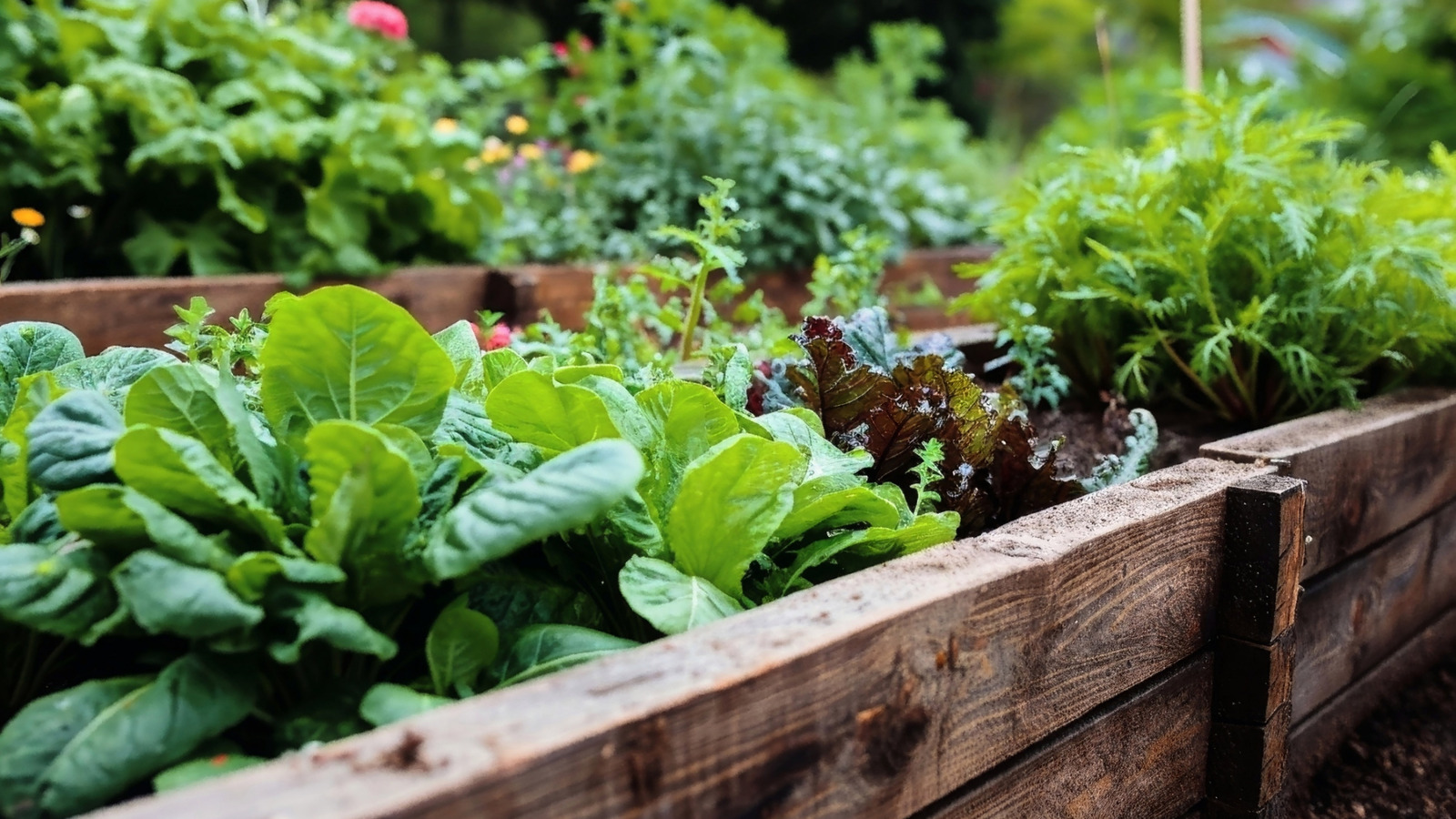
When embarking on a quest for quick harvests, meticulous attention to seed packets is paramount. While a vegetable might be generally classified as fast-growing, specific cultivars can exhibit significant variations in their maturity timelines. This nuanced understanding empowers gardeners to select the most expedient options, ensuring their patience is rewarded swiftly. The following exploration delves into a selection of these rapid-yield vegetables, offering insights into their growth cycles, culinary applications, and the simple techniques required for their cultivation.
The Champions of Rapid Growth: A Month-Long Harvest
The allure of homegrown produce is amplified when the journey from seed to table is measured in weeks, not months. Several vegetables stand out for their ability to deliver delicious, fresh ingredients with remarkable speed. These are the workhorses of impatient gardeners and a testament to the efficiency of nature’s design.
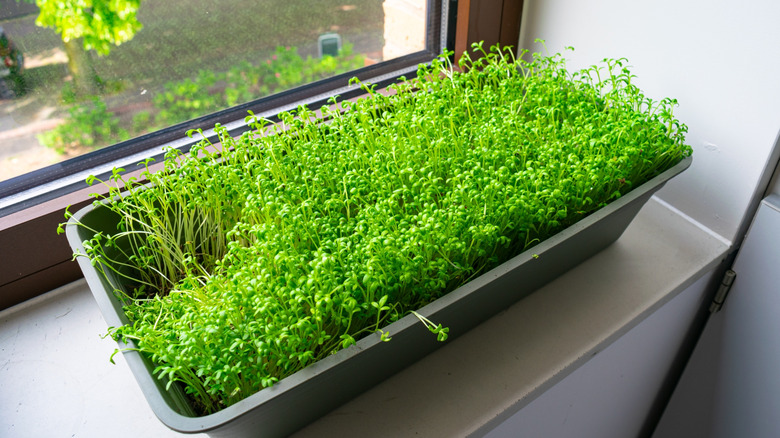
Cress: The Speedy Sprout
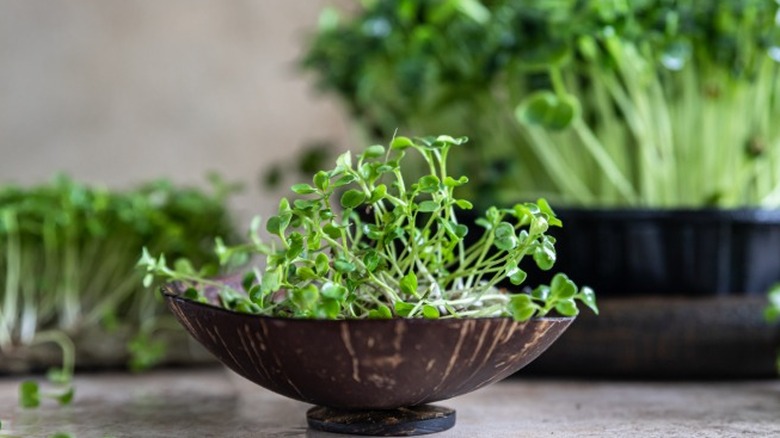
For gardeners seeking near-instantaneous results, cress emerges as an unparalleled champion. This peppery green is renowned for its ability to mature and be ready for harvest in as little as seven days. Its cultivation is remarkably straightforward, requiring little more than scattering seeds over a shallow tray filled with soil and maintaining consistent moisture through daily misting. Once the seedlings reach an inch or two in height, typically within 7 to 14 days, they can be snipped to add a zesty kick to salads and sandwiches. The rapid growth cycle of cress makes it an ideal choice for children’s gardening projects or for anyone looking for an immediate culinary win. Its compact growth habit also makes it well-suited for indoor cultivation on windowsills, bringing fresh flavor to kitchens year-round.
Microgreens: Nutrient-Dense Delights
Microgreens represent a category of vegetables that are harvested at their very first set of true leaves, offering an intensely flavorful and nutrient-rich addition to any meal. This category encompasses the juvenile stages of a wide array of plants, including broccoli, amaranth, beets, and cabbage. While often relegated to a garnish, the nutritional density of microgreens is extraordinary, with some studies suggesting they can contain up to 40 times more nutrients than their mature counterparts. The journey from seed to harvest for microgreens is remarkably swift, often completed within a week to ten days, depending on the specific plant variety. Their resilience and ability to thrive even in low-light conditions make them one of the few plant types that can successfully be cultivated in a kitchen environment, offering a constant supply of vibrant, healthy greens. The growing popularity of microgreens has also spurred innovation in seed varieties and growing mediums, further simplifying their cultivation for home growers.
Green Onions: The Ever-Producing Perennial
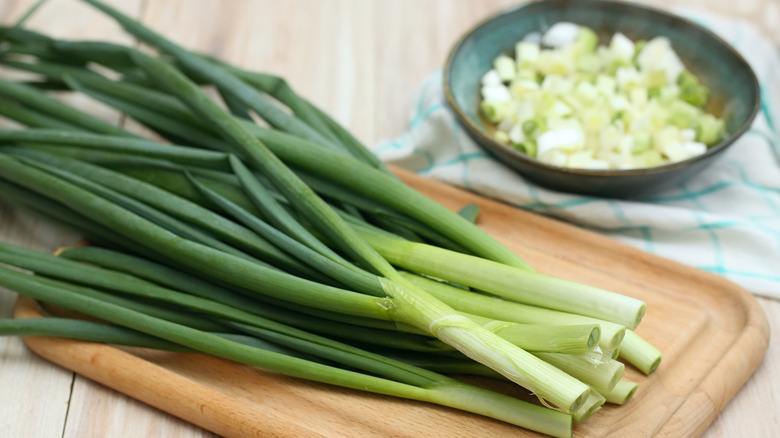
Green onions, also known as scallions, are a cornerstone of many fast-growing kitchen gardens due to their low-maintenance nature and high yield. Their versatility extends beyond traditional garden plots, as they can be successfully cultivated in containers or even in a simple jar of water on a windowsill. The remarkable aspect of growing green onions is the ability to regrow them from the roots of store-bought varieties. By planting these roots directly into soil or placing them in water, gardeners can witness new growth within one to two weeks. Once the green tops reach a suitable length for harvesting, they can be cut, and the plant will continue to regenerate, providing a continuous supply of fresh green onions. This regenerative capability makes them an incredibly sustainable and rewarding crop for any gardener.
Arugula: The Peppery Salad Staple
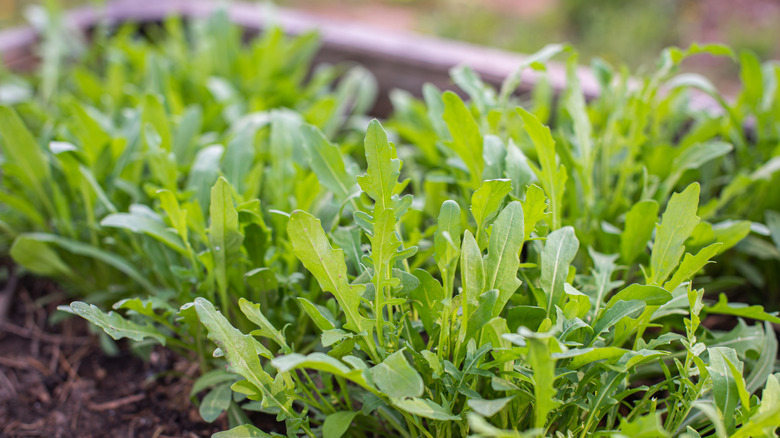
For those aiming to fill their salad bowls with unparalleled speed, arugula stands out as an excellent choice. This leafy green offers a delightful peppery flavor that can be enjoyed at various stages of growth. For a milder taste, harvesting can commence around 20 days after planting. For the full, robust peppery experience, mature leaves are typically ready in approximately 30 days. The continuous harvesting method, where outer leaves are picked as needed, allows the plant to continue producing. For those with ample garden space, planting arugula seeds every two weeks ensures a consistent supply throughout the growing season. The culinary adaptability of arugula extends beyond salads, with numerous recipes available that showcase its unique flavor profile in cooked dishes and pestos.
Radishes: The Crunchy Root Vegetable
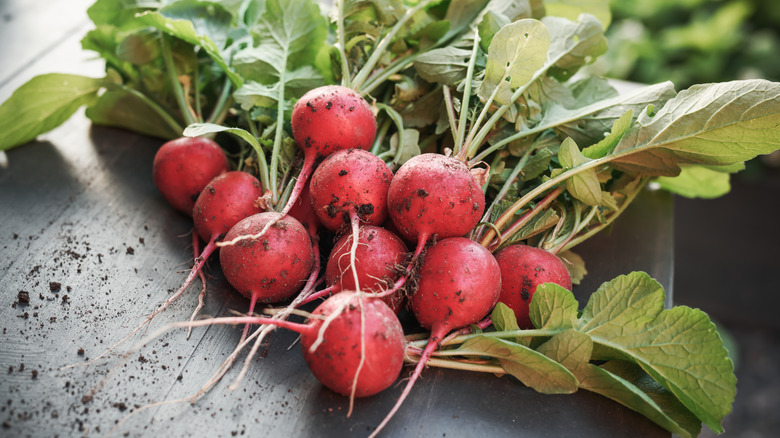
While leafy greens often dominate the fast-growing vegetable category, radishes offer a welcome crunch and are the speediest root vegetable to reach maturity. Varieties such as ‘Cherry Belle’, ‘Pink Beauty’, and ‘French Breakfast’ are typically ready for harvest in as little as three to four weeks. Young radishes are prized for their tender texture and mild flavor, making them ideal for raw consumption. However, the utility of radishes does not end with their roots; the greens are also edible and can be incorporated into salads or used to make pesto. This dual-purpose nature adds to the appeal of radishes for home gardeners seeking maximum yield from their efforts. The rapid growth of radishes also makes them a good companion plant, as they can be interplanted with slower-growing vegetables, maximizing garden space and potentially deterring pests.
Turnip Greens: A Dual Harvest Delight
When planting turnips, gardeners are often rewarded with a double harvest. While the turnip root itself requires approximately two months to mature, the greens are ready for consumption much sooner. These greens, suitable for eating raw in salads or sautéed like spinach, can be harvested when they reach 4-6 inches in length, typically around 30 days after planting. To ensure continued growth and future harvests, it is advisable to leave some greens on the plant. This practice highlights the efficiency of turnip cultivation, providing both a root vegetable and a nutritious leafy green from a single planting. The adaptability of turnip greens to various culinary preparations further enhances their appeal.
Mustard Greens: Versatile and Speedy
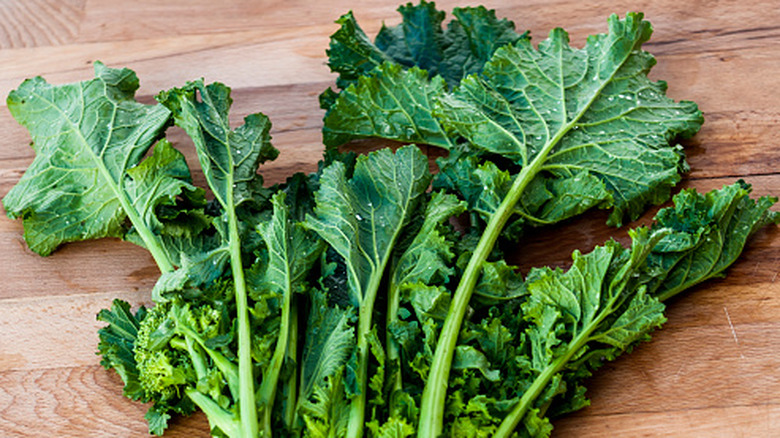
Mustard greens are a surprisingly versatile ingredient, finding their way into diverse culinary traditions, from the soulful flavors of Southern cooking to the aromatic saag curries of India and the vibrant stir-fries of Asian cuisine. They also serve as an excellent substitute for kale in many recipes. With a dedicated patch of soil and consistent watering, gardeners can anticipate harvesting their own mustard greens within a month. Similar to many other fast-growing greens, the outer leaves can be picked selectively, encouraging the plant to continue its production. This "cut-and-come-again" harvesting method ensures a prolonged supply of fresh greens. The robust flavor of mustard greens can add a distinctive zest to a wide range of dishes.
Leaf Lettuce: Reducing Food Waste, Maximizing Freshness
For individuals who find themselves frequently discarding produce due to spoilage, cultivating leaf lettuce offers a practical solution to minimize food waste. The inherent nature of leaf lettuces, which allows for the harvesting of outer leaves as needed rather than cutting the entire head at once, contributes to their longevity and reduces the likelihood of waste. This "cut-and-come-again" approach not only extends the harvest period but also promotes continuous growth. Furthermore, the loose leaf structure of these varieties contributes to their accelerated growth rate. Lettuce varieties such as ‘Black-Seeded Simpson’ and ‘Butterhead’ are typically ready for harvesting in approximately 28 days, providing a consistent supply of fresh greens for salads and sandwiches. The wide array of lettuce varieties available allows gardeners to experiment with different textures and flavors, catering to individual preferences.
Baby Kale: Tender and Nutritious
For those who find the texture of mature kale unappealing, baby kale offers a more tender and palatable alternative. These young leaves retain the impressive nutritional profile of their mature counterparts while boasting a softer consistency, making them suitable for direct addition to salads without the need for the traditional "kale massage" treatment. The accelerated growth cycle of baby kale is another significant advantage, with leaves ready for harvesting in as little as three weeks, a stark contrast to the upwards of two months required for mature kale. This rapid maturation makes baby kale an ideal choice for gardeners seeking quick and healthy additions to their meals. The availability of baby kale seeds allows for continuous planting and harvesting, ensuring a steady supply of this nutrient-dense superfood.
Baby Mizuna: A Mildly Peppery Surprise
Mizuna, a Japanese native, often flies under the radar in the Western culinary landscape but is a valuable green to incorporate into salads. It shares a peppery flavor profile with arugula and mustard greens but is generally milder. While mature mizuna leaves, traditionally used in cooked dishes, take approximately 35-50 days to develop, tender baby leaves, perfect for raw consumption, are ready for harvest in about 21 days. This rapid development of baby mizuna makes it an excellent option for gardeners seeking quick results and a unique flavor addition to their salads. Its adaptability to various growing conditions further enhances its appeal for home cultivation.
Baby Spinach: The Salad Premium
The delicate, tender leaves of baby spinach are what often command a premium price in pre-bagged salad mixes. Growing your own baby spinach allows for the enjoyment of this sought-after produce directly from your garden, whether cultivated in pots or directly in the ground. The small outer leaves can be harvested within 20-30 days, providing a quick and rewarding yield. For those who prefer mature spinach leaves, suitable for cooking, a slightly longer waiting period of an additional two weeks will suffice. This relatively short maturation time makes baby spinach an accessible and highly rewarding crop for gardeners of all levels. Its mild flavor and versatility make it a staple in many cuisines.
Baby Bok Choy: Quick Asian Cabbage
A hearty bok choy soup or a simple stir-fried bok choy dish becomes infinitely more satisfying with the inclusion of fresh, homegrown produce. Baby bok choy offers the advantage of rapid cultivation, allowing gardeners to enjoy this versatile Asian cabbage throughout the year, as it can be grown in both spring and fall. Individual leaves can be harvested as early as 3-4 weeks, providing a continuous supply. For those who prefer the whole head, some varieties of baby bok choy develop full heads in a swift 30-35 days, making it an excellent choice for a quick and nutritious harvest. Its crisp texture and mild flavor lend themselves well to a variety of culinary applications.
The Broader Implications of Rapid-Yield Gardening
The growing interest in fast-growing vegetables has several significant implications for both individual consumers and the broader food system. For individuals, it democratizes access to fresh produce, making home gardening a more attainable and rewarding pursuit, even for those with limited time or space. This can lead to improved dietary habits, increased food literacy, and a greater connection to the food we consume. The ability to harvest produce within a month can also contribute to reducing food miles and the associated carbon footprint, aligning with a growing consumer demand for sustainable food practices.
Furthermore, the success of these quick-yield crops can encourage more people to engage in gardening, fostering a sense of self-sufficiency and resilience. This trend also supports the growth of local food systems, as individuals are empowered to supplement their diets with homegrown ingredients, potentially reducing reliance on large-scale agricultural operations. The educational aspect of rapid-yield gardening is also crucial, offering tangible and immediate feedback that can inspire a lifelong passion for cultivation and a deeper understanding of ecological processes. As the demand for fresh, accessible, and sustainably grown food continues to rise, the popularity of these fast-maturing vegetables is likely to accelerate, transforming how we think about and engage with our food sources.
