
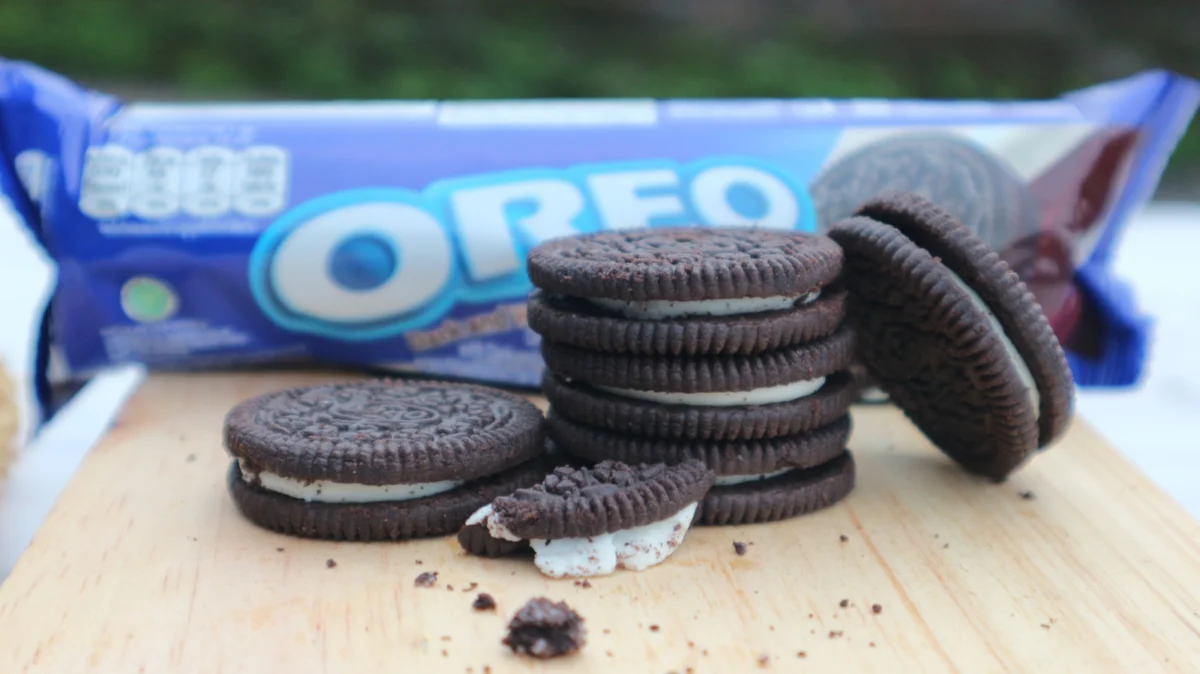
The beloved Oreo cookie, a staple in households worldwide and a symbol of nostalgic indulgence, presents a subtle yet distinct variation when purchased from the membership-only retail giant, Costco. While the fundamental structure of two chocolate wafers sandwiching a sweet creme filling remains consistent, the ingredients list on Costco’s exclusive "Stay Fresh 12 packs" reveals a departure from the standard formulation found in conventional grocery stores. This difference, primarily the absence of high fructose corn syrup and artificial flavors, replaced by invert sugar and natural flavors, has sparked discussion among consumers and highlights the complexities of large-scale food manufacturing and retail partnerships.
The Subtle Shift in Ingredients: A Deeper Dive
For decades, the Oreo cookie has been synonymous with a specific, universally recognized flavor profile. This distinct taste is largely attributed to its core components, including real cocoa for the wafers and a signature creme filling. However, the Oreos available in Costco’s signature multi-pack offerings, designed for extended freshness, are formulated without high fructose corn syrup (HFCS) and artificial flavors. Instead, this specific iteration utilizes invert sugar and natural flavors.
High fructose corn syrup, a widely used sweetener derived from corn starch, has been a subject of considerable debate and scrutiny regarding its health implications and its role in processed foods. Its absence in the Costco version of Oreos suggests a conscious decision by either Costco or its supplier, Nabisco (a subsidiary of Mondelēz International), to cater to a segment of consumers seeking alternatives to HFCS. Invert sugar, a mixture of glucose and fructose, is often used as a sweetener and humectant, contributing to texture and moisture retention in baked goods. The substitution of artificial flavors with natural flavors also points towards a preference for more "natural" ingredient profiles, a trend that has been gaining momentum in the food industry.
The implications of these ingredient adjustments are not merely cosmetic. Consumers, particularly those with heightened taste sensitivities, have reported noticing a difference in the flavor. While some describe it as a potential reduction in cocoa intensity, others perceive the modified recipe as an improvement, attributing it to the absence of HFCS. This divergence in sensory experience underscores how even minor changes in ingredient composition can significantly impact the perception of taste and quality.
The Costco Factor: Sourcing, Scale, and Quality Control
Costco’s business model, characterized by bulk purchasing and a focus on providing value to its members, often necessitates unique product formulations and packaging. The "Stay Fresh 12 packs" of Oreos are a prime example of this strategy, designed to maintain product quality and freshness over extended periods, a crucial factor for warehouse club inventory management.
While neither Costco nor Mondelēz International has officially provided a detailed explanation for the specific ingredient modifications in the Costco-exclusive Oreos, industry analysts suggest several contributing factors. Large retailers like Costco often negotiate distinct product specifications with their suppliers to differentiate their offerings and meet consumer demand for specific attributes. These negotiations can encompass ingredient choices, packaging, and even production processes.
Furthermore, the sheer volume of products handled by warehouse clubs like Costco can lead to different sourcing strategies. It is plausible that the manufacturing facilities producing the Costco-specific Oreos have access to different ingredient suppliers or operate under slightly varied production protocols compared to those supplying standard grocery chains. This can, in turn, influence the final product’s composition.
Costco is also renowned for its stringent quality control measures. The company is known to work closely with its suppliers to ensure that products meet high standards of quality and consistency. This rigorous oversight may extend to ingredient sourcing and formulation, potentially leading to the adoption of ingredient choices that align with Costco’s quality benchmarks or specific member preferences that the retailer identifies.
Consumer Reactions and Community Discourse
The perceived difference in Costco’s Oreos has not gone unnoticed by consumers, with discussions frequently emerging on online platforms. A prominent example is a thread on Reddit, where a Costco member initiated a conversation about the altered taste of the warehouse’s Oreos. This post garnered numerous responses, with many users confirming the anecdotal evidence of a different flavor profile.
One commenter, who claimed to have a husband with a particularly discerning palate, noted a perceived change in the cookies’ taste. Another user quickly identified the absence of high fructose corn syrup as the likely culprit, aligning with the ingredient list’s deviation. The sentiment among many participants in these discussions leaned towards a positive reception of the modified recipe, with a significant portion of the community expressing a preference for the Costco version, citing its cleaner ingredient list as a primary benefit.
Beyond Oreos, some consumers have reported similar observations with other packaged goods available at Costco, suggesting a broader trend of slightly altered formulations for products sold through the warehouse club channel. Items like Cinnamon Toast Crunch and Doritos have been mentioned in these conversations, with patrons suggesting that these products also exhibit a subtly improved taste or quality when purchased from Costco. This anecdotal evidence, while not scientifically validated, points to a recurring theme of perceived enhancement in products curated for the Costco market.
The Broader Impact: Ingredient Transparency and Consumer Choice
The case of Costco’s Oreos serves as a compelling illustration of the growing consumer demand for transparency in food ingredients and the increasing influence of health-conscious purchasing decisions. As consumers become more educated about the nutritional content and potential health effects of various ingredients, their choices at the grocery store are becoming more discerning.
The presence of high fructose corn syrup in many processed foods has been a focal point of public health discussions for years. While regulatory bodies and food manufacturers often defend its use based on its cost-effectiveness and functional properties, a segment of the population actively seeks to avoid it. Costco’s decision to offer an Oreo formulation without HFCS caters to this growing demographic, potentially driving sales and fostering loyalty among members who prioritize such ingredient considerations.
This trend also highlights the power of retailers in shaping product formulations. Through their purchasing power and specific demands, large retail chains can influence manufacturers to adapt their recipes to meet evolving consumer preferences and market trends. This dynamic can lead to a more diverse marketplace, offering consumers a wider array of choices that cater to various dietary needs and lifestyle preferences.
A Legacy of Taste: Oreo’s Enduring Appeal
The Oreo cookie, first introduced by Nabisco in 1912, has achieved an iconic status in the confectionery landscape. Its enduring appeal lies in its simple yet effective combination of flavors and textures, making it a versatile treat enjoyed by people of all ages. The ability of Mondelēz International to adapt and innovate with its flagship product, even in subtle ways, underscores the brand’s commitment to maintaining its market relevance and consumer satisfaction.
The variations in Oreo formulations, such as the one found at Costco, are a testament to the dynamic nature of the food industry. Factors such as ingredient availability, cost efficiencies, evolving consumer demands for healthier options, and the specific requirements of different retail channels all play a role in shaping the products that reach our shelves.
While the debate over the precise flavor differences and their perceived impact may continue among consumers, the existence of a distinct Oreo formulation at Costco underscores a significant trend: the increasing influence of consumer awareness and preference in dictating product development and ingredient choices across the food industry. For many, the absence of high fructose corn syrup in their beloved cookies is a welcome change, solidifying the Costco version of Oreos as a preferred choice for a growing number of shoppers. The classic cookie, it seems, continues to evolve, adapting to the tastes and priorities of the modern consumer.
