
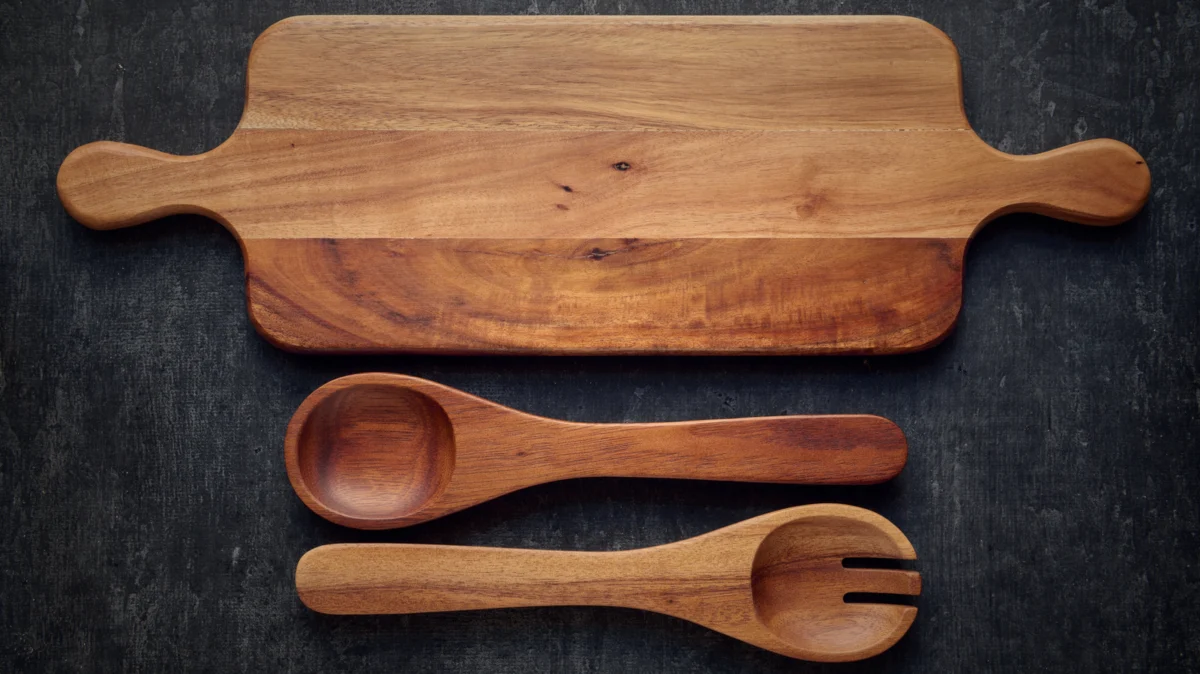
The enduring charm of wooden kitchenware transcends fleeting trends, offering a tactile connection to nature that plastic and steel simply cannot replicate. From the meditative rhythm of stirring soup with a wooden spoon to the nostalgic comfort of chopping vegetables on a well-loved cutting board, these natural materials imbue everyday culinary tasks with a unique warmth and character. However, the delicate nature of some woods can present challenges in the face of daily use. Enter acacia wood, a rising star in the kitchenware arena, expertly balancing aesthetic appeal, remarkable durability, and accessible pricing.
Acacia wood’s inherent beauty is its most immediate draw. Its elegant appearance allows functional pieces to seamlessly double as decorative accents. With thousands of acacia species, the resulting kitchenware boasts a diverse palette of color tones and captivating grain patterns, ensuring each piece possesses its own distinct personality. Beyond its visual allure, acacia wood offers a wealth of practical advantages that make it an exceptional choice for the modern kitchen. It stands out as an affordably priced hardwood that doesn’t necessitate a compromise on quality. Its sustainable cultivation allows for a more rapid turnover compared to many other hardwoods, contributing to its availability and cost-effectiveness. The wood is robust, resilient, and sturdy, yet maintains a subtle and refined aesthetic. The following five compelling reasons highlight why acacia wood products are an indispensable addition to any kitchen.
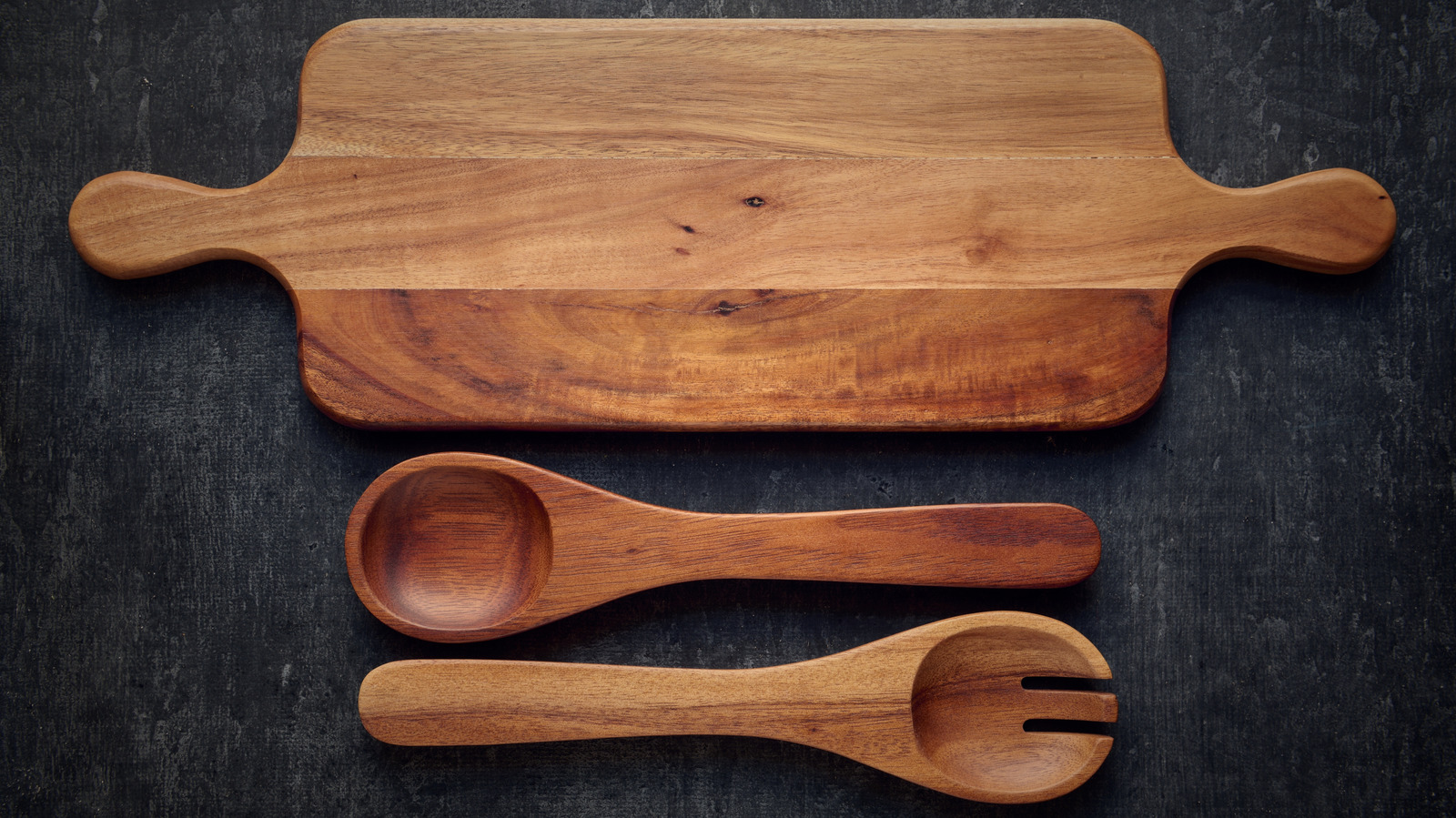
Superior Water Resistance: A Natural Defense Against Moisture
A primary concern for many when considering wooden kitchenware is its susceptibility to water damage. Given the frequent exposure to moisture in a kitchen environment, selecting a wood with inherent water-resistant properties is paramount. Acacia wood excels in this regard due to its dense cellular structure, which naturally impedes excessive moisture absorption. This characteristic has historically led to its use in outdoor furniture and even in the construction of boats, underscoring its resilience against the elements.
While "water-resistant" does not equate to "waterproof," acacia wood offers significant advantages over other hardwoods like beech. It can withstand the rigors of normal kitchen use without succumbing to warping or damage. Even when left to air dry after washing, particularly in rushed situations, acacia items are far less prone to deterioration than many other wood types. The degree of water resistance can be further enhanced through proper finishing. While untreated acacia exhibits good moisture resistance, well-oiled and sealed pieces can endure prolonged contact with water for significantly longer periods. This inherent resilience minimizes the risk of common issues such as cracking, splitting, or the development of mildew, common ailments for less robust wooden kitchenware.
Enduring Longevity: A Legacy in Your Kitchen
The tradition of passing down kitchenware through generations, a practice that has diminished with the prevalence of disposable plastic items, finds a renewed expression with durable wooden pieces. Gifting a plastic cutting board, for instance, lacks the sentimental weight of a cherished wooden heirloom. Hardwood remains the superior choice for cooking utensils and cookware intended for long-term use, and acacia wood is a prime example of this enduring quality.
Acacia kitchenware is meticulously crafted for durability and frequent use. Its non-reactive nature and resistance to nicks and scratches make it an ideal choice for households with children, high-traffic kitchens, or those that frequently host dinner parties. With consistent, albeit minimal, care and maintenance, acacia wood items can realistically last for over 50 years. The primary factor that can shorten the lifespan of acacia kitchenware is prolonged exposure to the sun’s ultraviolet rays, which can cause untreated wood to fade. For kitchens with intense sunlight, an annual application of a sealant is recommended to preserve the wood’s color and integrity. This longevity not only offers economic value but also contributes to a more sustainable consumption pattern, reducing the need for frequent replacements and minimizing waste.
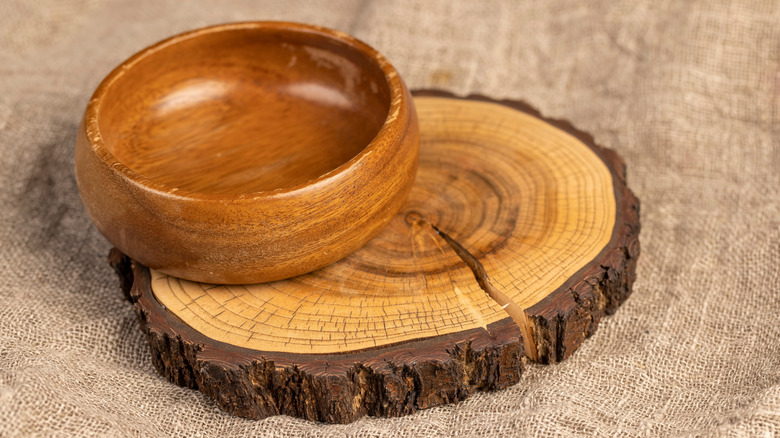
High Quality, Low Maintenance: Effortless Elegance
For individuals with busy lifestyles, the appeal of high-quality, low-maintenance kitchenware is undeniable. Acacia wood fits this description perfectly, offering robust performance without demanding excessive upkeep. Its dense, closed-grain structure results in low porosity, which inherently promotes sanitation and simplifies cleaning. However, adherence to specific care guidelines is essential to maximize its lifespan and appearance.
Crucially, wooden utensils, including those made from acacia, should never be placed in a dishwasher. The high heat and prolonged moisture exposure characteristic of dishwashers can degrade even the most resilient wood, leading to warping, cracking, and a diminished aesthetic. Hand-washing with mild cleaning solutions and soft sponges or cloths is the recommended method. Harsh detergents and abrasive scrubbing tools should be avoided to prevent damage to the wood’s surface.
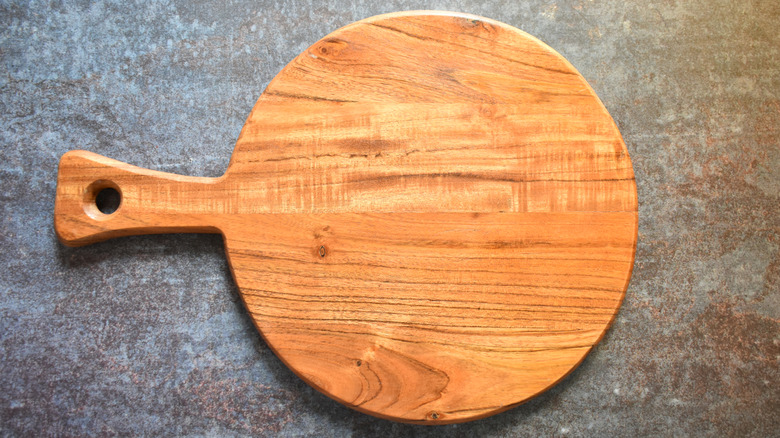
To ensure optimal longevity and preserve its luster, periodic oiling of wooden utensils is vital. This practice is particularly important for acacia items that are frequently exposed to moisture. While acacia does not require as frequent oiling as woods like oak, maple, cherry, or beech, applying oil once or twice a year is generally sufficient, depending on usage. Visual cues are the best indicators: if the wood appears dry or lacks its natural sheen, it is time to reapply a food-grade mineral oil or a specialized wood conditioner. This simple maintenance routine will keep acacia items in peak condition for years to come.
Unbeatable Affordability: Premium Quality Without the Premium Price Tag
The exceptional qualities of acacia wood might lead one to believe that its kitchenware comes with a substantial price tag. However, the reality is quite the opposite. Acacia is remarkably affordable, often serving as a superior and more budget-friendly alternative to expensive hardwoods like teak. It is common to find acacia products in retailers known for their competitive pricing, such as the highly-rated acacia floating shelves available at Costco or the aesthetically pleasing acacia kitchen bowls offered by Aldi, which often mimic the look of high-end designer pieces.
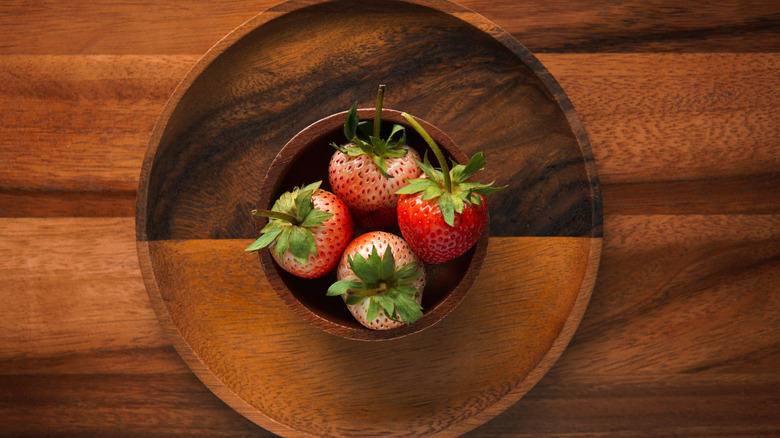
To illustrate acacia’s value proposition, consider direct comparisons: At IKEA, a single walnut spatula might retail for around $9, while a three-piece set of acacia spatulas is often priced at approximately $8. Costco offers acacia shelves capable of supporting up to 50 pounds for around $44, a stark contrast to walnut shelves with a similar footprint that might cost $58 and support only 15 pounds. This demonstrates that acacia provides a significantly better return on investment compared to walnut in terms of both price and load-bearing capacity.
The price disparity becomes even more pronounced when compared to woods like oak and teak. At IKEA, a slender oak cutting board from their ARTISTICK range can be twice the price of a more substantial acacia SKOGSTA board. Similarly, at Walmart, an acacia serving tray can be purchased for under $20, while a comparable platter crafted from teak could exceed $60. Acacia consistently offers an excellent equilibrium between quality and cost, providing affordable kitchenware that retains a premium appearance and feel. This accessibility makes it an attractive option for consumers looking to enhance their kitchens without breaking the bank.
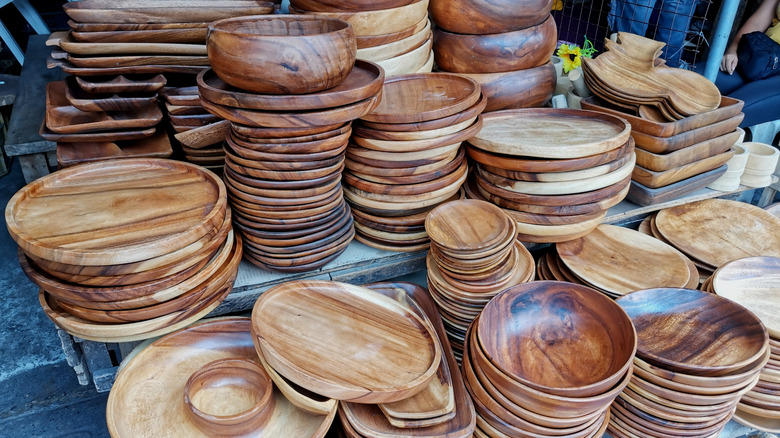
Environmental Stewardship: A Sustainable Choice for Conscious Consumers
In the discourse surrounding wooden kitchenware, sustainability is a critical consideration. Wood, being a naturally sourced material, raises concerns about deforestation. Fortunately, acacia trees are a highly sustainable resource for cultivation and harvesting. While acacia is predominantly native to Australia, it thrives in diverse global climates, which can reduce transportation costs and associated emissions. The trees do not require complex growing conditions and are remarkably resilient. Furthermore, acacia exhibits rapid growth for a tree, reaching maturity and being ready for harvest within a few years, a significantly shorter timeframe than many other hardwoods that require decades. This fast growth cycle contributes to its availability and affordability.
Unlike certain species of teak, acacia is not classified as endangered, making its sourcing a more environmentally responsible and eco-friendly choice. The harvesting and processing of acacia wood also result in a low carbon footprint. A single acacia tree can be utilized to produce a variety of wooden products, thereby minimizing waste. Another factor contributing to acacia’s sustainability is its role in carbon sequestration. As acacia trees grow, they naturally absorb carbon dioxide from the atmosphere, playing a beneficial role in combating climate change. Consequently, acacia wood emerges as an exceptional choice for kitchenware, particularly for consumers seeking to make environmentally conscious decisions that align with planetary well-being. This makes it a product that consumers can feel good about purchasing and using in their daily lives.
