
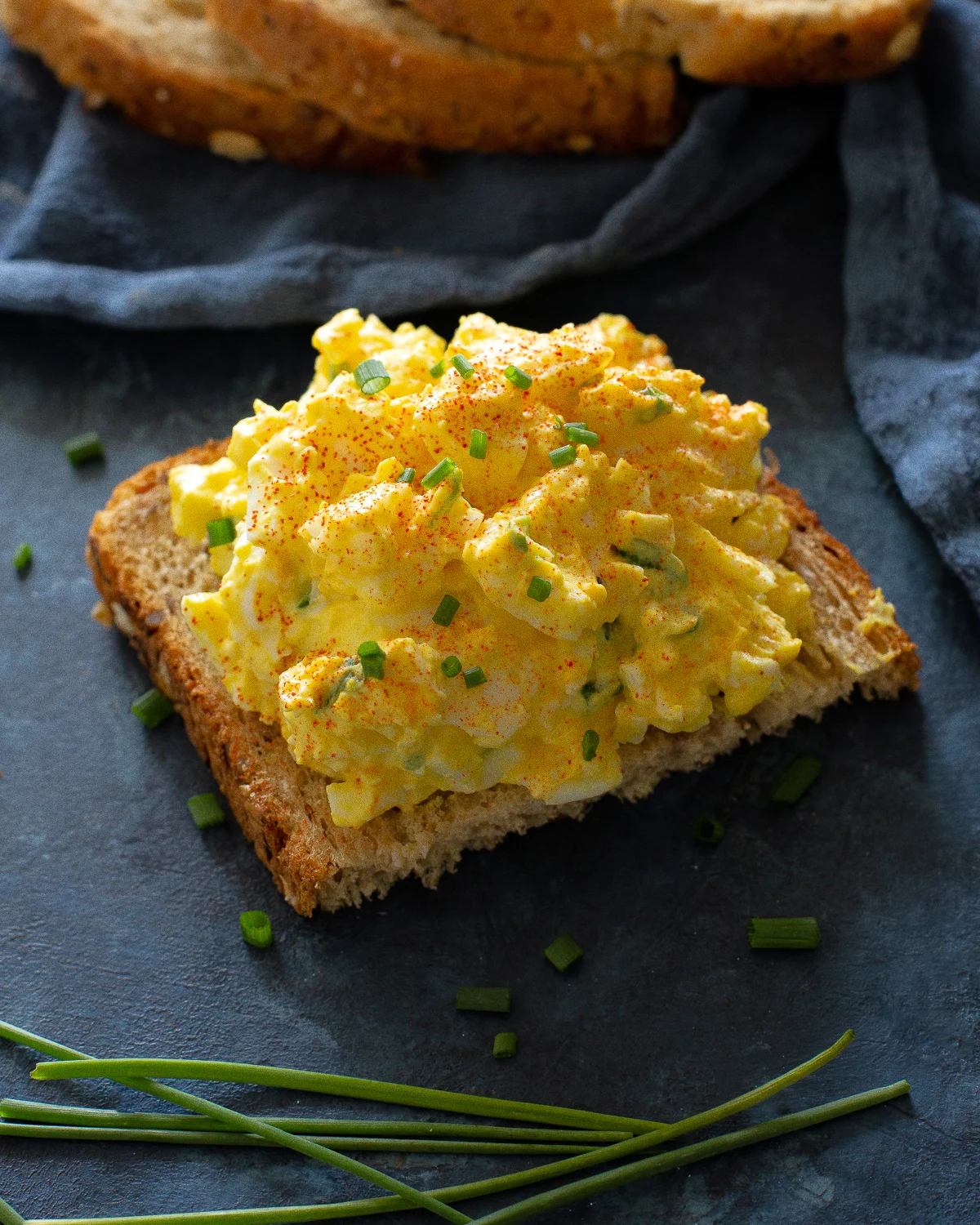
There is a profound sense of nostalgia often associated with classic egg salad, evoking memories of simple, comforting lunches prepared in a home kitchen. While modern culinary trends sometimes introduce elaborate variations, the enduring appeal of a well-executed, traditional egg salad remains undeniable. This particular recipe, celebrated for its creamy texture, savory depth, and delightful flavor profile, offers a foundational approach to this beloved dish. It is meticulously crafted using core ingredients: perfectly hard-boiled eggs, rich mayonnaise, a touch of zesty mustard, bright lemon juice, and the fresh, herbaceous notes of chives. This article delves into the creation, significance, and versatility of this quintessential egg salad, exploring its place in contemporary cuisine and offering practical guidance for its preparation and enjoyment.
The Enduring Appeal of a Classic Dish
Egg salad, at its heart, represents a cornerstone of comfort food. Its simplicity belies a sophisticated balance of flavors and textures that has resonated with diners for generations. The preparation of hard-boiled eggs, a fundamental step in creating egg salad, has its own rich history. The practice of boiling eggs dates back to ancient times, with various cultures developing their own methods and traditions. The advent of refrigeration and improved food preservation techniques in the 20th century further popularized dishes like egg salad, making them readily accessible and a staple in home cooking and casual dining establishments alike.
The charm of this specific egg salad recipe lies in its adherence to a time-tested formula. It eschews overly complex additions, focusing instead on perfecting the interplay of its core components. The creamy mayonnaise acts as a binder, coating the tender egg yolks and whites. The mustard introduces a subtle tang and warmth, while the lemon juice provides a crucial acidic counterpoint, cutting through the richness and awakening the palate. Finally, the chives contribute a delicate oniony freshness, elevating the overall flavor profile without overpowering the primary star – the egg.
The Foundation: Perfecting the Hard-Boiled Egg
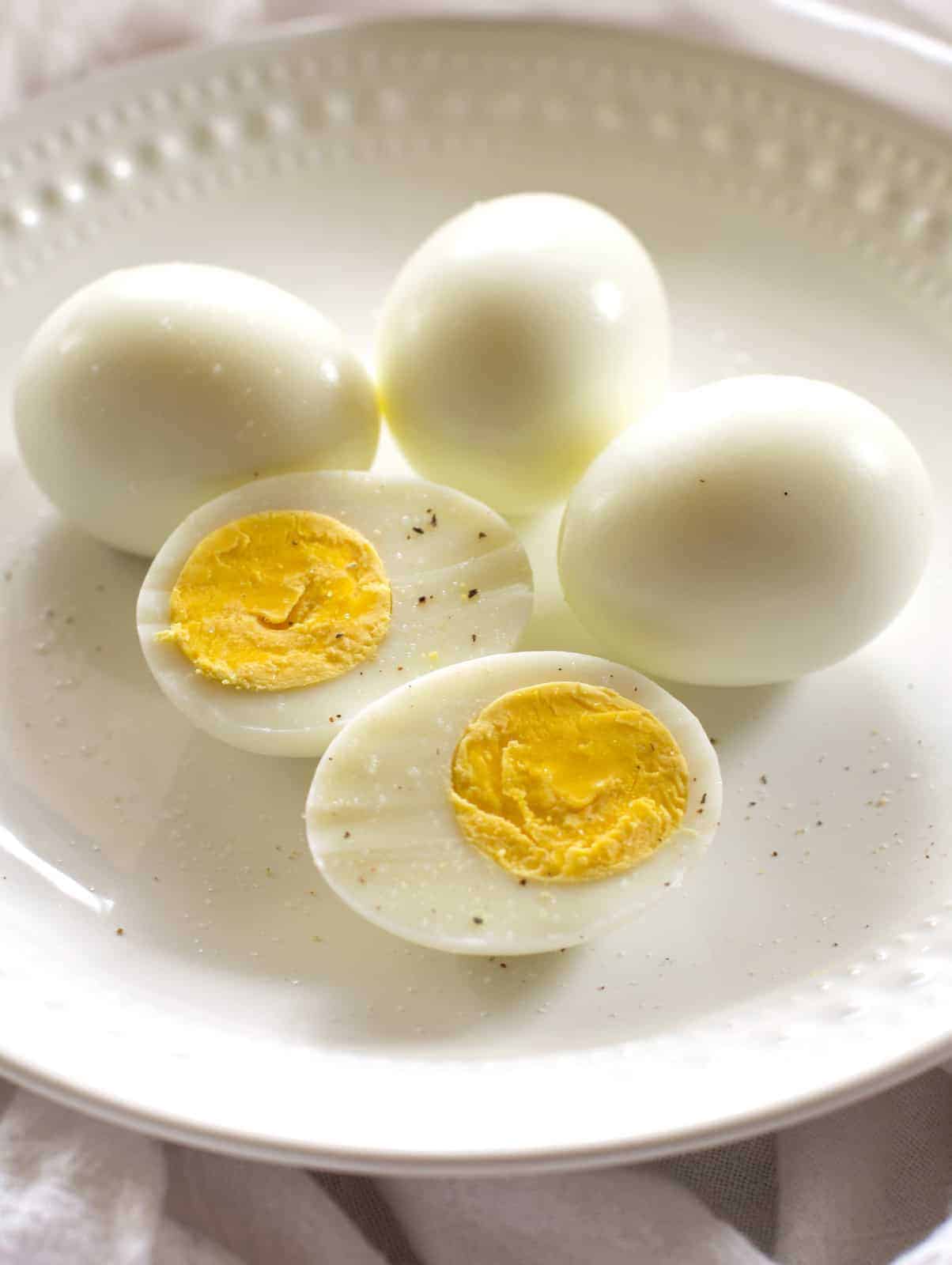
The quality of the final egg salad is intrinsically linked to the quality of the hard-boiled eggs used. Achieving perfectly cooked eggs is a culinary skill that, once mastered, ensures a superior texture and flavor. The process typically involves selecting fresh eggs, which are known to be easier to peel. A common method for hard-boiling involves placing eggs in a saucepan, covering them with cold water by about an inch, and bringing the water to a rolling boil. Once boiling, the heat is immediately reduced to a simmer, and the eggs are cooked for approximately 9 to 12 minutes, depending on desired firmness.
Following the cooking period, the eggs are promptly transferred to an ice bath. This rapid cooling not only stops the cooking process, preventing the formation of a green ring around the yolk, but also makes the eggs easier to peel. The shell, when properly chilled, separates more readily from the egg white. The yolks should be firm but not dry, and the whites should be fully set. This meticulous attention to the initial cooking stage is paramount for a successful egg salad.
Crafting the Creamy, Savory Filling
The assembly of the egg salad is a straightforward yet artful process. The hard-boiled eggs are typically chopped or, for a creamier consistency, some can be mashed to release their yolks and create a smoother base. The choice between chopping and mashing, or a combination of both, allows for a degree of personalization, catering to individual preferences for texture.
The fundamental ingredients are then introduced:
- Mayonnaise: The choice of mayonnaise can significantly impact the final taste and texture. A good quality, full-fat mayonnaise will provide the richest and creamiest base. Some may opt for a lighter version or a blend of mayonnaise and Greek yogurt for a tangier, lower-fat alternative, though this can alter the classic flavor profile.
- Mustard: Dijon mustard is often the preferred choice for its balanced flavor, offering a gentle spice without being overwhelming. Yellow mustard can also be used, providing a more pronounced tang. A touch of whole-grain mustard can add textural interest and a more complex flavor.
- Lemon Juice: Freshly squeezed lemon juice is essential. Its bright acidity is key to balancing the richness of the mayonnaise and eggs. It adds a refreshing lift that distinguishes a truly great egg salad from a merely adequate one.
- Chives: Finely chopped fresh chives offer a delicate, subtle onion flavor and a vibrant green visual appeal. Other fresh herbs like parsley or dill can be used as alternatives or in addition to chives, though chives are traditional for this classic preparation.
- Salt and Pepper: Seasoning to taste is a critical final step. The salt enhances all the other flavors, while freshly ground black pepper adds a subtle warmth and complexity.
The ingredients are gently mixed until just combined, ensuring that the eggs are evenly coated without becoming overly mushy. Over-mixing can lead to a gummy texture, so a delicate hand is recommended.
Why This Recipe Stands Out
The success of this egg salad recipe can be attributed to several factors:
- Simplicity and Purity of Flavor: By focusing on a few high-quality ingredients, the inherent deliciousness of the eggs is allowed to shine. There are no competing flavors to distract from the creamy, savory essence of the dish.
- Perfect Texture: The balance between mashed and chopped eggs, combined with the creamy binder, creates a satisfying mouthfeel that is neither too loose nor too stiff.
- Ease of Preparation: This recipe is remarkably quick and easy to make, requiring minimal cooking skills and readily available ingredients. This makes it an ideal option for a fast lunch, a picnic, or a potluck contribution.
- Nostalgic Comfort: As mentioned, the recipe taps into a deep-seated culinary nostalgia, offering a sense of familiarity and comfort that is highly valued in today’s fast-paced world.
Enhancing the Experience: Serving Suggestions and Variations
The versatility of egg salad is one of its greatest strengths. While traditionally served on bread as a sandwich, its applications extend far beyond.
Serving Ideas:
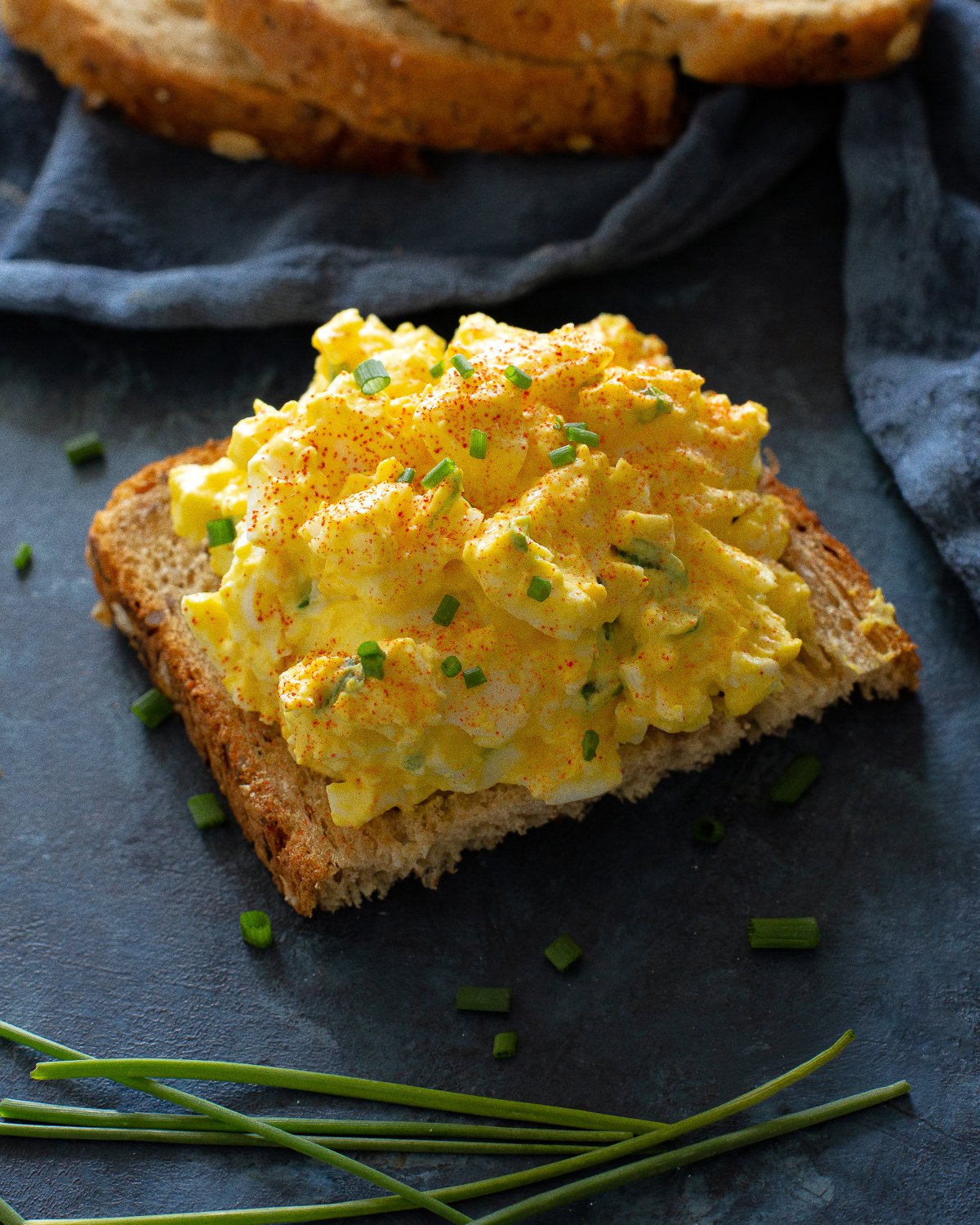
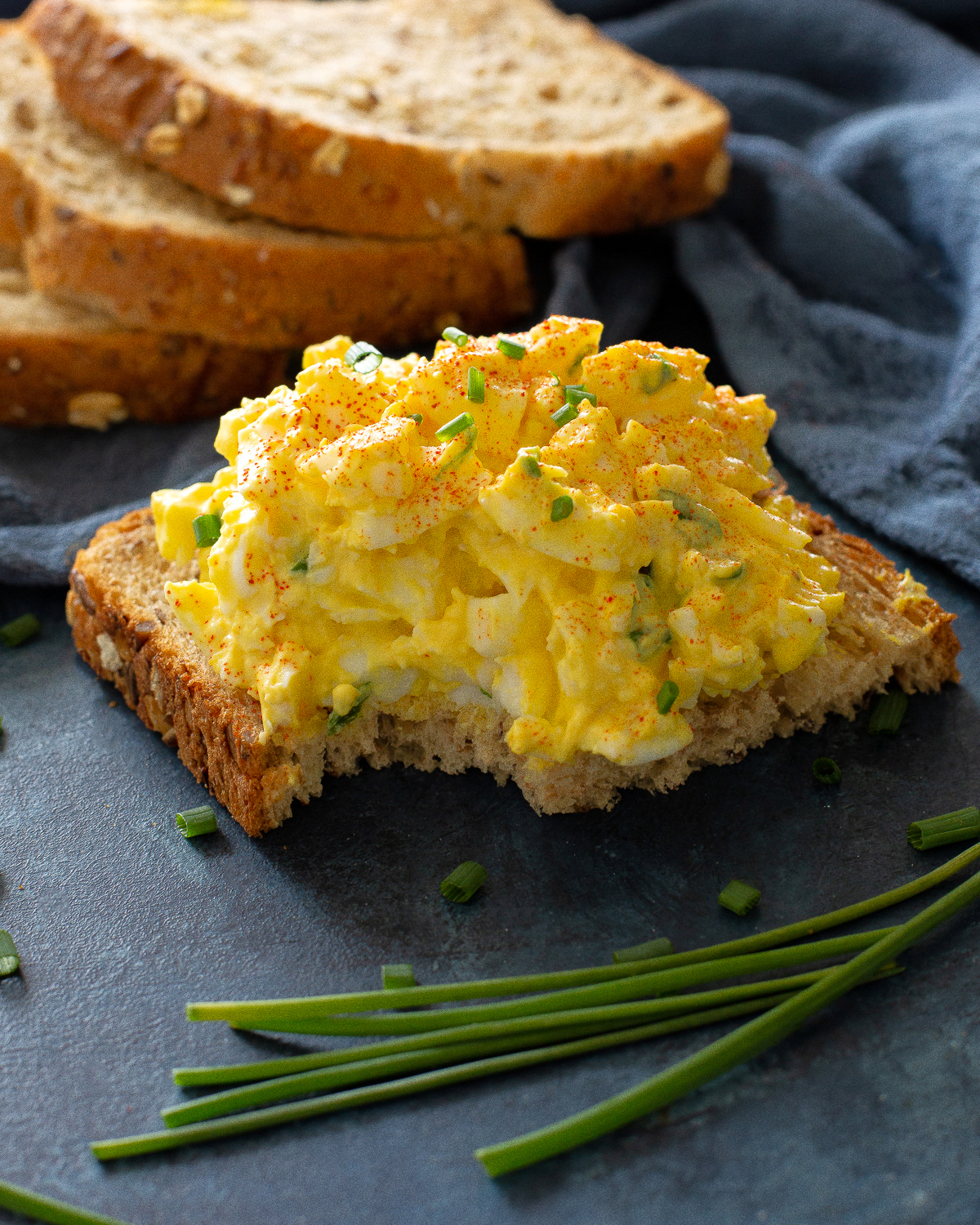
- Sandwiches: The classic preparation involves heaping the egg salad onto toasted or untoasted slices of bread. Lettuce, tomato, and a sprinkle of paprika are common additions. Croissants, brioche buns, or even pita bread offer alternative vessels.
- Crackers and Toasts: For a lighter option, egg salad can be served atop a variety of crackers, from simple water crackers to more robust whole-grain varieties. Toasted baguette slices, known as crostini, also make an elegant base.
- Salads: A generous scoop of egg salad can transform a simple green salad into a more substantial meal. It pairs well with leafy greens, tomatoes, cucumbers, and other fresh vegetables.
- Stuffed Vegetables: Egg salad can be used to fill hollowed-out tomatoes, bell peppers, or avocado halves for a visually appealing and flavorful appetizer or light lunch.
- As a Dip: Blended to a smoother consistency, egg salad can be served as a dip with crudités like celery sticks, carrot sticks, and bell pepper strips.
Potential Variations (While Honoring the Classic):
While the core recipe emphasizes tradition, minor adjustments can cater to evolving tastes:
- Crunch Factor: For those who prefer added texture, finely diced celery can be incorporated. Some recipes also call for finely chopped onion or relish.
- Spicier Notes: A pinch of cayenne pepper or a dash of hot sauce can introduce a subtle heat.
- Herbal Infusions: Beyond chives, finely chopped parsley, dill, or even a hint of tarragon can add different aromatic dimensions.
- Tangier Profile: A touch of pickle relish or a small amount of finely minced dill pickles can introduce a sweet and sour element.
Storage and Food Safety
Proper storage is crucial for maintaining the quality and safety of homemade egg salad. Due to the mayonnaise content, egg salad should be kept refrigerated. It is best consumed within 3 to 4 days of preparation. When storing, ensure it is placed in an airtight container to prevent the absorption of odors from other foods in the refrigerator and to maintain its freshness.
Before serving, it is always advisable to visually inspect the egg salad for any signs of spoilage. If there are any concerns regarding its appearance or smell, it is best to discard it. Adhering to these simple food safety guidelines ensures that the enjoyment of this classic dish is both safe and delicious.
Conclusion: A Timeless Culinary Treasure
The classic egg salad, as exemplified by this recipe, is far more than just a simple sandwich filling. It is a testament to the power of well-executed simplicity, a dish that evokes comfort, familiarity, and a sense of culinary heritage. Its enduring appeal lies in its balanced flavors, satisfying textures, and remarkable versatility. Whether enjoyed as a quick lunch, a picnic staple, or a component of a more elaborate meal, this creamy, savory, and delicious egg salad recipe offers a reliable and deeply satisfying culinary experience that continues to be cherished by many. The careful selection of quality ingredients and a mindful approach to preparation are the keys to unlocking its full potential, ensuring that this timeless treasure remains a beloved part of our culinary landscape for years to come.
