
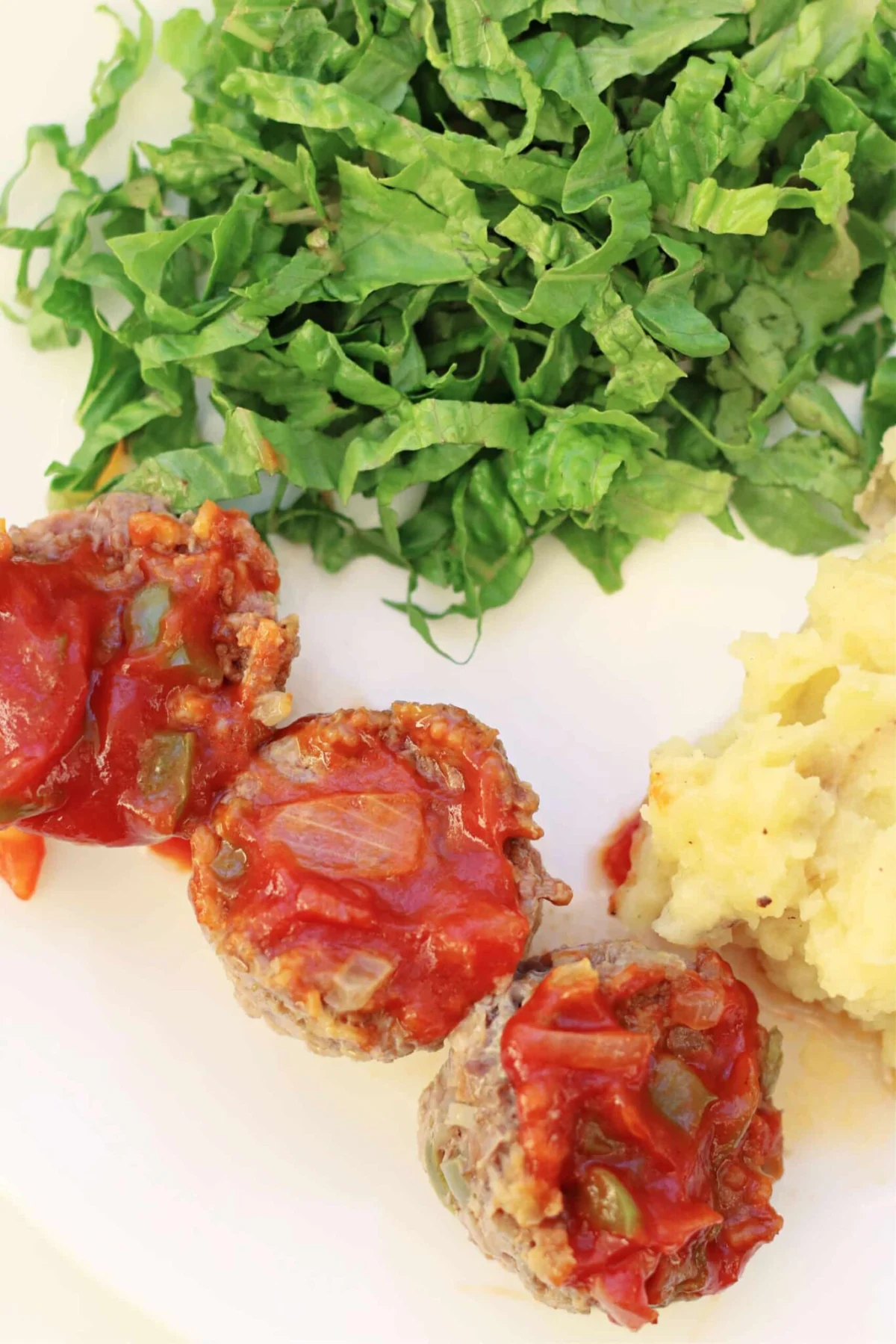
The methodology of preparing this specific iteration of meatloaf relies on a streamlined assembly process designed to minimize preparation time while maximizing the structural integrity and moisture content of the final product. By utilizing a pre-packaged onion soup mix, the preparer bypasses the labor-intensive steps of dicing and sautéing fresh aromatics, instead opting for a concentrated blend of dehydrated onions, cornstarch, salt, and flavor enhancers. This approach ensures a consistent seasoning profile that has become a benchmark for domestic comfort food across North America.
Historical Context and the Rise of Convenience Staples
The history of the Lipton meatloaf is inextricably linked to the post-World War II era, a period characterized by the rapid industrialization of the American food supply. During the 1950s, the Thomas J. Lipton Company sought to expand the utility of its dry soup mixes beyond their primary function as a liquid broth. By marketing these mixes as "flavor packets" for dips, roasts, and meatloaves, the company successfully integrated its product into the daily cooking habits of the American middle class.
Food historians note that the "recipe on the back of the box" was a revolutionary marketing tactic. It transformed a simple commodity into a necessary component of a larger meal. The Lipton Onion Soup Mix meatloaf became a symbol of the "efficient kitchen," where the housewife or home cook could produce a "gourmet-adjacent" flavor without the need for an extensive spice rack. This cultural shift laid the groundwork for the modern "shortcut" recipes that dominate contemporary food blogs and social media platforms.
Technical Specifications and Preparation Chronology
The preparation of a high-quality Lipton meatloaf follows a specific chronological sequence to ensure food safety and optimal texture. The process begins with the selection of the protein base. While traditional recipes call for two pounds of ground beef, modern culinary analysis suggests that a blend—often referred to as a "meatloaf mix"—consisting of one pound of beef and one pound of ground pork can enhance the fat content and tenderness of the loaf.
- Pre-Heating and Vessel Preparation: The oven is stabilized at 350°F (177°C). Professional kitchen standards recommend lining the baking pan with parchment paper or utilizing a non-stick spray to facilitate the Maillard reaction on the bottom of the loaf without causing adhesion to the pan.
- The Integration Phase: The ground meat is combined with the dehydrated soup mix, binders (typically breadcrumbs or crushed crackers), and moisture agents (such as eggs or milk). A critical technical instruction in this phase is the avoidance of overmixing. Overworking the meat can lead to the development of excessive protein bonds, resulting in a dense, rubbery texture rather than a tender, succulent crumb.
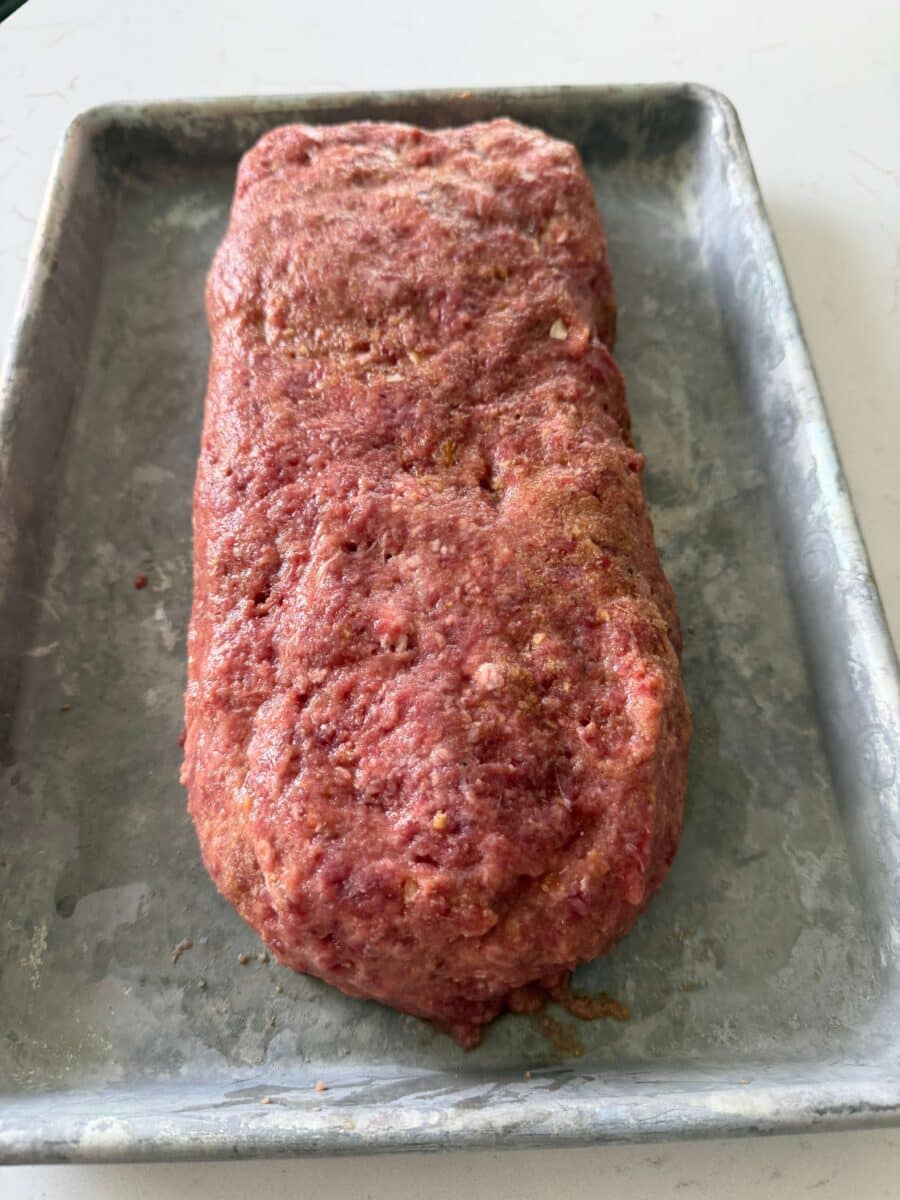
- Structural Formation: The mixture is shaped into a loaf approximately nine inches in length and three inches in height. This specific geometry is designed to allow for even heat distribution, ensuring that the core of the meatloaf reaches the necessary temperature without the exterior becoming overly desiccated.
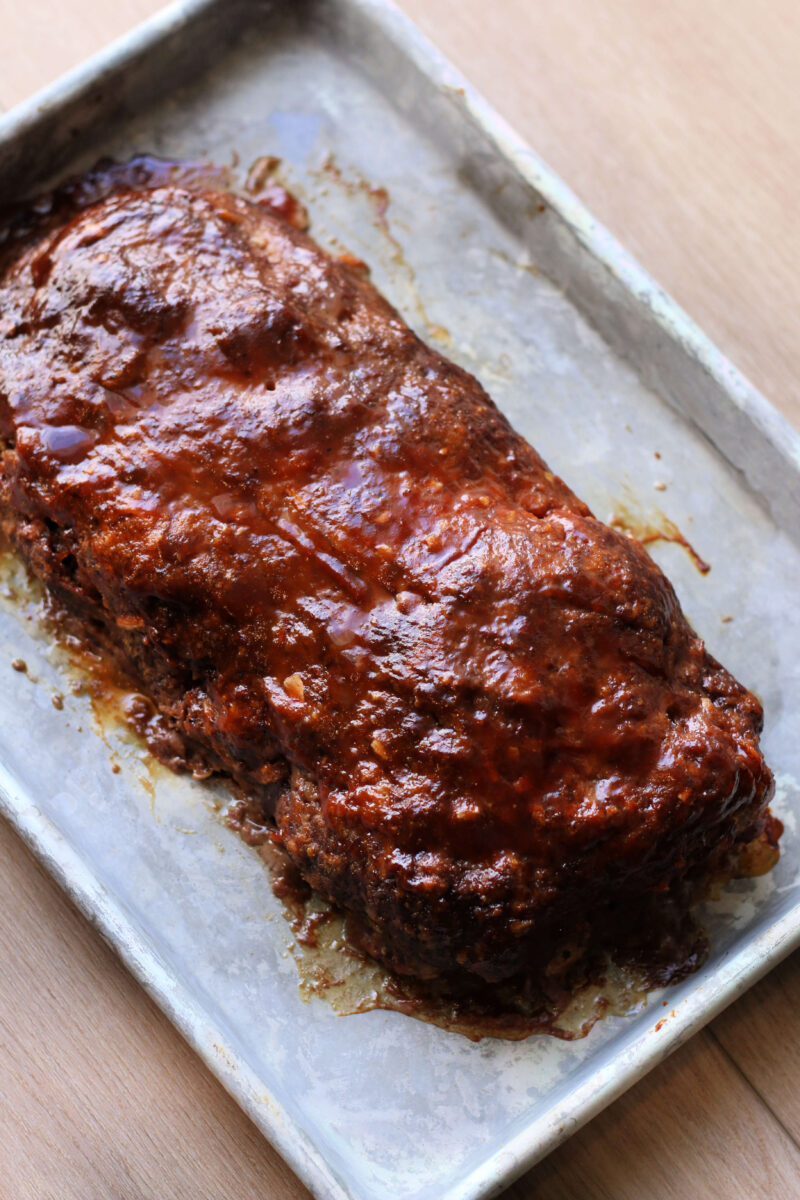
- Thermal Processing: The loaf is baked for approximately 45 minutes. The application of the barbecue glaze—a mixture often containing tomato paste, vinegar, and sweeteners—typically occurs in the final stages of baking to allow the sugars to caramelize into a tangy lacquer.
- Resting and Final Internal Temperature: According to USDA food safety guidelines, ground beef products must reach an internal temperature of 160°F (71°C). Once this threshold is met, a ten-minute resting period is mandatory. During this time, the muscle fibers relax and reabsorb the internal juices, which prevents the meatloaf from crumbling upon slicing.
Culinary Science: The Role of Umami and Dehydration
The effectiveness of the Lipton soup mix in meatloaf preparation can be explained through the lens of food science. The primary flavoring agent in the mix is dehydrated onion, which undergoes a concentrated browning process during manufacturing. This provides a deep, savory flavor profile known as umami. Furthermore, many dry soup mixes contain hydrolyzed soy protein or yeast extract, both of which are high in glutamates. These compounds stimulate the taste receptors, enhancing the perception of the beef’s natural flavors.
The use of dehydrated components also serves a functional purpose in moisture management. In a standard meatloaf, fresh onions release water as they cook, which can sometimes lead to a "steamed" texture or a structural collapse of the loaf. In contrast, dehydrated onions absorb a portion of the meat’s rendered fat and juices, swelling within the meat matrix and acting as internal reservoirs of flavor and moisture.
Supporting Data and Nutritional Analysis
In a contemporary nutritional context, the Lipton meatloaf is categorized as a high-protein, calorie-dense entree. A standard serving (approximately 4 to 6 ounces) provides a significant source of iron, zinc, and Vitamin B12. However, analysts point out that the sodium content in dehydrated soup mixes is substantial. One packet of onion soup mix can contain upwards of 2,000 milligrams of sodium, which represents a significant portion of the recommended daily intake for an adult.
To address these concerns, many modern consumers have pivoted toward "low-sodium" versions of the mix or have begun replicating the flavor profile using a blend of dried onion flakes, onion powder, beef bouillon granules (low salt), and celery seed. This allows for greater control over the nutritional profile while maintaining the convenience of the original method.
Market Trends and the Synergy of Kitchen Appliances
The resurgence of interest in meatloaf is partly attributed to the "Comfort Food Revival" observed during the early 2020s. Market research indicates that during periods of economic or social instability, consumers gravitate toward familiar, reliable recipes from their childhood. The Lipton meatloaf fits this psychological profile perfectly.
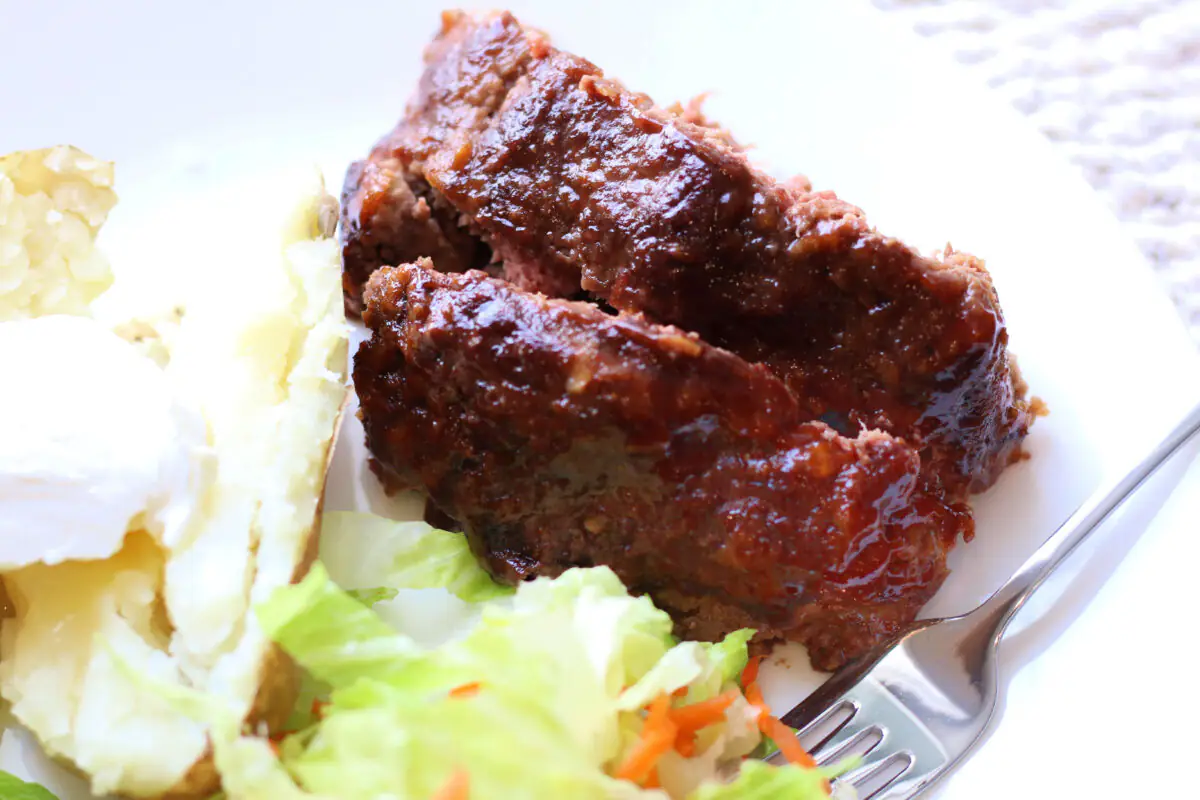
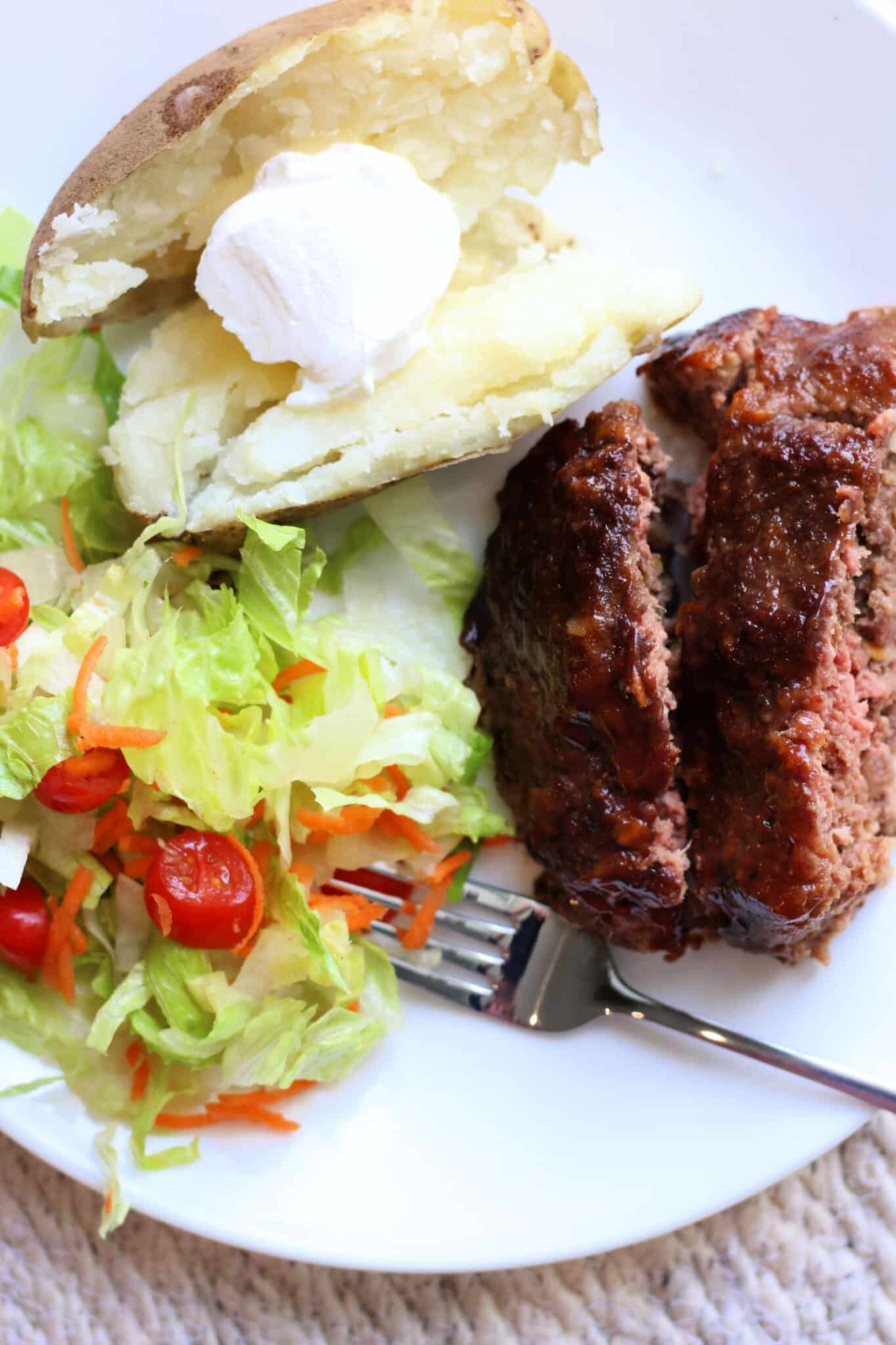
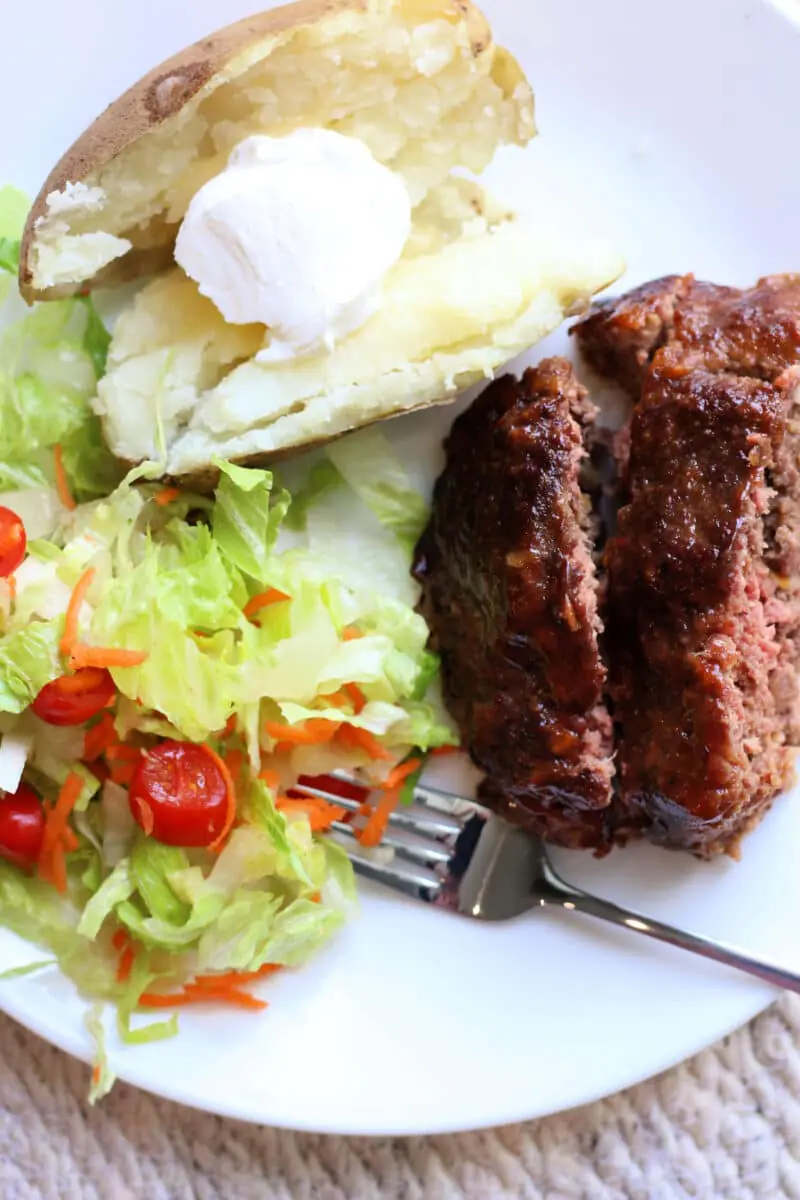
Furthermore, the rise of multi-cookers, such as the Instant Pot, has changed how sides are prepared in conjunction with the meatloaf. While the meatloaf retains its place in the traditional oven to achieve a crispy exterior, side dishes like "Instant Pot Baked Potatoes" or "Mashed Potatoes" are often prepared simultaneously in a pressure cooker. This "multi-appliance" strategy allows the home cook to synchronize the completion of a complex meal, reducing the total time spent in the kitchen.
Professional Reactions and Industry Impact
Culinary professionals often view the Lipton meatloaf as a "gateway recipe." Professional chefs, while often advocating for fresh ingredients, acknowledge the role that such recipes play in building confidence for novice cooks. "There is a democratization of flavor that happens with these pantry-staple recipes," says one industry analyst. "It allows someone without formal training to produce a meal that is consistently seasoned and structurally sound."
From a retail perspective, the "meatloaf kit" concept—where ground meat is packaged alongside a flavoring packet—has seen steady growth in the meat departments of major grocery chains. This indicates that the fundamental logic of the Lipton meatloaf (meat + pre-measured flavor) remains a dominant force in the consumer packaged goods (CPG) industry.
Broader Implications for American Food Culture
The Lipton meatloaf is more than just a recipe; it is a cultural artifact that reflects the American value of "practicality." It stands as a testament to the era of mid-century modernism, where science and industry were applied to the domestic sphere to create "better living through chemistry"—or in this case, better dining through dehydration.
As dietary preferences continue to evolve toward whole foods and plant-based alternatives, the meatloaf format has proven remarkably adaptable. The "Lipton method" is now frequently applied to ground turkey, chicken, and even plant-based meat substitutes, proving that the flavor profile of the onion soup mix is the "hero ingredient" that transcends the specific protein used.
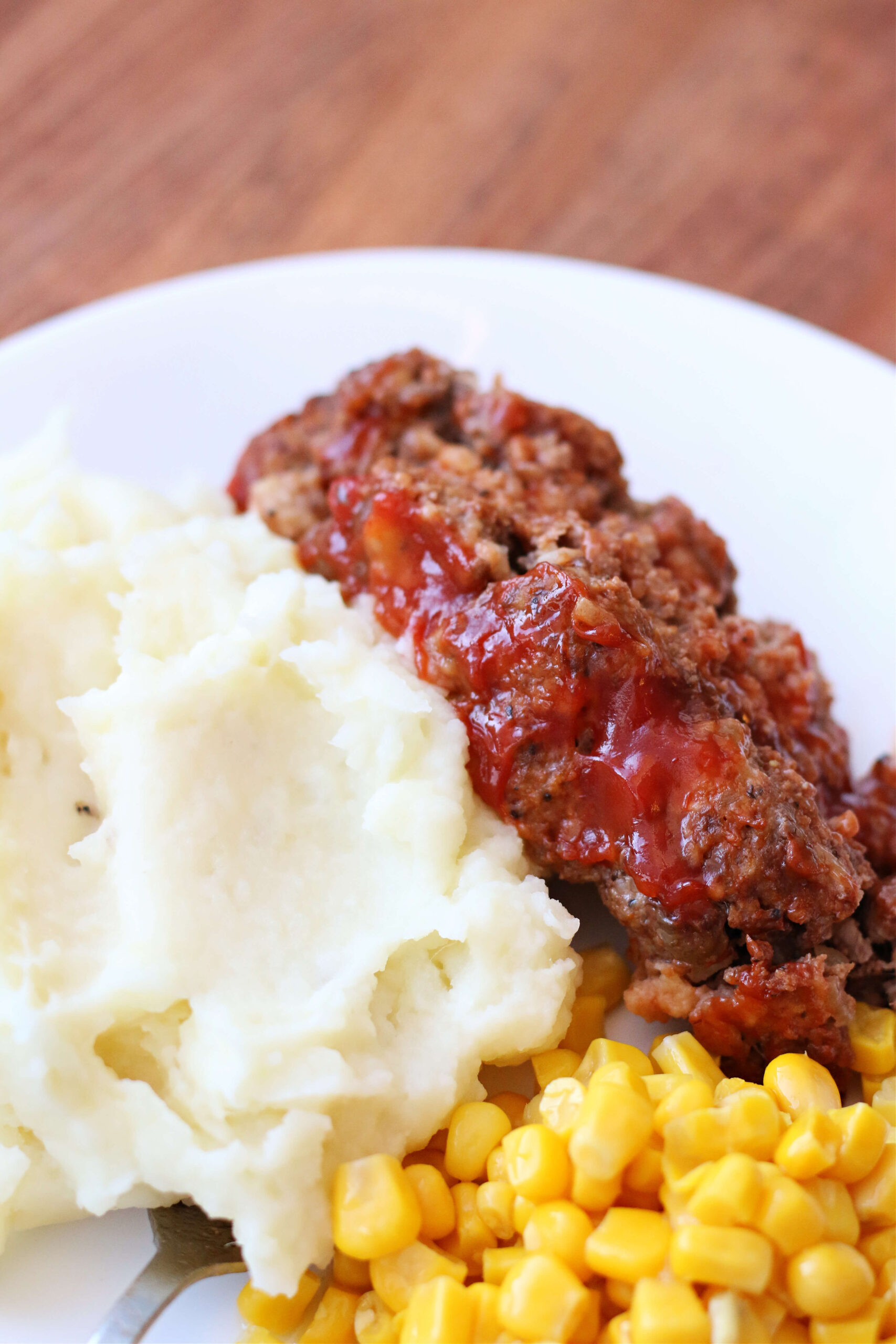
In conclusion, the Lipton Meatloaf remains a cornerstone of the domestic culinary repertoire. Its success is rooted in a perfect balance of chemical flavor enhancement, ease of preparation, and the nostalgic comfort of a home-cooked meal. Whether served with a side of Instant Pot potatoes or a fresh green salad, it continues to fulfill its promise of being juicy, flavorful, and reliably consistent for generations of families. As long as there is a demand for meals that bridge the gap between convenience and quality, the Lipton-style meatloaf will likely remain a fixture on the American dinner table.
