

The seemingly straightforward dish of salmon and eggs, often perceived as a quick breakfast solution, represents a confluence of culinary efficiency and nutritional benefit. This article delves into the preparation, versatility, and nutritional advantages of this popular meal, particularly highlighting its role as an excellent method for repurposing leftover salmon into a delightful morning repast. The ease with which this dish can be assembled makes it a strong contender for both hurried weekday mornings and more leisurely weekend brunches, underscoring its adaptability for various dining occasions.
The Genesis of a Simple Breakfast Staple
The appeal of salmon and eggs lies in its inherent simplicity and the high-quality protein it provides. Salmon, a fatty fish, is renowned for its rich content of omega-3 fatty acids, essential for cardiovascular health and cognitive function. Eggs, a complete protein source, offer a wealth of vitamins and minerals, including choline, vital for brain health, and vitamin D, important for bone health. When combined, they form a breakfast that is not only satisfying but also contributes significantly to daily nutritional intake.

The preparation of salmon and eggs is typically a rapid process, often involving the gentle incorporation of cooked salmon into scrambled eggs. This method capitalizes on pre-cooked fish, minimizing preparation time. The texture of the scrambled eggs can be enhanced through the addition of dairy, such as half-and-half, which contributes to a creamier, richer outcome. The process of beating the eggs thoroughly is paramount, ensuring an even color and texture by thoroughly combining yolks and whites and incorporating air for a lighter consistency.
Optimizing the Culinary Process
Key to achieving a superior salmon and egg dish are a few fundamental techniques. The inclusion of half-and-half or whole milk during the egg preparation phase is crucial for achieving a desirable creamy texture, preventing the eggs from becoming rubbery. The fat content in dairy products helps to emulsify the eggs, leading to a smoother, more palatable result. While whole milk can serve as a substitute, the luxurious mouthfeel achieved with half-and-half is often considered unparalleled.
The act of beating the eggs vigorously, ideally with a whisk, serves a dual purpose. Firstly, it ensures the complete amalgamation of egg whites and yolks, eliminating streaks and resulting in a uniformly colored scramble. This thorough whisking also introduces air into the mixture, which contributes to the lightness and fluffiness of the cooked eggs. The visual appeal of a perfectly cooked scrambled egg, free from streaks, is often a testament to this preparatory step.
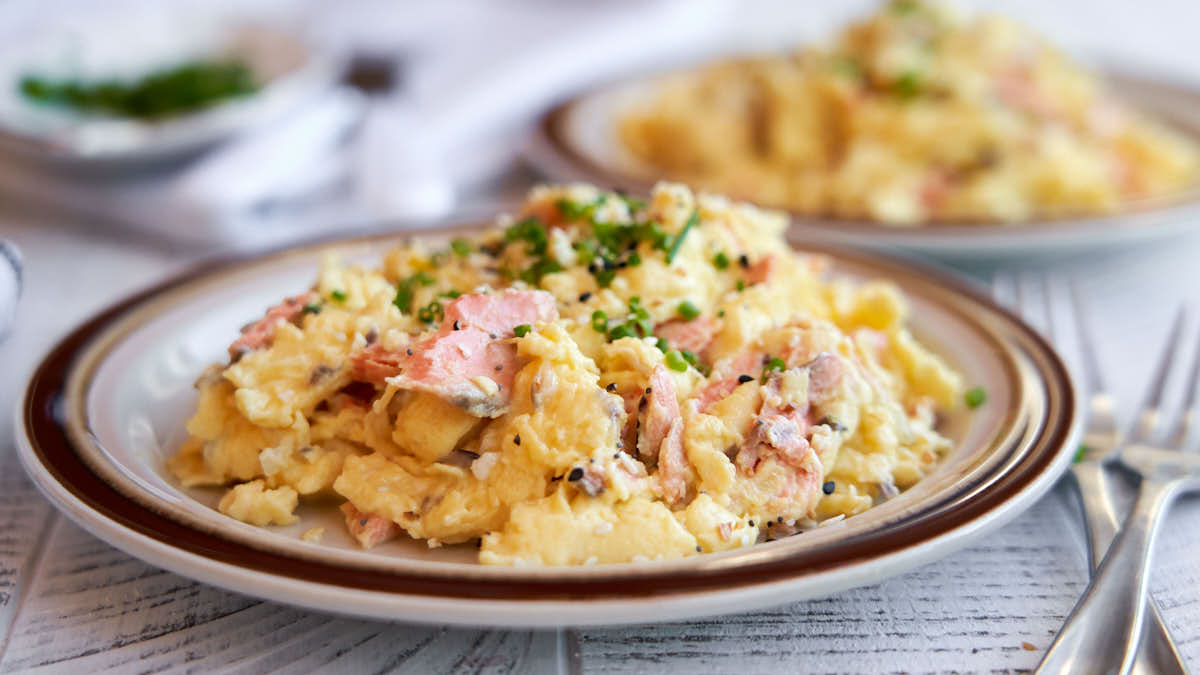
The Art of Incorporating Salmon
The timing of salmon addition is critical for optimal results. Allowing leftover salmon to reach room temperature before incorporating it into the eggs prevents a drastic drop in the cooking temperature of the eggs, ensuring even cooking. Furthermore, adding the salmon towards the latter stages of the egg cooking process, when the eggs are still wet but beginning to form curds, allows the fish to heat through without becoming overcooked. This approach also facilitates the adhesion of the eggs to the salmon, creating a cohesive scramble. It is important to note that this recipe is designed for cooked, flaked salmon, not smoked salmon. Smoked salmon, due to its high salt content and distinct texture, would not yield the desired outcome and could lead to an overly salty and dry dish.
Enhancing Flavor and Presentation
The finishing touches can elevate the humble salmon and eggs into a gourmet experience. A sprinkle of "Everything but the Bagel" seasoning provides a savory depth and a delightful textural contrast. The addition of fresh chives introduces a vibrant pop of color and a subtle oniony flavor. For those who may not always have fresh chives readily available, freeze-dried chives offer a convenient and long-lasting alternative, maintaining their flavor profile and ease of use.
The type of cooked salmon used is also a factor. Flaked baked or pan-fried salmon fillets are ideal. The key is that the salmon must be cooked prior to being added to the eggs. If one does not have leftovers, a fillet can be cooked specifically for this purpose, with no particular cooking method required beyond ensuring it is fully cooked.

Nutritional Profile and Health Benefits
The nutritional synergy of salmon and eggs makes this dish a powerhouse breakfast. Salmon is an excellent source of high-quality protein, which is essential for muscle repair and growth, and promotes satiety, helping to manage appetite throughout the day. Its omega-3 fatty acid content, particularly EPA and DHA, is well-documented for its anti-inflammatory properties and its role in supporting brain health, reducing the risk of cognitive decline, and improving mood. Studies have indicated that regular consumption of fatty fish like salmon can contribute to a lower risk of heart disease and stroke.
Eggs, beyond being a complete protein, are rich in essential amino acids and a broad spectrum of vitamins and minerals. They contain lutein and zeaxanthin, antioxidants beneficial for eye health. The presence of B vitamins, including B12 and riboflavin, supports energy metabolism, while selenium acts as a powerful antioxidant. Choline, found abundantly in eggs, is crucial for neurotransmitter synthesis and cellular membrane structure, playing a vital role in brain development and function.
The combination of these two ingredients offers a breakfast that is both calorically dense and nutrient-rich, providing sustained energy release and supporting overall well-being. A typical serving of salmon and eggs, depending on the quantities and preparation, can provide approximately 430 kcal, with a significant portion of this being protein and healthy fats.

Versatility and Culinary Adaptability
The beauty of salmon and eggs lies in its inherent flexibility. It can be seamlessly integrated into various meal plans, including those focused on high protein or low carbohydrate intake. Its gluten-free nature also makes it a suitable option for individuals with gluten sensitivities. The simplicity of the recipe allows for easy scaling; doubling or tripling the ingredients can cater to larger gatherings or meal prep for subsequent days.
For those seeking alternative ways to incorporate fish into their breakfast routine, a tuna omelette presents a comparable, yet distinct, option. This showcases a broader trend towards utilizing fish in breakfast dishes, moving beyond traditional cereal or pastry-based meals.
A Note on Sourcing and Sustainability
When preparing salmon and eggs, consideration for the source of the salmon can add another layer of value to the meal. Opting for sustainably sourced salmon, whether wild-caught or farmed under responsible practices, ensures that the consumption of this nutritious fish aligns with environmental consciousness. Certifications from organizations like the Marine Stewardship Council (MSC) for wild-caught fish or the Aquaculture Stewardship Council (ASC) for farmed fish can guide consumers towards more responsible choices. This commitment to sustainability not only supports healthy ecosystems but also ensures the long-term availability of this valuable food source.

Conclusion: A Nutritious and Efficient Breakfast Choice
Salmon and eggs emerge as more than just a convenient way to use up leftovers; it is a nutritionally sound, easily prepared, and remarkably versatile breakfast option. Its appeal spans the spectrum from the time-crunched commuter to the discerning weekend diner. By adhering to simple culinary techniques and understanding the inherent qualities of its core ingredients, one can consistently create a satisfying and beneficial start to the day. The dish stands as a testament to how simple ingredients, when prepared with a mindful approach, can yield both exceptional flavor and significant health advantages, making it a worthy addition to any breakfast repertoire.
