
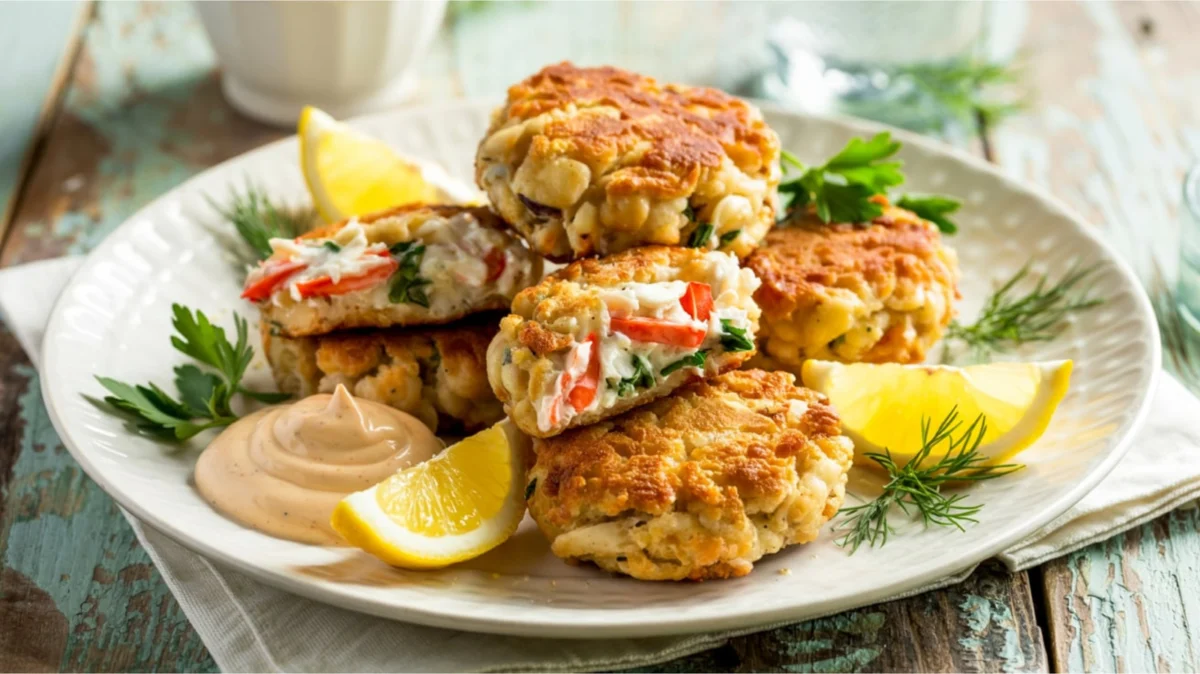
The iconic Maryland crab cake, a culinary emblem of the Free State, is often the subject of passionate debate, particularly when it comes to its accompaniment. While many across the nation reach for tartar sauce as the quintessential pairing, a significant contingent of Marylanders has long championed a decidedly simpler, yet surprisingly divisive, condiment: yellow mustard. This age-old preference, unearthed and discussed on platforms like Reddit and Facebook, reveals a deep-seated culinary tradition that sets Maryland apart from the conventional crab cake experience.
The Maryland Crab Cake Distinction
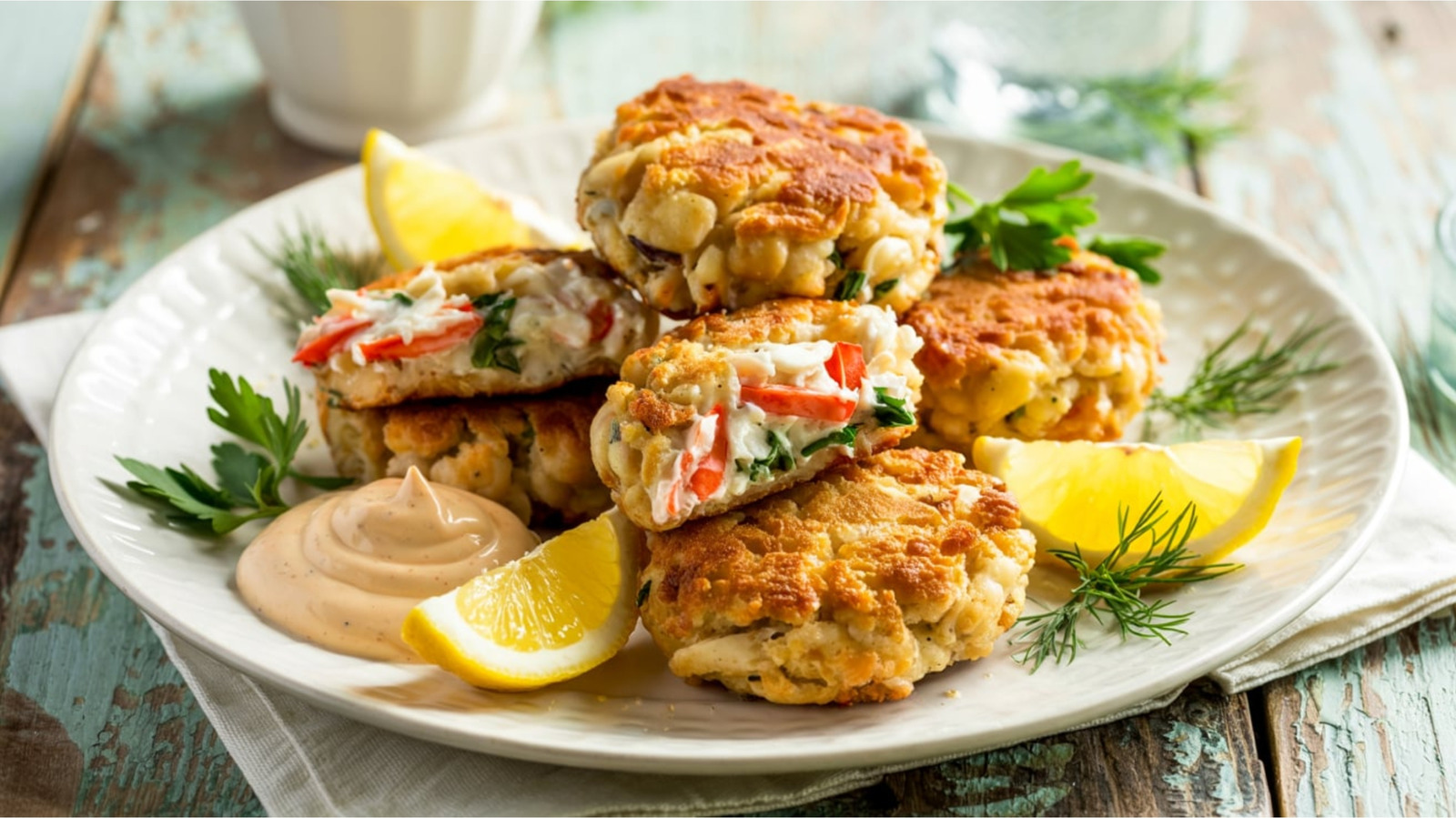
What elevates a Maryland crab cake beyond its regional brethren is a meticulous approach to preparation and ingredient selection. The foundation is invariably the coveted blue crab, prized for its sweet, succulent meat. Unlike crab cakes elsewhere that might rely on a heavy hand with breadcrumbs, mayonnaise, or other binders, the Maryland style emphasizes the crab itself. Fillers are used sparingly, serving merely to hold the delicate crab lumps together. This minimalist philosophy extends to the cooking method, which often favors broiling or pan-frying over deep-frying, preserving the crab’s natural flavor and delicate texture. It is this very purity of crab flavor that, for many locals, dictates the ideal accompaniment.
Unearthing a Culinary Tradition: The Mustard Revelation
The revelation that yellow mustard reigns supreme for many Maryland crab cake enthusiasts emerged from spirited online discussions. A Reddit thread, initiated by a user questioning the prevalence of mustard as a crab cake condiment, quickly garnered a flood of responses from self-proclaimed Marylanders. Many enthusiastically confirmed the tradition, sharing nostalgic anecdotes. "Growing up, it was always fried crab cakes with saltine crackers and yellow mustard," one user recalled, echoing the sentiments of another who stated, "Yellow mustard and a saltine is correct." This collective affirmation suggests a practice deeply ingrained in the culinary fabric of the region, passed down through generations.
However, the discussion was not without its dissenters. A significant minority expressed surprise, with one user stating, "Been here 50 years, I put mustard IN them, but never ON them. Shouldn’t have to put anything on it if its made right." This perspective highlights a belief that a truly exceptional crab cake requires no adornment, its flavor profile being perfectly balanced on its own. Another commenter admitted, "I have never heard of mustard" being used as a topping, underscoring the localized nature of this culinary preference.
Facebook groups dedicated to Maryland cuisine provided further evidence of this ongoing dialogue. While some users acknowledged the presence of mustard or mustard powder within the crab cake mixture itself, they maintained a preference for tartar sauce or enjoying the cakes plain. Conversely, others embraced the mustard pairing, albeit with a nuanced approach. "Yes! Not drowning in mustard, just enough for a little zing!" one Facebook user commented, suggesting a subtle application that enhances rather than overpowers the crab.
The Science and Sentiment Behind the Pairing
The peculiar affinity for yellow mustard among Marylanders can be attributed to a confluence of sensory and even linguistic factors. Maryland blue crabs are renowned for their inherent sweetness, a characteristic that can be beautifully complemented by the tangy, slightly acidic profile of yellow mustard. This brightness cuts through the richness of the crab meat, creating a more dynamic and balanced flavor experience.
Interestingly, the crab’s hepatopancreas, a vital organ often colloquially referred to as "mustard" due to its yellowish hue, adds another layer to this culinary intrigue. While this internal organ is a natural part of the crab and contributes to its flavor, it is not to be confused with the condiment itself. The digestive liquid within this organ is not recommended for consumption. Therefore, the preference for actual yellow mustard offers a safe, accessible, and, for many, a more palatable way to achieve a complementary tang. This linguistic overlap might subtly reinforce the association between crab and mustard in the regional consciousness, even if the connection is largely anecdotal rather than a direct culinary lineage.
A Regional Icon and Its Evolving Narrative
The debate over crab cake condiments, while seemingly trivial to outsiders, speaks volumes about regional identity and the passionate preservation of culinary traditions. Like the ongoing discussions surrounding barbecue styles or the definitive way to prepare a lobster roll, the Maryland crab cake represents a cultural touchstone. Each family, each restaurant, and each individual often holds a deeply personal conviction about the "correct" way to prepare and enjoy this beloved dish.
This phenomenon is not unique to Maryland. Throughout culinary history, regional specialties have often been the subject of intense scrutiny and pride. The evolution of these traditions is a continuous process, influenced by historical context, ingredient availability, and the personal experiences of those who engage with them. While the concept of "authenticity" is often invoked, it’s crucial to recognize that culinary traditions are fluid, adapting and transforming over time.
Implications for Culinary Exploration
The revelation of the yellow mustard preference offers a compelling invitation for culinary exploration. For those accustomed to the ubiquitous tartar sauce, experimenting with a simple dollop of yellow mustard on their next Maryland crab cake could unlock a new dimension of flavor. This embrace of local tradition encourages a more nuanced understanding of regional cuisines and the subtle interplay of ingredients that define them.
The broader implication is a call to approach regional foods with an open mind and a willingness to step outside established norms. While established pairings have their merit, the discoveries made through local preferences often lead to the most rewarding culinary insights. Ultimately, whether one chooses mustard, tartar sauce, or simply enjoys the crab cake in its unadorned glory, the experience is enriched by understanding the cultural narratives and historical contexts that shape these delicious traditions. The Maryland crab cake, in its many interpretations, remains a testament to the enduring power of regional flavor and the vibrant conversations it continues to inspire.
Further Culinary Considerations and Accompaniments
Beyond the condiment debate, the preparation and presentation of Maryland crab cakes open a world of possibilities for complementary side dishes. The simple elegance of a crab cake often calls for accompaniments that either echo its delicate flavors or provide a contrasting textural and taste experience.
Classic Pairings:
- Saltine Crackers: As mentioned in the online discussions, saltine crackers are a time-honored accompaniment, providing a mild, salty crunch that doesn’t compete with the crab. They can be crushed and used as a binder, or simply served alongside for scooping.
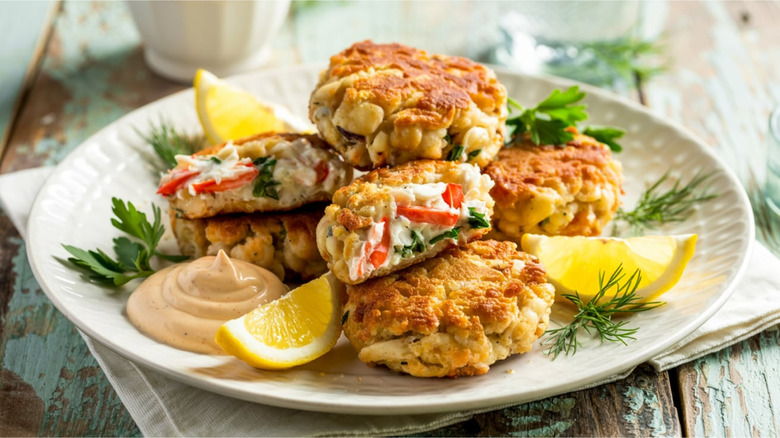
- Lemon Wedges: A squeeze of fresh lemon juice is almost universally accepted as a way to brighten the flavor of seafood. Its acidity cuts through the richness and enhances the natural sweetness of the crab.
- Coleslaw: A creamy or vinegar-based coleslaw can offer a refreshing counterpoint. The crunch of the cabbage and the tang of the dressing provide textural and flavor contrast.
- Corn on the Cob: In season, sweet corn, whether grilled or boiled, offers a complementary sweetness and a satisfying bite.
- Steamed Asparagus or Green Beans: These simple, lightly cooked vegetables provide a healthy and unobtrusive addition, allowing the crab cake to remain the star.
More Adventurous Options:
- Remoulade Sauce: For those who enjoy a bit more complexity than tartar sauce, a remoulade offers a richer, more spiced alternative, often incorporating ingredients like paprika, cayenne, and capers.
- Crab Fries: A nod to the regional love for seafood, a side of fries, sometimes seasoned with Old Bay or even topped with a light crab seasoning, can be a decadent choice.
- Potato Salad: A well-made potato salad, whether creamy or vinaigrette-based, can offer a hearty and satisfying side.
The Broader Impact of Regional Food Traditions
The passion surrounding the Maryland crab cake and its accompaniments reflects a broader cultural phenomenon: the deep connection between food and identity. In regions with distinct culinary heritage, food is not merely sustenance; it is a carrier of history, family memories, and local pride. The debates over ingredients, preparation methods, and serving styles are not simply about taste preferences; they are about preserving a cultural legacy.
For chefs and home cooks alike, understanding these regional nuances is key to creating dishes that resonate with authenticity and respect for tradition. It encourages a deeper dive into the origins of recipes and the stories behind them. The internet, while sometimes a source of trivial debates, has also become a powerful tool for uncovering and celebrating these local culinary narratives, allowing them to reach a wider audience and foster a greater appreciation for the diversity of global cuisine. The Maryland crab cake, with its iconic status and its humble yellow mustard pairing, stands as a delicious testament to this enduring cultural connection.
