
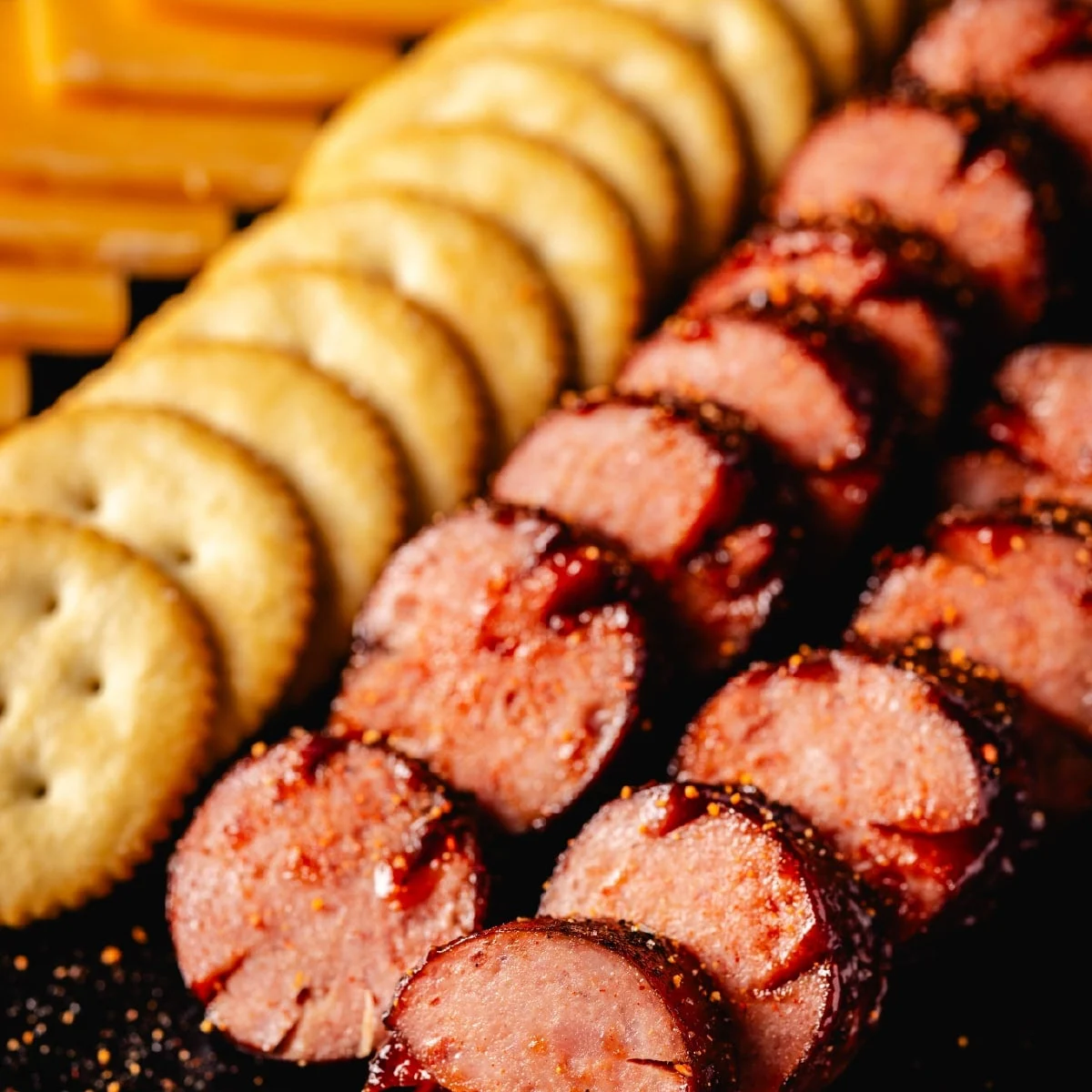
The modern culinary landscape is witnessing a significant shift toward "accessible gourmet," a movement where complex flavor profiles are achieved through streamlined techniques and high-quality ingredients. At the forefront of this trend is the Smoked Kielbasa with Hot Honey Glaze, a recipe developed by culinary expert and Hey Grill Hey founder Susie Bulloch. This preparation method, which requires only four ingredients and a 90-minute cooking window, exemplifies the "low-effort, high-reward" philosophy that has become a cornerstone of contemporary backyard barbecue culture. By utilizing a specific combination of scoring techniques, savory binders, and a "swicy"—sweet and spicy—glaze, the method transforms a staple cured meat into a sophisticated centerpiece suitable for high-end charcuterie presentations or casual social gatherings.
The Evolution of Kielbasa in American Barbecue
Kielbasa, a staple of Polish cuisine, has undergone a significant transformation since its introduction to the United States by Eastern European immigrants in the late 19th and early 20th centuries. Traditionally a garlic-forward sausage made of pork, beef, or a combination of both, kielbasa became a regional icon in cities such as Chicago, Milwaukee, and Cleveland. In these urban centers, the sausage was often grilled or simmered with sauerkraut. However, as the American barbecue tradition expanded beyond its Southern roots, kielbasa was adopted as a versatile protein for smokers.

The decision to smoke kielbasa that is often already "pre-smoked" from the manufacturer serves a dual purpose. While the sausage is technically precooked and safe for consumption, the secondary smoking process at a low temperature—specifically 225 degrees Fahrenheit—allows for a deeper infusion of wood-fired aromatics. This process also renders a portion of the internal fats, resulting in a more tender texture and a "bite-through" casing that avoids the rubbery consistency sometimes found in mass-produced sausages.
Technical Analysis of the Scoring and Binding Process
A critical component of the Smoked Kielbasa with Hot Honey Glaze method is the physical preparation of the meat. Bulloch advocates for "scoring" the sausage—making shallow, diagonal cuts along the length of the link. This is not merely an aesthetic choice; it is a functional technique that increases the surface area of the meat. This increased surface area allows the smoke to penetrate deeper into the protein matrix and provides more "nooks and crannies" for the glaze to adhere to. Furthermore, scoring prevents the casing from bursting under the pressure of expanding internal juices, which often occurs when sausages are cooked at higher temperatures.
The use of a binder is another technical necessity in high-level barbecue. In this specific recipe, a "Zesty Gold BBQ Sauce"—typically a mustard-based Carolina-style sauce—acts as the primary binder. Mustard-based sauces are chemically ideal for this role because the vinegar content helps break down surface proteins slightly, allowing the dry seasoning to stick more effectively. The subsequent application of a "Sweet Rub" introduces sugar and spices that, when exposed to the low heat of the smoker, begin the Maillard reaction. This chemical reaction between amino acids and reducing sugars is responsible for the complex, savory flavors and the browned, appetizing crust known in the BBQ world as "bark."

The Science of the "Swicy" Flavor Profile
The final stage of the preparation involves a glaze consisting of Hot Honey BBQ Sauce. This reflects a broader consumer trend toward "swicy" foods, a portmanteau of sweet and spicy. According to market research data from 2023, consumer interest in hot honey products has seen a 40% year-over-year increase in the condiment sector. The capsaicin in the heat component triggers a mild endorphin release, while the glucose and fructose in the honey provide a counter-balancing sweetness that coats the palate.
In a smoking environment, the honey serves a structural purpose. As the moisture evaporates during the final minutes of the 90-minute cook time, the sugars concentrate, creating a tacky, lacquered finish. This caramelization process must be timed precisely; if the glaze is applied too early, the high sugar content can burn, leading to a bitter carbonized layer. By applying the glaze in the final 10 to 15 minutes, the chef ensures a glossy, amber finish that enhances the natural savory notes of the smoked pork and beef.
Chronology of the 90-Minute Smoking Process
The preparation and execution of the Smoked Kielbasa with Hot Honey Glaze follow a strict timeline to ensure optimal texture and flavor absorption.

- Phase One: Preparation (0–15 Minutes): The smoker is preheated to a consistent 225 degrees Fahrenheit. During this time, the kielbasa is scored and the layers of binder (Zesty Gold BBQ Sauce) and seasoning (Sweet Rub) are applied.
- Phase Two: The Initial Smoke (15–75 Minutes): The sausages are placed directly on the grill grates. Using a mild wood, such as apple, cherry, or pecan, the meat absorbs smoke as the internal fats begin to soften. Because the meat is already precooked, this stage focuses entirely on flavor development and texture refinement.
- Phase Three: The Glazing Stage (75–90 Minutes): The Hot Honey BBQ Sauce is applied liberally over the scored surface. The smoker lid is closed to allow the heat to set the glaze, transforming it from a liquid to a sticky coating.
- Phase Four: Resting and Service (90 Minutes+): The meat is removed from the heat. A brief resting period allows the internal juices to redistribute, ensuring that the sausage remains moist when sliced for a charcuterie board or appetizer platter.
Market Context and Professional Insights
Susie Bulloch, the founder of Hey Grill Hey, has built a significant platform by demystifying the complexities of outdoor cooking. With a background that includes appearances on the Food Network and multiple Guinness World Records, Bulloch’s endorsement of a four-ingredient recipe carries weight within the industry. "This might have the biggest reward for the least work," Bulloch stated regarding the recipe. Her approach reflects a shift in the barbecue industry toward inclusivity, encouraging "Backyard BBQ Heroes" to engage with their equipment without the intimidation of 12-hour brisket cooks.
The BBQ industry itself has seen a surge in the sales of specialty rubs and sauces. The global barbecue sauce market was valued at approximately $1.1 billion in 2022 and is projected to grow at a compound annual growth rate (CAGR) of 4.5% through 2030. This growth is driven by the increasing popularity of outdoor living and the desire for "restaurant-quality" results at home. Products like the Zesty Gold and Hot Honey sauces mentioned in the recipe are part of a premiumization trend where consumers are willing to pay more for curated flavor profiles that eliminate the need for complex spice cabinets.
Food Safety and Storage Protocols
While the Smoked Kielbasa with Hot Honey Glaze is designed for immediate consumption, understanding the shelf life of smoked meats is essential for food safety. Commercial kielbasa is typically vacuum-sealed and cured with sodium nitrite, which inhibits the growth of Clostridium botulinum and extends the refrigerated shelf life to several weeks. However, once the package is opened and the meat is subjected to additional cooking and glazing, the environment changes.

Leftover smoked kielbasa should be cooled quickly and stored in an airtight container or a gallon-size zip-top bag. According to USDA guidelines and culinary standards, the smoked sausage will maintain its quality for three to four days in a refrigerator maintained at or below 40 degrees Fahrenheit. For longer-term storage, the sausage can be frozen, though the texture of the glaze may be slightly altered upon thawing and reheating.
Broader Impact on the Charcuterie Trend
The integration of warm, smoked elements into charcuterie boards represents an evolution of the traditional "lunch meat and cheese" platter. The "BBQ Charcuterie" or "Bark-cuterie" trend has gained traction on social media platforms, where aesthetic presentation is paramount. The Smoked Kielbasa with Hot Honey Glaze, with its scored texture and vibrant glaze, provides a visual and temperature contrast to cold cheeses, crackers, and pickles.
This trend is indicative of a broader cultural movement toward "grazing" or "snackification," where traditional sit-down meals are replaced by diverse, sharable assortments of high-protein appetizers. The ability to produce such a centerpiece in 90 minutes allows hosts to provide a homemade, artisanal touch without the time commitment required by traditional barbecue.

In conclusion, the Smoked Kielbasa with Hot Honey Glaze is more than a simple recipe; it is a manifestation of modern culinary values: efficiency, bold flavor, and high-quality ingredients. By understanding the science of smoke, the chemistry of glazes, and the history of the protein, home cooks can elevate a humble grocery store staple into a gourmet experience. As the barbecue industry continues to innovate, the focus remains on empowering the individual to achieve professional results in their own backyard.
