
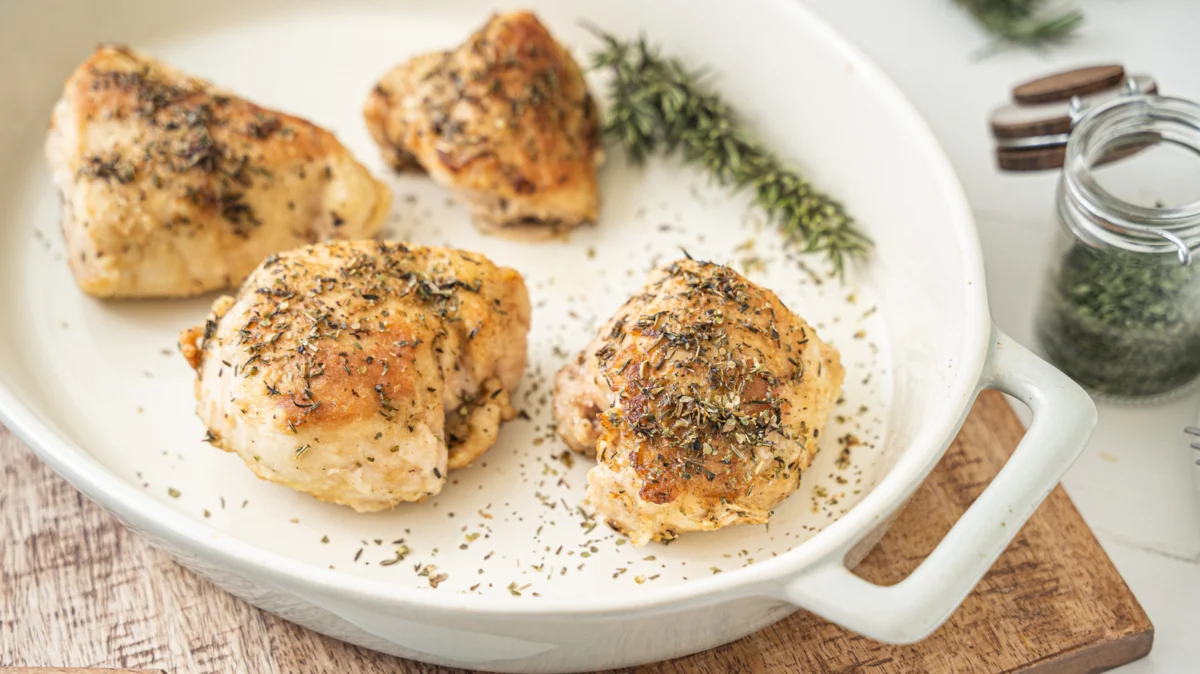
The culinary world is a constant evolution of techniques and refinements, with chefs and home cooks alike seeking that perfect balance of flavor and texture. Among the myriad of preparations for poultry, one method has been gaining significant traction for its ability to elevate humble chicken thighs to restaurant-quality status: dry brining. This technique, championed by barbecue expert Scott Thomas, owner of Grillin’ Fools and Cookin’ Fools, offers a straightforward yet remarkably effective approach to achieving exceptionally tender meat and irresistibly crispy skin.
Thomas, a seasoned authority in the realm of grilling and cooking, recently shared his insights into optimizing chicken preparation, highlighting dry brining as a pivotal step for chicken thighs. "A dry brine can help achieve two main goals: crispy skin and a tender texture," Thomas stated in an interview. This method stands in contrast to its liquid counterpart, the wet brine, and involves a simple yet profound application of salt.
The Science Behind the Salinity: How Dry Brining Works
Unlike wet brining, which immerses poultry in a saline solution, dry brining is a waterless process. The core principle, as explained by Thomas, involves coating the meat with salt and allowing it to rest, typically overnight, in the refrigerator. "The salt draws some moisture out of the skin while injecting some salt molecules into the chicken cells," he elaborated. This seemingly paradoxical action is where the magic happens.
The salt initially draws out surface moisture from the chicken skin. This dehydration is crucial for achieving crispiness, as excess moisture is the enemy of a perfectly rendered, crackling skin. Simultaneously, the salt penetrates the muscle tissues. This process, known as osmosis and diffusion, breaks down proteins within the meat. Specifically, it targets connective tissues like collagen, transforming them into gelatin. This breakdown results in a more tender and succulent final product.
The process essentially creates a concentrated, natural brine on the surface of the chicken, which is then reabsorbed into the meat. This reabsorption ensures that the chicken is seasoned throughout, leading to a juicier and more flavorful outcome without the dilution that can sometimes occur with wet brining. This makes dry brining particularly advantageous for chicken thighs, which have a higher fat content and can benefit from the moisture retention and enhanced flavor penetration. The fat within the thighs renders beautifully when the skin is dry and crisp, basting the meat from the outside in.
Mastering the Method: A Step-by-Step Guide to Dry Brining Chicken Thighs
The prospect of liberally salting meat might initially seem counterintuitive, but Thomas emphasizes that judicious application is key. He recommends using kosher salt, specifically Diamond Crystal kosher salt, which is roughly half as salty as table salt. This distinction is important for controlling the saltiness of the final dish. For every pound of chicken thighs, Thomas suggests using approximately half a tablespoon of Diamond Crystal kosher salt. While this may appear generous, he reassures that the salt is not tasted directly in the final product; rather, it works its transformative magic on the meat’s texture and flavor.
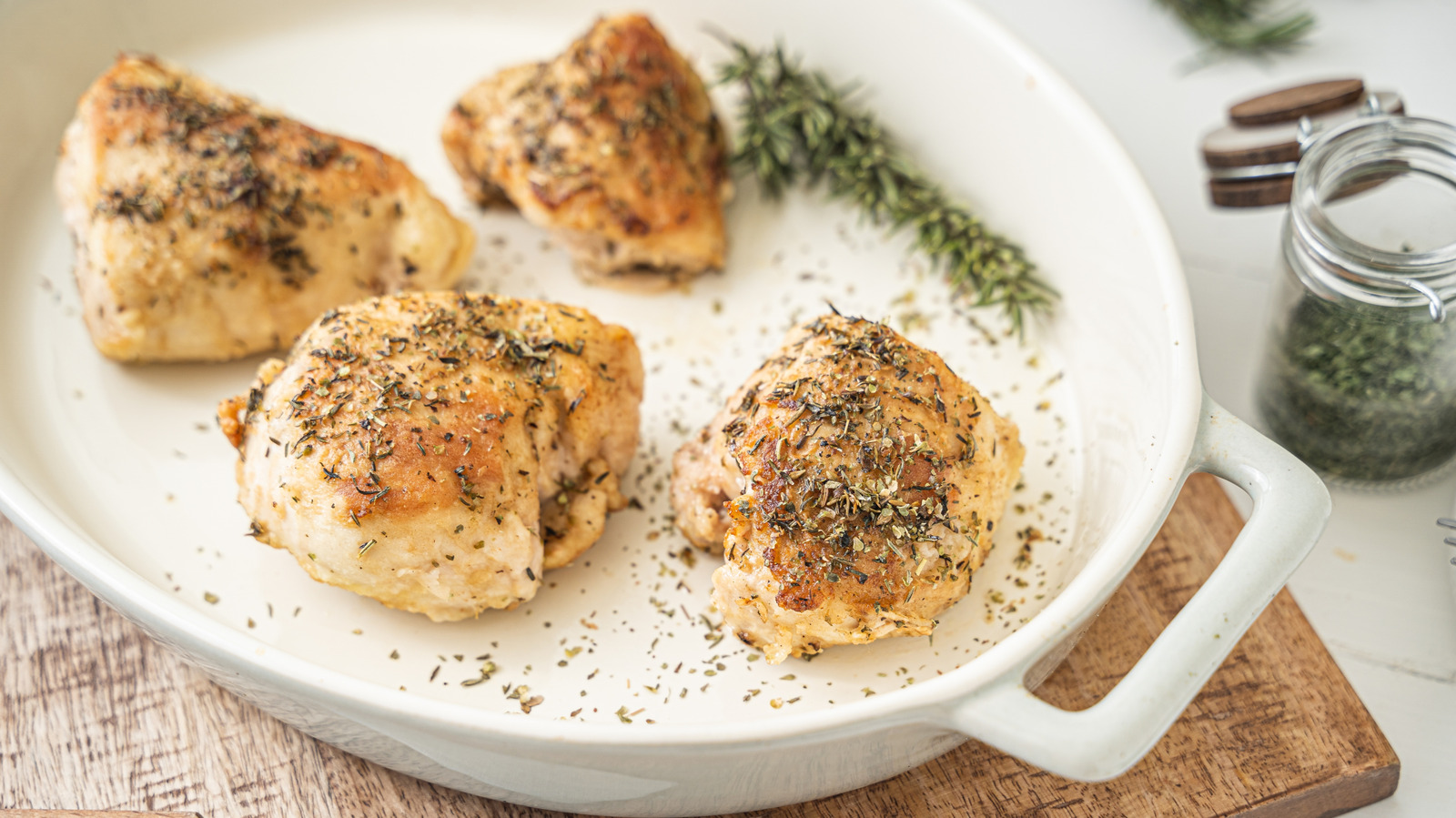
"Start with a cookie/baking sheet with a rim around the outside," Thomas instructs. "Set a cookie cooling rack on the rimmed cookie sheet. Place the raw chicken in a bowl and throw in the salt." This setup is critical for allowing air to circulate around the chicken, ensuring even drying and preventing the skin from becoming soggy. The rimmed baking sheet catches any drips, keeping the refrigerator clean.
A significant enhancement to this process, according to Thomas, is the addition of a small amount of baking powder to the salt mixture. "It will greatly increase the crispiness of the skin," he asserts. Baking powder, much like salt, possesses protein-denaturing properties. It breaks down proteins on the chicken’s surface and aids in moisture evaporation from the meat’s core, promoting enhanced caramelization and a more pronounced crisp. This is a technique often employed by professional chefs to achieve that coveted shatteringly crisp skin.
Once the chicken thighs are thoroughly coated in the salt and baking powder mixture, they are placed on the cooling rack atop the rimmed baking sheet. The prepared chicken is then placed in the refrigerator. The brining period can range from two to twelve hours, with Thomas noting that approximately six hours often yields optimal results.
The Timeline of Transformation: Optimal Brining Duration
The duration of the dry brining process is a critical factor in its success. While chicken thighs can safely remain in the refrigerator for up to 24 hours, Thomas advises against exceeding the 12-hour mark. "I don’t like going more than 12 hours as the salt can start to cure the meat at that point," he explained. Curing, while a desirable outcome for products like bacon or ham, can alter the texture of chicken in unintended ways, potentially leading to a firmer, more processed feel rather than the desired tender, juicy result.
The overnight brining period (typically 8-12 hours) allows ample time for the salt to work its way into the muscle fibers, tenderizing the meat and infusing it with flavor. Shorter periods, such as 2-4 hours, will still offer some benefits in terms of moisture retention and slight tenderization, but the full impact on skin crispiness and deep flavor penetration is best achieved with a longer soak.
The visual cues during the brining process are also telling. After several hours in the refrigerator, the chicken skin will appear noticeably drier and tighter. This is a direct result of the salt drawing out moisture. The meat itself might also seem slightly firmer to the touch.
Beyond the Thigh: Applicability to Other Poultry Cuts
While the focus of this discussion is on chicken thighs, the principles of dry brining are applicable to other poultry cuts, albeit with some considerations. Chicken breasts, being leaner and more prone to drying out, can also benefit from dry brining. However, due to their lower fat content, the brining time for breasts might need to be slightly shorter to prevent them from becoming overly salty or developing a cured texture. A typical recommendation for chicken breasts would be in the range of 4-8 hours.
Whole chickens can also be dry-brined. The process involves liberally salting the cavity and the exterior of the bird. For a whole chicken, a longer brining period of 12-24 hours is often recommended to allow the salt to penetrate evenly throughout the dense meat. Ensuring the chicken is placed on a rack to allow air circulation on all sides is paramount for achieving crispy skin all around.
The success of dry brining across different cuts hinges on the balance between salt concentration, time, and the inherent moisture and fat content of the meat. The goal is always to tenderize, enhance flavor, and promote crispiness without compromising the desirable qualities of the poultry.
The Broader Impact: Elevating Home Cooking and Culinary Standards
The widespread adoption of techniques like dry brining by culinary experts signifies a broader trend towards demystifying professional cooking methods and empowering home cooks. As more information becomes accessible through interviews, online articles, and cooking demonstrations, the gap between restaurant-quality meals and home-prepared dishes continues to narrow.
Scott Thomas’s advocacy for dry brining chicken thighs is a testament to the power of simple, science-backed techniques. By understanding the underlying mechanisms of salt’s interaction with meat, home cooks can achieve consistently superior results. This not only enhances the enjoyment of everyday meals but also fosters a greater appreciation for the craft of cooking.
The implications of such techniques extend beyond individual kitchens. They contribute to a growing culinary literacy, encouraging a more informed approach to food preparation and consumption. As consumers become more aware of how ingredients are treated and transformed, there is a potential for increased demand for higher quality products and more thoughtful culinary practices across the food industry. The dry brining of chicken thighs, a seemingly small detail, is part of a larger narrative about the continuous pursuit of culinary excellence and the democratization of sophisticated cooking techniques. It underscores the idea that with the right knowledge and a little patience, anyone can transform a common ingredient into something truly exceptional.
