
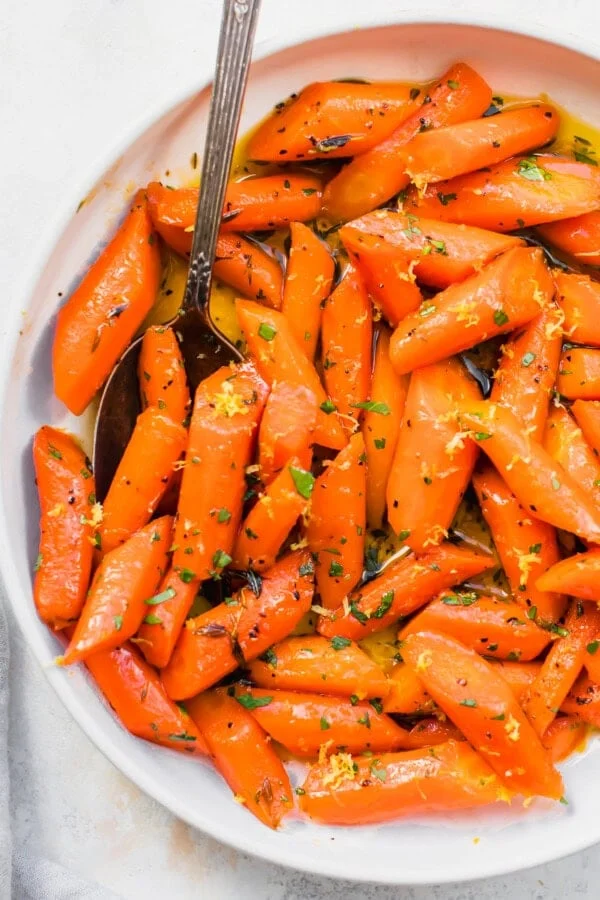
The culinary landscape continually seeks dishes that balance simplicity, flavor, and versatility, and the stovetop honey butter glazed carrots recipe emerges as a prime example of this enduring appeal. This preparation method delivers tender, lightly sweet carrots, making them an ideal accompaniment for significant holiday gatherings such as Easter and Thanksgiving, as well as a practical option for routine weeknight meals. Its efficiency and delicious outcome underscore its growing popularity among home cooks aiming for convenience without compromising taste.

The core appeal of these glazed carrots lies in their straightforward stovetop preparation, which bypasses the often-overburdened oven during holiday cooking. By simmering carrots gently with butter, honey, and a hint of thyme for approximately 20 minutes, the dish achieves a desirable tender texture and a glossy, sweet coating. A finishing touch of fresh parsley and lemon zest introduces a bright counterpoint, elevating the overall flavor profile. This method stands in contrast to oven-roasted carrots, which caramelize to develop deeper, crispier edges, offering a distinct alternative for those who prefer a softer, more uniformly glazed vegetable.
The Enduring Legacy of Glazed Carrots: A Culinary Perspective
The tradition of glazing vegetables, particularly carrots, has deep roots in culinary history, spanning centuries and various cultures. Carrots, originally cultivated for medicinal purposes and later as a staple food, have undergone significant transformations in their culinary application. Ancient civilizations recognized their natural sweetness, which became a focal point in cooking techniques. The practice of enhancing vegetables with butter and sweeteners gained prominence in European cuisines, particularly during periods when sugar and honey became more accessible. Glazing served not only to improve flavor but also to preserve and present vegetables in an appealing manner, often signifying a dish of quality and care.

In modern Western cuisine, glazed carrots have solidified their place as a classic side dish, especially during festive seasons. Their vibrant color adds visual appeal to a spread, while their sweet profile complements a wide array of savory main courses, from roasted meats to poultry and fish. The historical evolution of this dish reflects a continuous human endeavor to transform simple ingredients into delightful culinary experiences, aligning with seasonal availability and evolving tastes. The current recipe for stovetop honey butter glazed carrots is a contemporary iteration of this long-standing tradition, adapted for modern kitchens and busy lifestyles.
Recipe Mechanics and Methodological Efficacy
The success of this particular honey-glazed carrot recipe can be attributed to several key factors that make it a reliable and effective choice for various dining occasions. The balance of sweet and savory notes is expertly struck, preventing the dish from becoming overly saccharine. This delicate equilibrium ensures that the carrots can pair harmoniously with a diverse range of main courses, from robust roasts to lighter proteins such.

A primary advantage of this recipe is its minimal reliance on the oven. During peak holiday cooking, oven space is often at a premium, with multiple dishes vying for heat and timing. The stovetop method alleviates this logistical challenge, allowing cooks to prepare a substantial and elegant side dish without monopolizing critical oven real estate. This makes it an invaluable asset for hosts managing complex meal preparations. The cooking process itself is rapid, requiring only about 20 minutes of active cooking time, which is particularly beneficial for those seeking efficient meal solutions. The gentle simmering action on the stovetop ensures that the carrots cook evenly, retaining their moisture and achieving a consistently tender texture, which is a hallmark of well-prepared glazed carrots. The addition of fresh herbs like thyme infuses an earthy aroma that complements the sweetness of honey and richness of butter, while the final flourish of parsley and lemon zest provides a crucial acidic lift, cutting through the sweetness and adding a refreshing brightness.
Nutritional Analysis and Dietary Adaptability
Carrots are widely recognized for their robust nutritional profile, making them a healthy addition to any diet. They are an excellent source of beta-carotene, which the body converts into Vitamin A, essential for vision, immune function, and skin health. Additionally, carrots provide significant amounts of Vitamin K1, important for blood clotting and bone health, and Vitamin C, an antioxidant that supports the immune system. They are also a good source of dietary fiber, contributing to digestive health and satiety.

The inclusion of honey and butter, while contributing to the dish’s irresistible flavor and glossy texture, also adds to its caloric and fat content. According to the provided nutritional data, a 3/4 cup serving of these honey butter glazed carrots contains approximately 138.5 kcal, 20.5 grams of carbohydrates, 1.5 grams of protein, and 6.5 grams of fat, with 3 grams of saturated fat and 10 mg of cholesterol. It also provides 4.5 grams of fiber and 13 grams of sugar. This data positions the dish as a moderately caloric side, with a notable contribution from carbohydrates and fats.
For individuals monitoring their sugar intake, mindful adjustments can be made. For instance, reducing the amount of honey or substituting a portion with a sugar-free alternative could lower the overall sugar content. Similarly, using a lighter butter or a butter substitute can decrease saturated fat. The recipe’s adaptability allows for customization to fit various dietary preferences and health goals without significantly compromising the core flavors. For those with dairy sensitivities, plant-based butter alternatives can be seamlessly incorporated, maintaining the rich texture.

Culinary Observations and Consumer Preferences
Culinary experts and home cooks alike often highlight the practical benefits and appealing characteristics of stovetop glazed carrots. The convenience factor is frequently cited as a major draw, particularly in an era where consumers are increasingly seeking time-saving culinary solutions that do not sacrifice quality or taste. The ability to prepare a festive-worthy side dish in approximately 20 minutes without engaging the oven addresses a common pain point for many busy individuals.
Food critics often appreciate the careful balance of flavors achieved in this recipe. The natural sweetness of the carrots is enhanced, not masked, by the honey, while the butter provides a luxurious mouthfeel. The fresh herbs and citrus zest are not merely garnishes; they are integral components that lift the dish from simple to sophisticated. This thoughtful layering of flavors contributes to its broad appeal, satisfying both traditional palates and those seeking a touch of brightness.

Furthermore, the versatility of glazed carrots in pairing with diverse main courses is a consistent point of praise. Culinary commentators note that the dish’s sweet and savory profile makes it an excellent complement to a wide range of proteins, including roasted chicken, pan-seared salmon, slow-cooked pork, and even vegetarian main dishes like lentil loaves or substantial grain bowls. This adaptability ensures that the recipe remains relevant across various meal plans and dietary preferences, making it a reliable choice for any menu. The "Skinnytaste" platform, known for its focus on balanced and approachable recipes, aligns with broader consumer trends favoring healthier, yet still indulgent, options. This recipe embodies that philosophy by offering a classic comfort food in a prepared manner that allows for portion control and ingredient awareness.
Implementation: Make-Ahead Strategies and Varietal Explorations
The practical implications of this recipe extend to its make-ahead potential and adaptability, offering significant advantages for meal planning and large-scale entertaining. To prepare in advance, the carrots can be cooked and glazed up to two days prior to serving. They should be stored in an airtight container in the refrigerator. When ready to serve, gently reheat them on the stovetop over low heat, adding a splash of water or broth if needed to restore moisture and the glossy glaze. This make-ahead capability significantly reduces last-minute stress during holiday preparations, allowing hosts to focus on other elements of their meal.

The recipe also invites creative variations, demonstrating its flexibility. While standard orange carrots are common, exploring different varieties such as rainbow carrots can add visual interest and subtle flavor nuances. Different herbs can also be introduced; rosemary, sage, or a blend of Italian herbs can offer alternative aromatic profiles to the thyme. For a spicier kick, a pinch of red pepper flakes can be incorporated during the simmering phase. Citrus notes can be amplified by using orange zest in addition to or instead of lemon. These variations allow cooks to tailor the dish to specific preferences or to complement particular main courses, ensuring that the recipe remains fresh and exciting with each iteration.
Comparing the stovetop method to oven-roasting, as suggested by the recipe’s origin, reveals a choice between two distinct culinary outcomes. Oven-roasting encourages caramelization through direct, dry heat, resulting in a more intense, sometimes slightly bitter-sweet flavor and a firmer texture with crispy edges. The stovetop method, conversely, uses moist heat and gentle simmering, yielding a consistently tender carrot with a more uniform, delicate glaze. The choice between these methods often comes down to personal preference for texture and flavor intensity, as well as the practical consideration of oven availability.

Broader Culinary Impact and Accessibility
The enduring appeal of dishes like these honey butter glazed carrots speaks to a broader culinary trend: the search for accessible, comforting, and reliably delicious food. In a world increasingly saturated with complex gastronomic techniques and exotic ingredients, the simplicity and familiarity of a well-executed classic side dish hold significant value. This recipe, rooted in traditional flavors and straightforward methods, provides a touchstone for home cooks of all skill levels.
The emphasis on stovetop preparation further highlights a shift towards more flexible cooking methods that accommodate modern lifestyles. Not only does it free up oven space, but it also allows for quicker adjustments and greater control over the cooking process, appealing to those who prefer a hands-on approach. The blend of sweet and savory, the tender texture, and the vibrant presentation ensure that this dish continues to be a cherished component of family meals and festive celebrations, reinforcing its status as a timeless culinary staple. Its ease of preparation, nutritional benefits, and adaptable nature ensure its continued relevance in contemporary kitchens, providing a consistent source of delight for diners.
