
Your large kitchen appliances are the workhorses of your home, taking on all the heavy-duty tasks. They’re designed to be sturdy and long-lasting, which is why they’re a significant upfront investment. The issue is that when they do break down, they can be just as costly to fix. Dishwashers fall into this category, and if you have water escaping, your first thought is probably to call in a plumber. Before you reach for the phone, there are some things you can investigate first.
In an exclusive interview with Chowhound, Chuck Pound, virtual plumbing expert at American Home Shield, explained that not every leak needs professional attention. It can be a simple matter of giving things a good cleaning or getting a replacement part, but safety is still paramount when you’re attempting a fix on your own. "Never touch anything under the dishwasher while it’s running," said Pound. "Some parts carry electricity and could be dangerous." Anything that involves the electrics of the machine will require an expert. But ruling out some of the easier fixes first can help save you money on that call-out fee.
The average cost of a professional plumbing repair for a dishwasher can range from $150 to $300, according to HomeAdvisor, not including the cost of any necessary parts. By addressing common issues proactively, homeowners can potentially avoid these expenses and extend the lifespan of their appliances.
The Importance of Regular Maintenance
Dishwashers, like any complex mechanical appliance, benefit greatly from consistent maintenance. Neglecting routine upkeep can lead to a cascade of minor issues that, if left unaddressed, escalate into more significant and costly problems. Leaks are a prime example, often stemming from accumulated debris or minor misalignments that a homeowner can rectify with a bit of know-how and diligence.
The U.S. Department of Energy estimates that a typical dishwasher uses about 3-5 gallons of water per cycle, significantly less than handwashing. However, a malfunctioning dishwasher can waste considerably more water through leaks, leading to increased utility bills and potential water damage to flooring and cabinetry.
Addressing Common Leaks: A Step-by-Step Guide
Clean the Filter: The First Line of Defense
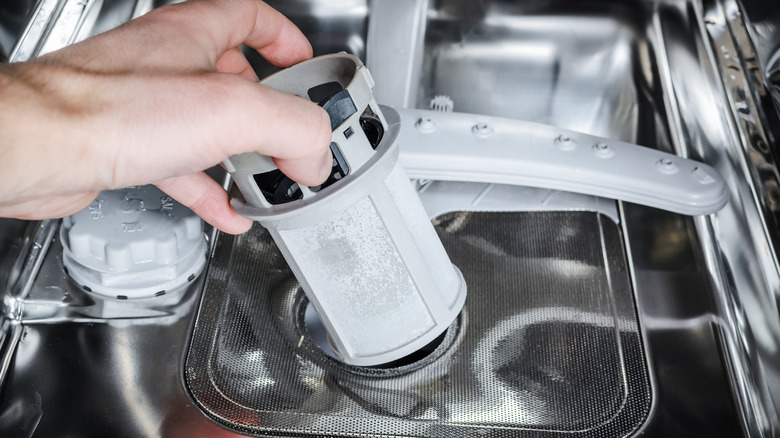
When it comes to simple fixes, cleaning out the dishwasher filter should be at the top of your list. Not just because it’s a common cause of leaks, but it’s a task you should be doing regularly anyway. The filter is there to prevent all kinds of food residue from ending up in the plumbing, which is ideal for preventing blockages in the pipes, but can lead to a smelly dishwasher if it’s not cleaned out.
Too long between cleans and you might find that the water won’t flow through efficiently, resulting in pooling in the bottom of the appliance that can eventually leak onto the floor. Cleaning the filter is, fortunately, a very simple task. It’s located at the bottom of the dishwasher (check your manual if you don’t see it), and it’s just a matter of unscrewing or unlocking it.
The bulk of the debris should come off by running the filter under the faucet, but any stubborn particles can be removed with a soft brush and dish soap. As you’re cleaning the filter, you can also check for damage. A cracked filter can allow larger pieces of food through and clog the machine. Any pieces that come loose can also damage the dishwasher if they get caught in the cleaning cycle. Experts recommend cleaning the dishwasher filter at least once a month, or more frequently if you notice a decrease in cleaning performance or an unusual odor.
Level the Dishwasher: Ensuring Proper Drainage
Believe it or not, a simple matter of the way the dishwasher has been installed can lead to overflow. Even if there are no cracks or broken parts, when a machine sits at an angle, it can prevent water from draining correctly. "An uneven unit can cause water to pool and leak," said Chuck Pound.
To check the alignment of the dishwasher, you’ll need a level. A measuring tape will only tell you if it’s even with the floor, which is no help if your floors are uneven in the first place. Most modern dishwashers come with adjustable leveling legs at the front and sometimes the back.
Once you determine that the machine needs adjusting, you’ll most likely need to remove the kick plate at the front to get to the leveling legs. Depending on the model, you’ll need to adjust these with a screwdriver or a wrench. Check again with the level and continue the adjustments until the unit is perfectly level.
With the movement of the heavy cleaning cycle, regularly slamming the door, or loading your dishwasher unevenly, the level of the machine can become uneven again over time. It’s worth checking from time to time to prevent leakage before it happens. A study by the National Association of Home Builders found that uneven appliances can lead to premature wear and tear on components.
Check the Spray Arms: Directing Water Precisely
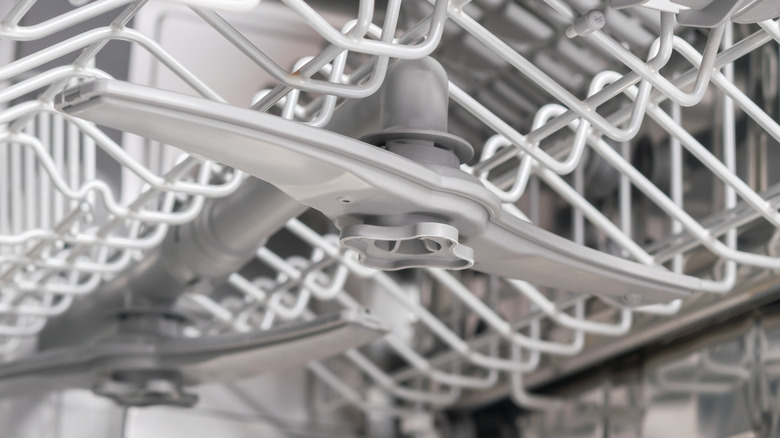
Though the spray arms are already essentially leaking water into your machine, it’s with a very specific trajectory. If the spray arms become cracked or the holes become blocked, the water is now heading off into corners of the appliance it’s not meant to go, and can end up leaking out.
To give the spray arms a thorough inspection, they’ll need to be removed from the appliance, which is generally just a matter of unclipping or twisting them. Check the arms carefully for cracks in the plastic. If they are broken, the only option is to replace them. Replacement spray arms are typically available from appliance manufacturers and can cost between $20 and $50.
If there are no signs of breakage, you can proceed with cleaning. First, clear any blocked holes with a toothpick or paper clip, then leave the arm to soak in a solution of vinegar and water. This will help dissolve any build-up on the inside of the arms. Rinse well before you reattach it to the dishwasher. Cleaning the spray arms is a dishwasher maintenance task that’s easy to overlook, but one that will improve the performance and longevity of the machine. A little extra time once a month could save you money in the long run. Blocked spray arms can also lead to inefficient cleaning, requiring repeat cycles and increased energy consumption.
Examining Critical Components for Leaks
Inspect the Door Seal and Latch: The First Barrier
Whether you have an entry-level dishwasher or a high-end model, the only thing stopping the water from coming out is the rubber seal around the door. So if anything is preventing this from working properly, it’s inevitable you’ll get a leak. Even a simple matter of food debris can get in the way of a watertight seal. So start with giving the rubber a good clean with a damp cloth, making sure you get into the creases. As you’re cleaning, check for any cracks in the gasket or sections where the rubber has become brittle. These are signs that the seal will need to be replaced.
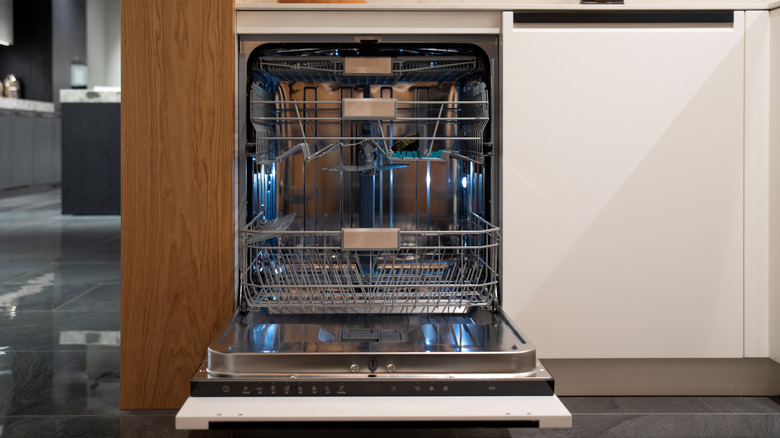
Replacing the gasket is a task you can do without a professional, but with a few things to keep in mind. Chuck Pound explained, "If you replace the door gasket but install it incorrectly – like putting it in backwards or not sealing it properly – it can actually cause more leaking than before." Although you can find generic gaskets available to fit your model, Pound advised sticking to original parts: "Aftermarket seals might not fit properly or could cause new leaks, which can lead to even more frustration down the line." The cost of a replacement door gasket typically ranges from $20 to $60, depending on the brand and model.
As you’re checking the gasket, you should also examine the latch that secures the door. If it’s loose or damaged, it will prevent the door from closing correctly. Sometimes it can just be a matter of tightening it up with a screwdriver, but in some cases the latch system will need to be replaced. A faulty latch can also trigger error codes on some smart dishwashers, indicating a potential issue.
Check the Supply and Drain Lines: The Water’s Pathway
This fix will require you to do some rummaging around under or behind the machine, so you must do it safely. As well as switching the power off, you need to be careful when shifting the machine. "Make sure the power cord, water inlet line, and drain hose are all long enough," cautioned Chuck Pound. "If they’re too short or get bent, you could end up with broken connections or even more leaks."
What you’re looking for are the two hoses that connect to the machine: one that delivers clean water into the dishwasher and the other that takes away the wastewater. If there is any dampness around the hose where it connects to the machine, this could be a simple case of a loose fitting, and tightening it up can remedy the problem. Hose clamps typically secure these connections and can be tightened with a screwdriver.
You’ll also want to inspect the hoses themselves for any damage or cracks, in which case they’ll need to be replaced. If you’re familiar with plumbing basics, this is something that you can do yourself. Just make sure you have the correct replacement parts and your user manual handy. A replacement water inlet hose can cost between $15 and $40, while a drain hose might be slightly more expensive.
When to Call a Professional
While many common dishwasher leaks can be resolved with simple DIY fixes, there are instances where professional intervention is necessary. If you’ve tried the above steps and the leak persists, or if you suspect a more complex internal issue, it’s time to contact a qualified appliance repair technician. Issues involving the pump, motor, heating element, or internal plumbing can be intricate and require specialized tools and expertise.
Furthermore, as Chuck Pound emphasized, any work involving the electrical components of the dishwasher should always be left to a professional. Attempting to repair electrical issues without the proper knowledge and safety precautions can lead to severe injury or damage to the appliance. The average cost for a professional dishwasher repair can range from $150 to $400, depending on the complexity of the problem and the cost of replacement parts.
By staying vigilant with maintenance and understanding when to tackle a problem yourself versus when to seek professional help, homeowners can ensure their dishwashers operate efficiently, prevent costly water damage, and extend the appliance’s operational life.
Disclaimer: Static Media owns and operates Tasting Table and Chowhound.
