
The age-old debate of how best to achieve that perfect char and smoky essence on your grilled fare has long divided culinary enthusiasts. Whether you are a novice griller just embarking on your outdoor cooking journey, an occasional weekend warrior, or a seasoned pitmaster, the question of fuel source—wood, charcoal, or gas—remains a pivotal one. Each method offers a distinct approach to heat generation and flavor infusion, leading to passionate arguments for their respective merits. To demystify these differences and ascertain what truly elevates the grilling experience, Tasting Table sought the expertise of world-renowned chef José Andrés.
Chef Andrés, a culinary luminary celebrated for his innovative Spanish cuisine and humanitarian efforts, is set to release his new cookbook, "Spain My Way," in May. His deep understanding of cooking techniques, honed through years of global culinary exploration, provides invaluable insight into the nuances of grilling with different fuel sources. "What you cook with is what you will taste!" Chef Andrés declared, emphasizing the direct impact of the fuel on the final flavor profile of the food. He articulated a clear distinction: "charcoal is for temperature, wood is for flavor—there is simply nothing like the sweet whisper of wood when you’re grilling." This statement immediately positions wood as a primary driver of nuanced taste, while charcoal is presented as a more foundational element for achieving desired cooking temperatures.
The choice of wood for grilling is not a trivial one; it is akin to selecting a spice or herb, each type imparting its unique aromatic signature. Chef Andrés highlighted this, explaining, "I love cooking with wood to add aromas and flavor—you can think of it as an ingredient." He further elaborated on the qualitative differences, noting, "To me, mesquite, it burns well but the aromas you’re getting from it aren’t always very nice, they can be harsh." In contrast, he advocates for cleaner-burning woods like oak, describing it as "a more neutral, clean-burning wood like oak is beautiful." For more delicate ingredients, such as fish, Chef Andrés recommends the subtle sweetness of fruit woods: "or when you’re cooking something delicate like fish, a sweet wood like cherry is nice." This granular approach to wood selection underscores the sophisticated flavor layering achievable with this method.
The Practicality and Pitfalls of Gas Grilling
While Chef Andrés unequivocally champions wood for its unparalleled flavor contributions, he acknowledges the practical advantages and specific applications of gas grilling. "I think there are a few advantages it has—while it is nowhere nearly as good an outcome as cooking over wood, a paella on a gas ring is perfectly acceptable," he stated. The ease of setup, precise temperature control, and the inherent separation between the flame and the food are key benefits. "It is much faster to set up, can control the heat and the flame, and the pan itself protects your food from the flavor of gas," he explained. This protection is crucial, as the direct exposure of food to gas flames is something Chef Andrés advises against.
His reservations about direct grilling over gas are rooted in the distinct, often undesirable, flavor imparted by propane. "What I don’t think you should be doing is cooking food directly over gas," he asserted. "I know it’s easier, and many, many people have gas grills, but the flavor you’re getting just doesn’t taste right. You get that flavor of propane, the bitter taste. That’s why cooking over embers is nearly always better." This sentiment echoes broader discussions about the compromises made with gas grilling. While it offers convenience, the authentic smoky depth derived from burning wood or charcoal remains elusive. Attempts to replicate this flavor through artificial means, such as liquid smoke or specialized seasonings, often fall short of the genuine article. The primary appeal of gas grills, therefore, lies in their speed and simplicity, offering less preparation and cleanup time, thus freeing up more time for social engagement and immediate enjoyment of the meal.
Mastering the Art of Charcoal and Wood Fire
Chef Andrés’ insights extend to the practical execution of grilling with wood and charcoal, emphasizing the critical role of properly prepared embers. He advises grillersto always work with hot embers that have developed after 20 to 30 minutes of burning wood or charcoal. This period allows the fuel to transition from active flame to a consistent, radiant heat source. "You always want to cook with the hot embers that you get after burning wood or charcoal for 20, 30 minutes. This is how you get a consistent, hot fire for grilling," he explained. The danger of cooking over "raw" charcoal is the uneven heat and potential for flare-ups, which can scorch food and impart an acrid taste.
Furthermore, any additions to the grill must also be embered before being introduced. "You don’t want to cook on ‘raw’ charcoal—always get it started ahead of time. If you need to add more, make sure it’s embered over before adding it to the grill," he instructed. This meticulous approach ensures a stable and controlled cooking environment, crucial for achieving optimal results. The common pitfalls of charcoal grilling often stem from a lack of understanding these fundamental principles, leading to inconsistent cooking and less desirable outcomes.
The comparative ease of use offered by gas grills often makes them a more accessible entry point for novice grillers. The learning curve is significantly gentler, as fewer variables need to be managed. However, as one progresses in their grilling journey, mastering charcoal and wood offers the potential for a more profound culinary experience. Understanding which woods are suitable for smoking and grilling, and which to avoid entirely due to undesirable flavor profiles or toxic properties, becomes a key skill. For instance, certain woods like pine can release bitter resins, while others might produce excessive creosote, negatively impacting the food. The ability to harness the primal heat of embers and infuse dishes with authentic smoky notes represents a higher echelon of grilling mastery.
Expert Preference: A Clear Verdict
When directly challenged on his preference between charcoal and gas, Chef Andrés’ answer was unequivocal: "Charcoal, no question." This decisive endorsement underscores his belief in the superior flavor and culinary potential offered by charcoal grilling, despite the added effort involved. While gas grills offer undeniable convenience, the nuanced flavor development and the primal satisfaction derived from cooking over glowing embers remain unmatched in his estimation.
Supporting Data and Broader Context
The debate over grilling fuels is not merely anecdotal; it is supported by scientific principles and consumer preference data. Wood, when burned, releases aromatic compounds such as guaiacol and syringol, which are responsible for the characteristic smoky flavor. Different wood species contain varying concentrations of these compounds, explaining why oak imparts a milder smoke than hickory or mesquite. Charcoal, typically made from hardwoods like oak, maple, or beech, undergoes a pyrolysis process that removes water and volatile compounds, leaving behind a nearly pure carbon fuel that burns hotter and cleaner than raw wood. This concentrated carbon provides intense, even heat, ideal for searing and high-temperature cooking.
Gas grills, primarily fueled by propane or natural gas, combust these hydrocarbons to produce heat. While efficient and controllable, the combustion byproducts do not inherently impart the complex aromatic molecules found in wood smoke. Consequently, the flavor profile is often described as "clean" but lacking the depth and character associated with traditional grilling methods.
Data from market research firms consistently show a significant market share for both gas and charcoal grills in North America. While gas grills often lead in unit sales due to their perceived ease of use and widespread availability, the charcoal grill segment remains robust, driven by enthusiasts who prioritize flavor and the grilling ritual. A 2022 report by Statista indicated that while gas grills hold a larger market share, the sales of charcoal grills have seen steady growth, suggesting a renewed appreciation for traditional methods among a segment of consumers. The average price point for a gas grill can range from $200 to over $1,000, while charcoal grills are generally more affordable, with many models available for under $100. This price difference also contributes to the accessibility of charcoal grilling for a broader demographic.
Implications for Home Cooks and Culinary Trends
The insights provided by Chef Andrés have significant implications for home cooks and the broader culinary landscape. For those seeking the ultimate flavor experience, investing time in mastering charcoal or wood grilling offers the most rewarding outcome. This involves understanding heat management, fuel preparation, and the impact of different wood types on various foods. For instance, a simple steak grilled over oak embers will possess a subtly different, yet distinct, flavor profile compared to one grilled over cherry wood.
The trend towards artisanal and craft foods has also influenced grilling. Consumers are increasingly seeking authentic culinary experiences, and the process of grilling over wood or charcoal aligns with this desire for provenance and tradition. This has led to a resurgence of interest in outdoor cooking as a hobby and a social activity, with an emphasis on the quality of ingredients and the methods used to prepare them.
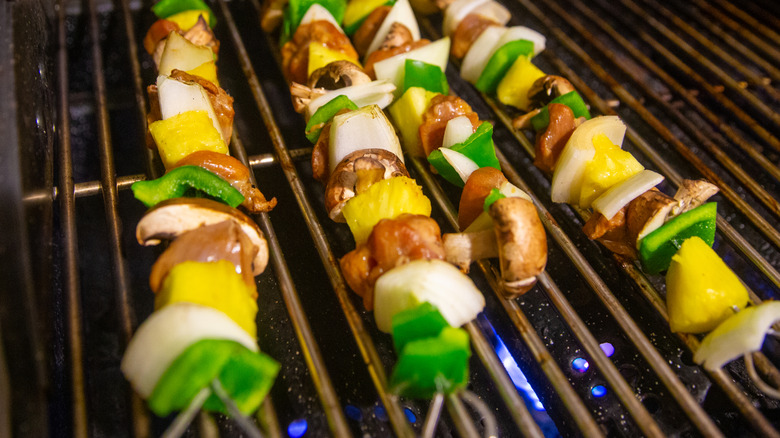
However, the undeniable convenience of gas grilling cannot be overlooked. For busy individuals and families, gas grills offer a practical solution for weeknight meals and spontaneous gatherings. The ability to preheat a grill in minutes and achieve consistent results with minimal fuss makes them an indispensable tool for many households. The key takeaway is that the "best" grilling method is ultimately subjective and depends on individual priorities—whether they lie in unparalleled flavor, convenience, or a balance of both.
Chef Andrés’ perspective, rooted in decades of culinary practice and a deep respect for ingredients, offers a valuable framework for understanding these differences. His emphasis on wood for flavor and charcoal for temperature provides a clear, actionable guide for anyone looking to elevate their grilling game. As the culinary world continues to explore and refine traditional techniques, the debate between wood, charcoal, and gas will likely persist, reflecting the diverse approaches to achieving culinary excellence on the grill.
