
The Evolution of the Slow-Cooked Beef Tradition
The history of Italian beef is traditionally rooted in the culinary landscape of Chicago, where it emerged in the early 20th century as a "stretcher" meal during weddings and communal gatherings. The original professional preparation involved roasting lean cuts of beef in a highly seasoned broth containing garlic, oregano, and various spices, then slicing the meat paper-thin to serve on crusty French bread. However, the domestic version of the dish, such as Jane’s Crockpot Italian Beef, has undergone a significant transformation to accommodate the equipment available in the average home.

Unlike the professional deli-style beef, which requires industrial slicers and long roasting times, the slow-cooker version utilizes the braising method. This technique relies on low heat and moisture to break down the dense connective tissues found in chuck steak. The result is a "shredded" rather than "sliced" texture, which has become a staple of American comfort food. The transition from the oven to the electric slow cooker in the 1970s marked a turning point in how these meals were prepared, allowing the "set it and forget it" mentality to take hold in the domestic sphere.
Chronology of Slow Cooking Technology and Recipe Adaptation
The viability of recipes like Jane’s Crockpot Italian Beef is inextricably linked to the history of kitchen appliance innovation. To understand the current popularity of this dish, one must look at the timeline of the tools used to create it:

- 1936: The "Naxon Utilities Corporation" develops the first portable slow cooker, originally designed to cook cholent, a traditional Jewish bean stew.
- 1970: The Rival Company acquires Naxon and rebrands the device as the "Crock-Pot," marketing it specifically to working mothers who were entering the workforce in record numbers.
- 2010: The introduction of the Instant Pot by Robert Wang revolutionizes the field again, introducing electric pressure cooking to the masses. This allowed recipes that previously took eight hours to be completed in under 90 minutes.
- 2020-Present: The "Dump and Go" movement reaches its zenith on social media platforms, where recipes like Jane’s—requiring only meat, seasoning packets, and water—become viral sensations due to their accessibility.
The adaptation of Jane’s Crockpot Italian Beef for both the slow cooker and the Instant Pot reflects this technological progression. While the slow cooker requires 6 to 8 hours on a low setting to achieve tenderness, the pressure cooker achieves the same results by raising the boiling point of water, forcing moisture and seasoning into the muscle fibers of the beef at an accelerated rate.
Culinary Mechanics: The Science of the Chuck Steak
The selection of chuck steak for this recipe is a deliberate choice based on the muscle’s anatomical properties. The chuck comes from the shoulder and upper arm of the cow, a region that sees constant movement and weight-bearing. Consequently, it is rich in collagen and intramuscular fat, often referred to as marbling.

In a dry-heat environment, such as a grill, chuck steak remains tough and chewy. However, when subjected to the moist-heat environment of a slow cooker or pressure cooker, a chemical transformation occurs. At temperatures between 160°F and 180°F, the tough collagen fibers begin to denature and dissolve into gelatin. This gelatin coats the individual muscle fibers, providing the "succulent" mouthfeel associated with high-quality Italian beef.
The addition of the Italian dressing mix and onion soup mix provides a concentrated source of sodium, acidity, and umami. The vinegar and citric acid components in the Italian dressing mix act as mild tenderizers, while the dehydrated onions and beef bouillon in the soup mix create a complex flavor profile that mimics a long-simmered au jus without the need for fresh aromatics or a traditional mirepoix.

Supporting Data: Market Trends in Home Cooking
The popularity of simplified beef recipes is supported by broader economic and consumer data. According to market research, the global slow cooker market was valued at approximately $3.1 billion in 2022 and is projected to grow as consumers continue to prioritize home-cooked meals over expensive dining out.
Furthermore, beef consumption patterns indicate a rising interest in "value cuts." As the price of premium steaks (such as ribeye or tenderloin) increases, consumers are turning to chuck, brisket, and round roasts. Jane’s Crockpot Italian Beef addresses this economic reality by providing a high-flavor outcome for a lower-cost protein.

A 2023 survey of home cooks found that 68% of respondents prioritized "ease of preparation" over "gourmet techniques" for weeknight meals. The three-ingredient nature of this recipe—steak, seasoning, and water—aligns perfectly with this consumer preference. The "dump and go" method eliminates the need for browning the meat (the Maillard reaction), which, while traditionally recommended for flavor, is often skipped by busy home cooks to save time and reduce cleanup.
Analysis of the "Semi-Homemade" Culinary Shift
The reliance on pre-packaged seasoning mixes in Jane’s Crockpot Italian Beef highlights a significant shift in American culinary values. This "semi-homemade" approach, popularized by figures like Sandra Lee in the early 2000s, argues that the psychological and social benefits of a family meal outweigh the necessity of cooking every component from scratch.

From a nutritional and chemical perspective, these mixes provide a standardized flavor profile that is difficult to replicate with individual spices for an amateur cook. The onion soup mix provides a deep, caramelized onion flavor that would typically require 45 minutes of stovetop sautéing. The Italian dressing mix offers a specific balance of garlic, salt, and herbs that ensures consistency.
Critics of this method often point to high sodium levels and the presence of preservatives in dehydrated mixes. However, proponents argue that these recipes are a vital tool for food security and family cohesion. By lowering the barrier to entry for cooking a "roast dinner," more families are able to gather around the table, a practice that developmental psychologists link to better academic and social outcomes for children.

Broader Impact and Social Implications
The narrative surrounding Jane’s Crockpot Italian Beef—prepared before attending a church service and ready upon return—is a modern echo of the historical "Sunday Roast" tradition. In many cultures, the long-simmered meal served as a reward for a week of labor and a centerpiece for community.
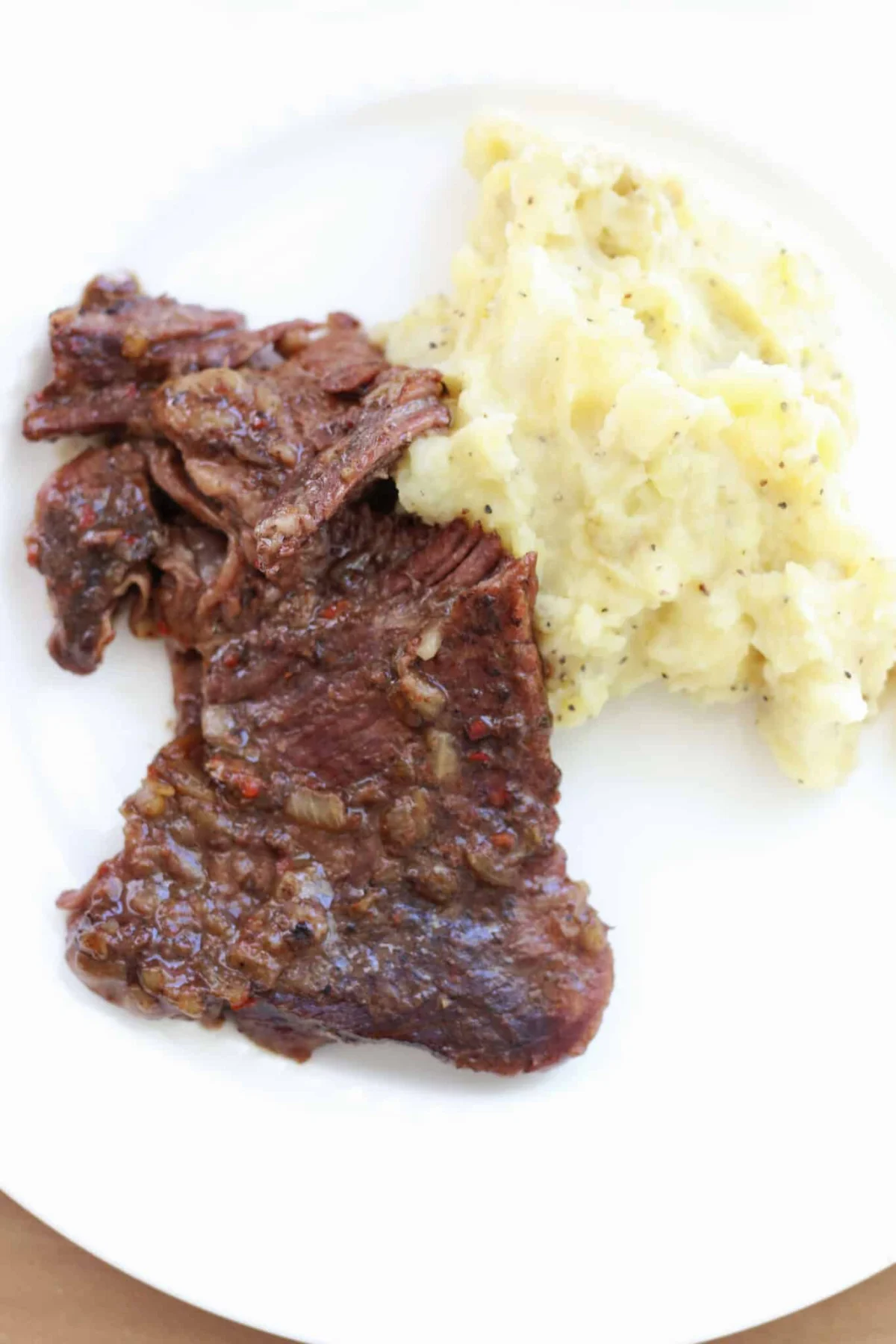
In the modern context, the "Instant Pot Mashed Potatoes" and corn served alongside the beef represent a streamlined version of the traditional "meat and three" meal structure. This efficiency is not merely about laziness; it is a response to "time poverty." As household members increasingly balance multiple jobs and extracurricular commitments, the ability of a kitchen appliance to act as a surrogate chef is a significant social equalizer.
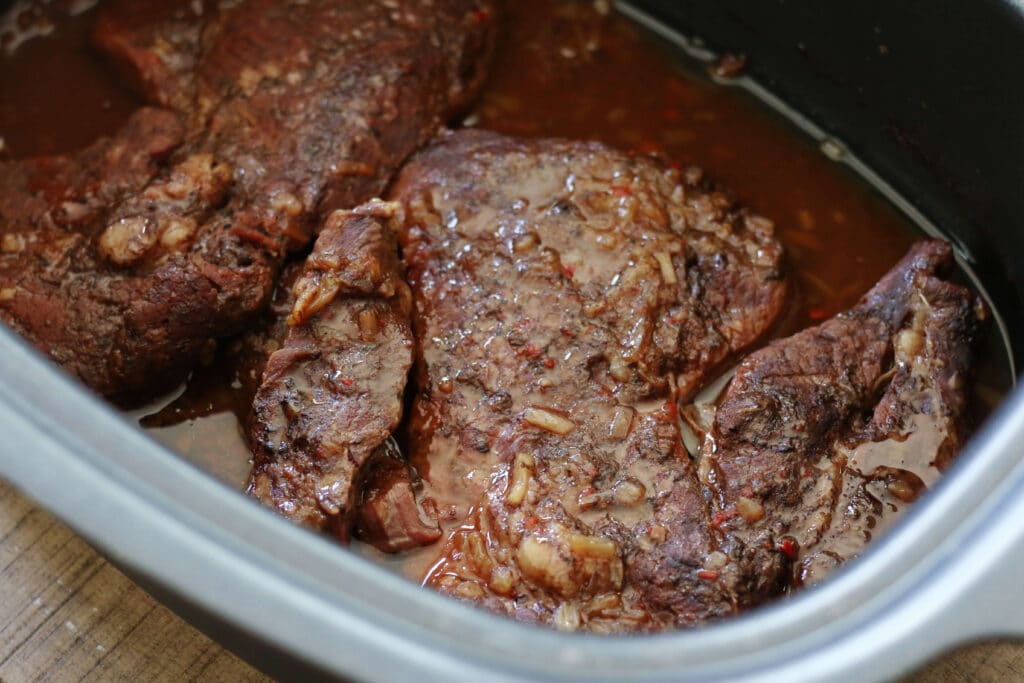
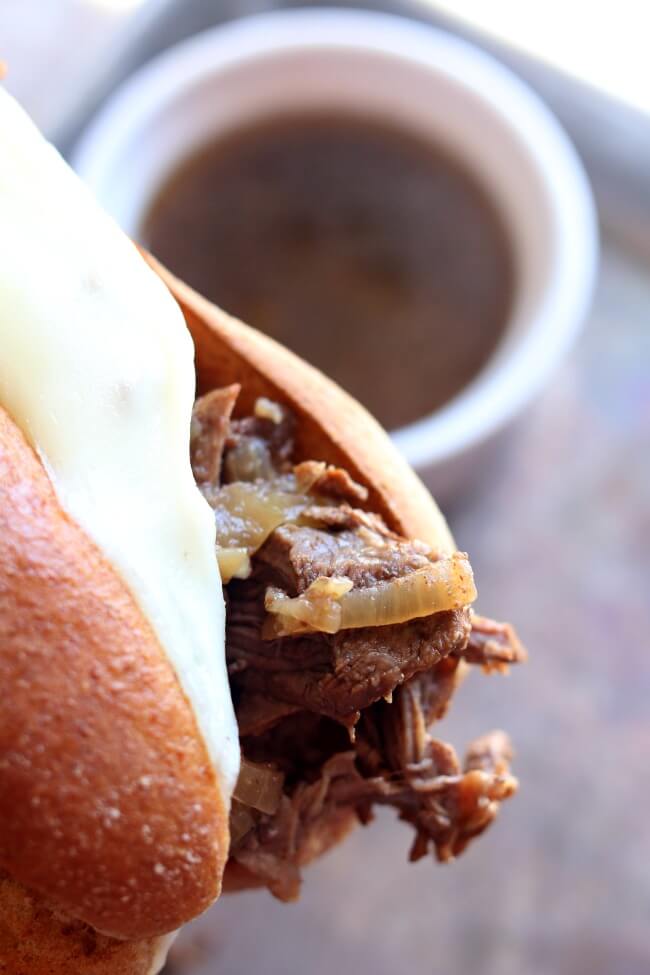
The reaction from consumers, as noted in various culinary forums, emphasizes the emotional relief provided by such recipes. Parents frequently report that the ability to provide a "classic Sunday dinner" that satisfies hungry children, without spending hours in the kitchen, reduces household stress. The "shredded beef" format is also highly versatile, allowing leftovers to be repurposed into sandwiches, tacos, or pasta toppings, further extending the economic value of the initial investment.
Future Outlook for Automated Home Cooking
As we look toward the future of domestic food preparation, recipes like Jane’s Crockpot Italian Beef are likely to remain a cornerstone of the American diet. The integration of "smart" slow cookers—which can be controlled via smartphone apps—will further enhance the "dump and go" model.
The enduring appeal of these meals lies in their reliability. While food trends may fluctuate toward the exotic or the highly technical, the fundamental human desire for a warm, savory, and tender protein-based meal remains constant. Jane’s recipe, by bridging the gap between the traditional Chicago Italian beef and the modern need for speed, secures its place in the contemporary culinary canon. It serves as a reminder that the most successful recipes are often those that understand the constraints of the cook as much as the palate of the diner.
