
Cocktails, by their very nature, exude an aura of sophistication. Served chilled, often in elegantly specific glassware, and imbued with the mystique of bygone eras, they represent a certain refined indulgence. In stark contrast, fast food is typically synonymous with convenience, affordability, and a more utilitarian approach to dining, often presented in disposable packaging. The juxtaposition of a Vesper martini, a libation steeped in espionage lore, with McDonald’s ubiquitous Filet-O-Fish sandwich presents a seemingly incongruous pairing. However, this unlikely culinary marriage, while perhaps initially perceived as audacious or even whimsical, possesses a surprising and undeniably delicious synergy, grounded in sound gastronomic principles. This particular combination exemplifies a long-standing tradition of harmonizing serious, often austere, cocktails with "unpretentious" or lower-brow food items, a practice that has seen a resurgence in contemporary culinary circles.
The Genesis of an Unconventional Pairing
The Vesper martini, immortalized in Ian Fleming’s 1953 James Bond novel, "Casino Royale," is a potent concoction comprising gin, vodka, and Lillet Blanc, a fortified wine. Its strength is balanced by a surprising smoothness, a citrusy brightness, and a clean, cool finish that proves remarkably effective in complementing salty, fried foods. The cocktail’s very name, derived from the Latin for evening, pays homage to Vesper Lynd, a pivotal character in the novel, and subtly evokes the imagery of the first star to appear in the twilight sky. This evocative nomenclature hints at a complexity that belies its simple composition, offering a sip that oscillates between the sharp clarity of a martini and the delicate floral notes of mid-century perfumery. Its assertive profile is robust enough to stand up to the robust flavors of a fast-food sandwich, while its subtle botanical undertones provide a welcome layer of nuance.
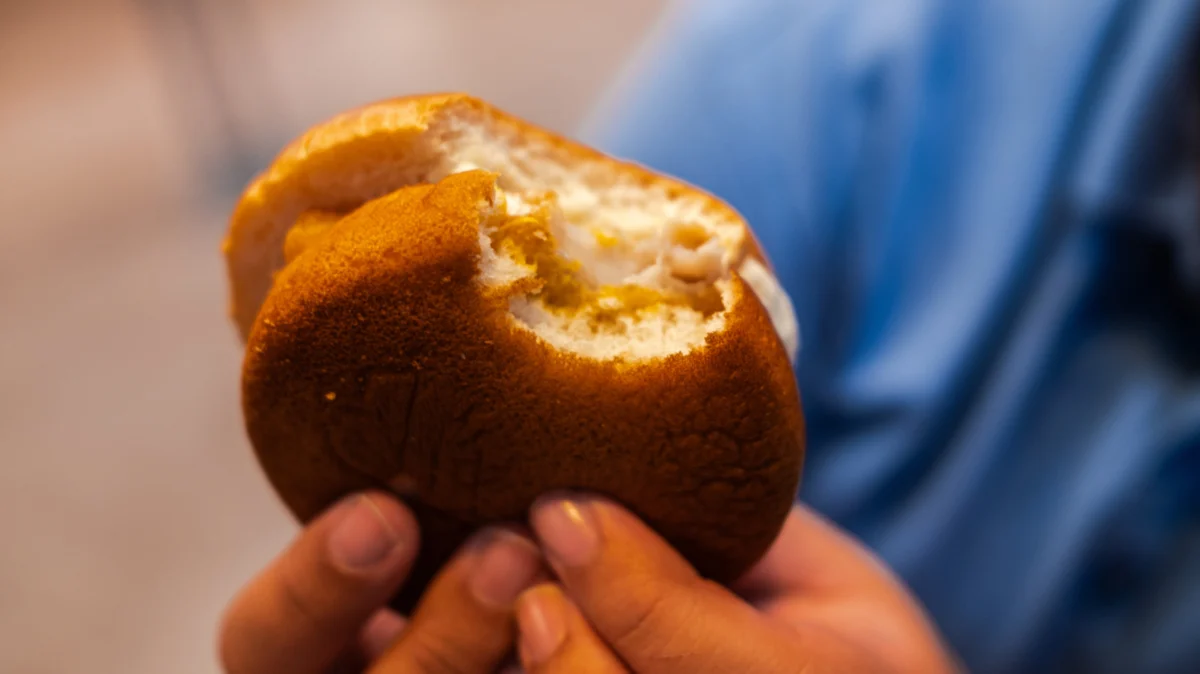
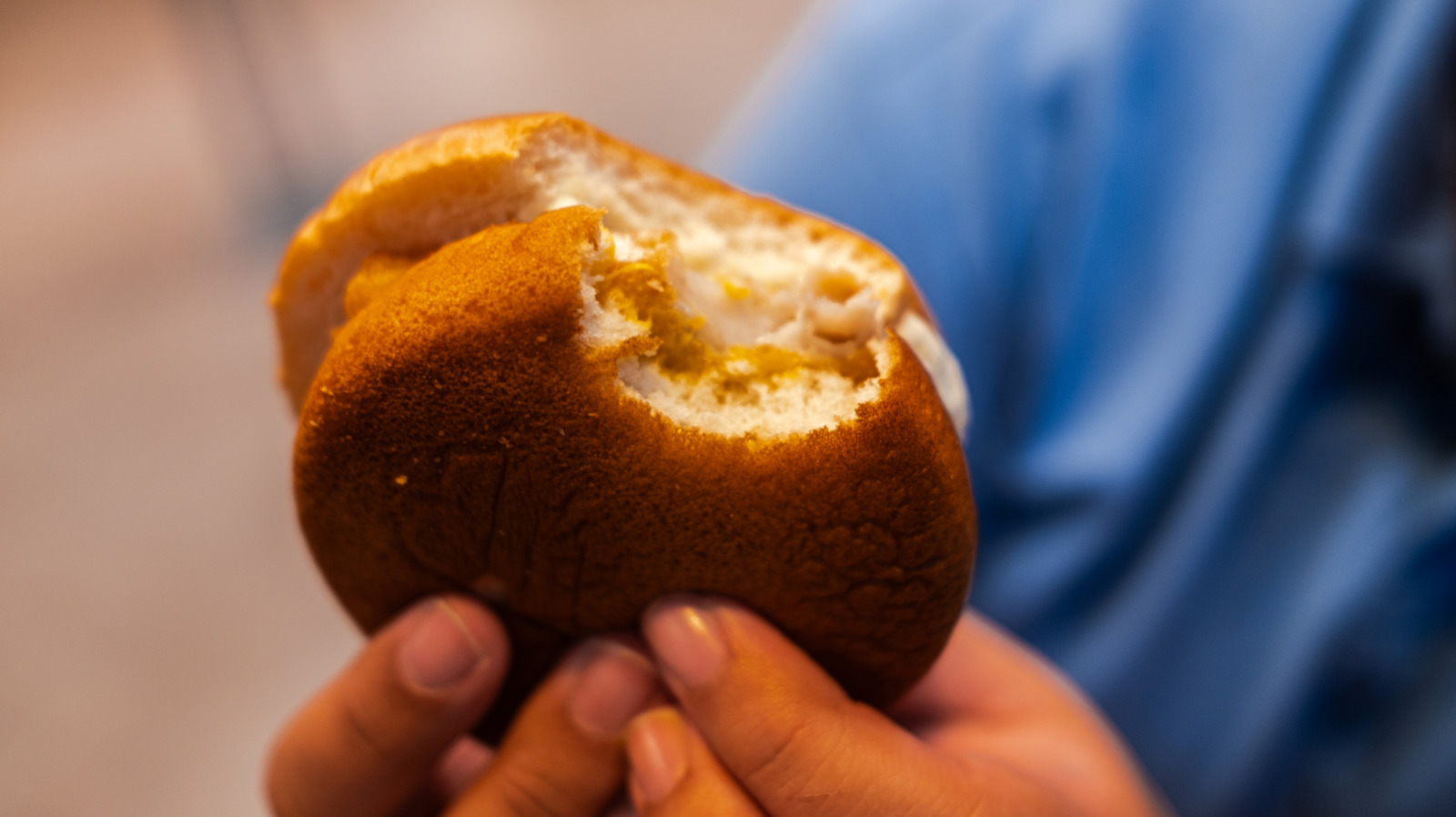
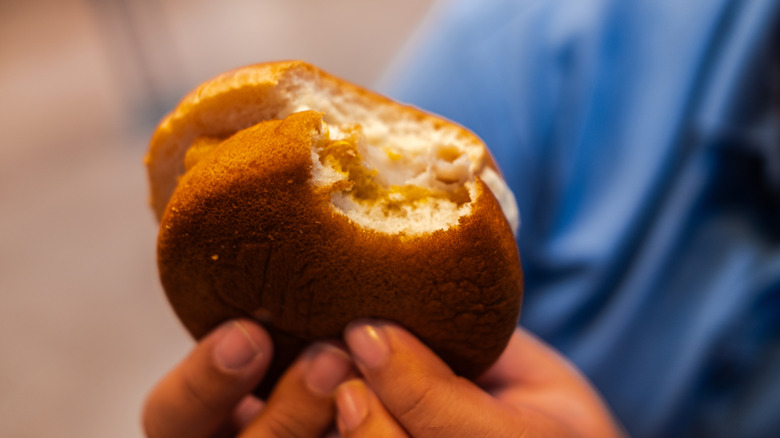
The Filet-O-Fish, a singular seafood offering from the McDonald’s menu, was first introduced in the early 1960s. Its inception was strategically timed to cater to Catholic patrons who abstained from meat on Fridays, particularly during the Lenten season. The sandwich’s construction features a breaded and deep-fried fillet of pollock (originally, the more premium and tender halibut), enveloped in a creamy tartar sauce and a slice of American cheese, all nestled within a steamed bun. While its presentation might be described as utilitarian, its flavor profile—a comforting blend of fried fish and tangy tartar sauce—holds a distinct appeal for many consumers, often evoking a sense of nostalgic satisfaction. The original intent was to provide a palatable option that adhered to religious dietary restrictions, a move that proved to be a significant market success, demonstrating McDonald’s adaptability to diverse consumer needs.
The Culinary Rationale: Salt, Fat, Acid, Heat, and Cold
The appeal of the Vesper and Filet-O-Fish pairing lies in a fundamental culinary principle: the interplay of contrasting yet complementary elements. The deep-fried fish, inherently oily and salty, finds a counterpoint in the tartar sauce, which, despite its creamy richness, offers a crucial element of acidity. The soft, subtly sweet bun provides a neutral base that allows these flavors to meld. The Vesper, in its characteristic cold, citrusy, and somewhat stoic demeanor, acts as a palate cleanser, its crispness effectively cutting through the richness of the sandwich and resetting the senses between bites. This dynamic is a sophisticated application of Samin Nosrat’s celebrated culinary framework of salt, fat, acid, and heat, augmented by the invigorating properties of a cold, clean, and boozy beverage. The herbal notes of the Lillet Blanc further enhance the experience, creating a surprisingly harmonious confluence of flavors.
This culinary logic is not an isolated phenomenon. Throughout gastronomic history, the pairing of high-end spirits with more accessible food has been a recurring theme. For instance, the pairing of oysters with Champagne, once a luxury reserved for the elite, is now a widely appreciated combination. Similarly, the practice of enjoying fine whiskies with artisanal cheeses demonstrates a similar appreciation for the way bold flavors can enhance one another. The Vesper and Filet-O-Fish pairing, while seemingly unconventional, taps into this same principle of creating a more complex and satisfying sensory experience through thoughtful contrast.
Navigating the Logistics: The Practicalities of an Improbable Pairing
The most immediate question that arises, once the culinary merit of this pairing is accepted, is its practical execution. Where does one ethically and practically consume such a combination? Does it involve discreetly bringing a cocktail shaker and a bag of ice into a McDonald’s establishment, perhaps seeking refuge in a restroom to assemble the libation? Or does one procure the sandwich to go, then dash to the nearest bar known for its Vesper offerings, hoping for a gracious acceptance of outside food? An alternative scenario might involve a more mobile approach: utilizing a portable cocktail shaker set, preparing the Vesper on the tailgate of a vehicle while witnessing a sunset, and enjoying the sandwich in tandem. These are the pragmatic considerations that emerge when the refined world of cocktail culture intersects with the immediacy of the drive-thru.
The logistical challenges underscore the inherent playful defiance of this pairing. It represents a conscious decision to blend the mass-produced with the meticulously crafted, the humble with the aspirational. It’s akin to wearing a tuxedo to a casual outdoor event – an act that signals a unique perspective and a willingness to subvert expectations. In an era often characterized by stress and uncertainty, embracing such juxtapositions can be a source of amusement and a way to find joy in the unexpected.
The Wider Implications: A New Frontier for "Fine Dining"
The Vesper-Filet-O-Fish combination opens a conceptual door to a broader spectrum of "high-low" culinary pairings. Consider the Big Mac, a monument to fast-food indulgence, potentially finding its ideal companion in a Manhattan. The inherent richness of beef, a natural affinity for whiskey, finds a sweet and complex echo in the red vermouth of a Manhattan, serving as a spiritual, spirituous counterpart to ketchup. The possibilities extend further: the savory crunch of fried chicken might be elevated by the effervescence of Champagne, while the vibrant, street-style essence of tacos could be perfectly complemented by a refreshing watermelon mezcal margarita.
The underlying principle remains consistent: pairing foods characterized by saltiness and greasiness with beverages that are cold, sharp, and capable of cutting through richness. This approach challenges the traditional definition of fine dining, suggesting that an elevated culinary experience is not solely dictated by the venue or the price point, but by the discerning palate’s ability to recognize and appreciate harmonious flavor combinations, regardless of their origin. It is an exercise in free will, a declaration that enjoyment can be found in the most unexpected of places.
The Art of the Vesper Martini: A Masterclass in Balance
The Vesper martini, when considered on its own, is a masterclass in understated elegance and potent simplicity. As a variation on the classic martini, it deviates from convention by incorporating a higher proportion of spirits. The traditional recipe calls for three parts gin, one part vodka, and half a part of Lillet Blanc, all stirred with ice until thoroughly chilled and served in a chilled glass, typically garnished with a lemon twist. This formulation results in a cocktail that is significantly more spirit-forward than a standard martini, which relies on the delicate balance of gin and vermouth.
The Lillet Blanc, technically an aromatized wine, shares characteristics with vermouth but contributes a distinct botanical complexity and a subtle sweetness. Despite the substantial alcohol content, the citrus peel and herbal notes inherent in the Lillet impart a remarkable smoothness to the finished drink. This smooth character makes the Vesper an unexpectedly compatible partner for briny, fried seafood. The preparation of the Filet-O-Fish, of course, remains a straightforward endeavor: a visit to a McDonald’s outlet suffices.
A Culinary Philosophy of Contrast
The Vesper and Filet-O-Fish pairing is more than just a novel culinary experiment; it is a philosophical statement about taste and perception. It suggests that "fine dining" is not an exclusive club with rigid entry requirements, but rather an accessible state of mind. It’s about the deliberate engagement of one’s senses, the exploration of contrasts, and the courage to embrace the unconventional. The act of enjoying a carefully crafted cocktail alongside a widely accessible fast-food item speaks to a modern sensibility that values experience and enjoyment above all else.

As one contemplates this peculiar yet perfect union, the image of the first evening star emerging in the sky—the very inspiration for the Vesper’s name—comes to mind. It is a reminder that beauty and sophistication can be found in both the grand and the humble, the meticulously planned and the serendipitous. Whether enjoyed at a picnic table under the stars or as a defiant act of culinary rebellion, the Vesper and Filet-O-Fish pairing offers a unique and memorable gastronomic adventure, proving that sometimes, the most delightful experiences are found where the least expected. The subtle tang of tartar sauce on a chilled martini glass, while perhaps unconventional, becomes a badge of honor, a testament to the joy of embracing the delightfully unexpected.
