
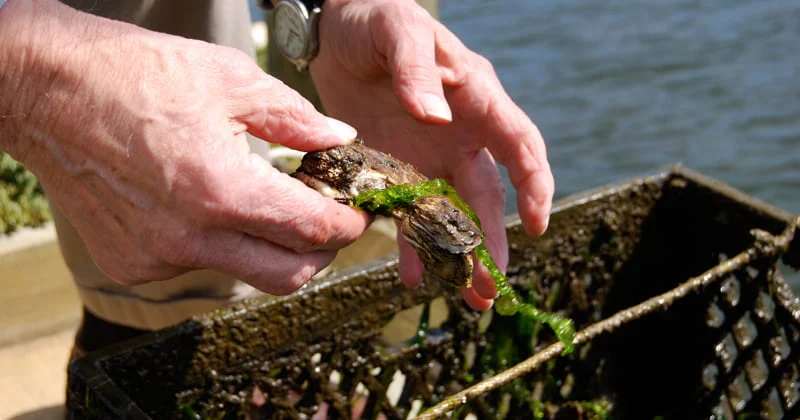
In an era of increasing public scrutiny regarding food sources and nutritional integrity, the Seafood Health Facts project has emerged as a cornerstone of evidence-based information, bridging the gap between complex scientific research and consumer understanding. This comprehensive initiative represents a strategic partnership between six of the nation’s leading research institutions: Oregon State University, Cornell University, the University of Delaware, the University of Rhode Island, the University of Florida, and the University of California. Working in tandem with the Community Seafood Initiative, these academic powerhouses have synthesized decades of data to provide a centralized resource for healthcare providers, industry professionals, and the general public.
The project’s foundation is built upon a sophisticated inter-agency funding model that underscores the national importance of seafood literacy. Initial support was channeled through the National Aquaculture Extension Initiative of the National Sea Grant Program, a division of the National Oceanic and Atmospheric Administration (NOAA) within the U.S. Department of Commerce. This was further bolstered by the National Integrated Food Safety Initiative of the National Institute of Food and Agriculture, an arm of the U.S. Department of Agriculture (USDA). By leveraging the resources of both the Department of Commerce and the Department of Agriculture, the initiative ensures a holistic approach to seafood that encompasses both economic development and public health safety.
The Multi-Institutional Framework for Seafood Literacy
The geographic diversity of the participating universities—spanning from the Pacific Northwest to the Atlantic Coast and the Gulf of Mexico—allows the Seafood Health Facts project to address a wide array of regional and national issues. Each institution brings a specific expertise to the collective. Oregon State University and the University of California offer deep insights into Pacific fisheries and sustainable aquaculture practices, while Cornell University and the University of Delaware contribute significant research in food science and coastal resource management. The University of Rhode Island and the University of Florida provide critical data on North Atlantic and tropical marine ecosystems, respectively.
This collaborative structure is designed to combat the "seafood dilemma," a term often used to describe the conflicting information consumers receive regarding the benefits of omega-3 fatty acids versus the risks of environmental contaminants like mercury or polychlorinated biphenyls (PCBs). By pooling the intellectual capital of these universities, the project provides a unified voice that filters through the noise of contradictory headlines, offering a balanced perspective rooted in peer-reviewed science.
Historical Timeline and Funding Milestones
The trajectory of the Seafood Health Facts project is marked by significant federal investments that reflect shifting national priorities in food safety and aquaculture. The timeline of development is rooted in two primary legislative and grant-based frameworks:
- The 2007 Foundation (Grant No. 2007-51110-03815): The initiative received early momentum through the National Integrated Food Safety Initiative. This grant focused on the fundamental aspects of seafood safety, including the management of pathogens and the establishment of rigorous processing standards. During this period, the USDA prioritized the reduction of foodborne illnesses through education and the implementation of Hazard Analysis Critical Control Point (HACCP) protocols across the seafood supply chain.
- The 2013 Expansion (Grant No. NA13OAR4170203): As the focus shifted toward sustainable domestic production, the National Sea Grant Program provided funding via the National Aquaculture Extension Initiative. This phase marked a transition toward integrating health benefits with sustainable sourcing. It sought to educate the public on the role of aquaculture—the farming of fish, shellfish, and seaweed—as a viable and healthy alternative to wild-caught stocks, which face increasing pressure from global demand.
- Modern Integration: In the years following these initial grants, the project has evolved into a digital-first platform. It now serves as a dynamic repository that is updated as new dietary guidelines are released by the federal government, such as the quinquennial Dietary Guidelines for Americans.
Supporting Data: The Importance of Seafood in the American Diet
Data from the Centers for Disease Control and Prevention (CDC) and the Food and Drug Administration (FDA) highlight a significant "consumption gap" in the United States. While the Dietary Guidelines for Americans recommend that adults consume at least 8 ounces of a variety of seafood per week, the average American consumes significantly less. The Seafood Health Facts project addresses this by highlighting the following data-driven benefits:
- Cardiovascular Health: Clinical studies consistently show that the EPA and DHA fatty acids found in seafood reduce the risk of heart disease, the leading cause of death in the United States. Regular consumption is associated with lower triglyceride levels and improved heart rate variability.
- Neurodevelopment: Research supported by the participating universities emphasizes the role of seafood in maternal and child health. Adequate intake of omega-3s during pregnancy is linked to improved cognitive development and visual acuity in infants.
- Economic Impact: The U.S. seafood industry, including commercial fishing and aquaculture, supports over 1.2 million jobs and contributes billions of dollars to the national GDP. By increasing consumer confidence, the project indirectly supports the economic stability of coastal communities.
However, the data also necessitates a nuanced approach to risk. The project provides detailed charts on mercury levels in various species, helping vulnerable populations—such as pregnant women and young children—make informed choices that maximize nutritional intake while minimizing exposure to heavy metals.
Federal Oversight and Official Responses
The involvement of NOAA and the USDA represents a high-level commitment to food security and public health. According to statements historically associated with the National Sea Grant Program, the goal of such extension initiatives is to "translate research into practice." Extension agents work directly with local fishermen, processors, and retailers to ensure that the latest scientific findings are being applied on the ground.
Official responses from the USDA’s National Institute of Food and Agriculture emphasize that food safety is a shared responsibility. By funding the National Integrated Food Safety Initiative, the USDA aims to empower consumers with the knowledge to handle and prepare seafood safely at home, thereby reducing the incidence of foodborne infections which cost the U.S. economy billions annually in healthcare costs and lost productivity.
Furthermore, the Community Seafood Initiative, a key partner in this project, acts as a bridge between the academic world and the commercial sector. Their involvement ensures that the information provided is not only scientifically accurate but also practically applicable for small-to-medium-sized seafood enterprises that may lack the resources for independent research and development.
Strategic Implications for Public Health and Policy
The Seafood Health Facts project has broader implications for how public health information is disseminated in the digital age. By creating a "one-stop-shop" for seafood information, the participating universities have mitigated the risk of misinformation. This is particularly crucial as consumers increasingly turn to social media and non-verified sources for dietary advice.
From a policy perspective, the initiative aligns with the "One Health" approach, which recognizes that the health of people is closely connected to the health of animals and our shared environment. By promoting sustainable seafood, the project encourages environmental stewardship, which in turn ensures a long-term, healthy food supply. The collaborative nature of the project also serves as a model for future inter-disciplinary efforts in other sectors of the food industry, such as poultry or produce, where similar "dilemmas" regarding safety and nutrition exist.
Future Outlook and Sustainability of the Initiative
As the project moves forward, the focus is expected to shift toward the impacts of climate change on seafood safety and availability. Warming oceans and changing acidity levels are altering the habitats of many species, potentially affecting their nutritional profiles and the prevalence of certain toxins or pathogens. The ongoing partnership between Oregon State, Cornell, Delaware, Rhode Island, Florida, and California ensures that the U.S. remains at the forefront of monitoring these changes.
The digital infrastructure of the project, powered by WordPress and maintained through the continued dedication of these academic institutions, remains a vital tool. While the initial grants from NOAA and the USDA provided the necessary spark, the long-term sustainability of the initiative relies on the continued integration of seafood science into the broader curriculum of land-grant and sea-grant universities.
In conclusion, the Seafood Health Facts project stands as a testament to the power of institutional collaboration. By synthesizing the expertise of federal agencies, top-tier universities, and community organizations, it provides a rigorous, fact-based foundation for one of the most important components of the human diet. As the global population grows and the demand for protein increases, the role of such initiatives in ensuring a safe, sustainable, and healthy seafood supply will only become more critical. Through transparency and scientific integrity, the project continues to empower Americans to make informed decisions for their health and the health of the marine environment.
