
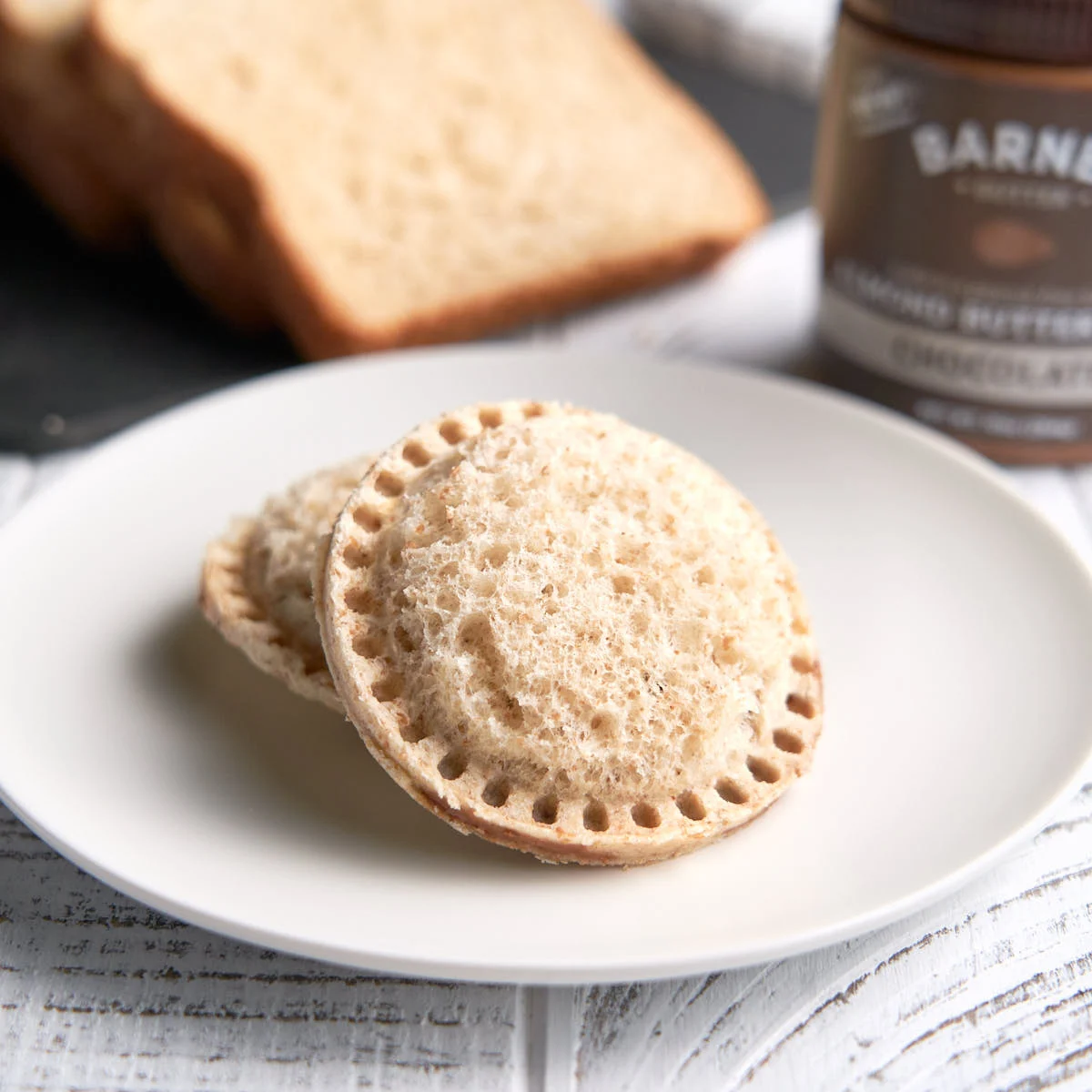
The creation of homemade chocolate uncrustables has gained significant traction, particularly among families seeking convenient and customizable snack options. This trend is amplified by the availability of specialized kitchen tools that mimic the sealed, crustless design of commercially produced uncrustables, offering a delightful alternative for breakfast or an afternoon snack. While the concept is simple – a sandwich with its crusts removed and edges sealed – the appeal lies in its portability, mess-free nature, and the ability to control ingredients.

The resurgence in popularity of homemade uncrustables can be linked to a broader culinary movement emphasizing nostalgic foods and accessible kitchen innovations. The market for sandwich makers and sealers has expanded, offering consumers various designs, from those that create the classic circular uncrustable to those that produce different shapes. This accessibility allows individuals to recreate popular store-bought items in their own kitchens, often with healthier ingredient choices.
A key component in crafting a superior homemade chocolate uncrustable is the choice of spread. While many associate the store-bought version with chocolate hazelnut spread, a growing number of home cooks are exploring alternatives. One highly recommended option gaining traction is Barney Butter’s Almond Butter with Chocolate. This product stands out for its smooth texture and a significantly lower sugar content compared to traditional chocolate hazelnut spreads. For instance, Barney Butter’s spread typically contains around 2 grams of added sugar per serving, a stark contrast to the approximately 21 grams found in many chocolate hazelnut spreads. This nutritional advantage makes it an appealing choice for parents and health-conscious individuals looking for a more balanced option.

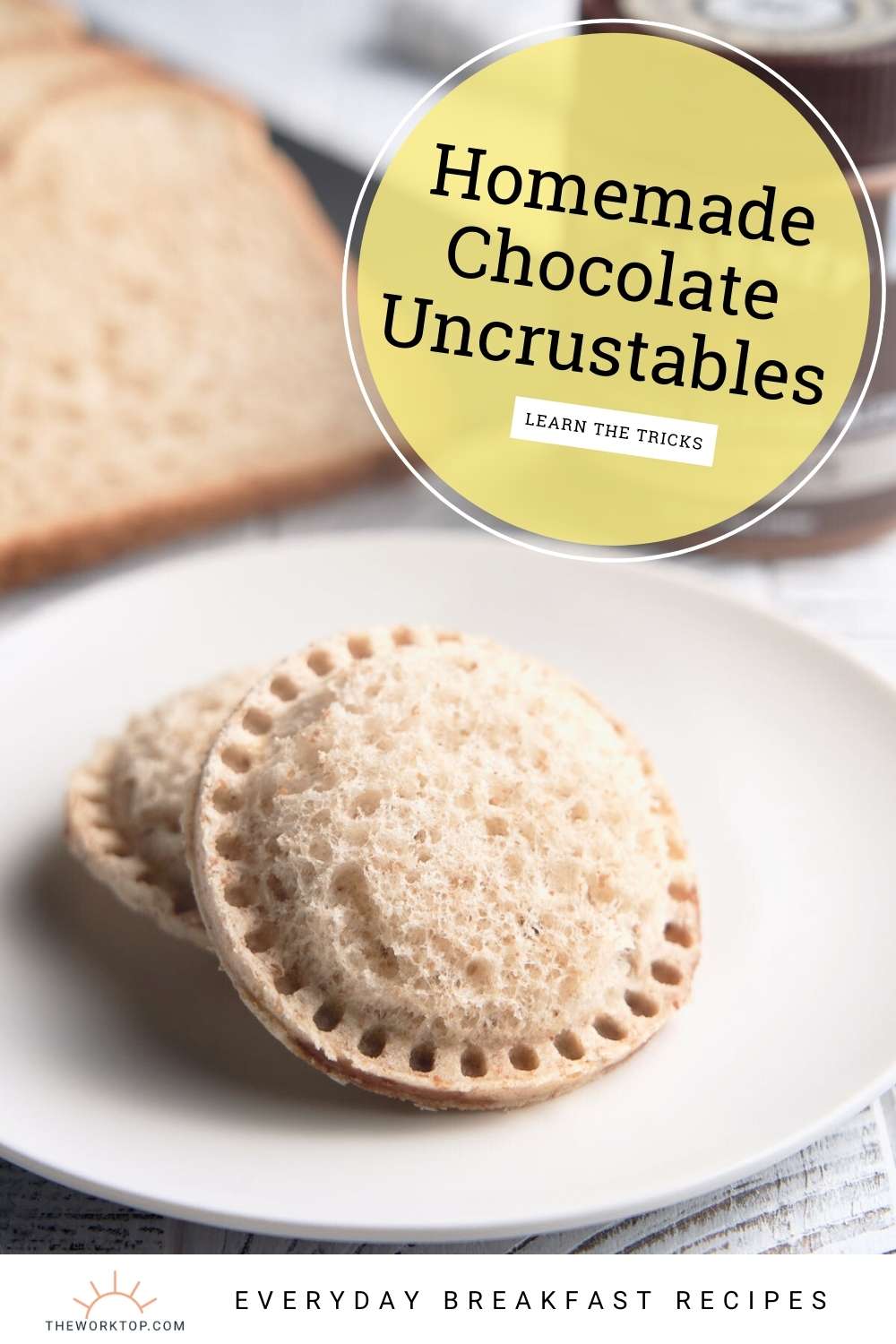
The process of making homemade uncrustables is remarkably straightforward, typically involving two primary steps when using a dedicated uncrustable maker. First, a circular cutter removes the crusts from the bread, creating a clean, uniform edge. Second, a sealing mechanism presses the edges of the two bread slices together, effectively encasing the filling and preventing leakage. This method ensures a consistently neat and portable product, ideal for lunchboxes or on-the-go consumption.
Choosing the right uncrustable maker is crucial for achieving the desired aesthetic. Numerous models are available on the market, each offering slightly different sealing patterns. Some makers produce a distinct crimped edge, closely resembling the original Smucker’s Uncrustables, while others may result in a more wavy or decorative seal. For those aiming for an authentic replication, selecting a maker that precisely mimics the classic design is paramount. Reviews and product descriptions often highlight these differences, guiding consumers towards the option that best suits their preferences.
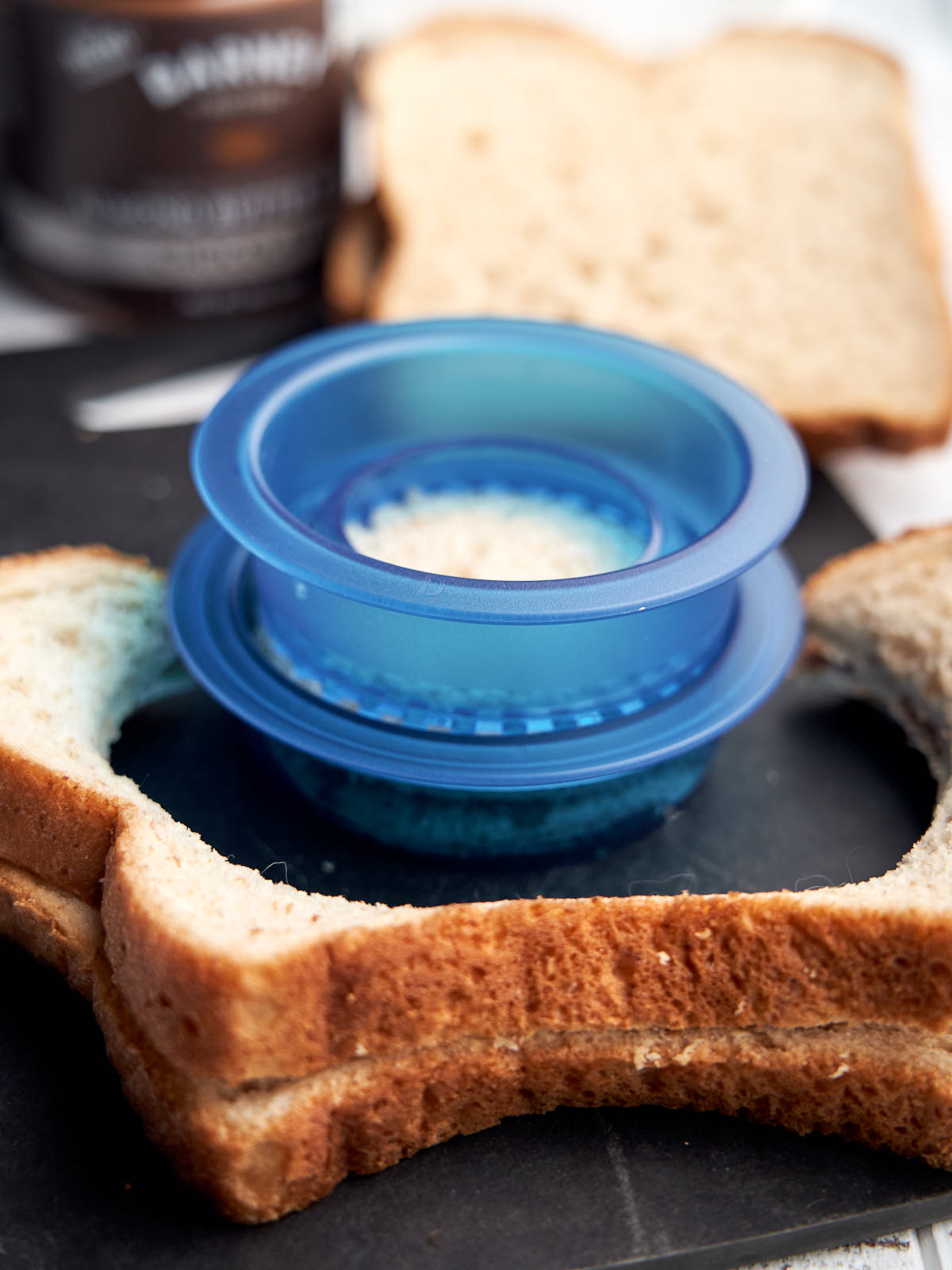
Beyond the specialized tools, the choice of bread plays a significant role in the success of homemade uncrustables. Soft, pliable breads are generally recommended as they are less likely to split or crack during the cutting and sealing process. Varieties like classic white bread or softer whole wheat options tend to yield the best results. Conversely, breads with a denser crumb or a particularly firm crust may not hold up as well, potentially leading to a compromised seal and a less appealing final product.
The filling technique is also a critical factor in preventing overflow. While it might be tempting to generously layer the chocolate spread, it’s advisable to keep the filling concentrated in the center of the bread. This prevents the spread from oozing out during the sealing process, ensuring a clean edge and a more aesthetically pleasing uncrustable. Overfilling can lead to the spread migrating to the sealed edge, compromising its integrity and appearance, as observed in some homemade attempts.
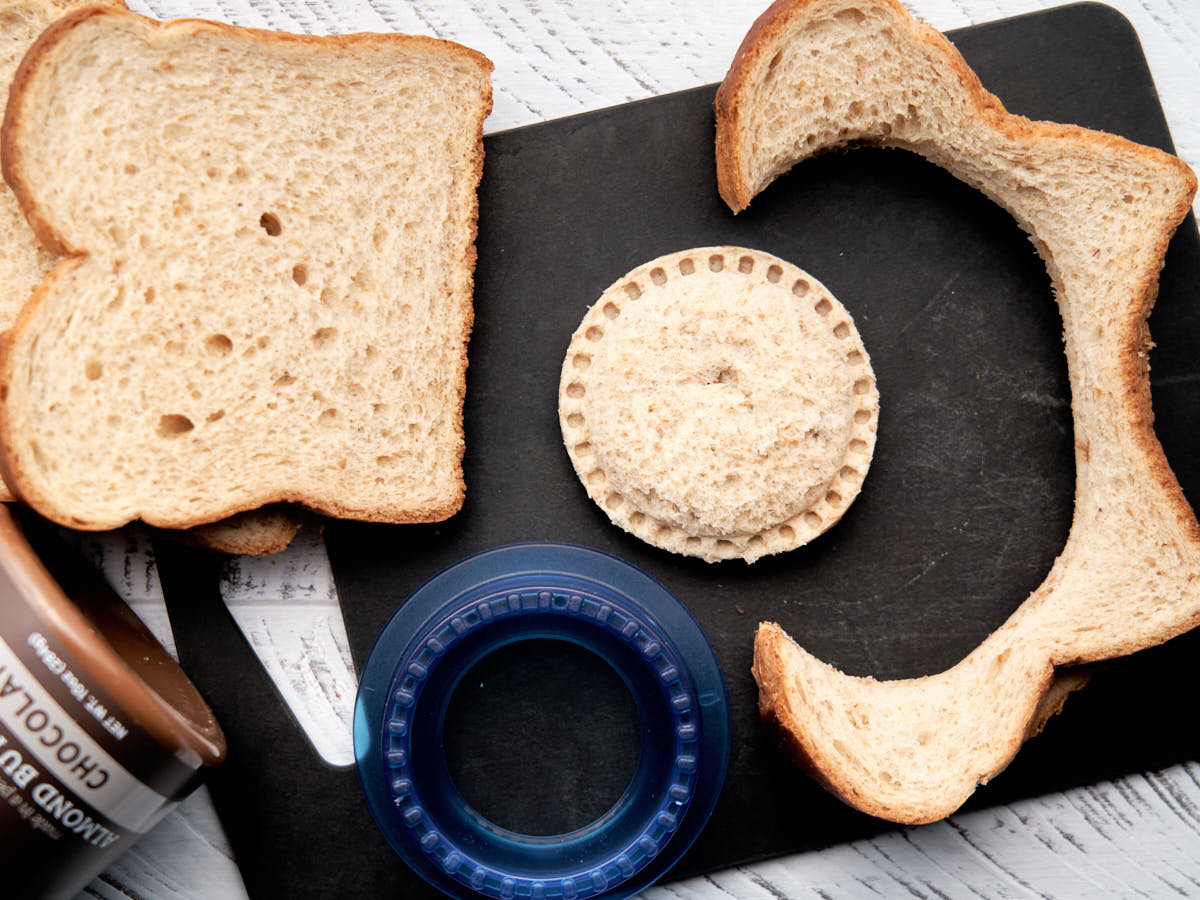
The popularity of uncrustables, both commercially and homemade, highlights a broader consumer trend towards convenience and controlled indulgence. The ability to replicate a beloved store-bought item at home, while also having the opportunity to enhance its nutritional profile, offers a compelling value proposition. This trend is further supported by the growing availability of specialty kitchen gadgets that simplify complex culinary tasks, making gourmet-style treats accessible to the average home cook.
The market for such gadgets has seen steady growth. For instance, the demand for sandwich sealers and crust cutters has seen a notable increase over the past five years, driven by social media trends and the desire for quick, family-friendly meal solutions. Online retail platforms showcase a wide array of these tools, with prices ranging from under $10 to over $30, depending on the material, design, and brand. This accessibility ensures that the creation of homemade uncrustables is an attainable endeavor for most households.
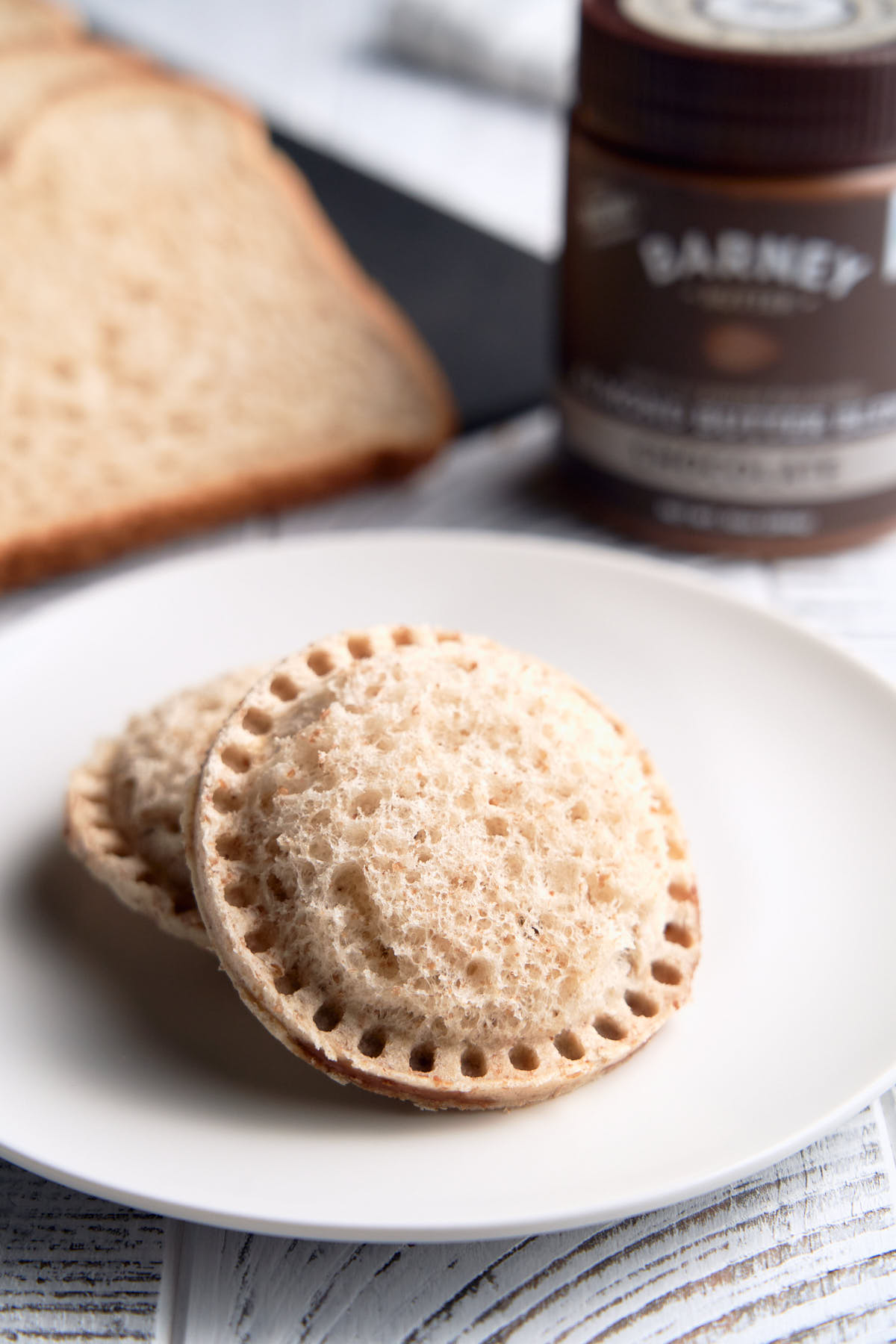
The nutritional aspect of homemade uncrustables also warrants consideration. While the store-bought versions are often lauded for their convenience, their nutritional content, particularly sugar and processed ingredients, can be a concern for some consumers. The ability to opt for healthier spreads, like the aforementioned almond butter with chocolate, or even to experiment with natural sweeteners and whole-grain breads, allows for a more health-conscious approach to this popular snack. For example, the difference in added sugar between a typical chocolate hazelnut spread and a natural almond butter-based alternative can be substantial, offering a tangible benefit for those monitoring their sugar intake.
The broader implications of the homemade uncrustable trend extend beyond simple food preparation. It speaks to a desire for greater control over one’s diet, a renewed appreciation for simple pleasures, and the empowering effect of mastering familiar foods in one’s own kitchen. This trend is indicative of a larger shift towards mindful consumption, where consumers are increasingly seeking transparency in ingredients and the ability to tailor their food choices to their specific needs and preferences.
Furthermore, the sharing of recipes and tips on platforms like blogs and social media fosters a sense of community among home cooks. This collaborative environment allows for the exchange of ideas, the refinement of techniques, and the collective discovery of innovative approaches to familiar foods. The detailed instructions and personal recommendations provided by enthusiasts aim to demystify the process, encouraging more individuals to venture into homemade food creation.
In conclusion, the homemade chocolate uncrustable represents more than just a simple sandwich. It embodies a culinary trend that prioritizes customization, health-consciousness, and the joy of recreating familiar favorites with a personal touch. With the right tools and a thoughtful selection of ingredients, individuals can produce a delicious, portable, and healthier alternative to store-bought versions, making it a valuable addition to any household’s repertoire of quick and satisfying treats. The continued innovation in kitchen gadgets and the growing consumer interest in healthier alternatives suggest that the popularity of homemade uncrustables is likely to persist.
