
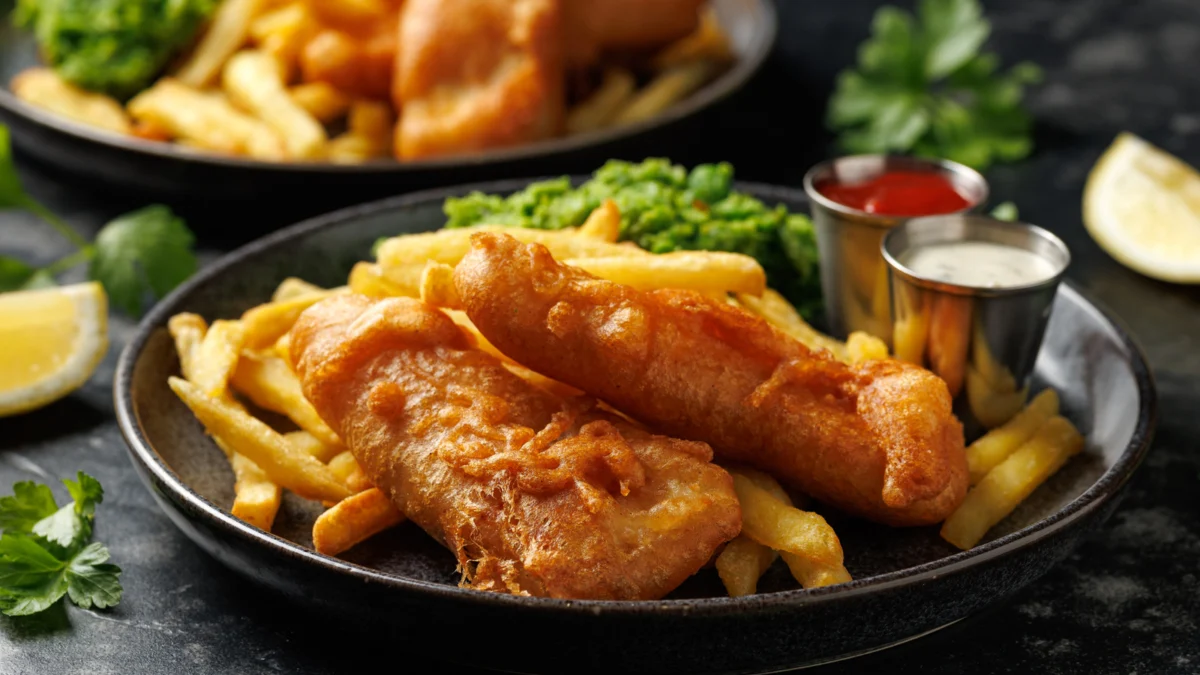
The culinary world is witnessing a resurgence of traditional ingredients, and beef tallow, once a staple in kitchens, is making a significant comeback, particularly in the realm of deep-frying. Chef JJ Johnson, a prominent figure in the culinary landscape, has championed beef tallow as an exceptional fat for preparing classic fish and chips, citing its superior performance and flavor-enhancing properties. Speaking at the prestigious Nassau Paradise Island Wine & Food Festival, an annual event that draws renowned chefs and culinary enthusiasts to the Bahamas, Johnson elaborated on the multifaceted advantages of incorporating beef tallow into this beloved dish.
The Culinary Renaissance of Beef Tallow
For decades, neutral-flavored oils like canola, vegetable, and soybean oil dominated the deep-frying scene, valued for their affordability and high smoke points. However, a growing appreciation for nuanced flavors and historical cooking techniques has led chefs and home cooks alike to rediscover the merits of animal fats. Beef tallow, the rendered fat of cattle, is at the forefront of this movement. Its rich history in traditional cuisines across Europe and North America, where it was the primary fat for cooking and baking, is being revisited with a modern culinary lens. Restaurants like Buffalo Wild Wings have already integrated beef tallow into their frying processes for items such as french fries and chicken wings, underscoring its versatility and ability to deliver a superior crispness and depth of flavor.
Chef JJ Johnson’s Endorsement: A Deep Dive into Tallow’s Advantages
Chef JJ Johnson, celebrated for his innovative approach to modern American cuisine with a focus on soulful flavors and sustainable practices, highlighted several key reasons why beef tallow stands out for frying fish and chips. "I think beef tallow is great to fry in," Johnson stated during his presentation at the festival. "The smoke point is super high. It’s going to get over 550 degrees [Fahrenheit]. You don’t need to worry about the oil burning, so you can consistently keep frying…"
This high smoke point is a critical factor in achieving perfectly fried food. A high smoke point means the fat can withstand higher temperatures before it begins to break down and burn, producing acrid flavors and potentially harmful compounds. For deep-frying, where temperatures often exceed 350°F (175°C), a fat with a smoke point well above this is essential for consistent results and a clean flavor profile. Beef tallow’s smoke point, often cited as being above 550°F (288°C), far surpasses that of many common vegetable oils, allowing for sustained high-temperature frying without compromising the quality of the oil or the food. This consistency is invaluable for both professional kitchens and home cooks aiming for restaurant-quality results.
Beyond its thermal stability, Johnson also pointed to the economic benefits of using beef tallow. "Right now beef tallow’s also at a really good price," he noted. This affordability, coupled with its superior performance, makes it an attractive option for a wide range of culinary applications. Furthermore, beef tallow is known for its ability to be reused multiple times, provided it is properly filtered and stored. This recyclability further enhances its cost-effectiveness and reduces waste, aligning with contemporary culinary trends that emphasize sustainability.
The Flavor Profile: Elevating Fish and Chips
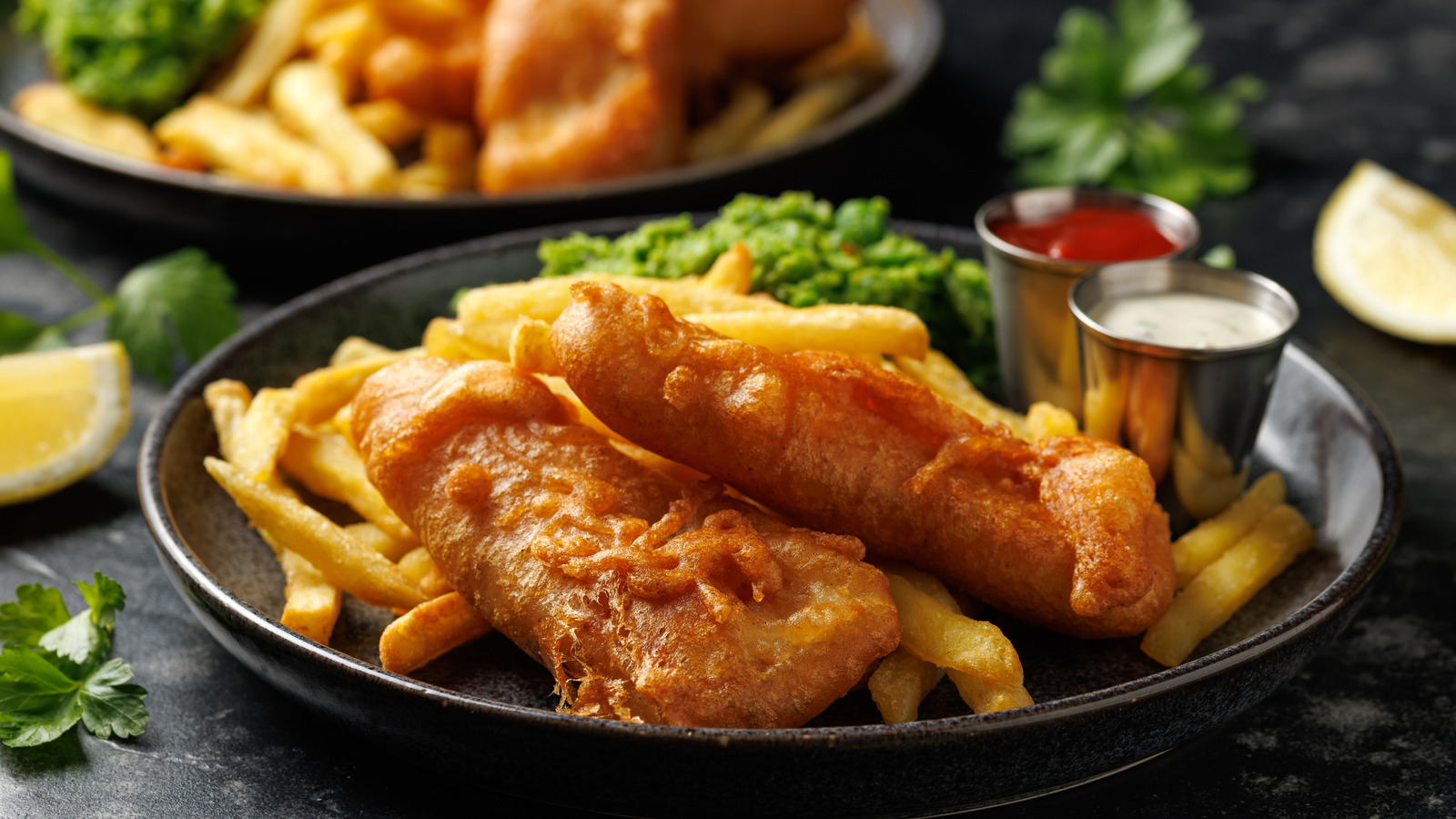
The most compelling argument for beef tallow in fish and chips, according to Chef Johnson, lies in the flavor it imparts. "It’s going to add a little bit of different type of flavor to frying," he explained. This subtle, yet distinct, savory characteristic, often described as a mild beefy or umami note, complements the delicate flavors of fish and the starchy sweetness of potatoes. Unlike neutral oils that can leave fried foods tasting somewhat one-dimensional, beef tallow adds a layer of complexity that enhances the overall gustatory experience. For fish, it can subtly amplify the natural oceanic umami without overpowering the fish itself. For the chips, it contributes a richness and depth that is often missing when using more neutral fats. This synergy between the tallow and the core ingredients transforms homemade fish and chips from a simple meal into a gourmet experience, potentially surpassing even restaurant-quality versions.
Practical Considerations for Frying with Tallow
While the benefits of beef tallow are significant, Chef Johnson also acknowledged a practical consideration: its coagulation properties. "As the beef tallow gets cold, it’s going to coagulate really quickly," he explained. "So you have to do it at a warmer temperature, and you just have to be really careful." This characteristic means that when the tallow cools, it solidifies, which can be inconvenient for tasks like straining. It necessitates maintaining a consistent temperature during the frying process and being mindful of how the fat behaves when not in active use.
To mitigate this, proper technique and equipment are essential. A deep-fry oil thermometer is crucial for monitoring and maintaining the precise temperature required for optimal frying. Whether using a Dutch oven or a cast-iron skillet, ensuring the fat reaches the correct temperature—typically around 375°F (190°C) for fish and chips, as per classic recipes—is paramount. This temperature range ensures a rapid crisping of the batter and the interior cooking of the fish and potatoes without excessive oil absorption.
Sourcing and Preparation: The Path to Quality Tallow
The quality of beef tallow directly impacts the final dish. Chef Johnson advocates for sourcing high-quality tallow, with grass-fed beef tallow often being considered the gold standard. Grass-fed tallow tends to have a cleaner flavor profile and a more desirable texture. Visual cues such as a creamy white appearance when solid and a clean, pleasant bovine aroma are indicators of good quality.
For those interested in making their own beef tallow, it’s a surprisingly accessible process. Local butchers can be a valuable resource, often providing beef kidney fat, which is ideal for rendering. The process itself involves gently heating the fat with a small amount of water over low heat for an extended period. This slow rendering process allows the fat to liquefy and separate from any connective tissues and impurities. Once rendered, the liquid tallow can be strained through cheesecloth or a fine-mesh sieve to remove any solid bits, ensuring a pure product for frying. This homemade approach not only guarantees the quality of the tallow but also offers a rewarding culinary endeavor.
The Broader Impact on Culinary Trends
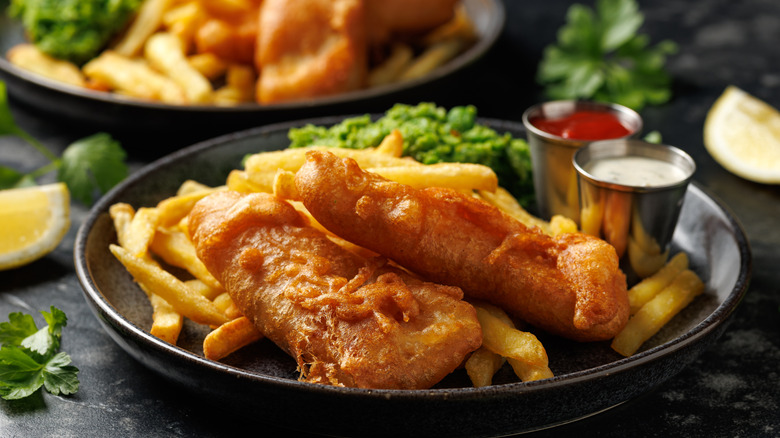
The embrace of beef tallow by chefs like JJ Johnson reflects a larger trend in the culinary world: a renewed interest in traditional, nutrient-dense ingredients and time-honored cooking methods. This movement is driven by a desire for authentic flavors, a rejection of overly processed foods, and an appreciation for the sustainability and economic benefits offered by such ingredients. As more chefs and home cooks explore the versatility of beef tallow, its presence in kitchens is likely to expand beyond its current niche applications. The transformation of a humble ingredient into a key component of a celebrated dish like fish and chips demonstrates the potential for innovation rooted in tradition.
The Nassau Paradise Island Wine & Food Festival, where Chef Johnson shared his insights, serves as a microcosm of these evolving culinary dialogues. Events like these not only showcase exceptional talent but also foster an environment where chefs can share their expertise and inspire others to explore new or rediscovered ingredients and techniques. The festival’s timing, often held in the spring, marks a period of renewed culinary exploration as warmer weather approaches, making outdoor cooking and entertaining, including the preparation of classic fried dishes, more appealing.
Conclusion: A Flavorful Future for Beef Tallow
In conclusion, beef tallow offers a compelling combination of performance, flavor, and economic advantages that make it an exceptional choice for frying fish and chips. Chef JJ Johnson’s endorsement, rooted in practical experience and a deep understanding of culinary science, underscores its potential to elevate this classic dish to new heights. From its high smoke point that ensures consistent frying and crispiness, to its subtle savory notes that enhance natural flavors, beef tallow provides a culinary edge. While its tendency to coagulate requires careful temperature management, the rewards—a more flavorful, texturally superior fish and chips—are well worth the effort. As the culinary landscape continues to embrace authenticity and tradition, beef tallow is poised to reclaim its rightful place as a star ingredient in kitchens worldwide.
