
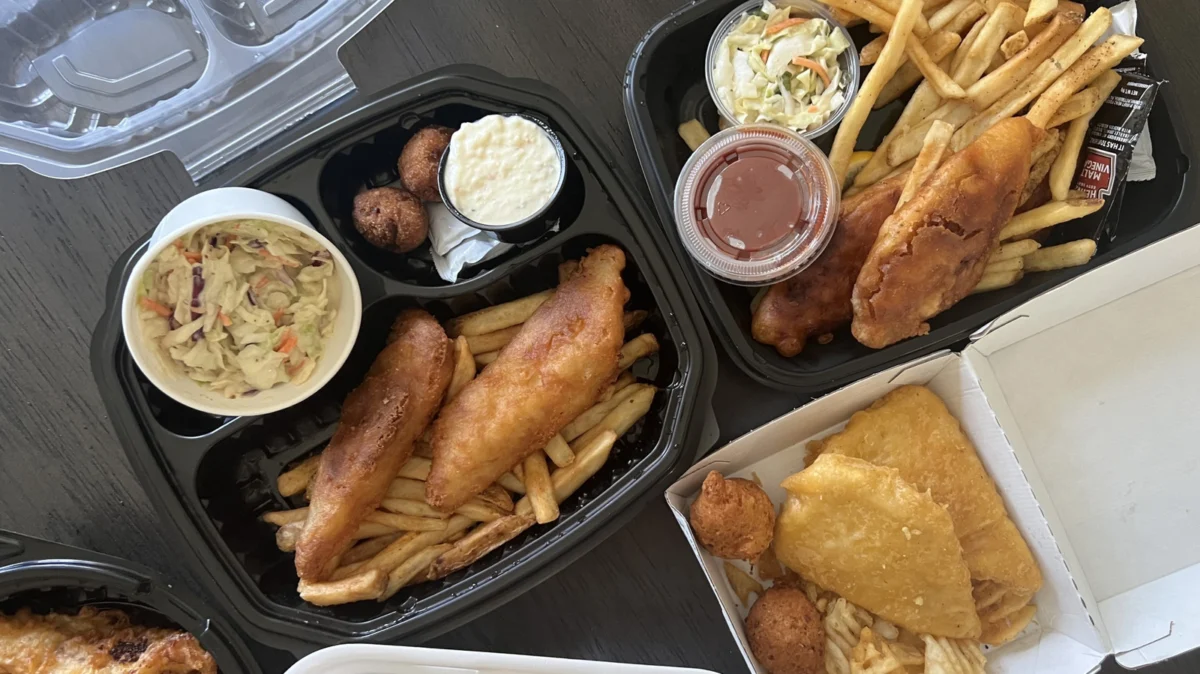
When consumers seek a convenient meal of fish and chips, the immediate instinct is often to turn toward fast-food seafood chains that specialize in the dish. However, a recent comprehensive comparative analysis of chain restaurant offerings reveals a counterintuitive reality: casual, sit-down dining establishments frequently outperform dedicated seafood-centric fast-food outlets in terms of quality, flavor profile, and overall execution. The findings, which place Applebee’s surprisingly ahead of industry staples like Long John Silver’s and Captain D’s, challenge the conventional wisdom that specialization equates to superior results in the quick-service restaurant (QSR) sector.
The Methodology of Comparative Food Analysis
The evaluation process utilized by culinary reviewers involves blind taste testing across various national chains to determine how standardized menus hold up under scrutiny. The criteria for these assessments focus on four primary pillars: the integrity of the protein, the quality of the batter, the seasoning of the accompaniment (the "chips"), and the complexity of the accompanying condiments, specifically tartar sauce.
In the case of Applebee’s, the "Hand-Battered Fish & Chips" entry was evaluated against its fast-food counterparts. While the dish did not secure the top position in the broader competitive landscape, it provided a level of satisfaction that surpassed expectations for a general-menu sit-down restaurant. Testers noted that the fish—a white fish variety—maintained a flaky consistency, avoiding the common pitfalls of overcooking or dehydration. The batter, while occasionally showing signs of charring, possessed a superior texture compared to the heavy, dense coatings often found in the QSR seafood segment.
A Chronology of Declining Expectations in Fast-Food Seafood
The market for fast-food fish has seen a steady decline in consumer perception over the past decade. Historically, chains like Long John Silver’s and Captain D’s dominated the market by offering low-cost, high-volume seafood options. However, as dietary preferences have shifted toward higher-quality proteins and more refined preparation methods, these legacy chains have struggled to modernize their menus.
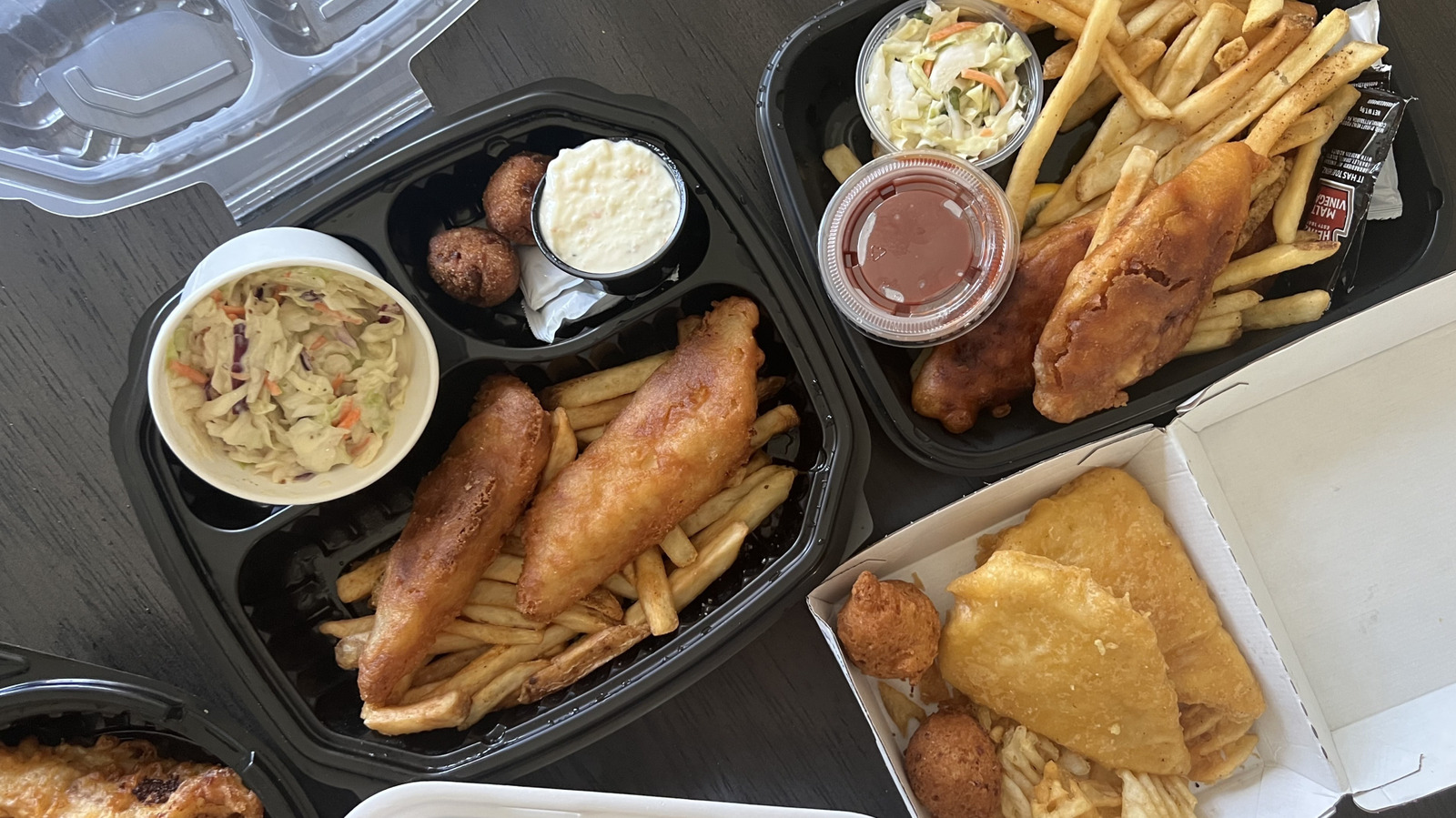
The trajectory of this decline can be traced through public sentiment and sales data. In the 1980s and 1990s, these chains benefited from a lack of competition in the budget seafood space. By the mid-2010s, however, the rise of "fast-casual" dining forced consumers to demand better ingredient transparency and preparation techniques. Long John Silver’s, in particular, has faced criticism regarding the consistency of its frying oil and the density of its batter, which often masks the flavor of the fish itself. Captain D’s has fared marginally better in consumer surveys, though it continues to struggle with issues regarding "grease-loading" and textural mushiness, which deters customers seeking a crisp, satisfying crunch.
Supporting Data: The Quality Gap
The data suggests a significant disparity between the preparation standards of casual dining and QSR seafood. In the comparative study, the following metrics were observed:
- Batter Consistency: Casual dining chains (such as Applebee’s and Red Lobster) utilized beer-based or seasoned batters that provided a structural integrity, preventing the oil from soaking into the fish. QSR chains, conversely, relied on heavy flour-based breadings that tended to trap moisture, resulting in a soggy exterior.
- Flavor Profiles: The use of supplemental ingredients—specifically lemon wedges, malt vinegar, and high-quality, herb-infused tartar sauce—was found to be significantly more consistent in sit-down establishments. These additions serve to cut through the richness of the fried fish, a nuance often ignored by fast-food outlets.
- Side Dishes: The "chips" or fries offered at these establishments also played a role in the ranking. While fast-food chains typically provide generic, thin-cut fries, restaurants that utilize seasoned options, such as Old Bay-dusted Chesapeake fries, scored significantly higher in consumer preference tests.
Official Responses and Industry Context
While representatives from these chains rarely comment on specific comparative taste tests, industry analysts point to the "economies of scale" versus "quality control" dilemma. For a chain like Long John Silver’s, the priority is maintaining a low price point and high output speed. This necessitates the use of pre-processed, frozen, and highly breaded fish fillets that can be fried in bulk.
Applebee’s and other similar sit-down chains operate under a different business model. Because their menu is vast, they can leverage their supply chain to purchase slightly higher-grade white fish, which is then prepared in-house or in a more controlled kitchen environment. The "Hand-Battered" distinction in their branding is a strategic marketing move intended to signal to the consumer that the item is not a mass-produced, pre-formed nugget, but rather a fillet that retains its natural structure.
The Superiority of Red Lobster in the Fish and Chips Segment
While Applebee’s may have outranked the fast-food stalwarts, the analysis ultimately concluded that if a consumer is seeking the best possible version of the dish, they should look toward specialized, higher-end seafood chains. Red Lobster, which focuses exclusively on seafood, outperformed all other contenders in the study.
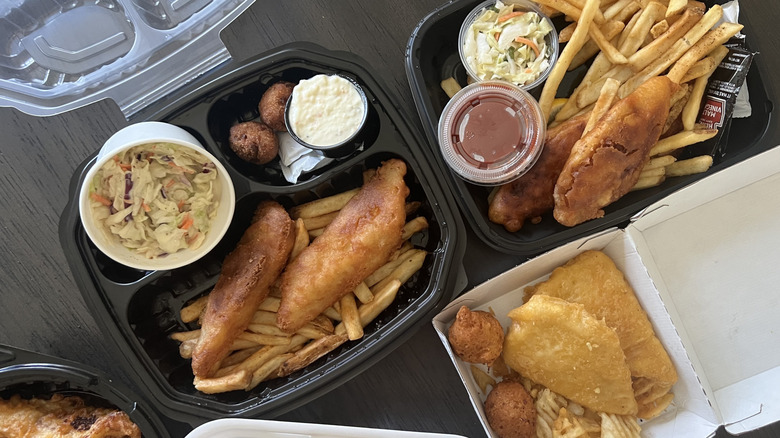
The primary factors contributing to Red Lobster’s top-tier ranking include:
- Cod Quality: The use of premium cod fillets provides a more authentic experience than the generic "white fish" used by competitors.
- Beer Batter Execution: The batter is described as "super crunchy," suggesting a technical mastery of oil temperature and viscosity.
- Accoutrements: The inclusion of hushpuppies, high-quality coleslaw, and superior tartar sauce creates a cohesive dining experience that mirrors traditional British fish and chips shops, rather than the "fried-food-first" mentality of QSR establishments.
Broader Implications for the Seafood Industry
The fact that an casual-dining chain can outperform specialized seafood outlets has broader implications for the food industry. It suggests that the "seafood-specific" fast-food model is currently facing an identity crisis. As consumers become more educated about their food sources and more critical of the "grease-heavy" preparation methods of the past, traditional seafood chains will need to overhaul their menus to survive.
Furthermore, this trend highlights the power of condiments and side dishes in shaping consumer perception. The study found that even when the fish itself was of mediocre quality, the presence of well-prepared tartar sauce and high-quality seasoning could significantly improve the consumer’s rating of the meal. This indicates that value-added components are often just as important as the protein itself in the modern fast-food landscape.
Ultimately, the takeaway for the average consumer is that brand specialization does not always guarantee the best product. When navigating the market for fish and chips, one might find a more satisfying, high-quality meal at a neighborhood sit-down restaurant than at a chain that claims to be a "seafood expert." For those who prioritize texture, flavor, and culinary craftsmanship, the evidence points away from the drive-thru window and toward the dining room, where attention to detail remains a primary driver of the customer experience.
