
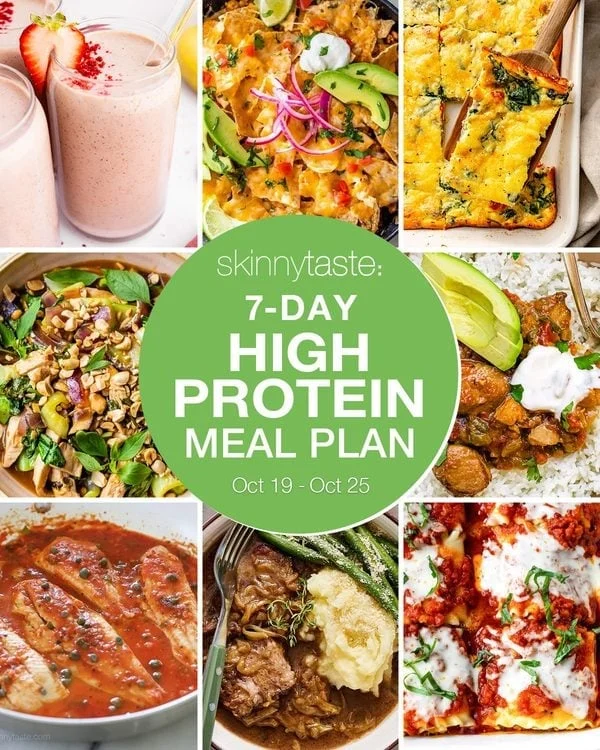
The pursuit of balanced nutrition and muscle maintenance has become a central focus for many health-conscious individuals, leading to a surge in demand for structured, high-protein dietary frameworks. As autumn brings a shift in seasonal produce and a preference for heartier, comfort-oriented meals, the integration of nutrient-dense, high-protein recipes into a weekly routine offers a sustainable approach to metabolic health. This comprehensive seven-day meal plan provides a blueprint for individuals seeking to achieve specific protein intake targets while navigating the nutritional requirements of an active lifestyle.
The Nutritional Rationale for High-Protein Planning
Nutritional science has consistently demonstrated that adequate protein intake is essential for muscle protein synthesis, satiety, and metabolic regulation. For individuals engaging in regular physical activity, protein serves as the primary building block for tissue repair and growth. The adoption of a high-protein diet—defined generally as a diet providing more than 1.2 grams of protein per kilogram of body weight—has been shown in various clinical studies to assist in the maintenance of lean muscle mass, particularly during periods of calorie restriction.
Beyond muscle preservation, protein-rich meals are noted for their high thermic effect, meaning the body expends more energy to digest and process proteins compared to carbohydrates or fats. This can contribute to a sustained feeling of fullness, which is a significant factor in preventing impulsive snacking and managing overall caloric intake. For those aiming to hit specific goals, such as 120 grams of protein per day, a common strategy involves distributing protein intake across three primary meals and supplemental snacks, ensuring a steady supply of amino acids throughout the day.
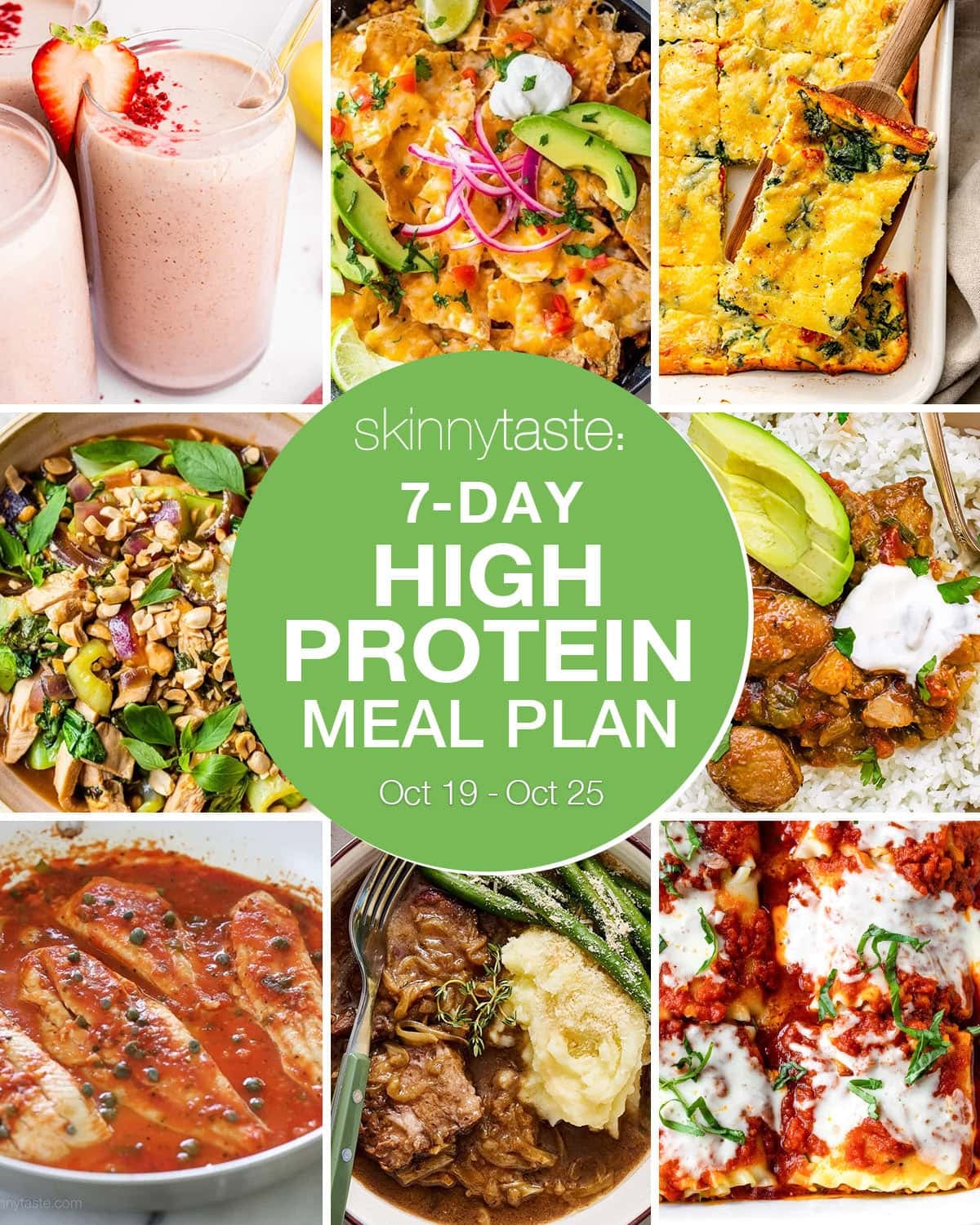
Seasonal Dietary Integration
The transition into the fall season provides a unique opportunity to utilize ingredients that are both nutritionally robust and seasonally appropriate. Culinary approaches that feature ingredients such as sweet potatoes, kale, pumpkin, and lean proteins like turkey and chicken allow for the creation of meals that are psychologically satisfying while remaining nutritionally sound.
The current meal plan, which spans from October 19 to October 25, incorporates these seasonal elements. For instance, the inclusion of dishes like Sweet Potato Soup with Sausage and Kale or a Pumpkin Lasagna Skillet demonstrates how traditional fall flavors can be adapted to support high-protein requirements. These meals leverage the density of seasonal vegetables to provide fiber and micronutrients, while lean protein sources ensure that macronutrient targets are met.
Structuring the Weekly Nutritional Timeline
Effective meal planning requires a strategic breakdown of daily caloric and macronutrient distribution. The following schedule serves as a framework for an individual aiming for a moderate caloric intake with a high-protein focus.
Monday (October 19): The week begins with a focus on quick, nutrient-dense breakfast options, such as a strawberry banana smoothie fortified with nonfat plain Greek yogurt. Lunch consists of Honey Sriracha Chicken and Broccoli, a meal-prep staple designed to ensure consistent protein intake. The day concludes with Lasagna Roll-Ups using cottage cheese to boost protein content while maintaining a classic comfort food profile.

Tuesday (October 20): Continuity is maintained with the repetition of the Monday breakfast and lunch, which minimizes food waste and streamlines preparation. The dinner shift moves toward a Ground Turkey Taco Skillet paired with guacamole, providing a blend of lean protein and healthy fats.
Wednesday (October 21): Breakfast shifts to a high-protein omelet accompanied by a pear for fiber. Lunch remains the chicken and broccoli bowl. Dinner transitions to a lighter, stir-fry style meal, utilizing garlic, ginger, and chicken served over cauliflower rice, which reduces the carbohydrate load while maintaining the protein profile.
Thursday (October 22): The daily cycle continues with the omelet and chicken bowl. Dinner features a French Onion Pot Roast served with garlic mashed potatoes and a massaged raw kale salad, offering a balance of hearty textures and nutrient-dense greens.
Friday (October 23): The week concludes with a savory cottage cheese bowl for breakfast and the utilization of leftover pot roast for lunch. Dinner shifts to a seafood-forward option: a fish fillet prepared with a tomato, white wine, and caper sauce, served alongside broccoli and orzo.
Saturday and Sunday (October 24–25): The weekend introduces more collaborative, family-style meals, such as a breakfast casserole with sausage and spinach. Lunch on Saturday includes a turkey club, while Sunday features a Chicken Quesadilla and a slow-cooked Green Chili Pork Stew, allowing for batch cooking and leftovers.
Clinical Considerations and Professional Guidance
While high-protein diets are widely recognized for their benefits in athletic performance and weight management, it is imperative to acknowledge the importance of individual health profiles. Medical professionals, including registered dietitians and physicians, emphasize that individuals with pre-existing conditions—particularly those involving kidney or liver function—must exercise caution. Excess protein consumption can place additional strain on the renal system in individuals with reduced kidney function or specific metabolic disorders like gout.
Before undertaking a significant shift in dietary habits, it is recommended that individuals consult with a healthcare professional to tailor their protein intake to their specific physiological needs. Factors such as age, weight, activity level, and underlying health conditions all dictate the ideal caloric and macronutrient ratios.
Data-Driven Macro Management
The efficacy of this meal plan is underpinned by the ability to track macros accurately. With the rise of digital tools and mobile applications, the integration of recipe builders and food trackers has become standard practice for those managing their nutrition. By utilizing resources that calculate Weight Watchers (WW) points or specific caloric and macronutrient totals, individuals can adjust their intake in real-time.

For example, the meal plans outlined here are estimated to fall within a range of 1,200 to 1,500 calories per day with a consistent protein target, depending on portion sizes and individual metabolic requirements. It is noted that these plans are intended as a guide rather than a rigid mandate; "wiggle room" is intentionally built in to allow for the inclusion of fruits, snacks, beverages, or social meals. This flexibility is essential for long-term adherence to any dietary program.
Broader Implications for Sustainable Nutrition
The shift toward personalized, high-protein meal planning reflects a broader trend in the wellness industry: the move away from restrictive "crash diets" toward sustainable, habit-based nutrition. By prioritizing protein, individuals are not only supporting their physical fitness goals but also fostering a dietary environment that promotes satiety and stable energy levels.
Furthermore, the integration of structured meal plans—complete with shopping lists and preparation guides—addresses the common barriers to healthy eating, such as decision fatigue and time constraints. As consumers become increasingly educated about the role of nutrition in long-term health, the demand for transparent, scientifically grounded, and easy-to-implement resources will continue to grow.
In summary, the transition into fall provides an excellent backdrop for re-evaluating dietary goals. By focusing on seasonal, nutrient-dense ingredients and maintaining a consistent, high-protein intake, individuals can build a sustainable framework that supports both physical health and culinary satisfaction. Whether through the use of meal prep bowls, family-style weekend dinners, or the careful tracking of macros, the path to a balanced, high-protein lifestyle is increasingly accessible and effective for a wide range of individuals. Always remember to assess personal health needs with a medical professional to ensure that any dietary adjustments are safe and appropriate for your individual physiology.
