
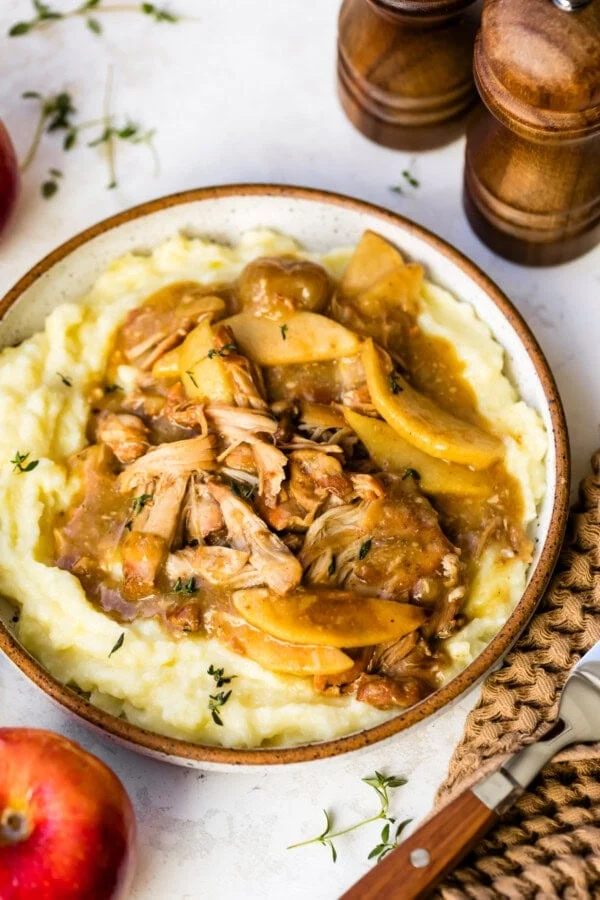
Historical Context and Culinary Evolution
The origins of Chicken Normandy, or Poulet à la Normande, are deeply rooted in the agricultural history of Northern France. The region is historically renowned for its expansive apple orchards and dairy production, leading to a culinary tradition that heavily utilizes cider, calvados (apple brandy), and crème fraîche. Traditionally, the dish involves sautéing chicken pieces until golden brown before braising them in a reduction of cider and aromatics.
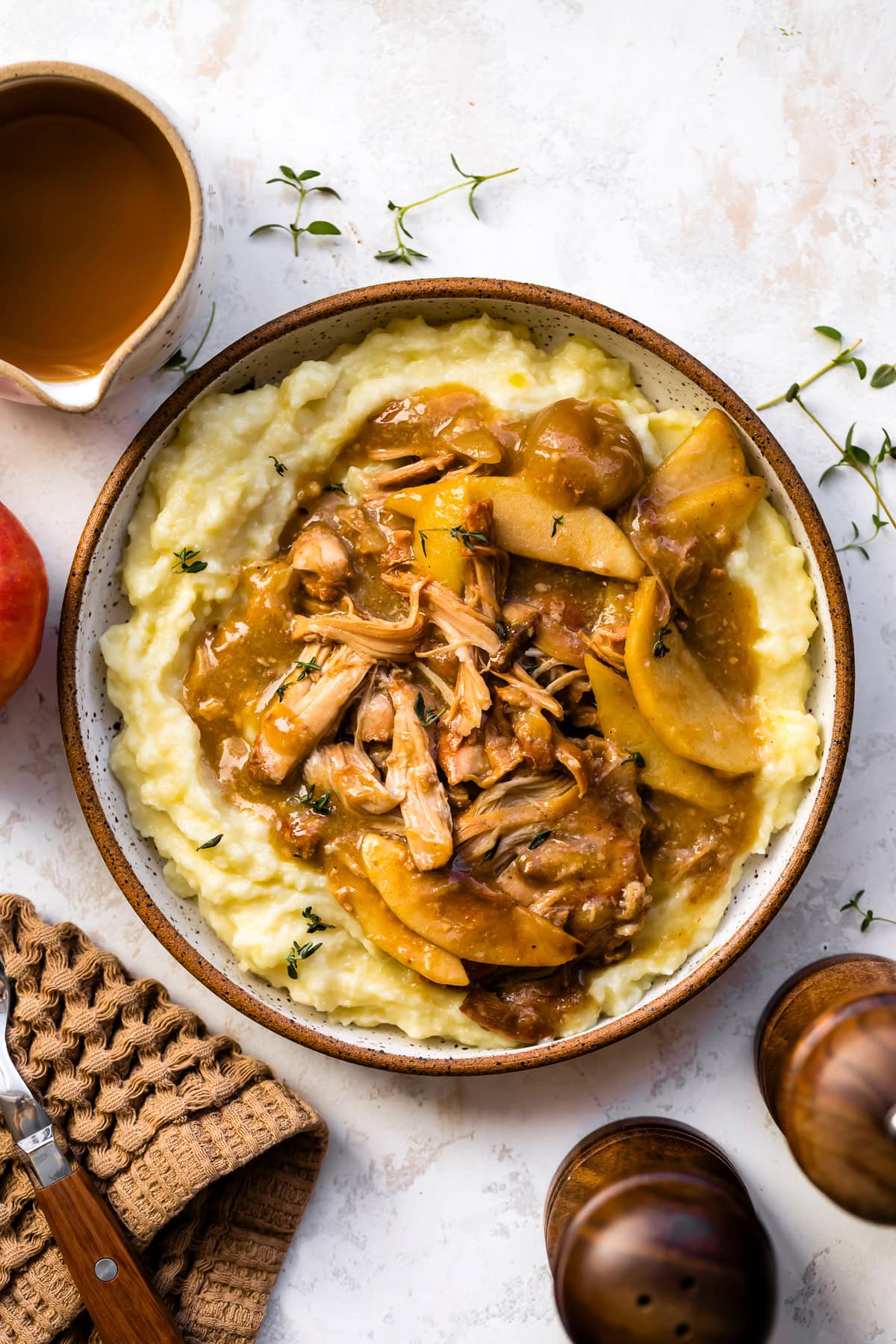
In recent years, the intersection of classic French techniques and the convenience of modern kitchen appliances, such as the slow cooker, has seen a significant surge in popularity. This shift is largely driven by a demographic of home cooks seeking "scratch-made" meals that accommodate demanding schedules. The Crockpot adaptation maintains the integrity of the flavor profile—the juxtaposition of savory poultry and tart, caramelized fruit—while reducing active kitchen time to approximately 15 minutes.
The Science of Slow-Cooking Proteins
From a nutritional and chemical standpoint, the slow-cooker method offers distinct advantages for specific cuts of meat. Chicken thighs, which are frequently the preferred protein for this dish, contain a higher concentration of connective tissue and fat compared to chicken breasts. When exposed to low heat over a period of six to eight hours, the collagen in the thighs undergoes a process called hydrolysis, converting into gelatin. This results in a succulent texture and a richer mouthfeel in the final sauce.
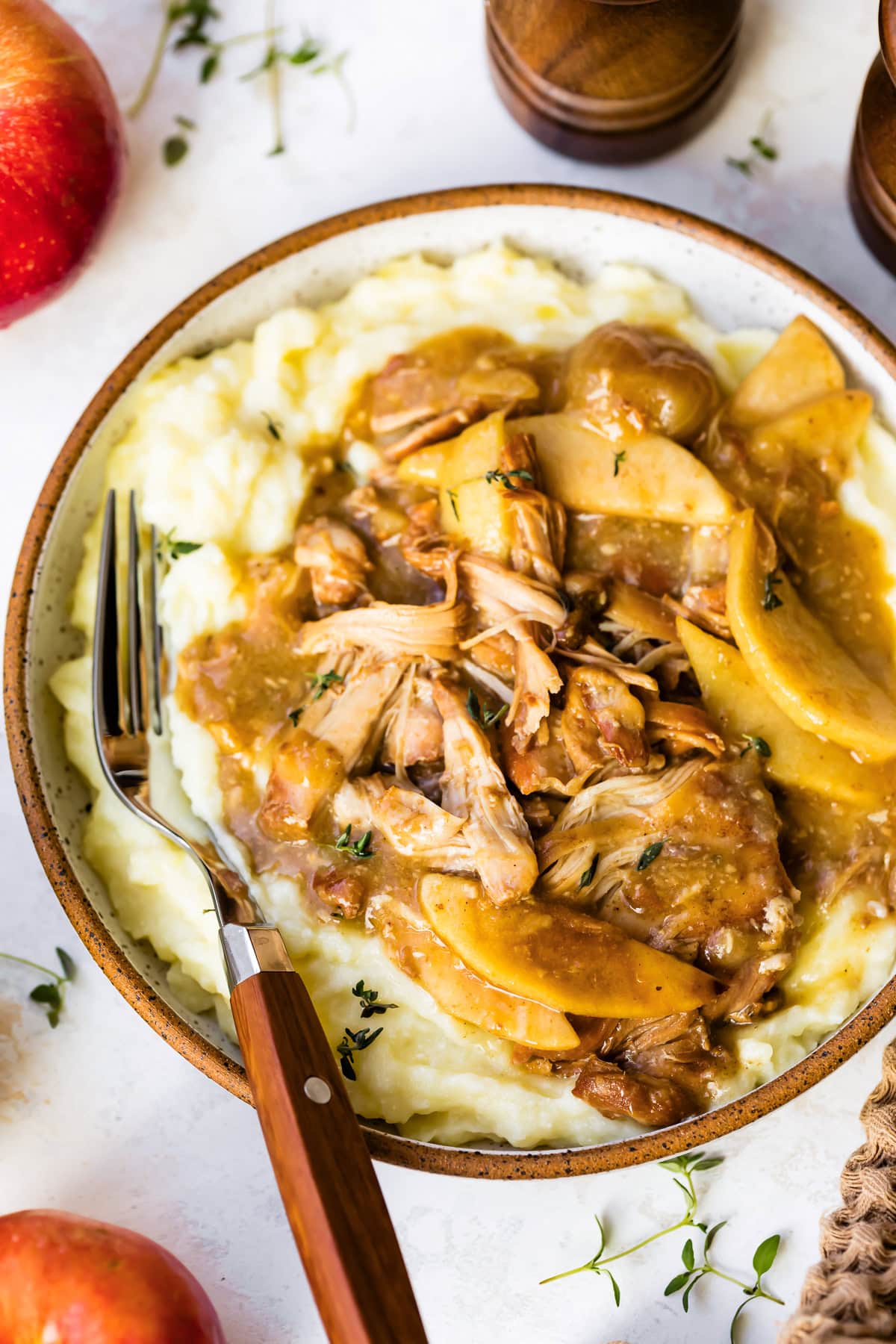
Furthermore, the inclusion of apples as a primary ingredient contributes more than just flavor. Apples are rich in pectin and natural sugars. As they break down during the extended cooking cycle, these components thicken the braising liquid, creating a natural reduction without the immediate need for heavy cream or added starches. With a nutritional profile featuring approximately 45 grams of protein and 397 calories per serving, this dish serves as a balanced main course for individuals prioritizing lean muscle maintenance and sustained energy levels.
Culinary Methodology and Best Practices
The preparation of Crockpot Chicken with Apples follows a structured chronology designed to maximize flavor development. While the slow cooker handles the bulk of the cooking, the initial searing phase remains a critical step for professional-quality results.

- Searing Phase: Browning the chicken thighs in a skillet prior to placing them in the slow cooker triggers the Maillard reaction—a chemical interaction between amino acids and reducing sugars that produces the characteristic browned, savory flavor profile.
- Aromatic Infusion: The sautéing of garlic and onions before assembly allows for the extraction of volatile oils, which are then carried through the braising liquid.
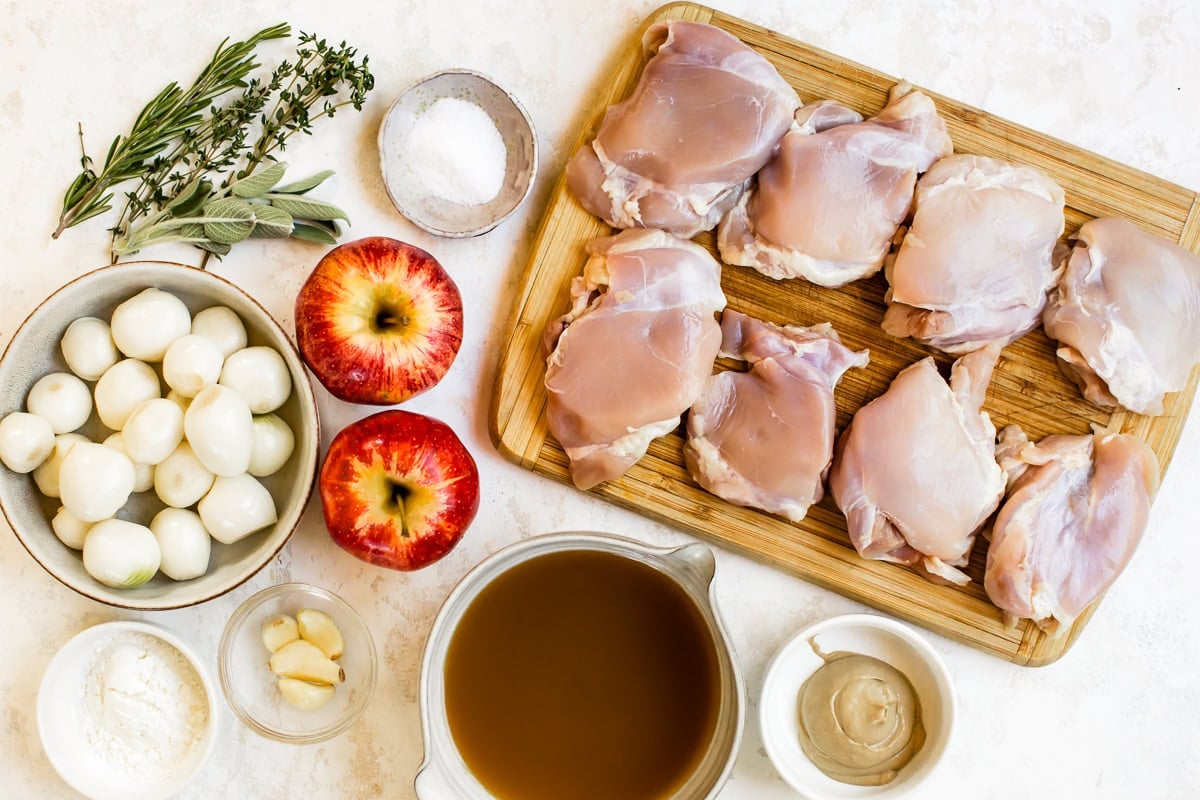
- Braising: The chicken is placed into the slow cooker along with sliced apples, apple cider, and herbs. The cider provides the acidic backbone necessary to cut through the richness of the chicken, while the apples provide a contrasting sweetness.
- Finishing: The process concludes with a period of resting, which allows the muscle fibers to relax and reabsorb moisture, ensuring the meat remains tender when served.
Economic and Practical Implications
The adoption of "crocktober" or seasonal slow-cooker meal planning has broader implications for household economy and food waste reduction. By utilizing seasonal produce—specifically apples harvested during the late summer and early autumn—consumers can take advantage of peak nutrient density and lower retail prices. Furthermore, this dish is highly conducive to batch cooking and storage.
Refrigeration protocols dictate that the dish can be safely stored in airtight containers for three to four days. Reheating should be performed gradually; using a microwave on low power or a stovetop on medium-low heat prevents the chicken from becoming rubbery. The versatility of the dish allows it to be paired with various starches, such as garlic-infused mashed potatoes, roasted root vegetables, or hearty, crusty breads, all of which serve as vessels for the flavorful sauce.

Industry Trends in Home Cooking
Market analysis of home-cooking trends indicates a sustained preference for recipes that are categorized as "high-protein" and "easy-prep." The modern consumer is increasingly wary of highly processed, ready-made meals and is pivoting toward whole-food ingredients. The success of dishes like this slow-cooker chicken suggests that convenience is no longer synonymous with poor nutritional quality.
Data from social media platforms and digital culinary archives show that engagement with "one-pot" or "slow-cooker" content peaks during the fourth quarter of the year. This phenomenon is largely attributed to the psychological association between warm, comfort-based foods and the cooler ambient temperatures of the fall and winter months. The ability to create a restaurant-quality meal with minimal intervention has become a key metric for recipe success in the digital age.
Nutritional Analysis and Dietary Considerations
A breakdown of the nutritional content reveals a well-rounded macronutrient profile. The 29 grams of carbohydrates are primarily derived from the fructose in the apples and the natural sugars in the apple cider, providing a quick source of energy, while the 45 grams of protein provide satiety.
- Protein: 45g (Essential for muscle repair and metabolic health)
- Carbohydrates: 29g (Includes dietary fiber from apples)
- Fat: 9.5g (Primarily unsaturated, supporting heart health)
- Sodium: 809mg (Note: Those on sodium-restricted diets may opt for low-sodium chicken broth to reduce this total)
The inclusion of fiber-rich apples contributes to digestive health, while the absence of heavy additives makes this a clean-label meal. For those looking to adjust the recipe, variations are easily implemented. Some cooks may choose to incorporate kale or spinach in the final 30 minutes of cooking to increase the micronutrient density, while others might introduce dry white wine to the braising liquid to provide a more complex, slightly acidic finish that mimics the traditional French preparation more closely.

Conclusion: The Future of Slow-Cooking
As the culinary landscape continues to evolve, the integration of traditional recipes into modern technology remains a cornerstone of the home-cooking experience. The Crockpot Chicken with Apples stands as a testament to the fact that sophisticated flavors do not require complex, labor-intensive techniques. By understanding the underlying science of the ingredients and the mechanics of the appliance, home cooks can continue to produce nutritious, high-quality meals that serve the needs of a modern, fast-paced lifestyle while honoring historical culinary traditions. Whether served as a weeknight dinner or a centerpiece for a seasonal gathering, the dish remains a reliable and culturally resonant choice for the modern kitchen.
