
The Significance of the Lincolnshire Day Competition
Lincolnshire Day, celebrated annually on October 1st, serves as a focal point for the county to commemorate its history, culture, and local industry. The culinary competition held during the 2026 festivities was described by attendees and organizers as fiercely contested, featuring a diverse array of regional specialties. The objective of the competition is to preserve local foodways while highlighting the quality of regional produce.

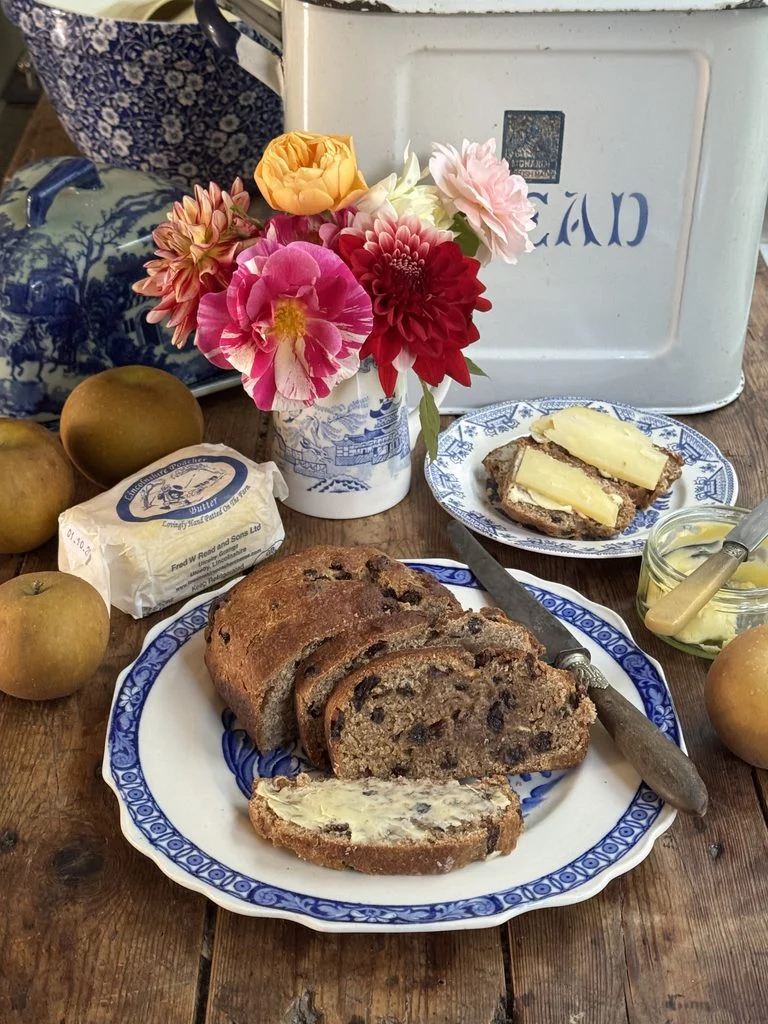
The victory of the traditional yeast-raised plum bread highlights a growing consumer interest in artisanal, slow-fermented products. While many commercial bakeries throughout the East Midlands now produce simplified, non-yeasted versions of this loaf for year-round consumption, the panel of judges emphasized that the depth of flavor and texture achieved through traditional yeast cultivation remains unmatched. The winning loaf was presented to the judging panel in a traditional format, served alongside premium local staples, including Lincolnshire Poacher butter and aged Lincolnshire Poacher cheese, reinforcing the symbiotic relationship between local dairy and traditional bakery products.

Historical Context and Evolution of the Yule Loaf
The term "plum bread" is a frequent point of confusion for modern consumers, as the recipe does not contain fresh plums. In historical culinary terminology, the word "plum" was an archaic catch-all term for dried fruits, specifically currants, raisins, and sultanas. The bread’s origins are rooted in centuries-old traditions, where it functioned as a "yule loaf"—a dense, fruit-laden bread baked specifically for the Christmas season to mark the winter solstice.

The bread’s texture is frequently compared to a heavier, spiced brioche. Its evolution from a seasonal, festive indulgence to a year-round bakery staple reflects broader changes in the regional food economy. By the mid-20th century, the recipe had become a domestic fixture in many Lincolnshire households. A previous version of the recipe, which gained national attention in 2012 when featured in a reader-led initiative by food critic Felicity Cloake for The Guardian, originally yielded four large loaves. The updated, award-winning iteration has been refined for the modern home baker, optimized to produce two loaves while maintaining the integrity of the original ingredient ratios.

Sourcing and Regional Supply Chain Impact
A critical factor in the success of this specific recipe is its reliance on hyper-local ingredients. The utilization of wholemeal flour milled at the South Ormsby Estate underscores a broader trend of agricultural integration within the local food sector. The South Ormsby Estate, located in the Lincolnshire Wolds, has made significant investments in sustainable farming and traditional milling, providing a direct supply chain that maintains the nutritional profile and flavor complexity of the grain.

The incorporation of free-range eggs from local producers further illustrates the "farm-to-table" ethos that dominated the criteria for the 2026 competition. By emphasizing local supply chains, the recipe serves as a case study for regional economic development through food tourism and traditional craftsmanship. The reliance on locally sourced ingredients ensures that the final product retains a distinct "terroir," a characteristic highly prized by the panel of judges who prioritized authenticity and ingredient traceability.

Comparative Analysis: Traditional vs. Modern Techniques
The competition served as a platform to contrast traditional fermentation with modern rapid-rise methods. Most commercial, high-volume bakeries employ chemical leavening agents or accelerated yeast processes to reduce production time. While these methods are efficient, they often compromise the structural integrity of the crumb and the complex chemical reactions that produce the signature spice-scented aroma of a genuine plum bread.

The winning entry utilized a slower, yeast-raised process, which allows for the development of organic acids and complex sugars. This biological process results in a more resilient crumb that toasts exceptionally well—a key requirement for the regional tradition of serving thin slices of cold or toasted plum bread with a slice of sharp, local cheddar. This pairing, similar to the Yorkshire tradition of serving fruit cake with cheese, creates a balanced flavor profile between the sweetness of the dried fruit and the savory, umami notes of the cheese.

Broader Culinary Implications
The victory at the 2026 Lincolnshire Day competition is expected to influence local bakery practices and home-baking trends throughout the region. There is a documented correlation between award-winning traditional recipes and a subsequent increase in interest from both regional distributors and culinary tourists. By validating the "yeast-raised" approach, the competition has effectively set a new benchmark for what qualifies as a high-quality Lincolnshire Plum Bread.

Moreover, the recipe’s adaptation for home kitchens—reducing the quantity from four loaves to two—makes the tradition more accessible to smaller households. This accessibility is vital for the preservation of intangible cultural heritage. When a complex traditional recipe is seen as "too much" for a modern lifestyle, it is often abandoned; by simplifying the process without compromising the ingredients or the technique, the tradition is granted a renewed lifespan.

Nutritional Profile and Dietary Context
While the loaf is classified as a sweet bread, it contains significant nutritional density due to the inclusion of wholemeal flour and high concentrations of dried fruit. A standard serving of approximately one slice contains roughly 168 calories, with 3g of fat and 3g of fiber. The high sugar content—21g per serving—is derived naturally from the concentration of currants, raisins, and sultanas. This makes the bread a calorie-dense energy source, which aligns with its historical usage as a sustenance food for rural workers and farmers during the winter months.

Conclusion
The resurgence of interest in Traditional Lincolnshire Plum Bread is indicative of a wider movement toward regional identity in British cuisine. By stripping away the modern industrial modifications and returning to the base principles of slow fermentation and local ingredient sourcing, the 2026 competition winner has provided a roadmap for how ancient traditions can remain relevant in a modern, fast-paced food environment. As consumers continue to move away from highly processed goods, the demand for authentic, history-rich products like the Lincolnshire Plum Bread is likely to see sustained growth, securing its position as a staple of both the Christmas season and the regional culinary identity of Lincolnshire for years to come.
