
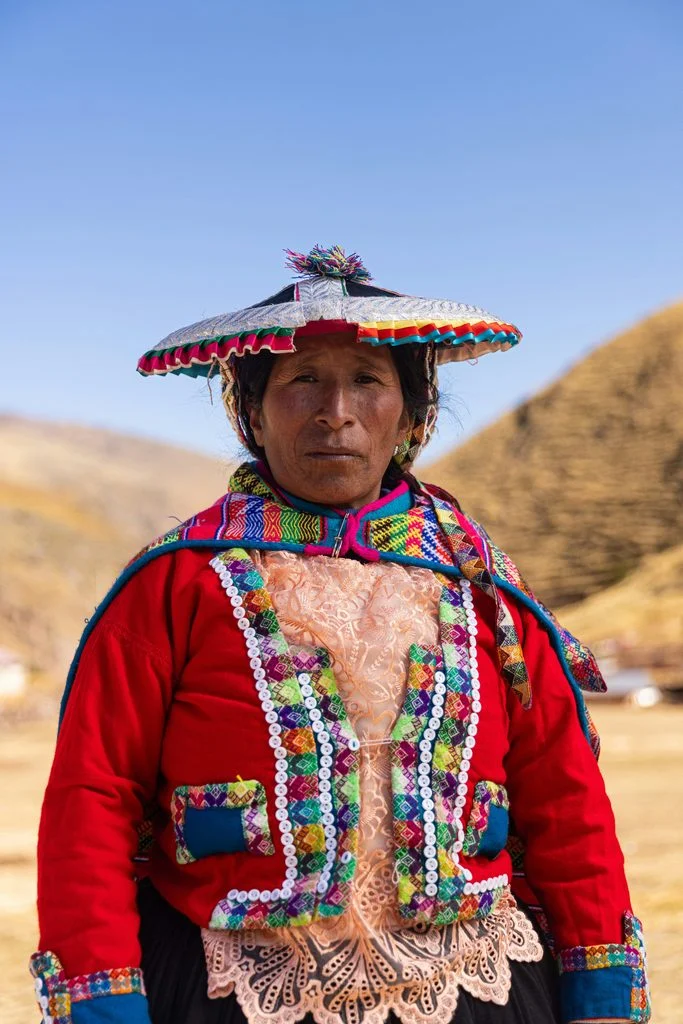
Peru is a nation defined by its extreme geographic diversity, stretching from the arid, sun-drenched coastline of the Pacific Ocean to the formidable peaks of the Andean mountain range and the lush, dense biodiversity of the Amazon basin. For the first-time visitor, this vast terrain presents a logistical challenge; the sheer scale of the country means that attempting to cover the coast, the highlands, and the rainforest in a single excursion is often impractical. Most international itineraries prioritize the historic citadel of Machu Picchu, yet travelers frequently find their schedules constrained by the richness of the local culinary scene, the complexity of traditional markets, and the historical depth of pre-Columbian archaeological sites. To navigate this landscape effectively, travelers must balance the iconic "bucket-list" sites with the logistical realities of high-altitude travel and strict site-access regulations.

The Gastronomic Gateway: Lima’s Culinary Influence
Lima serves as the primary point of entry for international arrivals and has, over the past decade, cemented its reputation as a global culinary capital. Central to this identity is ceviche, a dish that reflects the freshness of the Humboldt Current. Typically prepared by curing raw, high-quality white fish in the acidity of freshly squeezed lime juice, the dish is seasoned with sliced red onion, cilantro, and fiery chili peppers, served alongside earthy boiled corn and sweet potato to balance the heat.
Industry data from the Peruvian Ministry of Foreign Trade and Tourism indicates that gastronomy is a primary driver for nearly 40% of international tourists. Cevicherías are traditionally lunch-centric establishments; because the freshness of the catch is paramount, many of these venues operate on a strict schedule, closing by mid-afternoon. Travelers are advised to view ceviche as a substantial meal rather than a light appetizer, as portion sizes in Lima are generous and intended for social sharing.

Mastering the Sacred Valley: A Strategy for Acclimatization
The Sacred Valley of the Incas—encompassing Ollantaytambo, Pisac, and Maras—is not merely a sightseeing corridor but a critical zone for physiological adaptation. At elevations ranging from 2,800 to 3,000 meters, the valley provides a necessary buffer for travelers heading toward the higher altitude of Cusco (3,400 meters).
Ollantaytambo remains one of the few continuously inhabited Inca settlements, retaining the original urban grid layout that has persisted for centuries. By centering a vacation package around the Sacred Valley rather than focusing exclusively on Cusco, travelers can significantly reduce transit times. Professional travel planners suggest that this approach mitigates the fatigue often associated with "long-transfer" itineraries, allowing for a more immersive exploration of the hillside terraces at Pisac and the ancient salt evaporation pools at Maras, which remain operational and visually arresting today.

Market Culture and the Evolution of Lomo Saltado
The San Pedro Market in Cusco offers a window into the daily rhythm of Andean life. Among the staple dishes is Lomo Saltado, a quintessential example of "Chifa"—a fusion of Peruvian ingredients and Cantonese cooking techniques brought by 19th-century Chinese immigrants. The dish involves stir-frying strips of marinated beef with onions, tomatoes, and chili peppers, served with both white rice and French fries.
From a socioeconomic perspective, these markets serve as vital hubs for the local workforce. A midday meal here often costs a fraction of the prices found in tourist-heavy districts near the Plaza de Armas. Economists studying tourism in the region note that dining in these markets provides a direct economic boost to local producers and small-scale vendors, while also providing a higher-quality, authentic experience for travelers who seek to understand the region’s complex cultural heritage.

The Logistics of Machu Picchu: Navigating Timed Circuits
Since the post-pandemic reopening of major archaeological sites, the Ministry of Culture in Peru has implemented strict, time-bound entry regulations at Machu Picchu. Unlike in previous years, visitors no longer have the freedom to traverse the entire site at will. Instead, entry is restricted to specific, pre-determined circuits.
This shift has profound implications for trip planning. Tickets for peak season—generally May through October—often sell out weeks, if not months, in advance. Travelers are strongly cautioned to verify which circuit their entry ticket covers before booking, as some routes exclude the iconic "Guardian’s House" viewpoint. Industry experts emphasize that comparing travel packages based on the specific type of entry permit rather than total cost is essential to avoid the disappointment of restricted site access upon arrival.

Cultural Staples: Chicha Morada and Coca Infusions
The consumption of local beverages in the Andes is both a cultural tradition and a practical response to environmental conditions. Chicha morada, a non-alcoholic beverage crafted from boiled purple corn, pineapple rinds, cinnamon, and cloves, is a ubiquitous feature of the highland diet. Despite its name, which shares a root with the fermented alcoholic beverage "chicha de jora," the drink is a sweet, spiced infusion consumed by all ages.
In contrast, coca tea serves a more functional purpose. Widely provided by hotels to guests upon arrival, it is a traditional remedy used to alleviate the symptoms of mild altitude sickness. While it is not a cure-all, it remains a standard courtesy in the Andean hospitality industry. Travelers should note that while coca tea is legal and common in Peru, the export of coca leaves is prohibited in many other jurisdictions.

The Historical Layers of Cusco
The urban landscape of Cusco serves as a physical manifestation of the Spanish conquest. The Qorikancha, or Temple of the Sun, stands as the most prominent example of this architectural layering: the massive, precision-cut stone foundations of the Inca Empire support the colonial-era Church of Santo Domingo.
Urban historians suggest that the preservation of these layers is a testament to the resilience of indigenous construction techniques. Two full days in the city is considered the minimum requirement for a traveler to adequately adjust to the altitude and explore the San Blas district, which is characterized by its steep, narrow streets and artisanal workshops. This period of rest is not merely for comfort; it is a clinical necessity for those traveling from sea-level environments to avoid the onset of severe altitude-related illness.

The Producers’ Market: The Agricultural Heart of Pisac
While the textile market in Pisac is well-known to international visitors, the true value of the town lies in its producers’ market, which sees a significant expansion on Tuesdays, Thursdays, and Sundays. On these days, farmers from the surrounding mountain villages bring their harvest to the town center.
Agricultural data reveals that the region is home to over 3,000 varieties of potatoes, many of which are displayed in these markets. Visitors who arrive before 10:00 AM are more likely to witness the authentic exchange of goods, including the sale of freshly baked empanadas from traditional clay ovens and hot tamales wrapped in husks. This market functions as a vital economic engine for the rural communities of the Urubamba Valley, maintaining a traditional way of life that remains largely unaffected by the tourism boom.

Balancing Regional Extensions: Titicaca and the Amazon
A common pitfall for the first-time traveler is the "everything-at-once" itinerary. The distance between the major highlands and the Amazon basin is vast. For instance, traveling from Cusco to the floating Uros islands on Lake Titicaca requires a journey of approximately ten hours by road or rail. Similarly, reaching the Amazonian lodges near Puerto Maldonado necessitates a flight and a subsequent river transfer.
Attempting to incorporate both of these regions into a single week-long trip typically results in a schedule dominated by transit rather than exploration. Travel consultants advise selecting one extension and accepting that the other represents a compelling reason for a future return trip. This focused approach yields a higher quality of engagement with the chosen region, whether it is the high-altitude silence of the Titicaca basin or the hyper-diverse ecosystems of the Amazon.

Planning and Professional Guidance
The modern traveler’s reliance on digital, automated itineraries often masks the logistical complexities of Peruvian travel, such as sudden changes in train schedules, regional weather patterns, and the nuances of site-entry permits. Whether coordinating through a Cusco-based destination management company or an independent travel planner, the key to a successful trip lies in transparency.
Effective planning requires a clear understanding of what is included in the base cost of a tour. Travelers should demand clarity on entry fees, the specific circuits included in their Machu Picchu access, and the inclusion of adequate acclimatization periods. By prioritizing these elements, travelers can move beyond the superficial aspects of tourism and engage with the rich, historical, and culinary landscape of Peru in a way that is both sustainable and profoundly rewarding. The consensus among travel professionals is clear: a successful first trip to Peru is one that values depth over breadth, ensuring the traveler leaves with a nuanced understanding of the country’s multifaceted identity.
