
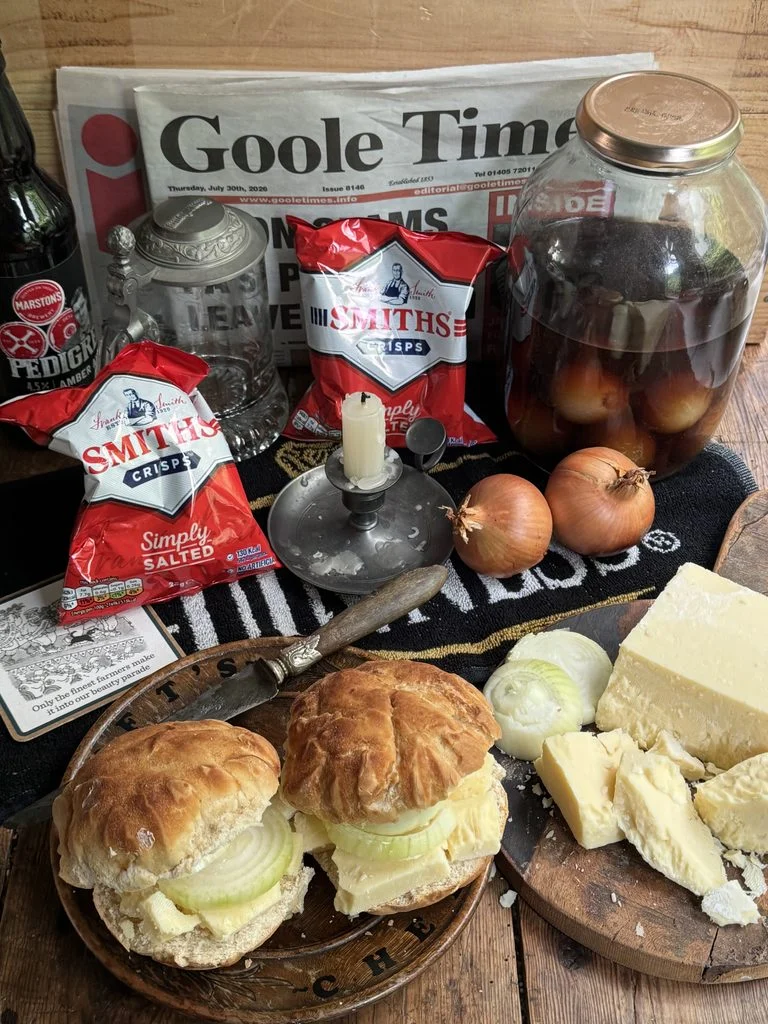
The Cultural Significance of the Regional Bread Roll
The British landscape is defined by a deep-seated, historic relationship with bread production. With over 200 distinct varieties of bread identified across the United Kingdom, the terminology used for a simple roll serves as a linguistic map of the nation. In the Midlands, the term "cob" is widely utilized, while Northern regions may favor "barm cake" or "bread cake." Other regions distinguish their offerings through specific baking methods, such as the "stottie cake" in the Northeast or the "Kentish huffkin."

This linguistic diversity is not merely academic; it reflects a long-standing tradition of local bakeries and regional dietary habits. As modern food culture shifts toward artisan and localized products, the resurgence of the "pub cob" highlights a consumer preference for authentic, heritage-based food experiences that connect contemporary diners to the social history of the local public house.

Historical Context of the Pub Butty
The "cheese and onion cob" represents more than just a sandwich; it is a relic of the mid-20th-century pub culture. Historically, these items were not considered haute cuisine, but rather practical, substantial, and affordable sustenance for patrons. In rural pubs, such as those found in Yorkshire and the Midlands, these rolls were frequently offered to local groups, including darts teams and social clubs, providing a savory, filling option that paired well with traditional ales.

During the latter half of the 20th century, the pub lunch evolved from a simple bread-based snack to more complex hot food menus. However, the simplicity of the cheese and onion cob—consisting solely of a fresh, buttered roll, thick-cut mature cheddar, and pungent raw yellow onion—has survived as a quintessential example of "no-frills" British gastronomy. Industry experts suggest that the recent "revival" is a direct response to the complexity and over-processing of contemporary fast-food trends.

Nutritional Profile and Ingredient Standards
From a nutritional perspective, the traditional cheese and onion cob is a calorie-dense, energy-rich food item. According to standardized food analysis, a single serving typically contains approximately 348 calories, 21 grams of fat, and 17 grams of protein. While it remains a popular choice for a hearty lunch, it is categorized as a high-sodium food, with an average of 563mg of sodium per serving, largely attributed to the mature cheddar cheese.

The preparation of an authentic pub-style cob requires adherence to specific ingredient standards. Culinary purists argue that the use of red onion is a modern deviation, asserting that the traditional recipe demands a classic yellow or "Spanish" onion for its specific sharpness. Furthermore, the quality of the bread is the defining factor; the roll must possess a crusty exterior to withstand the moisture of the butter and the density of the cheese. The choice of mature cheddar is equally essential, as its robust flavor profile is required to balance the intensity of the raw onion.

Economic and Social Implications
The return of the cheese and onion cob to the menu boards of British pubs signals a shift in the economic strategy of hospitality venues. By focusing on low-cost, high-margin traditional ingredients, pubs can maintain profitability while catering to the growing demand for sustainable, locally sourced, and traditional food items.

Furthermore, the "pub butty" serves a social function. It encourages a communal atmosphere, often served alongside other traditional snacks like pickled onions and crisps. This format supports the "pub as a community hub" model, rather than the "pub as a fine-dining establishment" model. Analysts from the hospitality sector note that as the cost-of-living crisis affects consumer spending, the move toward "affordable luxury" and traditional comfort food is likely to continue, ensuring that these classic sandwiches remain a fixture of the British dining scene for the foreseeable future.

Regional Popularity and Geographic Distribution
While the "cob" is a term synonymous with the Midlands—specifically Leicester, Nottingham, and Derby—the concept of the cheese and onion sandwich transcends these borders. Research into British food geography shows a high concentration of such traditional sandwiches in the "Black Country" and throughout Yorkshire.

In these regions, the survival of the dish is tied to the preservation of local identity. Pubs that have maintained these recipes are often viewed as stewards of local history. The social media-driven "foodie" movement has also played a role in this revival, with younger generations documenting their discovery of traditional British snacks, thereby bridging the gap between historical pub culture and modern digital consumption habits.

Future Outlook for Traditional British Snacks
As the hospitality industry moves toward 2026 and beyond, the focus on "heritage recipes" is expected to intensify. The cheese and onion cob acts as a gateway for other traditional British staples—such as Welsh rarebit, cheese flans, and regional meat pies—to regain prominence.

Statements from independent pub owners across the Midlands suggest that the demand for these items is not merely a passing trend. Customers are increasingly seeking food that offers a sense of continuity and comfort in an uncertain economic climate. By leveraging the history of the humble bread roll, establishments are finding that they can drive foot traffic and foster brand loyalty without the need for high-cost, international ingredients.

Ultimately, the humble cheese and onion cob serves as a powerful reminder of the endurance of regional food culture. Its revival is a testament to the fact that culinary success does not always require innovation or complexity. Instead, it often relies on the quality of ingredients, the adherence to tradition, and the ability of a dish to evoke a sense of place and time. Whether served in a historic pub in Rillington or a modern café in the Midlands, the cheese and onion cob remains a cornerstone of the British lunch, reflecting the enduring tastes of a nation that values its history as much as its flavor.
