
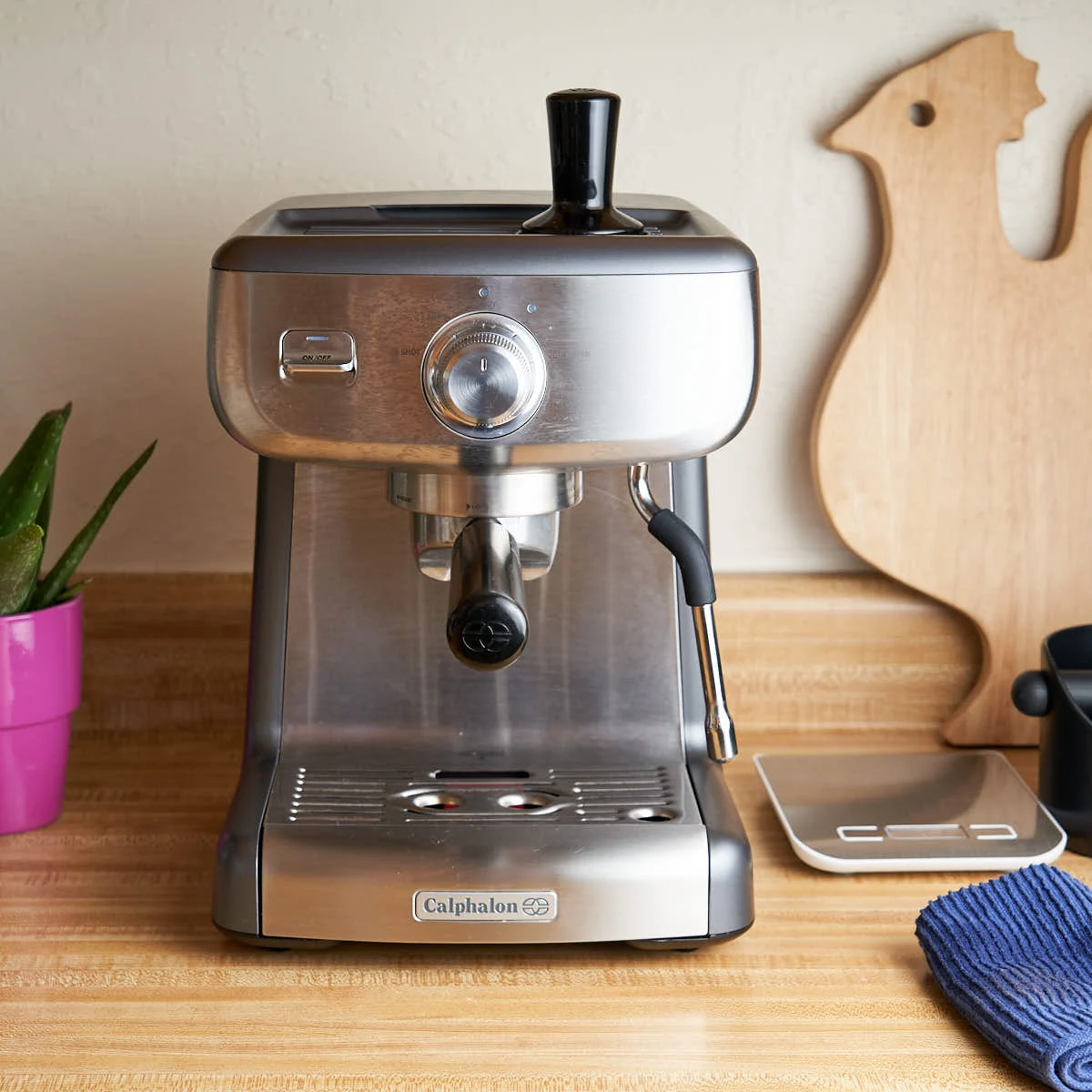
The home espresso market has experienced a significant shift in recent years, driven by a growing consumer preference for cafe-quality beverages within a domestic setting. Among the appliances facilitating this trend is the Calphalon Temp IQ Espresso Machine, a mid-range unit designed to bridge the gap between entry-level manual brewers and high-end commercial hardware. Following several months of rigorous daily operation, an examination of its technical capabilities, ergonomic design, and maintenance requirements reveals a machine that prioritizes efficiency and consistent extraction over complex, multi-feature interfaces.
Background and Context of the Home Espresso Segment
The global home coffee machine market has been valued at over $4 billion, with a projected compound annual growth rate that underscores the increasing demand for specialized brewing technology. Consumers are increasingly moving away from basic drip coffee makers toward manual and semi-automatic espresso systems. This transition is largely attributed to the rise of the "third-wave" coffee movement, which emphasizes the origin, quality, and preparation of coffee beans. The Calphalon Temp IQ enters this competitive landscape as an accessible option for households seeking to replicate the technical precision of professional baristas without the prohibitive cost or footprint of a commercial-grade machine.
Design Specifications and Mechanical Functionality
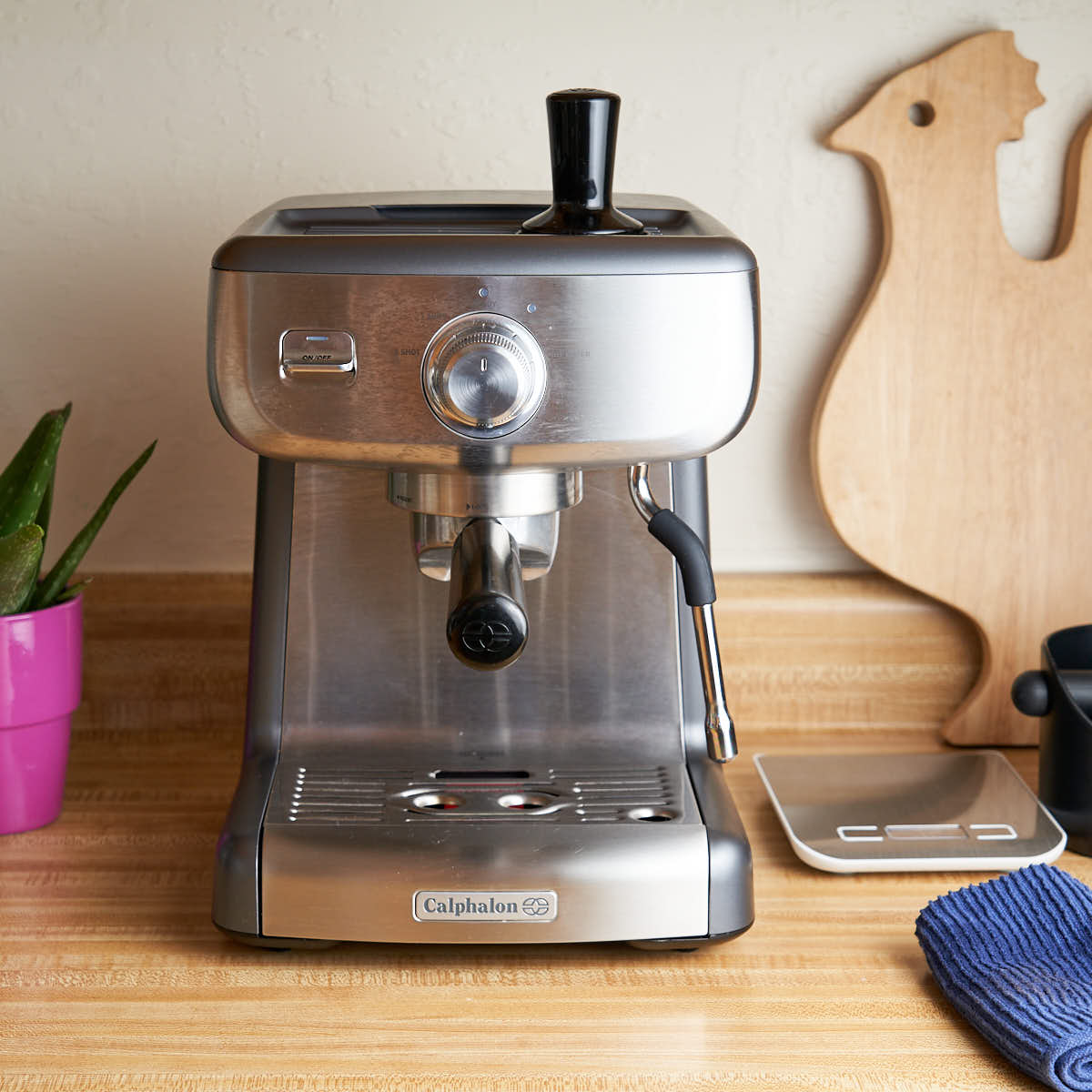
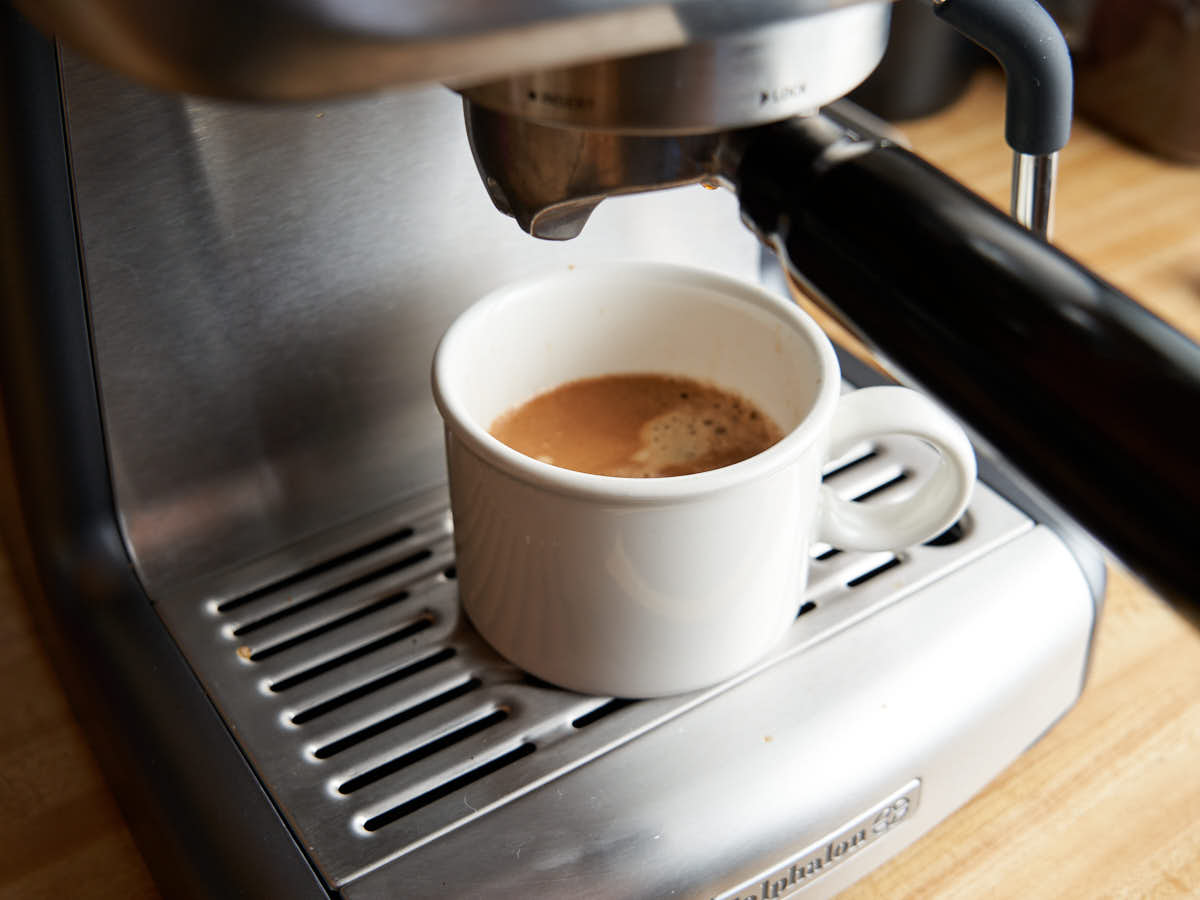
At the core of the Calphalon Temp IQ is a design philosophy centered on intuitive operation. Unlike many contemporary machines that rely on complex touchscreens or cloud-connected apps, the Temp IQ utilizes a tactile, single-knob control interface. This simplicity reduces the mechanical failure rate often associated with more complex electronics while providing the user with direct control over the brewing process.
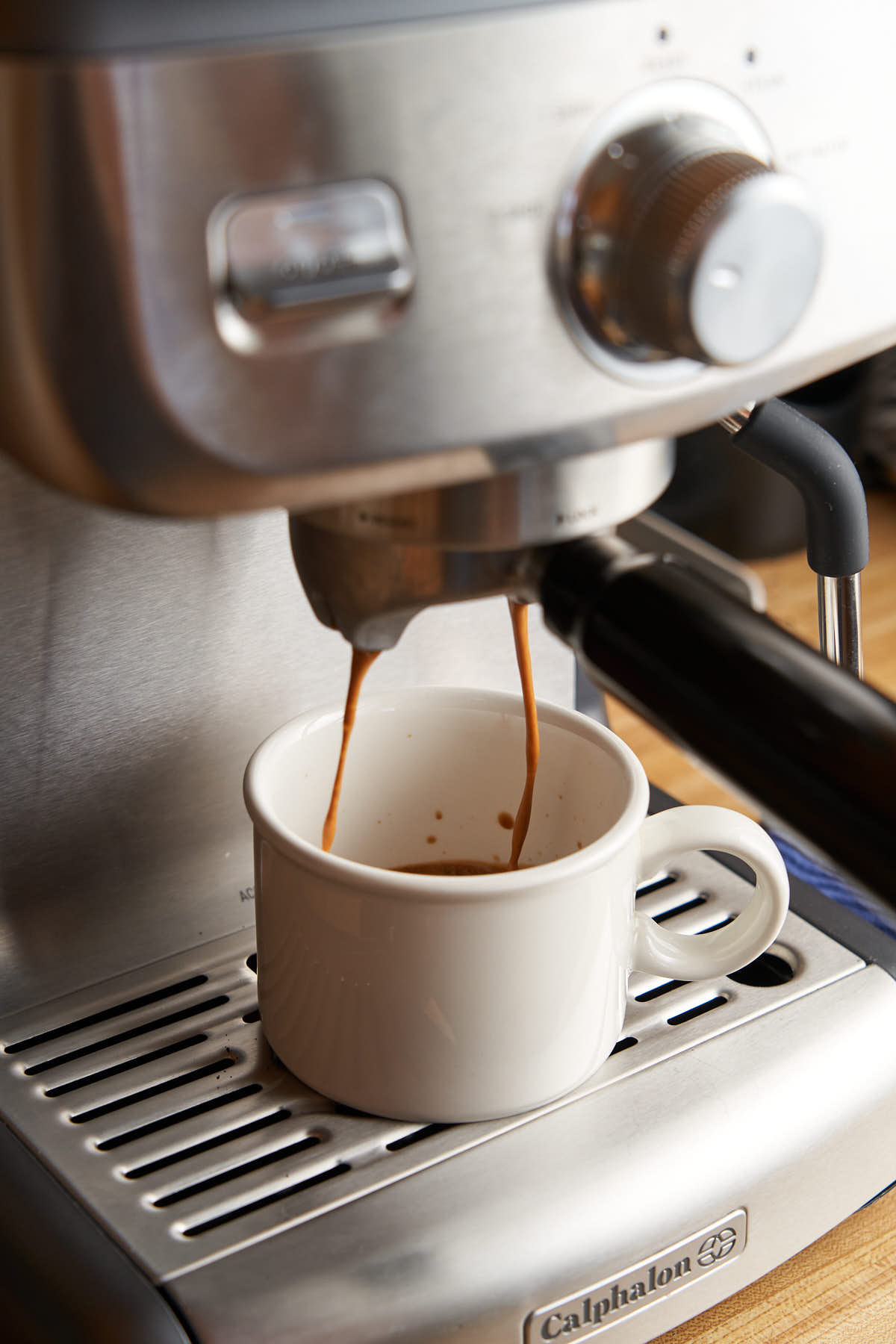
The machine features a factory-calibrated extraction system that automates the timing for single (1 oz) and double (2 oz) shots. This automation is a significant advantage for users balancing morning routines with the need for high-quality caffeine intake. The internal thermal management system ensures that water temperature remains within the optimal range for espresso extraction—typically between 195°F and 205°F—which is crucial for avoiding the bitter or sour notes that arise from temperature instability.
Comparative Analysis: The Grinder Dilemma
A critical decision for prospective buyers is whether to invest in the version of the Temp IQ that includes an integrated conical burr grinder or the standalone machine. The choice involves a trade-off between convenience and long-term performance.
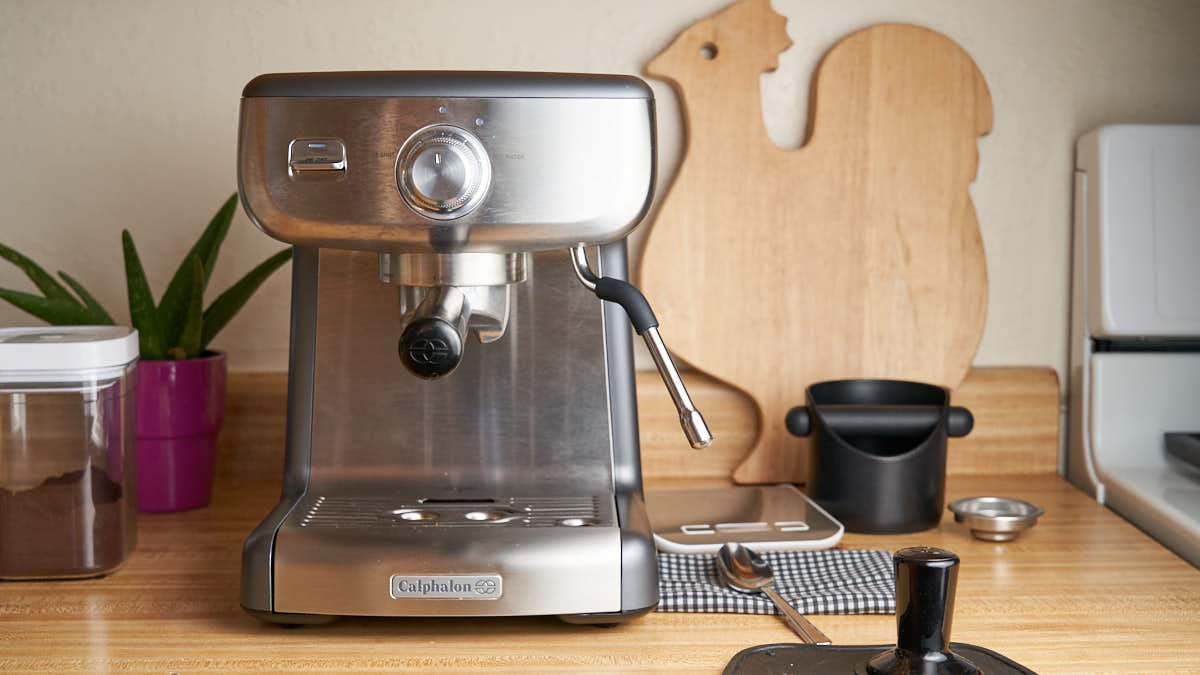
Industry experts frequently observe that integrated grinders in mid-range espresso machines often lack the precision and adjustment range of dedicated, standalone professional grinders. By opting for the machine without the integrated grinder, users gain two primary advantages: a reduced physical footprint—allowing for better clearance under standard kitchen cabinets—and the ability to utilize external grinding services. For many consumers, outsourcing the grinding process to a local roastery ensures the use of commercial-grade burrs, which produce a more uniform particle size distribution. This consistency is essential for achieving the perfect pressure profile during the extraction phase.
Technical Performance and Steam Capabilities
One of the most common points of failure in home espresso machines is the steam wand. Many entry-level units struggle to provide sufficient steam pressure to properly emulsify milk into microfoam. The Calphalon Temp IQ, however, incorporates a steam wand designed for consistent pressure, enabling users to achieve the velvety texture required for latte art.
While the provided pitcher is sufficient for single-serving beverages, the machine’s recovery time between steaming and brewing is optimized for domestic throughput. Observations suggest that while it may not be suitable for high-volume commercial environments, it performs reliably for multiple consecutive drinks, provided the user follows a structured maintenance protocol.
Maintenance and Operational Longevity
The durability of an espresso machine is directly linked to the user’s adherence to cleaning cycles. The Calphalon Temp IQ requires a routine maintenance schedule that includes:
- Daily Maintenance: Purging the steam wand after each use to prevent milk protein buildup and wiping the group head to remove residual oils.
- Weekly Maintenance: Hand-washing the portafilter and filter baskets. It is important to note that these components are not dishwasher-safe; the high heat and harsh detergents of a dishwasher can strip the protective finish and degrade the seals.
- Periodic Maintenance: Utilizing the provided cleaning tool to ensure the filter basket apertures remain clear of coffee particulate, which can cause uneven extraction or clogging.
From a design perspective, the accessibility of the drip tray and the water reservoir reflects a user-centric approach that simplifies the cleaning process, thereby increasing the likelihood that owners will perform the necessary upkeep to ensure the machine’s longevity.
Strategic Implications for the Consumer
The decision to acquire a machine like the Calphalon Temp IQ should be based on an assessment of one’s coffee consumption habits and technical proficiency. For the beginner, the detailed manual provided by the manufacturer serves as an effective onboarding tool, demystifying the variables of espresso preparation—such as tamp pressure, grind size, and extraction timing.
For the more experienced user, the machine offers a reliable platform for experimentation. While the factory settings are sufficient for most, the ability to program shot volumes allows for personalization that can accommodate different bean densities and roast profiles.
Broader Market Impact
The success of the Calphalon Temp IQ highlights a broader trend in kitchen appliance manufacturing: the move toward "prosumer" equipment. This segment of the market provides a significant portion of revenue for appliance manufacturers as the barrier to entry for high-quality home brewing continues to lower. The implications for the specialty coffee industry are profound; as more consumers gain access to quality espresso machines at home, the demand for high-quality, ethically sourced, and freshly roasted beans from local independent roasters is likely to continue its upward trajectory.
In summary, the Calphalon Temp IQ stands as a robust contender in the home espresso space. It avoids the pitfall of unnecessary complexity in favor of fundamental performance, making it a viable solution for those who prioritize the quality of the final cup. By focusing on consistent temperature regulation, user-friendly controls, and a straightforward maintenance architecture, the machine fulfills its promise of delivering a professional-style espresso experience within a domestic footprint. As the holiday season approaches and gift-giving patterns shift toward long-term home investments, machines that prioritize durability and ease of use, such as the Temp IQ, are expected to remain high-priority items for culinary-focused consumers.
