
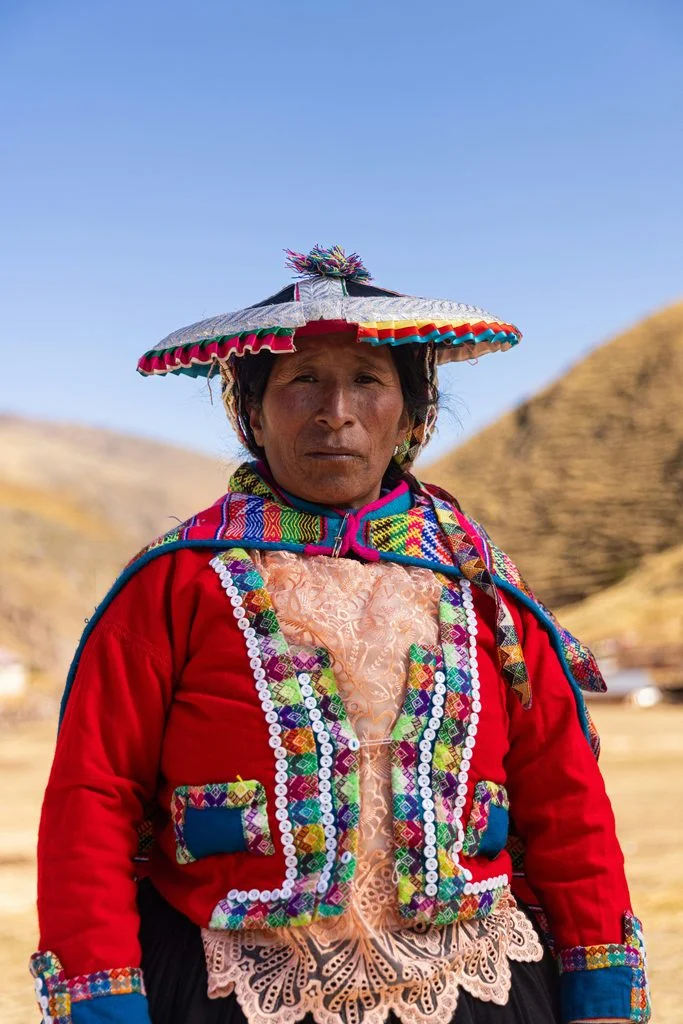
Peru represents a complex tapestry of geography, ranging from the arid Pacific coastline to the soaring peaks of the Andes and the dense biodiversity of the Amazon basin. For the first-time traveler, the country presents a logistical challenge: balancing the sheer breadth of its historical landmarks with the intricacies of its world-renowned culinary scene. While Machu Picchu remains the primary driver of international tourism, experts advise that a successful itinerary requires a measured approach to altitude, transit, and local cultural immersion.

The Culinary Landscape: A Global Gastronomic Hub
The reputation of Peruvian cuisine has undergone a significant transformation over the last two decades, moving from a regional secret to a global benchmark. Lima, the nation’s capital, frequently hosts several of the world’s top-ranked restaurants, yet the authentic culinary heart of the country is found in its traditional preparations.
Ceviche, the national dish, serves as a primary example of Peru’s integration of indigenous ingredients with colonial influence. The dish relies on the freshness of the catch, typically sourced from the cold Humboldt Current. Scientific analysis of the dish suggests that the acidity of the lime juice effectively denatures the proteins in the fish, creating a texture similar to cooking. In Lima, the tradition of eating ceviche primarily at lunch—before the fish loses its peak freshness—is a cultural norm that visitors are encouraged to respect.

Complementing this is the Lomo Saltado, a dish that epitomizes the "Chifa" influence, a fusion of Chinese stir-fry techniques with Peruvian ingredients. Consisting of beef, tomatoes, onions, and chili peppers served over a mixture of rice and French fries, it reflects the historical migration patterns that shaped Peru’s modern demographic.
Navigating the Sacred Valley: Historical Context and Logistics
The Sacred Valley of the Incas, situated between Cusco and Machu Picchu, acts as both a historical corridor and an essential acclimatization zone. The geography of the region, characterized by high-altitude valleys and steep terraced slopes, necessitated the development of sophisticated agricultural and engineering techniques by the Inca civilization.

Sites such as Ollantaytambo are of particular historical significance. It is one of the few places in Peru where the original Inca urban planning remains largely intact. Travelers are encouraged to visit these sites early in the morning to avoid the surge of mid-morning train arrivals, which can significantly alter the experience of the ruins. The precision of the stonework at the temple heights remains a subject of study, showcasing the Inca mastery of seismic-resistant architecture.
Chronology of an Andean Itinerary
A standard ten-day itinerary often necessitates a strategic sequence to mitigate the physiological impact of altitude.

Day 1–2: Arrival in Lima. Acclimatization to the time zone and exploration of the coastal culinary scene.
Day 3–4: Transit to Cusco and immediate descent into the Sacred Valley (lower altitude) to allow the body to adjust.
Day 5: Engagement with the agricultural history of Pisac and the salt mines of Maras.
Day 6: Transit toward the Machu Picchu gateway, ensuring pre-booked, timed entry circuits are confirmed.
Day 7: Exploration of the Machu Picchu citadel.
Day 8–9: Return to Cusco for an in-depth study of the Qorikancha and the juxtaposition of colonial and Inca architecture.
Day 10: Departure or optional extension to secondary hubs like Puno or the Amazon region.
Data-Driven Travel Planning
The logistical constraints of visiting Peru are significant. According to data from the Peruvian Ministry of Foreign Trade and Tourism (MINCETUR), the annual influx of tourists to the Cusco region has consistently strained infrastructure during peak months. Consequently, the government implemented a strict, circuit-based ticketing system for Machu Picchu in recent years.

Travel experts note that the "circuit" system is not merely a crowd-control measure but a conservation effort to protect the structural integrity of the site. Each ticket is tied to a specific route and timeframe, meaning that failure to adhere to the booking can result in total denial of entry. Independent analysis of travel agency packages shows that visitors who prioritize "all-inclusive" low-cost tours often find their entry permits restricted to circuits that exclude the iconic, panoramic "postcard" viewpoints of the citadel.
Cultural and Physiological Considerations
The consumption of local staples such as Chicha Morada—a non-alcoholic beverage made from purple corn, pineapple, and spices—and coca tea is deeply embedded in local Andean culture. While coca tea is widely marketed as a remedy for altitude sickness, medical professionals note that while it may provide mild symptomatic relief, it is not a substitute for proper rest and hydration.

The broader implications of tourism in Peru extend to the preservation of indigenous markets. At the Pisac market, visitors are encouraged to look past the textile stalls geared toward international retail and observe the "producers’ sections." On market days, local farmers from the highlands bring their goods, offering a glimpse into the traditional barter and trade systems that still underpin the rural economy.
Expert Recommendations for the First-Time Visitor
Industry analysts and travel planners emphasize the following points for those orchestrating their first visit:

- Prioritize Acclimatization: Altitude sickness, or "soroche," affects a significant percentage of travelers. The recommendation remains two nights at altitude before engaging in high-exertion activities.
- Verify Entry Tickets: Before finalizing any travel package, ensure the specific circuit for the Machu Picchu ticket is transparent. Not all tickets offer access to the same areas of the site.
- Market Timing: To witness the authentic economic life of towns like Pisac, aim for market days (typically Tuesday, Thursday, and Sunday) and arrive before 10:00 AM.
- Transport Realities: The transit between major sites can be time-consuming. Attempting to add extensions like the Amazon or Lake Titicaca to a short trip often results in "transit fatigue," where the majority of the vacation is spent in buses or airports rather than at the destinations themselves.
- Dietary Hygiene: When exploring street food, specifically dishes like anticuchos (beef heart skewers), adhere to the "queue rule." Stalls with high turnover and visible cooking processes are statistically safer for the digestive system than those with minimal patronage.
Future Implications for Tourism Management
The Peruvian government continues to balance the economic necessity of tourism with the preservation of its cultural heritage. The shift toward digital, timed-entry ticketing is part of a larger, long-term strategy to decentralize tourism away from the most congested areas.
As the global travel market continues to evolve, the trend is shifting toward "slow travel." This involves spending more time in fewer locations, allowing for a deeper understanding of local customs and reducing the carbon footprint associated with frequent short-haul travel between Andean hubs. For the first-time visitor, the most successful trips are those that view the itinerary as a living document, subject to the pace of the landscape rather than a rigid, hour-by-hour schedule.

Ultimately, the first trip to Peru serves as an introduction to a nation that is still actively uncovering its history. Whether through the colonial architecture of Cusco or the pre-Incan agricultural traditions still practiced in the Sacred Valley, the experience provides a comprehensive look at the intersection of history, geography, and culinary innovation. By tempering expectations with careful planning and an openness to the local pace of life, travelers can ensure that their first experience is not their last.
