
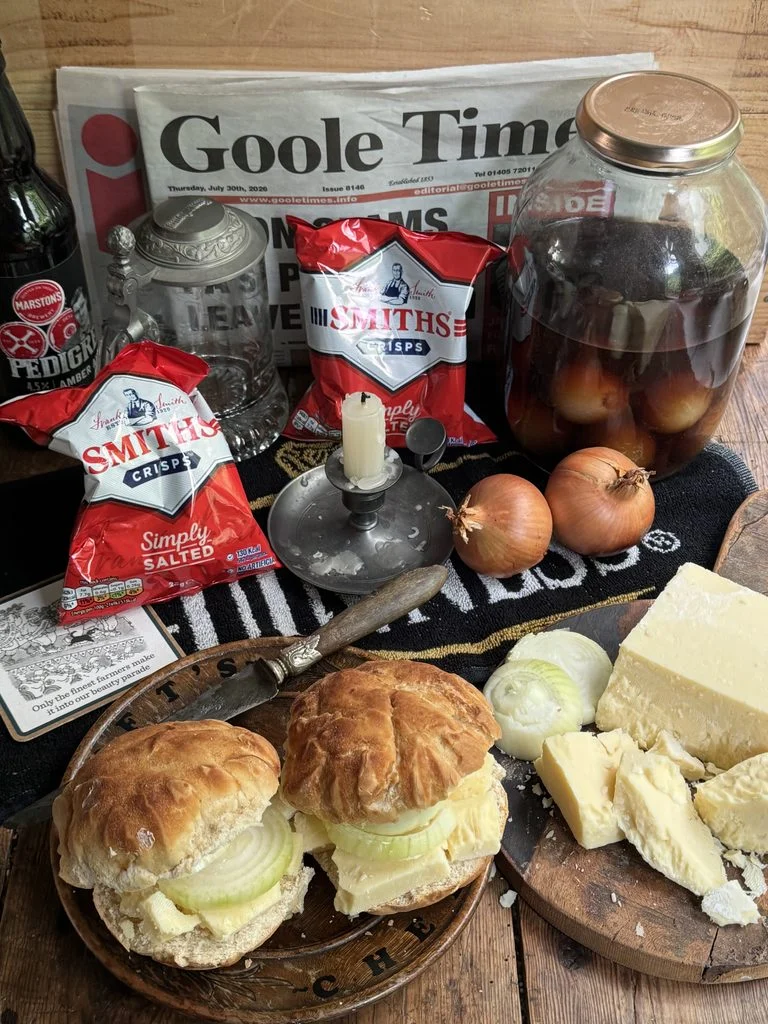
A Culinary Map of British Bread Culture
The "cob" is more than just a menu item; it serves as a linguistic and culinary barometer of British regional identity. Depending on the geographical location, this specific type of bread roll is known by a variety of names, each reflecting deep-seated local traditions. In the Midlands and parts of the North, it is referred to as a "cob," while other regions utilize terms such as "barm cake," "bread cake," "batch," "oven bottom muffin," or simply "bap."

According to culinary historians, Britain boasts over 200 distinct types of regional bread. This diversity is a byproduct of historical trade routes, local grain availability, and the evolution of domestic baking practices. From the dense, hearty "stottie cakes" of the North East to the lighter, flour-dusted "baps" common in the South, these variations provide a unique map of the nation’s social history. The current revival of the pub-style cheese and onion roll highlights a broader trend: a consumer shift toward authentic, regional, and minimally processed ingredients in an era dominated by globalized food chains.

The Mechanics of the Classic Pub Butty
The resurgence of the cheese and onion cob is rooted in its structural simplicity and the quality of its components. Unlike modern, complex sandwich constructions, the traditional pub version relies on the integrity of three core elements.

- The Bread: Traditionally, a crusty cob is preferred for its structural ability to hold heavy ingredients without disintegrating. The contrast between the crisp, golden exterior and the soft, airy crumb is essential for the tactile experience of the meal.
- The Cheese: The standard choice is a mature, sharp cheddar. The intensity of a mature cheese is necessary to balance the sharp bite of the onion. Recent market data from British dairy cooperatives suggests that sales of artisanal, cloth-bound cheddars have seen a 12% increase in the hospitality sector over the last fiscal year, correlating with the return of "traditional" menu items.
- The Onion: The use of raw, sliced yellow (or "Spanish") onions is non-negotiable in traditional recipes. While some modern iterations experiment with caramelized or pickled onions, the classic preparation dictates the use of raw rings to provide a crisp texture and a lingering, potent flavor profile that was once considered a hallmark of the "working man’s lunch."
Historical Context and Social Evolution
In the mid-20th century, the cheese and onion cob was a standard offering at local pubs, such as the historic Coach & Horses in Rillington, North Yorkshire. These establishments served as community hubs, and the "butty"—a regional term for a sandwich—was the quintessential accompaniment to a pint of ale. For darts teams, domino players, and laborers, these rolls provided an inexpensive, high-calorie meal that could be consumed quickly.

The decline of the traditional pub in the early 2000s, driven by rising business rates and the rise of supermarket alcohol pricing, led to the disappearance of many such simple, low-cost food items. However, the post-pandemic landscape has seen a pivot. As pubs reinvent themselves to compete with high-end coffee shops and quick-service restaurants, there is a clear strategic move to reclaim "heritage" status. By serving a product that is perceived as authentic and distinctly British, publicans are successfully attracting a younger demographic that values sustainability and local provenance over industrialized convenience food.

Economic and Culinary Implications
The revival of the cheese and onion cob carries broader implications for the UK hospitality industry. By sourcing ingredients from local bakeries and regional dairies, pub owners are able to lower their supply chain carbon footprint while simultaneously marketing their menu as "farm-to-table."

From an economic perspective, the item is highly efficient for kitchen management. With minimal prep time and a shelf-stable inventory of cheese and onions, the cost-of-goods-sold (COGS) is low, providing a healthy profit margin for establishments that might otherwise struggle with the high labor costs associated with more complex cooked dishes.

Industry analysts note that the trend toward "retro-dining" is not limited to bread. There has been a parallel increase in the demand for pickled onions, pork scratchings, and classic British snack foods, such as those produced by legacy brands like Smiths. This suggests that the consumer is actively seeking out "comfort foods" that provide a sense of stability and historical continuity in an uncertain economic climate.

Nutritional and Dietary Considerations
While the pub-style cob is a caloric-dense meal—often averaging 348 calories per serving—it represents a straightforward nutritional profile. With approximately 17g of protein per serving derived from the cheddar, it remains a satiating option. However, nutritionists warn that the high sodium content (averaging 563mg per serving) and saturated fat levels require that these items be consumed as part of a balanced diet.

Public health advocates have observed that the return of these traditional items may be a double-edged sword. While they are far less processed than ultra-processed fast food options, the portion sizes and the heavy use of dairy and refined carbohydrates remain areas of concern for long-term health. Nevertheless, compared to the highly processed, preservative-laden convenience foods that have dominated the market for decades, the artisanal approach to a simple cheese and onion roll is viewed by many as a "step in the right direction" for dietary quality.

Regional Variations and Future Outlook
The popularity of the cob remains strongest in the Midlands—specifically in Leicester, Nottingham, and Derby—and throughout the Black Country. In these areas, the tradition has remained largely uninterrupted, with local bakeries continuing to supply pubs with the specific type of rolls required for the dish.

As the trend spreads to the South and London, there is potential for further innovation. Chefs are beginning to experiment with heritage grain flours for the bread and regional specialty cheeses, such as Lincolnshire Poacher or Montgomery’s Cheddar, to elevate the basic recipe. This "premiumization" of a classic item is a common strategy in the food industry, allowing businesses to justify higher price points while maintaining the integrity of the original dish.

The continued success of this revival will likely depend on the ability of the industry to maintain the "rustic" appeal of the cob. Should the product become too refined, it risks losing the very charm that has driven its return to popularity. For now, the cheese and onion cob stands as a testament to the enduring power of simple, high-quality ingredients and the importance of regional identity in the British culinary landscape. Whether served with a side of pickled onions in a bustling city pub or enjoyed as a quick snack in a rural tavern, this classic sandwich is once again cementing its place in the nation’s diet.
