
Historical Context and Maritime Heritage
The nomenclature of the Yorkshire Coble Cake is inextricably linked to the region’s maritime industry. For centuries, the coble has been the vessel of choice for North East English fishermen. These boats are designed with a sharp, high bow to cut through the steep, short waves of the North Sea, while the flat stern allows for easy beaching on the sandy shores of coastal villages. As these fishing communities developed, their culinary traditions became equally distinct. The cake emerged as a hearty, warming treat served in local tearooms, providing sustenance to sailors and residents alike.

While there is some confusion in local folklore between the "Coble Cake" and the smaller "Cobble Cake"—the latter being a spiced, biscuit-like treat featuring almonds, peel, and mixed spices topped with lemon-vanilla icing—the Coble Cake remains distinct as a larger, sponge-based dessert. It is essentially a variation of the classic British Victoria sandwich, adapted for the climate and resources of the Yorkshire coast.

Technical Composition and Culinary Evolution
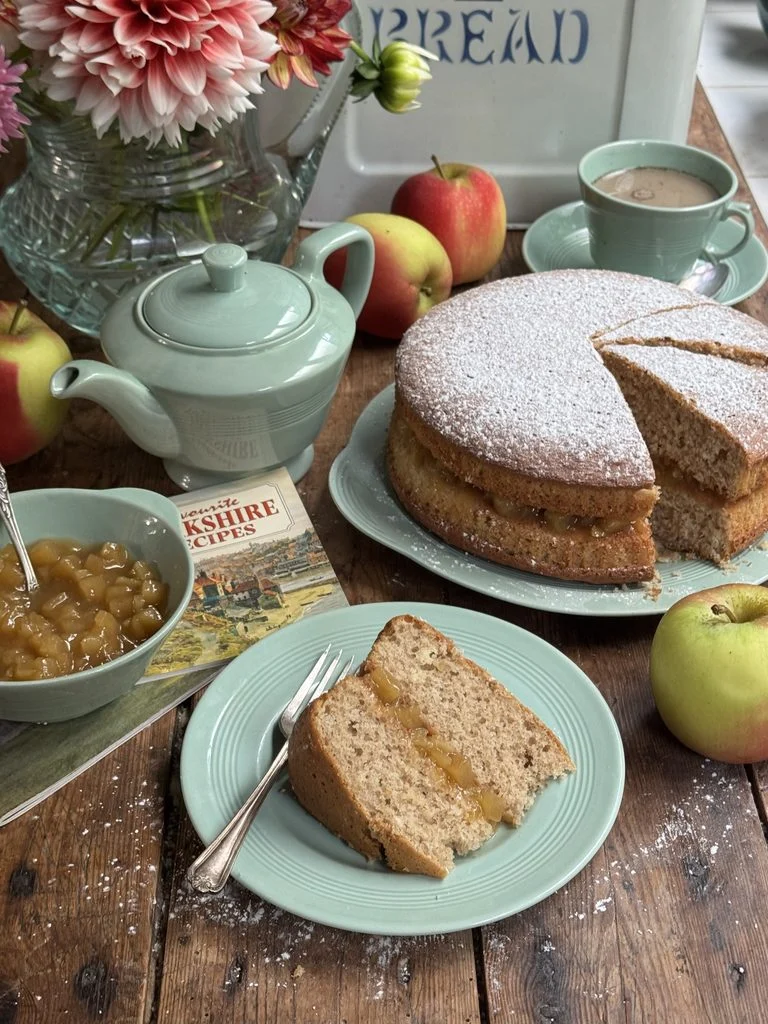
The Yorkshire Coble Cake is characterized by its aromatic profile, utilizing a blend of traditional English baking spices including ginger, cinnamon, nutmeg, and the regional staple known as "mixed spice." Unlike the standard Victoria sponge, which typically relies on a jam filling, the Coble Cake requires a dense, flavorful apple compote or thick apple sauce.

Historically, the use of Bramley apples—a variety native to the United Kingdom—is essential to the structural integrity and flavor of the dish. The acidity of the Bramley apple, which breaks down into a fluffy, smooth consistency when cooked, provides a necessary contrast to the richness of the spiced sponge.

Chronology of Traditional Recipe Development
The transition of the Coble Cake from a localized maritime snack to a recognized regional recipe follows a timeline of domestic preservation:

- 19th Century: The establishment of coastal tearooms in Staithes and Whitby solidified the cake’s status as a staple offering for the burgeoning tourist trade and local workers.
- Early 20th Century: Informal documentation of the recipe occurred primarily through oral tradition and handwritten domestic ledgers within North Yorkshire households.
- 2014: Increased interest in "vintage" recipes led to public discourse regarding the distinction between the biscuit-style "Cobble Cake" and the sponge-based "Coble Cake," as noted by researchers in regional culinary archives.
- September 2026: Modern culinary historians and food writers, such as Karen Burns-Booth, have worked to standardize the preparation methods, ensuring the preservation of the recipe for future generations while adapting quantities for contemporary domestic baking requirements.
Nutritional Profile and Preparation Standards
A standard serving of Yorkshire Coble Cake is designed to provide a high-energy intake, consistent with its origins as a comfort food for coastal laborers. Analysis of a typical serving—approximately 1/10th of a standard 20cm cake—reveals a significant nutritional density:

- Calories: 357 kcal
- Total Fat: 20g (12g saturated, 8g unsaturated)
- Carbohydrates: 42g (36g from sugars)
- Protein: 4g
- Sodium: 179mg
- Cholesterol: 124mg
The preparation process involves a controlled aeration of butter and sugar, followed by the systematic incorporation of eggs and a dry mix of flour and aromatics. The assembly requires the sponge to be cooled completely before the application of the apple compote to prevent the structure from collapsing. The final dusting of icing sugar serves both as a decorative element and a traditional finish, omitting the need for complex icings or buttercream, which would otherwise overpower the delicate spice balance.

Economic and Cultural Implications
The continued popularity of the Yorkshire Coble Cake has significant implications for the regional tourism economy of North Yorkshire. As visitors to Whitby and Staithes increasingly seek "authentic" regional experiences, traditional recipes have become a focal point of cultural marketing. The inclusion of such recipes in contemporary digital media ensures that the culinary heritage of the North Sea coast is not lost to globalization.

Furthermore, the adaptation of the recipe—such as the transition from entirely homemade apple sauce to the use of high-quality, commercial Bramley apple products—demonstrates the flexibility of regional dishes. This shift allows the recipe to remain accessible to modern home bakers who may lack the time to produce traditional compotes from scratch, thereby ensuring the longevity of the Coble Cake as a household staple.

Comparative Analysis: Regional British Cakes
The Coble Cake occupies a specific niche within the pantheon of British regional baking. When compared to other notable Yorkshire exports, such as the Yorkshire Parkin (a dense, ginger-based oat cake) or the Yorkshire Curd Tart, the Coble Cake offers a lighter, more ethereal texture. While the Parkin is designed for longevity and slow consumption, the Coble Cake is best consumed fresh, ideally served warm, which highlights the aromatic properties of the ginger and cinnamon.

The broader impact of such recipes lies in their ability to foster a sense of regional identity. By maintaining specific ingredients—such as the preference for Bramley apples—the recipe acts as an informal guardian of regional agriculture. The persistent demand for these specific ingredients supports local orchards and suppliers who maintain traditional apple varieties that might otherwise be superseded by more uniform, commercial imports.

Technical Recommendations for Modern Preparation
To achieve the standard professional quality associated with the historic Coble Cake, culinary experts emphasize the following techniques:

- Temperature Control: Ingredients must be at room temperature to ensure proper emulsification of the butter and eggs.
- Baking Precision: The use of 20cm Victoria sandwich tins is non-negotiable for achieving the correct rise-to-density ratio.
- Compote Consistency: Whether using store-bought or homemade sauce, the texture must be smooth enough to spread but thick enough to prevent the cake layers from sliding. The addition of lemon zest to homemade sauce is strongly advised to balance the sweetness of the apples.
- Service: The tradition of serving the cake warm with cream—whether whipped, pouring, or clotted—is not merely aesthetic but serves to hydrate the sponge, which can be prone to dryness due to the lack of heavy fats in the filling.
In conclusion, the Yorkshire Coble Cake remains a testament to the resilience and resourcefulness of North Yorkshire’s maritime history. Through the documentation of its specific spice profile and the refinement of its preparation methods, this regional treasure continues to occupy a vital role in British culinary culture, bridging the gap between historical necessity and modern gastronomic appreciation. As interest in regional provenance continues to grow, the Coble Cake serves as a primary example of how local geography and history manifest in the domestic kitchen.
