

Thanksgiving is traditionally centered around the late-afternoon turkey feast, but in recent years, the morning hours have become an increasingly popular time for culinary creativity and family gatherings. While many households have historically opted to skip breakfast to save room for the main event, nutritionists and culinary experts note that starting the day with a balanced meal can actually stabilize energy levels and prevent the common pitfall of overeating during the Thanksgiving dinner. By incorporating seasonal ingredients like pumpkin, cranberries, cinnamon, and hearty root vegetables into a morning menu, hosts can turn Thanksgiving breakfast into a festive, manageable, and highly anticipated tradition.

The shift toward elaborate Thanksgiving brunches has been documented across various food-focused media outlets and social platforms, reflecting a broader trend of "all-day celebration" culture. Whether it is an intimate meal for a household or an extensive brunch for visiting relatives, these recipes provide a strategic way to manage kitchen workflow. By utilizing make-ahead casseroles and overnight bakes, hosts can ensure that their morning remains stress-free while still serving high-quality, comforting dishes that set the tone for the entire holiday.
The Strategic Value of a Planned Thanksgiving Breakfast
The logistical benefits of a structured morning meal cannot be overstated. According to professional caterers, preparing a breakfast that can be assembled the night before is the most efficient way to balance the demands of the kitchen. A well-timed breakfast acts as an "appetizer" for the day, allowing family members to congregate and socialize before the intensive labor of roasting a turkey and preparing traditional sides begins.
Furthermore, from a nutritional perspective, consuming a protein-rich breakfast can prevent the sharp blood sugar spikes often associated with the high-carbohydrate nature of the later dinner. Many of the most popular breakfast recipes for this holiday—such as savory egg and sausage casseroles or vegetable-packed skillets—provide a necessary nutritional foundation that carries the host through hours of standing and preparation.
Categorizing the Modern Thanksgiving Morning Menu
The diversity of available recipes allows for a menu that ranges from quick, on-the-go options to elaborate, sit-down brunch spreads. To organize a successful morning, culinary experts often categorize recipes by preparation time and dietary requirements.
1. The Convenience of Overnight Casseroles
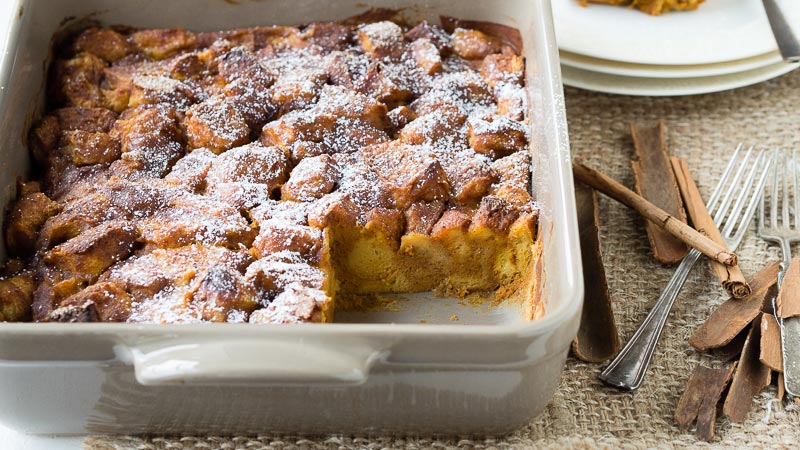
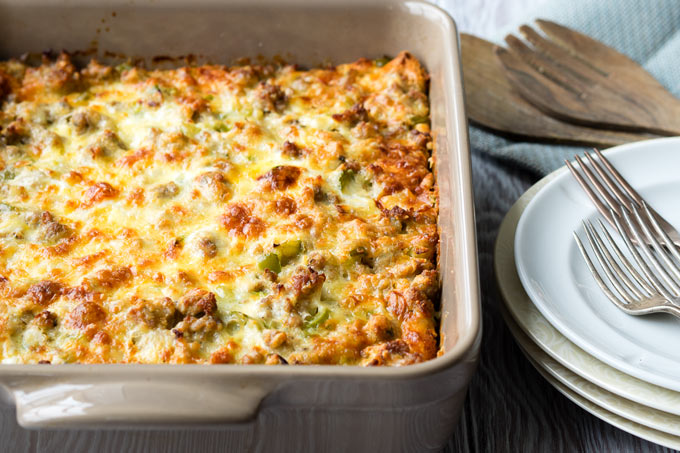
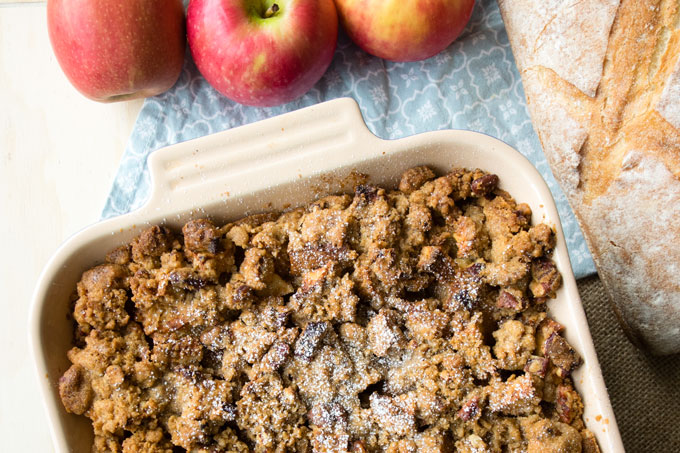
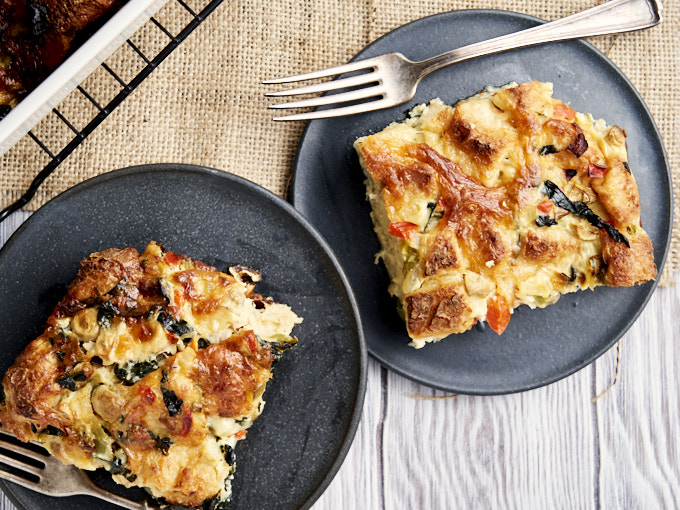
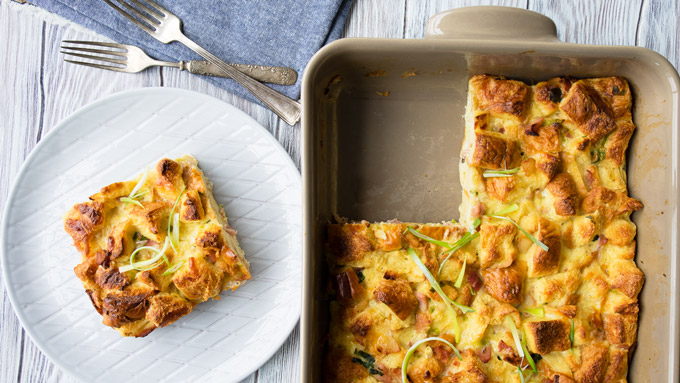
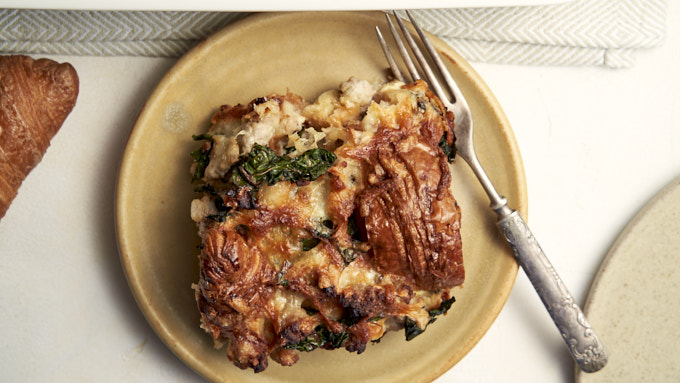
Casseroles remain the gold standard for Thanksgiving morning. Recipes like the Pumpkin French Toast Casserole or the classic Sausage, Egg, and Cheese Breakfast Casserole are designed to be prepared on Wednesday night. By the time Thursday morning arrives, these dishes simply need to be moved from the refrigerator to the oven. This "set it and forget it" approach is invaluable for the host juggling multiple cooking timers throughout the afternoon.
2. Skillet-Based Hearty Brunches
For those who prefer a stovetop approach, skillet recipes—such as a Bacon and Sweet Potato Hash or a Farmers Breakfast Skillet—offer a rustic, communal dining experience. Skillets allow for the easy incorporation of seasonal produce like kale, Brussels sprouts, and autumn squashes, which can often be sourced from the same farmers’ market haul intended for the later dinner. These dishes are particularly effective for feeding a large crowd, as they can be easily scaled up depending on the number of guests.
3. Festive Baked Goods and Seasonal Flavors
For families who prefer a lighter start, or those looking for a "grab-and-go" option, small-batch baked goods are ideal. Blueberry Cornbread Muffins, Baked Pumpkin Donuts with a brown butter glaze, and Medjool Date and Orange Scones bring the warming spices of the season—nutmeg, cloves, and cinnamon—to the breakfast table. These items can often be baked in advance and kept in airtight containers, making them perfect for guests arriving early or for those participating in local "Turkey Trot" 5K runs.
Dietary Inclusivity in Holiday Planning
Modern holiday hosting requires attention to diverse dietary needs, including gluten-free, vegan, and paleo preferences. The culinary community has responded with innovative substitutions that maintain the integrity of holiday flavors.
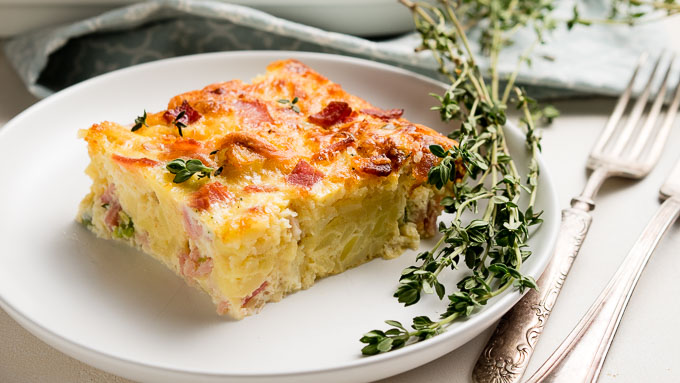
- Gluten-Free Solutions: Replacing traditional bread with potatoes or specialized gluten-free flour blends allows for the creation of hearty Breakfast Potato Casseroles or even Gluten-Free Cinnamon Sugar Donuts. These dishes ensure that no guest feels excluded from the holiday spread.
- Vegan Alternatives: Vegan options have evolved far beyond basic oatmeal. Recipes like Vegan Cinnamon Breakfast Muffins or a rich Vegan Carrot Cake with coconut-based icing demonstrate that holiday indulgence does not require animal products. Using flax eggs or plant-based milks allows for the same moist, fluffy textures found in traditional holiday recipes.
- Paleo and Nutrient-Dense Options: For those focused on nutrient density, options like the Pumpkin Greek Yogurt Bowl or a simple Turmeric-infused Golden Milk offer anti-inflammatory benefits that may counteract the fatigue of a long day of cooking and socializing.
The Role of Beverages in Holiday Hospitality
A well-rounded breakfast menu is not complete without thoughtful beverage pairings. Morning drinks often act as the first "festive" element of the day. Warm, spiced drinks like a homemade Maple Pecan Latte or a caffeine-free Hot Pumpkin Spice drink can replicate the atmosphere of a high-end café in the comfort of one’s own kitchen.
For those hosting a brunch party, incorporating light cocktails—such as a Hibiscus Lemon Gin Cocktail or a festive Cranberry Gin twist—can elevate the morning from a simple meal to a celebratory event. These drinks, which utilize vibrant colors and seasonal garnishes, are visually striking and provide an elegant start to the day.
Practical Implications for the Host
The decision to serve breakfast on Thanksgiving is ultimately about creating a more relaxed environment. By removing the pressure to "starve until dinner," the focus returns to the joy of family interaction.
Tips for a seamless morning:
- Inventory Management: Check the pantry for staple spices like cinnamon, nutmeg, and ginger in the days leading up to the holiday.
- Table Setting: Set the breakfast table on Wednesday evening to minimize clutter and allow for a quick transition to the dinner table later in the day.
- Delegation: Breakfast is the perfect time to involve guests in the kitchen. Simple tasks, such as garnishing a yogurt bowl or pouring a round of coffee, allow family members to feel involved without adding stress to the primary cook.
- Leftover Integration: Many breakfast recipes, such as those utilizing sweet potatoes or cranberry sauce, can be prepared using the same ingredients that will be used for dinner, reducing waste and simplifying the grocery list.
Conclusion
Thanksgiving breakfast has evolved from a non-event into a crucial component of the modern holiday experience. By leveraging advance preparation techniques and embracing seasonal flavors, hosts can create a morning that is as memorable as the dinner that follows. Whether the preference leans toward a savory potato-based casserole, a batch of spiced pumpkin muffins, or a craft-style holiday beverage, there is a wide array of options to suit every family’s traditions. Ultimately, the goal is to provide a moment of calm and nourishment before the festivities hit their peak, ensuring that every guest feels cared for from the moment they wake up until the final slice of pie is served.
As the holiday season continues to grow in complexity, returning to the simplicity of a thoughtful, home-cooked breakfast serves as a reminder that Thanksgiving is, at its core, about community, preparation, and the shared appreciation of good food. By planning ahead and selecting recipes that honor the flavors of autumn, the host can ensure that the holiday begins on a high note, setting the stage for a day defined by gratitude and culinary delight.
